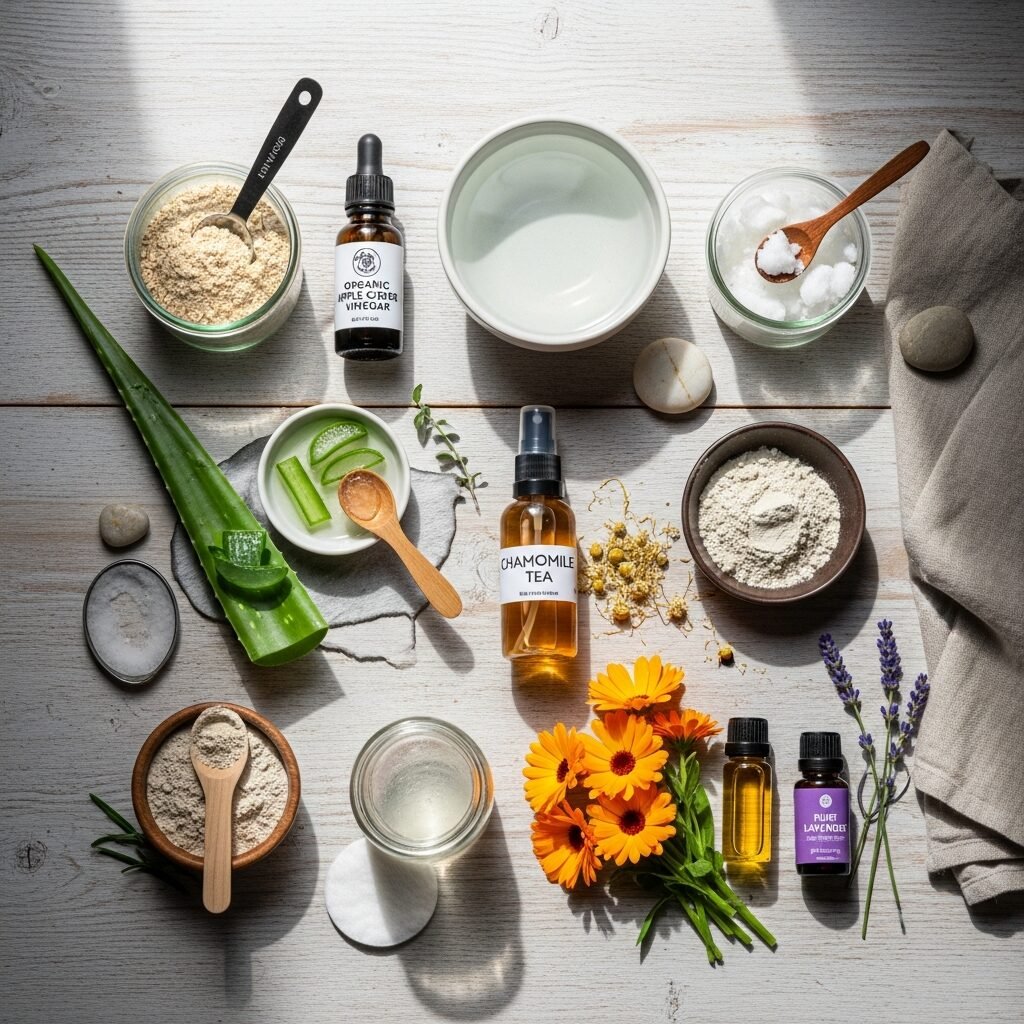
9 DIY Remedies for Dog Skin Irritation
Dog skin irritation is a common concern for pet owners, often manifesting as redness, itching, or flaky patches. These issues can stem from environmental allergens, diet, or seasonal changes. While chronic conditions necessitate a visit to the veterinarian, many mild cases of dermatitis and localized itching can be successfully managed using natural, home-based treatments. By utilizing common household items, you can provide your canine companion with immediate relief from discomfort while avoiding harsh chemicals often found in commercial products. This guide explores nine effective DIY remedies designed to soothe your dog’s skin and promote a healthy coat.
1. Oatmeal Baths for Instant Soothing
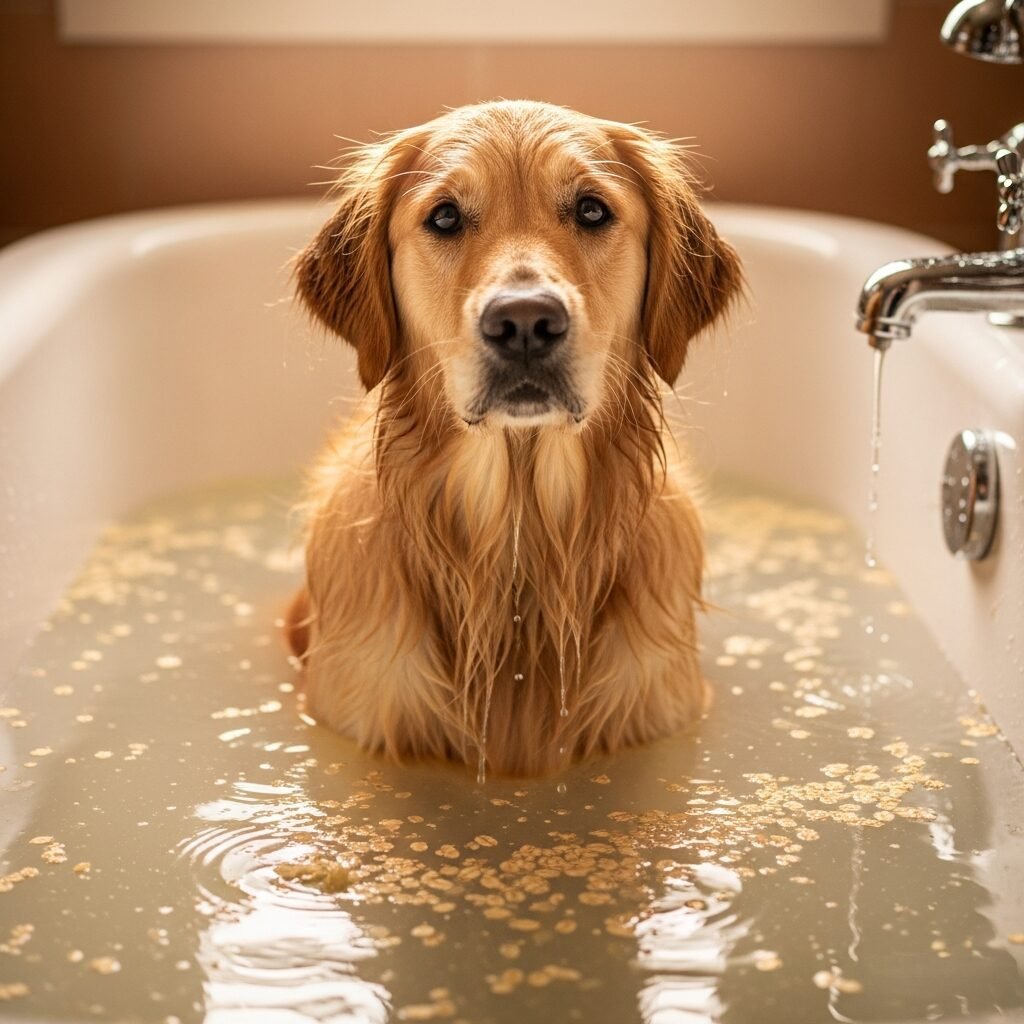
Oatmeal has been used for centuries as a natural anti-inflammatory agent. For dogs with generalized itching, a colloidal oatmeal bath is highly effective. You can create this at home by grinding plain, unflavored oats into a fine powder and mixing them into warm bathwater. The oatmeal forms a protective barrier on the skin, locking in moisture and drawing out toxins. Let your dog soak for at least ten minutes to ensure the properties penetrate the fur and reach the skin surface.
2. Apple Cider Vinegar Skin Rinse
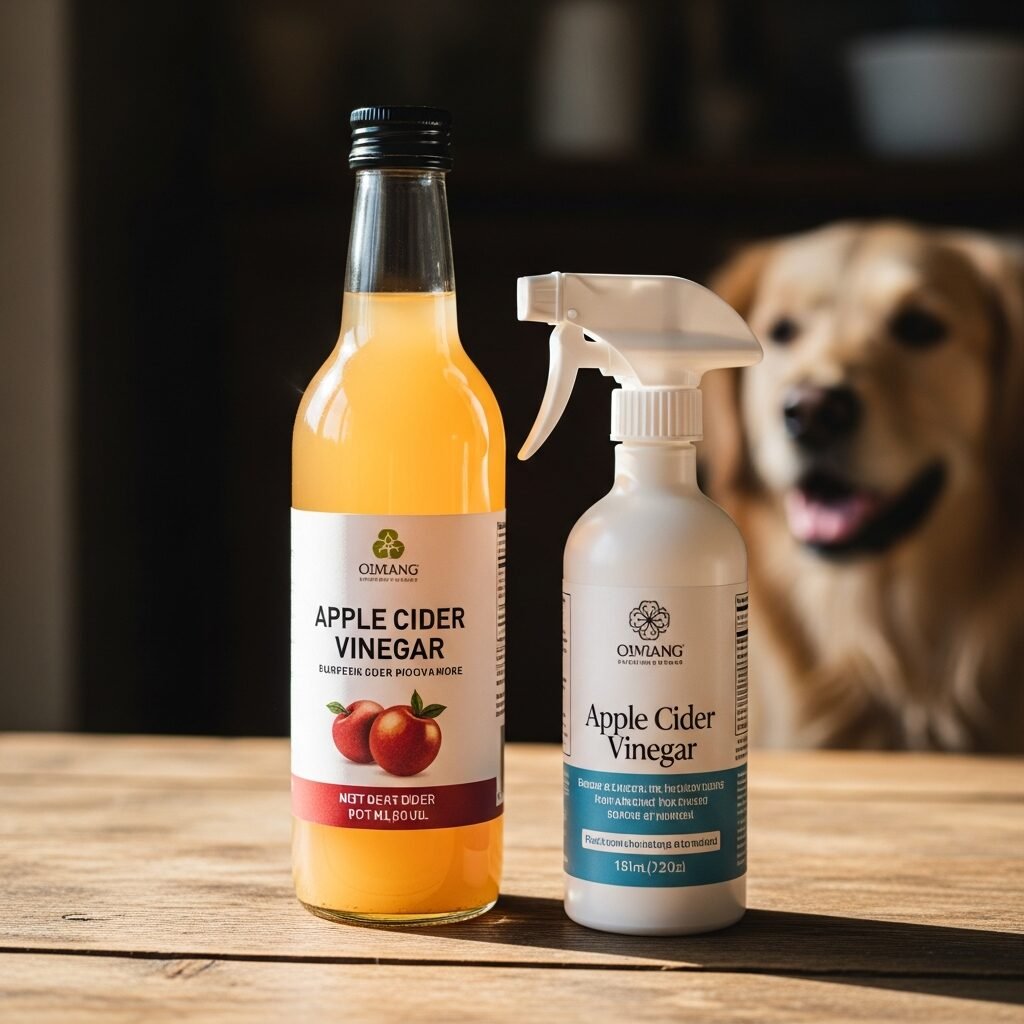
Apple cider vinegar is renowned for its antifungal and antibacterial properties. It is particularly useful for dogs suffering from yeast infections or hot spots. To use this remedy, create a fifty-fifty mixture of apple cider vinegar and water in a spray bottle. Apply the solution directly to the itchy areas, or use it as a final rinse after a bath. Avoid applying this to open wounds or broken skin, as the acidity will cause stinging.
3. Coconut Oil Topical Application

Virgin coconut oil is a versatile remedy that works as both a moisturizer and an antimicrobial agent. It contains lauric acid, which helps reduce the presence of fungi and bacteria on the skin. You can apply a small amount of solidified coconut oil directly to dry patches, elbows, or cracked paws. Not only does it soothe the skin, but it is also perfectly safe if your dog happens to lick it off, as it provides healthy fats for their diet.
4. Chamomile and Green Tea Soaks
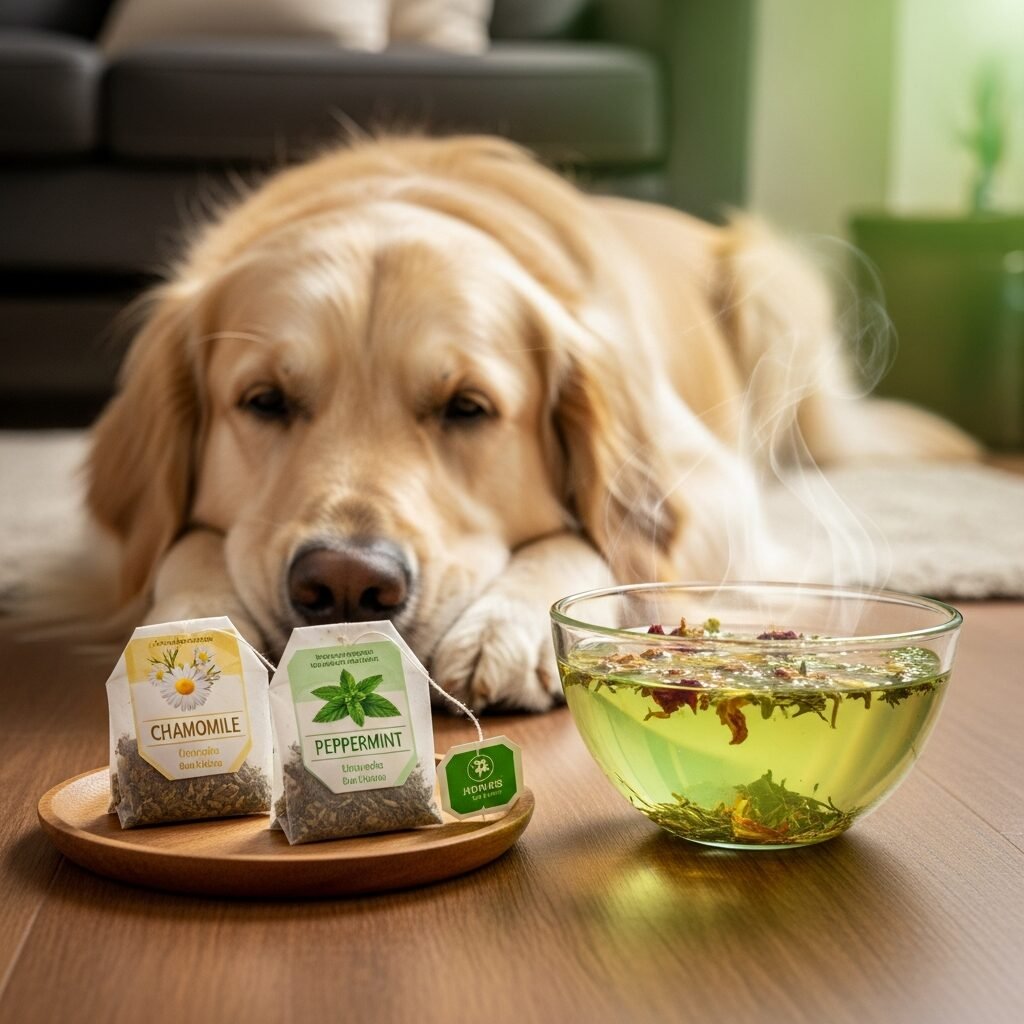
Both chamomile and green tea possess powerful antioxidants and soothing properties that can calm irritated skin. These teas are excellent for treating hot, itchy patches of skin. Brew a strong pot of tea using several bags, let it cool completely, and then either soak your dog’s paws in the liquid or apply it using a clean cloth as a compress. The tannins and caffeine in the tea help reduce inflammation and speed up the healing process of minor irritations.
5. Aloe Vera Gel for Cooling Relief
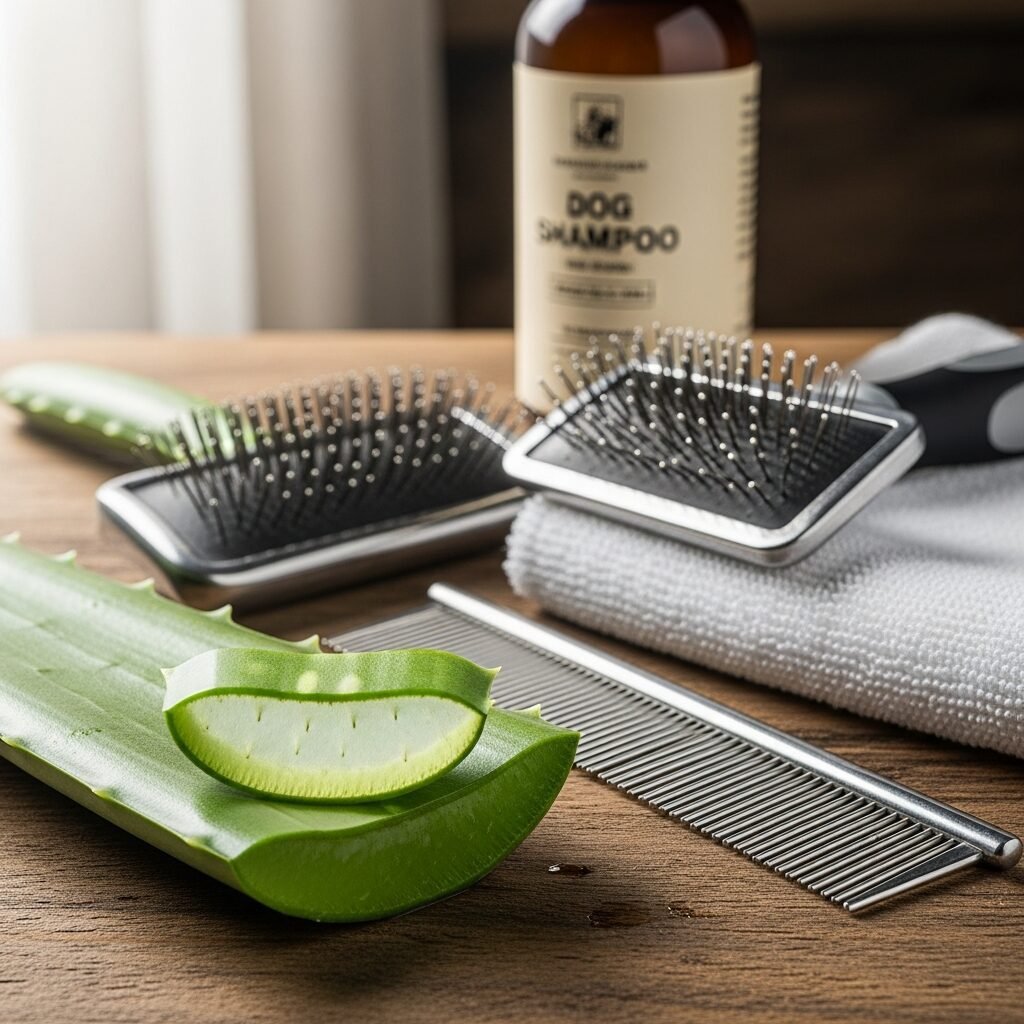
Pure aloe vera gel is one of nature’s best cooling agents. If your dog is suffering from a mild sunburn or a heat rash, aloe vera can provide instant relief. It is crucial to use one hundred percent pure aloe vera gel that does not contain alcohol or preservatives, as these can further irritate the skin. Apply the gel thinly over the affected area to reduce redness and heat. This remedy is particularly effective for the sparsely haired areas like the belly.
6. Baking Soda Paste for Rashes
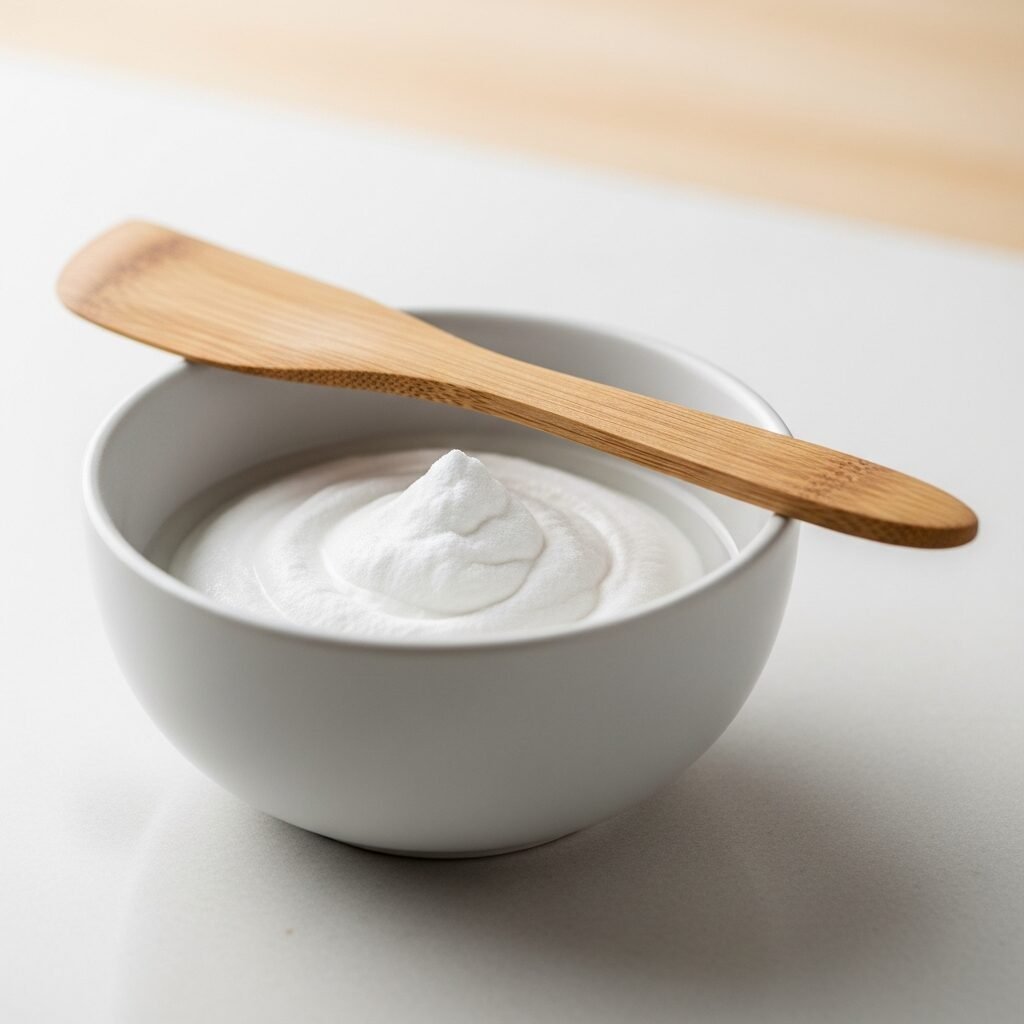
Baking soda is an excellent alkaline substance that can neutralize acidic skin irritants and dry out damp rashes. To create a healing paste, mix one tablespoon of baking soda with a small amount of water until it reaches a thick consistency. Apply this paste directly to insect bites or localized rashes and leave it on for twenty minutes before rinsing it off. This helps to stop the itching sensation and prevents your dog from further scratching and damaging the skin.
7. Epsom Salt Soaks for Inflammation
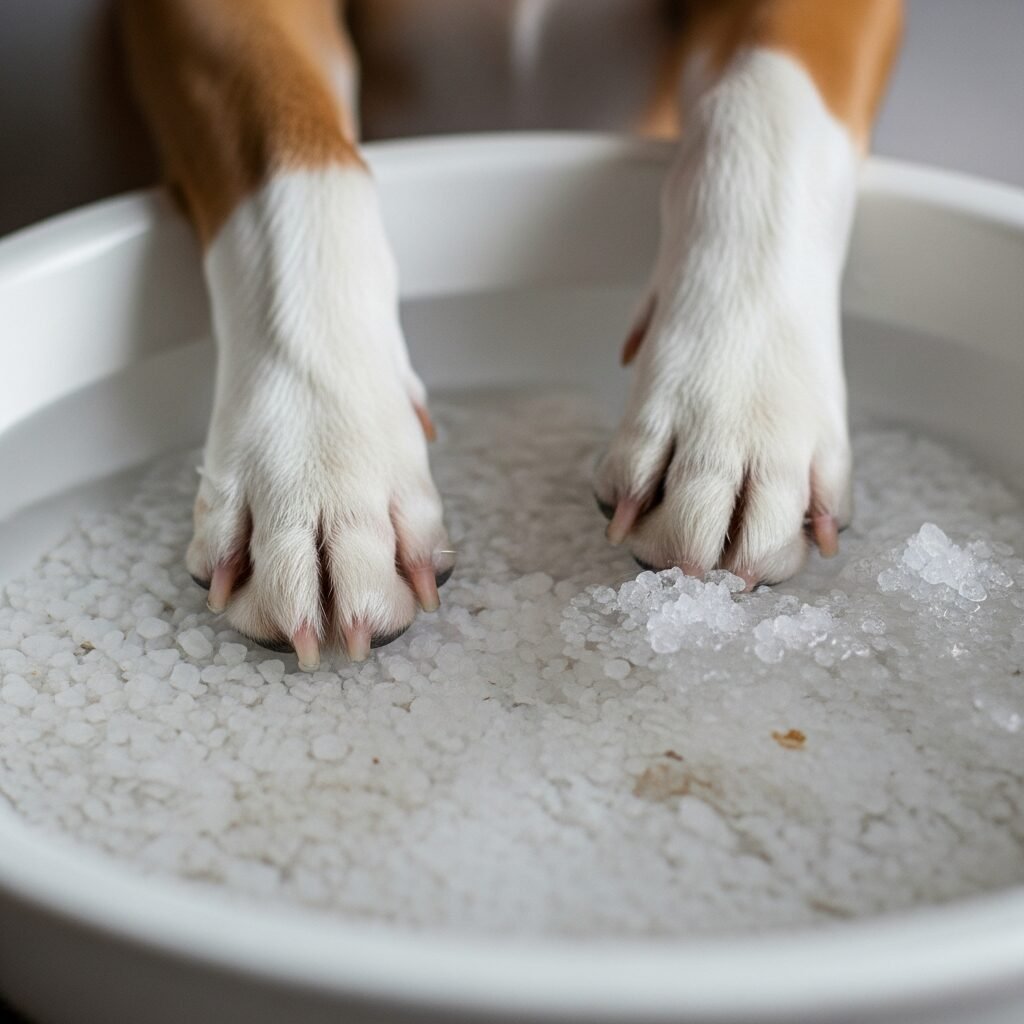
Epsom salts are rich in magnesium, which is highly effective at reducing swelling and relaxing muscles. For dogs with irritated paws or small skin sores, an Epsom salt soak can be very beneficial. Dissolve the salts in warm water and allow your dog to stand in the solution for five to ten minutes. This treatment helps to draw out impurities and reduces the inflammation associated with interdigital cysts or minor paw injuries.
8. Plain Yogurt for Bacterial Balance

Sometimes skin irritation is caused by an imbalance of bacteria or a yeast overgrowth. Plain, unsweetened yogurt containing live active cultures can help restore balance. You can apply a thin layer of yogurt to irritated skin areas to cool the site and introduce beneficial bacteria. Additionally, adding a spoonful of yogurt to your dog’s meal can improve their gut health, which is often reflected in the quality and health of their skin and coat.
9. Evening Primrose Oil for Dryness
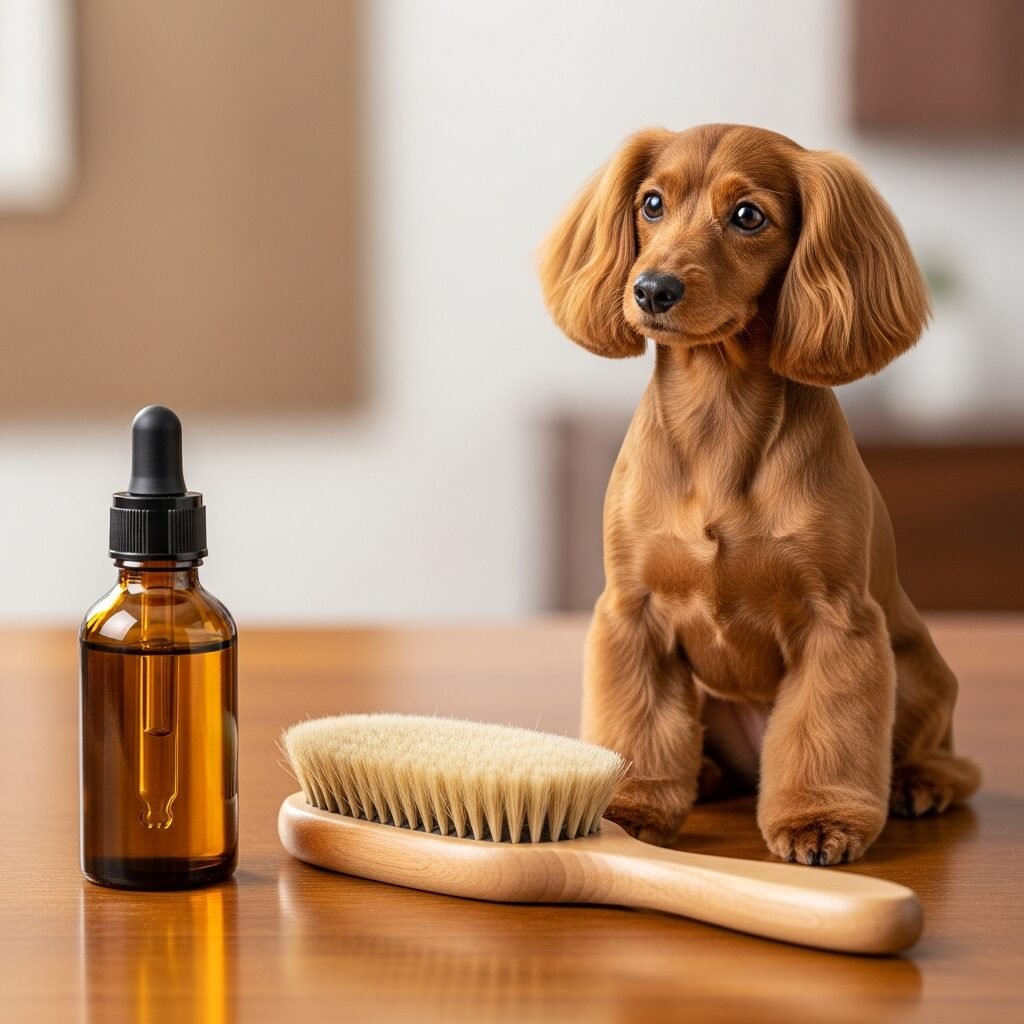
Evening primrose oil is a concentrated source of gamma-linolenic acid, an essential fatty acid that supports skin health. It is particularly effective for dogs with chronic dry, flaky skin or those prone to allergies. You can apply the oil topically to specific dry spots or add a few drops to their regular shampoo. Regular use helps to reinforce the skin’s natural moisture barrier, making it more resilient against environmental irritants and allergens.
Conclusion
Managing your dog’s skin health through DIY remedies is a proactive way to ensure their comfort without resorting to aggressive medicinal treatments for minor issues. From oatmeal baths to herbal tea soaks, these nine methods offer natural alternatives that are both cost-effective and safe. However, always observe your dog’s reaction to any new treatment. If the skin irritation persists, worsens, or is accompanied by lethargy or loss of appetite, it is essential to consult a professional veterinarian to rule out underlying health conditions.


