Your German Shepherd is more than just a pet; they’re a cherished member of your family. With their intelligent eyes, loyal nature, and boundless energy, they bring so much joy into our lives. As responsible dog parents, keeping them healthy and happy is always our top priority.
Part of that commitment involves understanding what goes into their food bowl, and perhaps more importantly, what absolutely *shouldn’t*. German Shepherds, like all breeds, have specific dietary needs, and their robust appearance can sometimes mask a surprisingly sensitive digestive system.
Knowing which everyday human foods are toxic or dangerous for your beloved companion is crucial. This article will walk you through eight common foods that German Shepherds should steer clear of to help them live their healthiest, happiest life.
Why What Your German Shepherd Eats Matters So Much

German Shepherds are magnificent dogs, but they can be prone to certain health issues, including sensitive stomachs, allergies, and even conditions like bloat. Their diet plays a huge role in managing these potential vulnerabilities and ensuring their overall well-being.
A good diet supports their immune system, keeps their coat shiny, gives them energy for play and training, and helps maintain a healthy weight. Conversely, feeding them the wrong things can lead to immediate emergencies, long-term health problems, or chronic discomfort.
Being mindful of their diet isn’t just about avoiding a crisis; it’s about providing the best foundation for a long, vibrant life with your loyal companion.
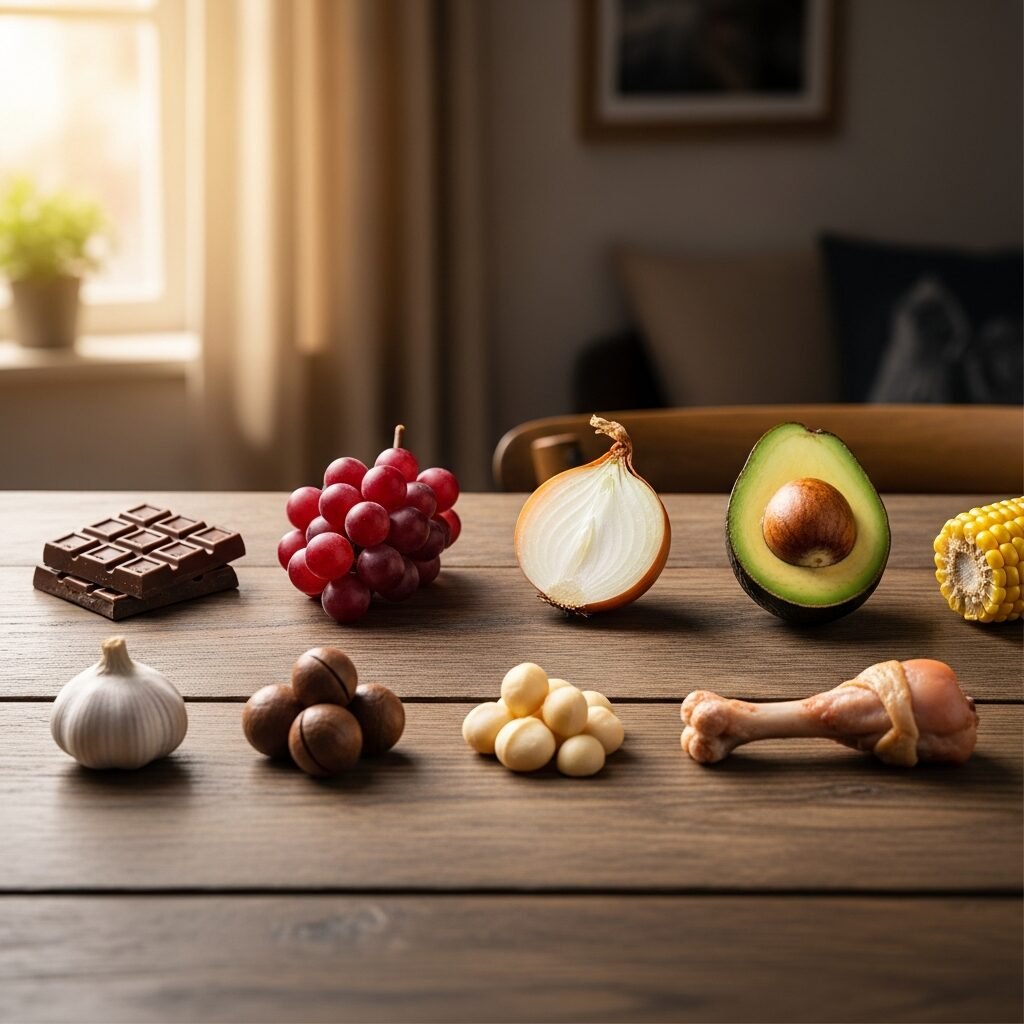
The 8 Foods German Shepherds Should Avoid

Let’s dive into the specific foods that pose a risk to your German Shepherd’s health. It’s important to keep these items out of reach and off their menu entirely.
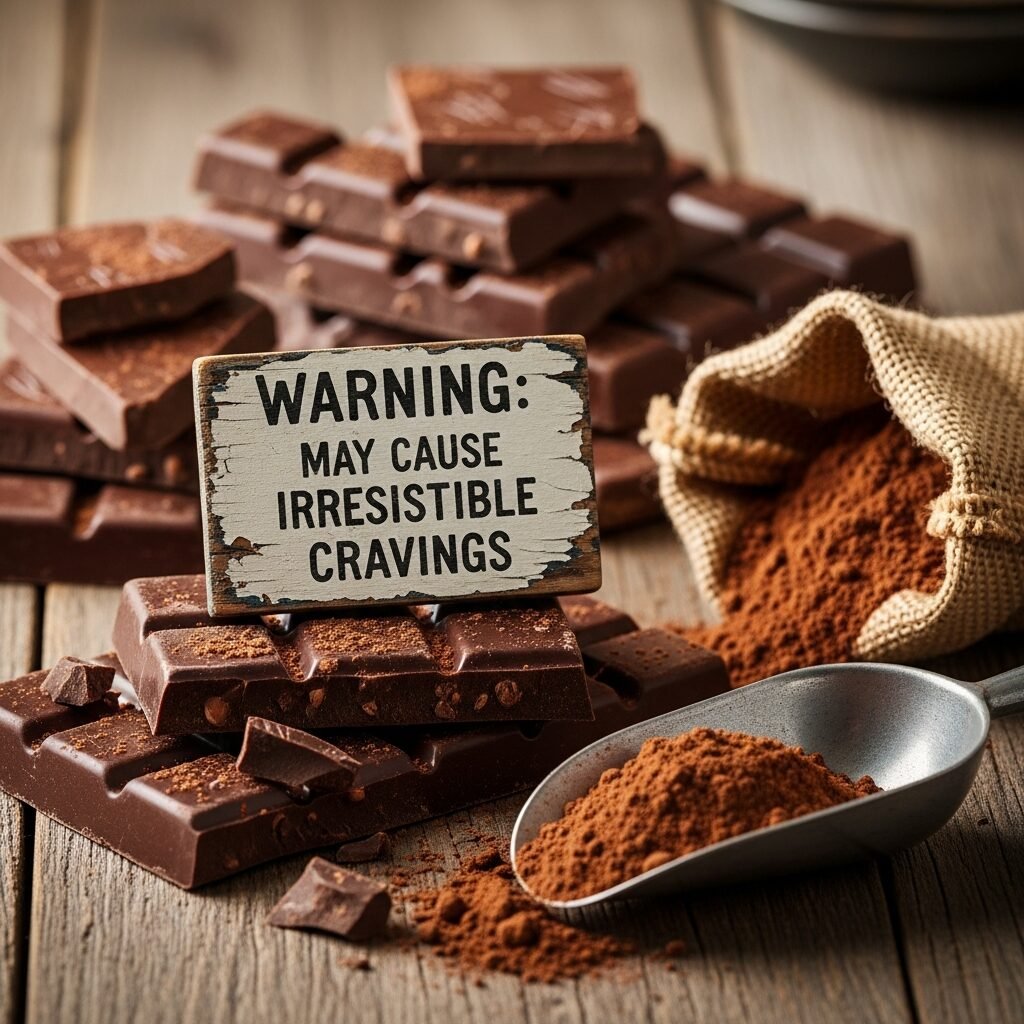
1. Chocolate
Chocolate is perhaps one of the most well-known toxic foods for dogs, and for good reason. It contains substances that are harmless to humans but dangerous for dogs.
What makes it dangerous?
The primary culprits in chocolate are theobromine and caffeine. Dogs process these stimulants much slower than humans do, allowing them to build up to toxic levels in their system. Darker chocolate and baking chocolate contain higher concentrations of theobromine, making them more dangerous.
Symptoms of chocolate poisoning
Symptoms can vary depending on the amount and type of chocolate eaten, and your dog’s size. They can include vomiting, diarrhea, increased thirst, restlessness, hyperactivity, tremors, elevated heart rate, seizures, and in severe cases, even death.
What to do if ingested
If you suspect your German Shepherd has eaten chocolate, contact your veterinarian immediately. Time is critical, and they may advise you to induce vomiting or bring your dog in for treatment.
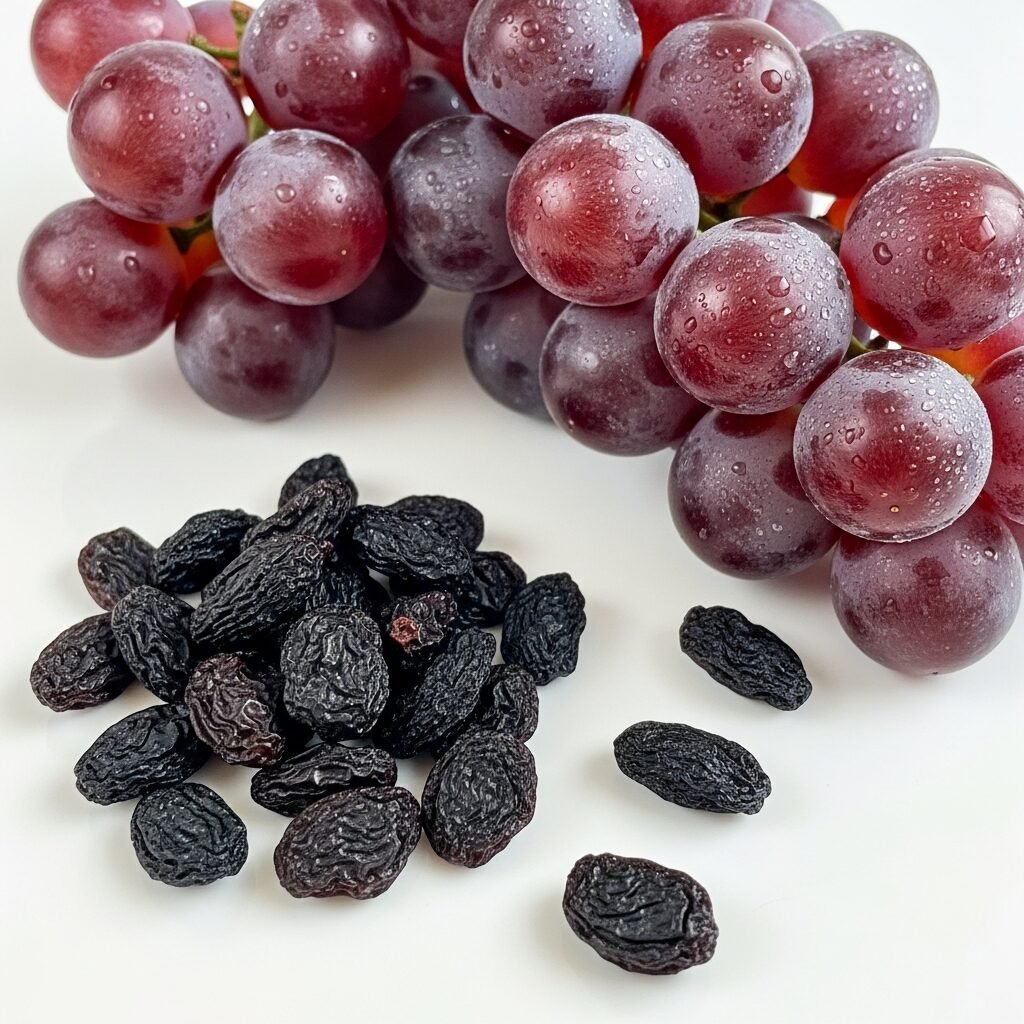
2. Grapes and Raisins
The exact toxic compound in grapes and raisins remains a mystery, but their potential for harm is clear. Even a small amount can cause severe illness in some dogs.
Why are they toxic?
While the precise mechanism isn’t fully understood, consuming grapes or raisins can lead to acute kidney failure in dogs. This can happen with both fresh grapes and dried raisins.
Symptoms to watch for
Early signs might include vomiting, diarrhea, lethargy, and increased thirst. As kidney damage progresses, dogs may show decreased urination, abdominal pain, and overall weakness.
Severity and seeking vet care
The severity of the reaction varies greatly between individual dogs. Some may eat them with no apparent issues, while others become critically ill from just a few. It’s best to treat any ingestion as an emergency and contact your vet right away.
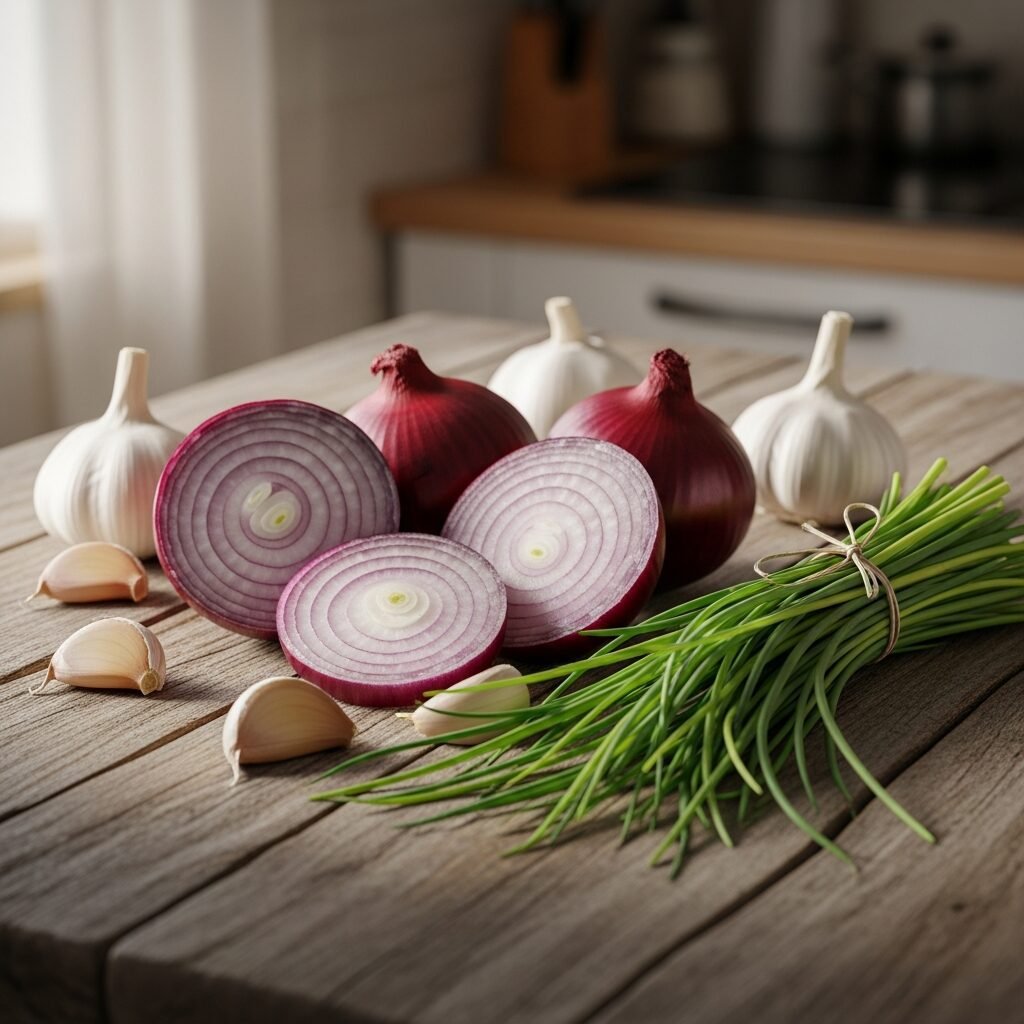
3. Onions and Garlic
These common kitchen staples are part of the Allium family and contain compounds that are harmful to your German Shepherd. They can be found in many processed foods and seasonings.
The harmful compounds
Onions, garlic, leeks, chives, and shallots all contain thiosulphates. These compounds can cause damage to a dog’s red blood cells, leading to a condition called hemolytic anemia.
How they affect red blood cells
When red blood cells are damaged, they can’t carry oxygen effectively throughout the body, leading to weakness, lethargy, and other serious health problems.
Forms to avoid
It’s not just raw onions and garlic that are dangerous. Cooked, fried, dehydrated, powdered, or minced forms are all toxic. This includes garlic powder in spices or onion powder in gravies.
Symptoms of toxicity
Symptoms may not appear for several days after ingestion. They include lethargy, weakness, pale gums, rapid breathing, elevated heart rate, vomiting, diarrhea, and dark, reddish-brown urine.
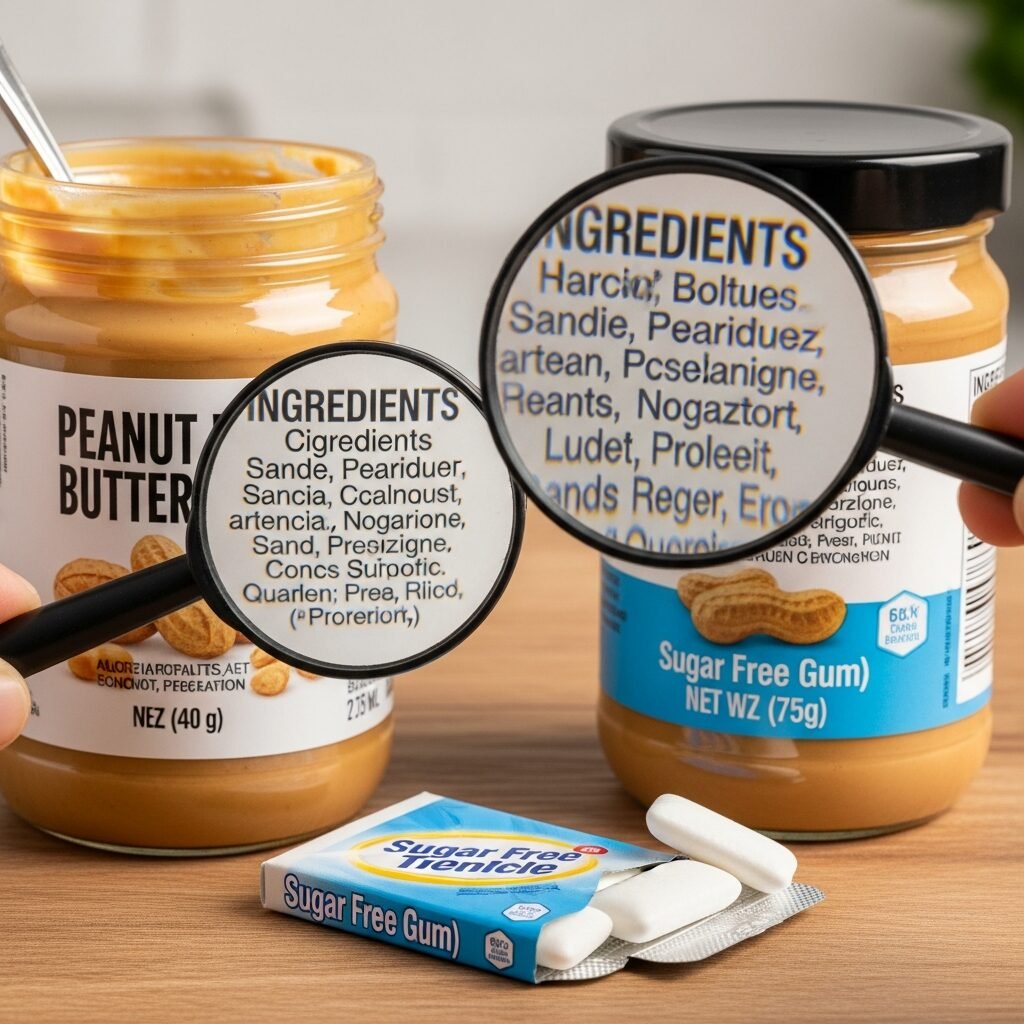
4. Xylitol (Artificial Sweetener)
Xylitol is a highly dangerous artificial sweetener found in a surprising number of human products. It’s extremely toxic to dogs and can cause life-threatening emergencies.
Where it’s found
You’ll find xylitol in sugar-free gum, candies, mints, some peanut butter, toothpaste, mouthwash, baked goods, sugar-free desserts, and even some medications. Always check labels.
Why it’s so dangerous
When dogs ingest xylitol, it’s rapidly absorbed into their bloodstream, causing a sudden and dramatic release of insulin. This leads to a severe drop in blood sugar (hypoglycemia), which can happen very quickly. In larger amounts, it can also cause liver failure.
Symptoms of xylitol poisoning
Symptoms of hypoglycemia include vomiting, weakness, staggering, collapse, tremors, and seizures. If liver damage occurs, signs like jaundice and abnormal clotting may follow. This is a medical emergency that requires immediate veterinary attention.
5. Alcohol
Just like humans, dogs can be affected by alcohol, but their bodies are much smaller and process it differently, making even small amounts extremely dangerous.
Even small amounts are dangerous
Any product containing alcohol, whether it’s alcoholic beverages, raw bread dough (which ferments and produces alcohol), or certain medications, can be toxic. A small sip for a human can be a lethal dose for a dog.
Effects on brain and liver
Alcohol depresses the central nervous system, leading to similar effects as in humans but at a much lower dose. It can cause a dangerous drop in blood sugar, body temperature, and blood pressure, and severely impact the liver and brain.
Symptoms and extreme risk
Symptoms include vomiting, disorientation, incoordination, lethargy, difficulty breathing, tremors, and seizures. In severe cases, it can lead to coma and death. Always keep alcohol products far away from your German Shepherd.
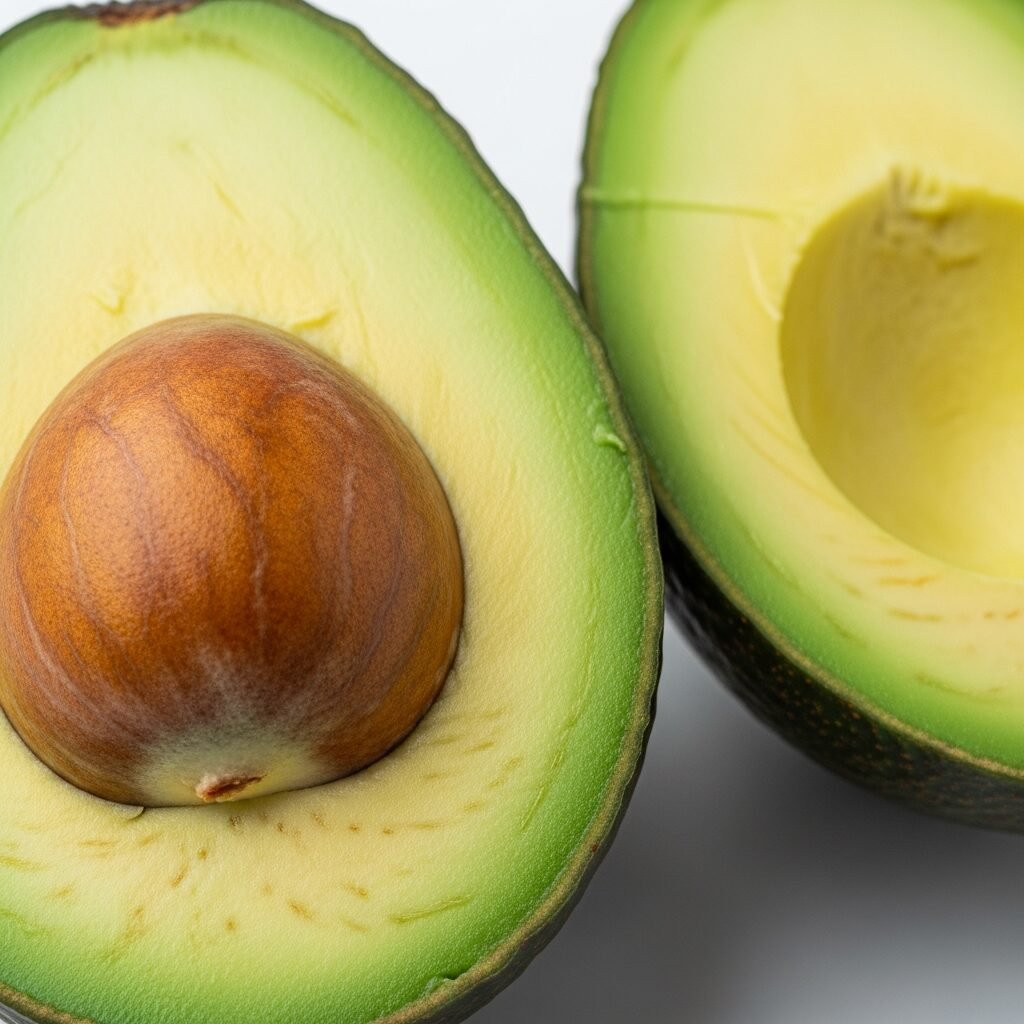
6. Avocado
Avocado contains a fungicidal toxin called persin. While generally considered only mildly toxic to dogs, it’s still best to avoid it, especially certain parts of the fruit.
The toxin (Persin)
Persin is present in the leaves, bark, skin, pit, and fruit of avocados. While dogs are more resistant to persin than some other animals (like birds and horses), it can still cause stomach upset.
Focus on pit and skin as choking hazards and highest concentration
The main concern with avocado for German Shepherds isn’t just the persin in the fleshy part, which might cause mild stomach upset in sensitive dogs. The large pit is a serious choking hazard and can cause an obstruction in the digestive tract. The skin also contains higher concentrations of persin and can be difficult to digest.
7. Macadamia Nuts
Macadamia nuts are another food that can cause specific, though usually not fatal, symptoms in dogs. Their exact toxic mechanism is still unknown.
Specific toxicity for dogs
Ingesting macadamia nuts can lead to a condition unique to dogs. While the exact toxic agent is unknown, it’s clear they cause adverse reactions.
Symptoms (weakness, tremors, fever)
Symptoms typically appear within 12 hours of ingestion and can include weakness, especially in the hind legs, vomiting, tremors, fever, joint pain, and an inability to stand.
Recovery time
Most dogs recover fully within 24 to 48 hours with supportive care, but it’s important to seek veterinary attention to manage symptoms and ensure a smooth recovery. Keep all nuts, especially macadamias, out of reach.
8. Cooked Bones
While raw bones can be a controversial topic, cooked bones are universally agreed upon as a danger to dogs, including German Shepherds.
Why raw bones are different from cooked ones
Raw bones are generally softer and more pliable. Cooked bones, however, become brittle and harder.
Dangers (splintering, choking, obstructions, constipation)
When cooked, bones become prone to splintering into sharp shards that can cause serious internal damage. They can splinter in the mouth, throat, or stomach, leading to cuts, perforations, or choking. Larger pieces can also cause dangerous intestinal obstructions or severe constipation.
Alternative chew toys
Instead of cooked bones, offer safe, veterinarian-approved chew toys or specially designed dental chews. If you choose to offer raw bones, always supervise your dog closely and consult your vet first to understand the risks and proper types.
What to Do If Your German Shepherd Eats Something Harmful

Accidents happen, even with the most careful dog parents. If you suspect your German Shepherd has eaten something toxic or dangerous, acting quickly and calmly is key.
Stay calm: Your dog can pick up on your stress, which won’t help the situation.
Identify what and how much was eaten: If possible, try to determine what they ate, how much, and when. This information is vital for your vet. Take a picture of the packaging if available.
Contact your vet immediately: Call your regular veterinarian or, if it’s after hours, an emergency veterinary clinic. Do not wait for symptoms to appear, as some toxins work quickly or have delayed effects.
Do NOT induce vomiting without vet instruction: Inducing vomiting incorrectly can be dangerous, especially with certain toxins or if your dog is showing specific symptoms. Only do so if specifically instructed by a veterinary professional.