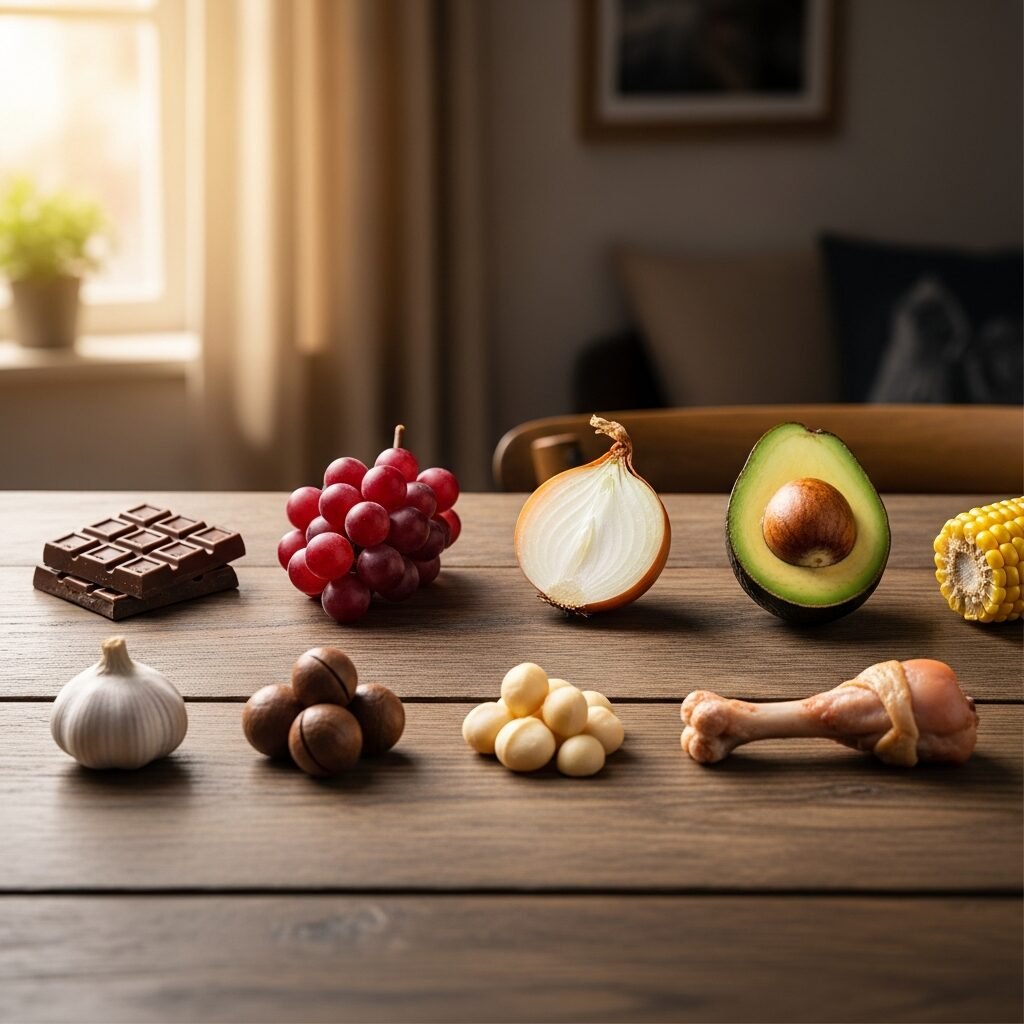
German Shepherds are known for their intelligence, loyalty, and physical prowess. However, like many large breeds, they possess sensitive digestive systems that require careful nutritional management. While it is tempting to share table scraps with your canine companion, many common human foods can be highly toxic or even fatal to dogs. Understanding which foods to exclude from their diet is crucial for maintaining their health and longevity. This guide outlines eight specific items that should never be fed to a German Shepherd to prevent medical emergencies and chronic health issues.
1. Chocolate and Cocoa Products
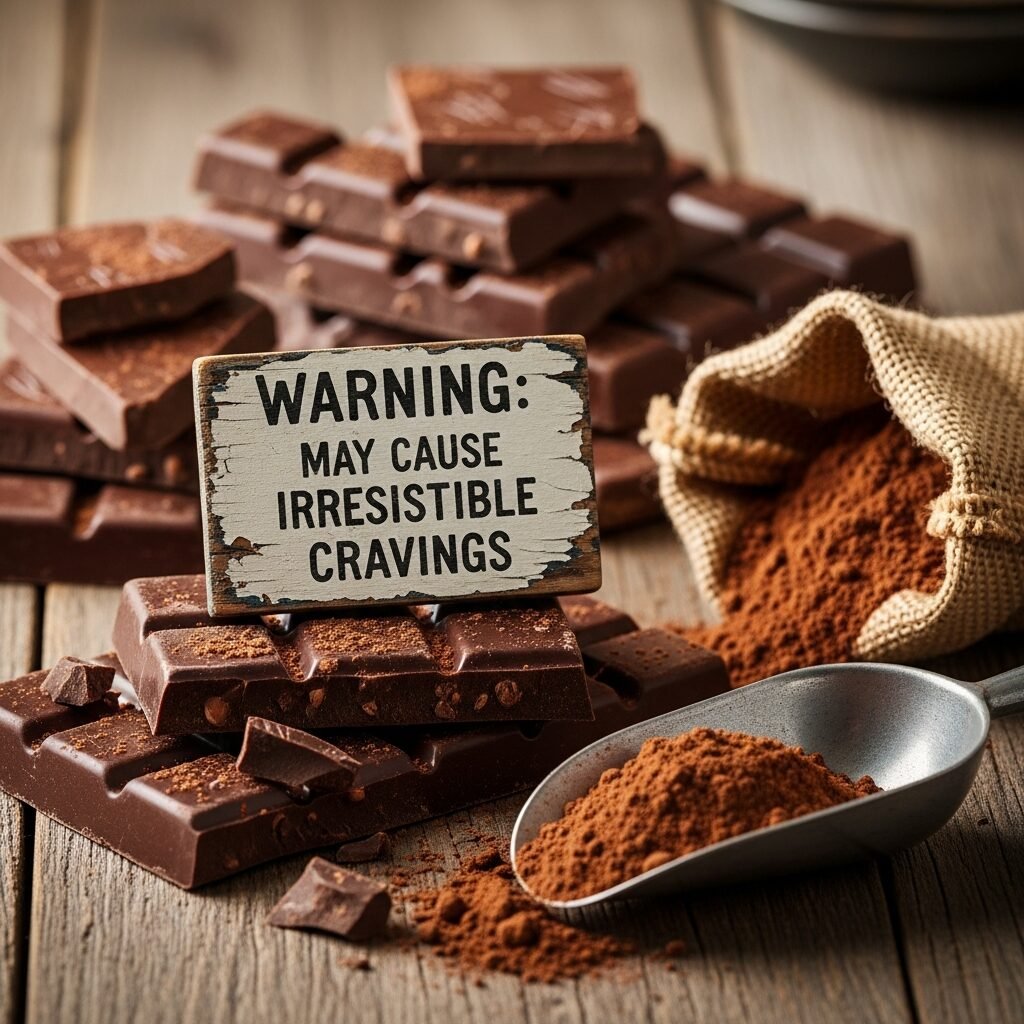
Chocolate contains a stimulant known as theobromine, which German Shepherds cannot metabolize effectively. Even small amounts can lead to increased heart rate, tremors, seizures, and potentially heart failure. Darker chocolate and baking cocoa contain higher concentrations of this toxin, making them particularly dangerous. If your dog consumes chocolate, it is vital to monitor them for signs of restlessness or vomiting and seek immediate veterinary assistance.
2. Grapes and Raisins
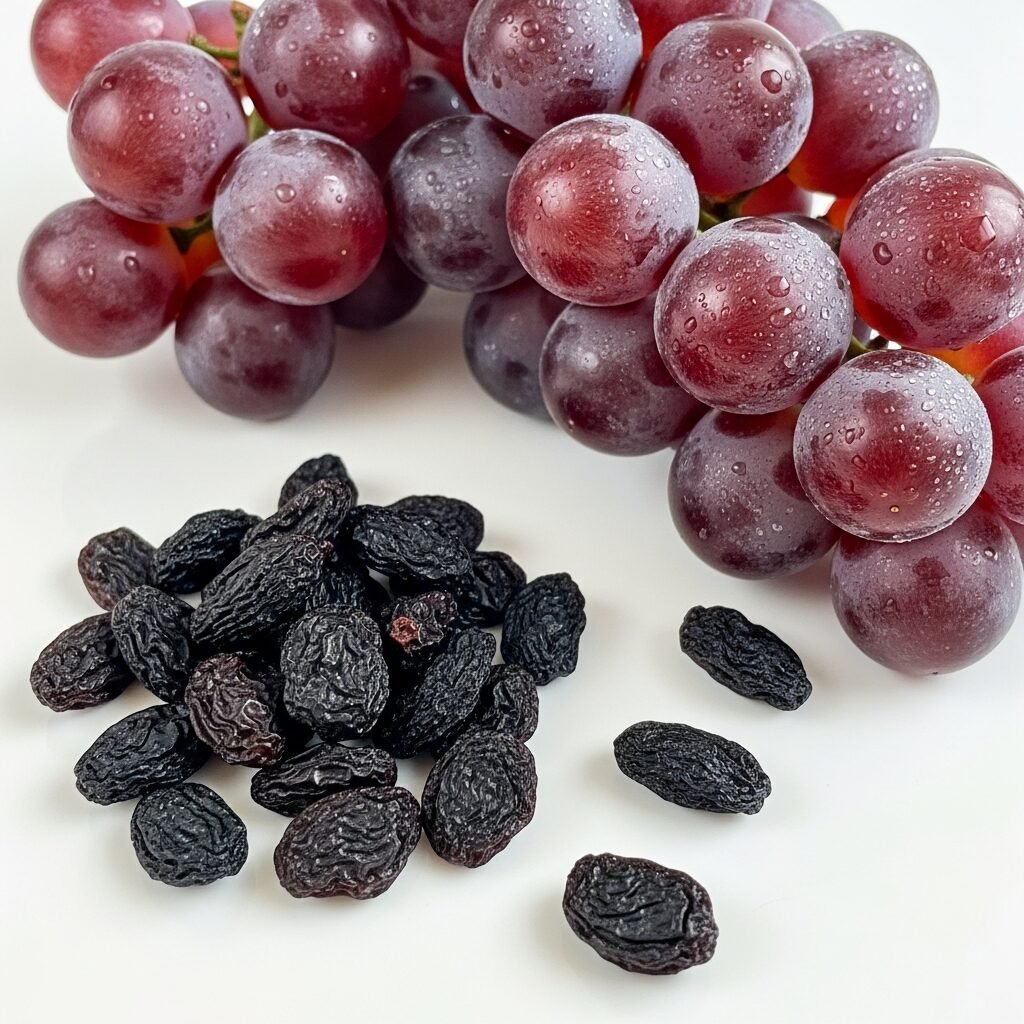
Grapes and raisins are notoriously dangerous for German Shepherds because they can cause acute kidney failure. While the exact toxic substance remains unidentified, the reaction is often sudden and severe. Symptoms include lethargy, loss of appetite, and decreased urination. Because the toxicity level can vary between individual dogs, no amount of grapes or raisins is considered safe for consumption.
3. Onions Garlic and Chives
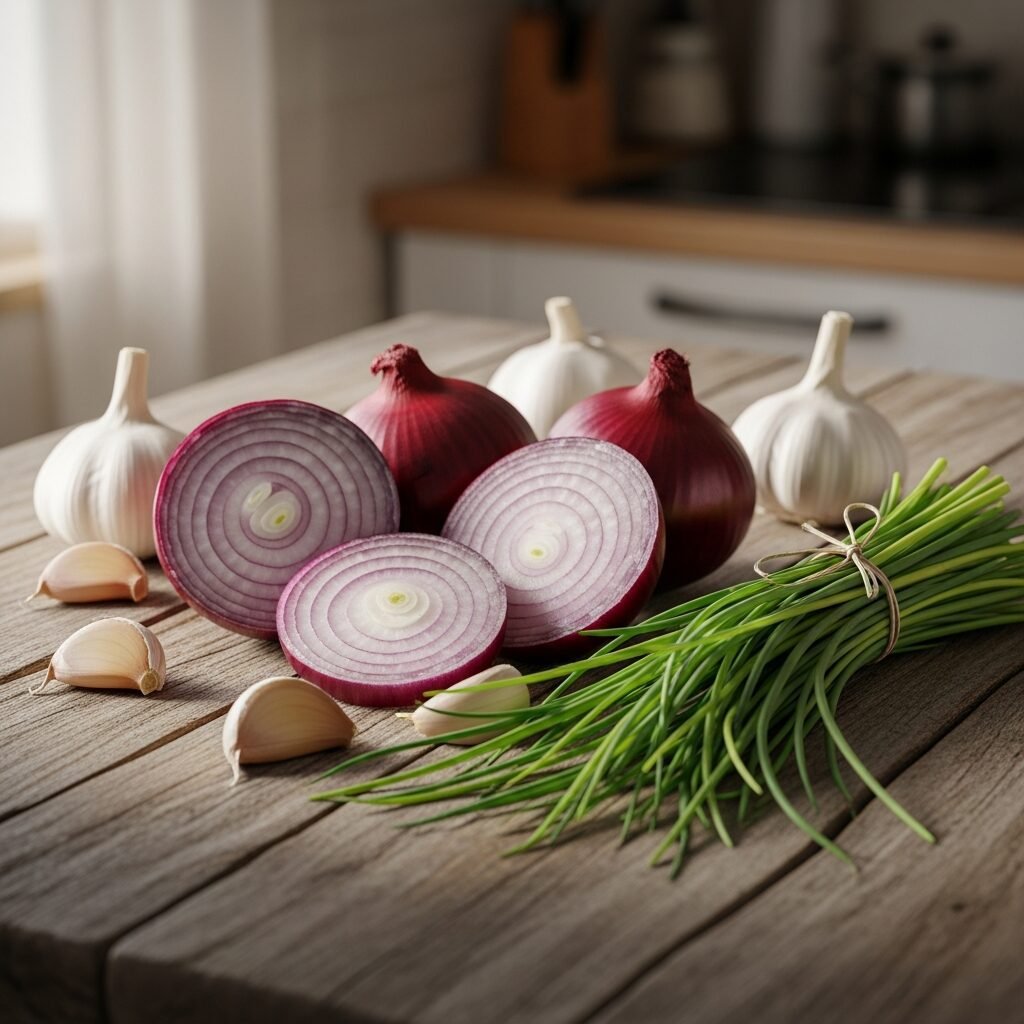
Members of the Allium family, including onions, garlic, and chives, can cause oxidative damage to a dog’s red blood cells. This damage leads to a condition called hemolytic anemia, where the blood cells rupture and can no longer carry oxygen efficiently. German Shepherds may show signs of weakness, pale gums, and reddish urine. Both raw and cooked versions of these vegetables are hazardous, as are powdered forms often found in seasonings.
4. Xylitol Artificial Sweetener
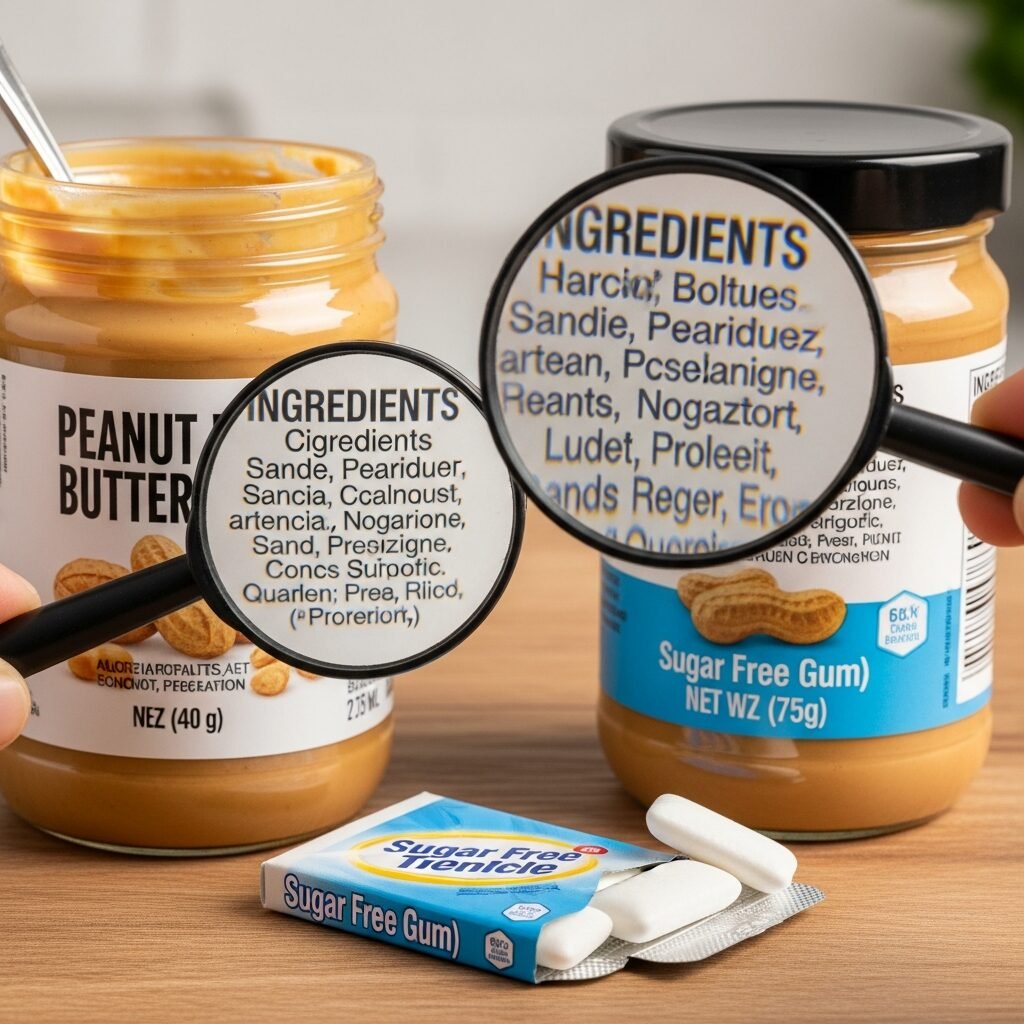
Xylitol is a sugar substitute commonly found in sugar-free gum, peanut butter, and baked goods. In German Shepherds, xylitol triggers a massive release of insulin, leading to a life-threatening drop in blood sugar known as hypoglycemia. It can also cause acute liver failure within days of ingestion. Always check the ingredient labels of any human snacks before offering them to your pet.
5. Macadamia Nuts

Macadamia nuts are uniquely toxic to dogs, causing symptoms such as weakness in the hind legs, vomiting, tremors, and hyperthermia. While the effects are rarely fatal, they cause significant distress and can last for up to 48 hours. For a German Shepherd, consuming even a few nuts can result in a loss of coordination that makes walking difficult.
6. Avocados
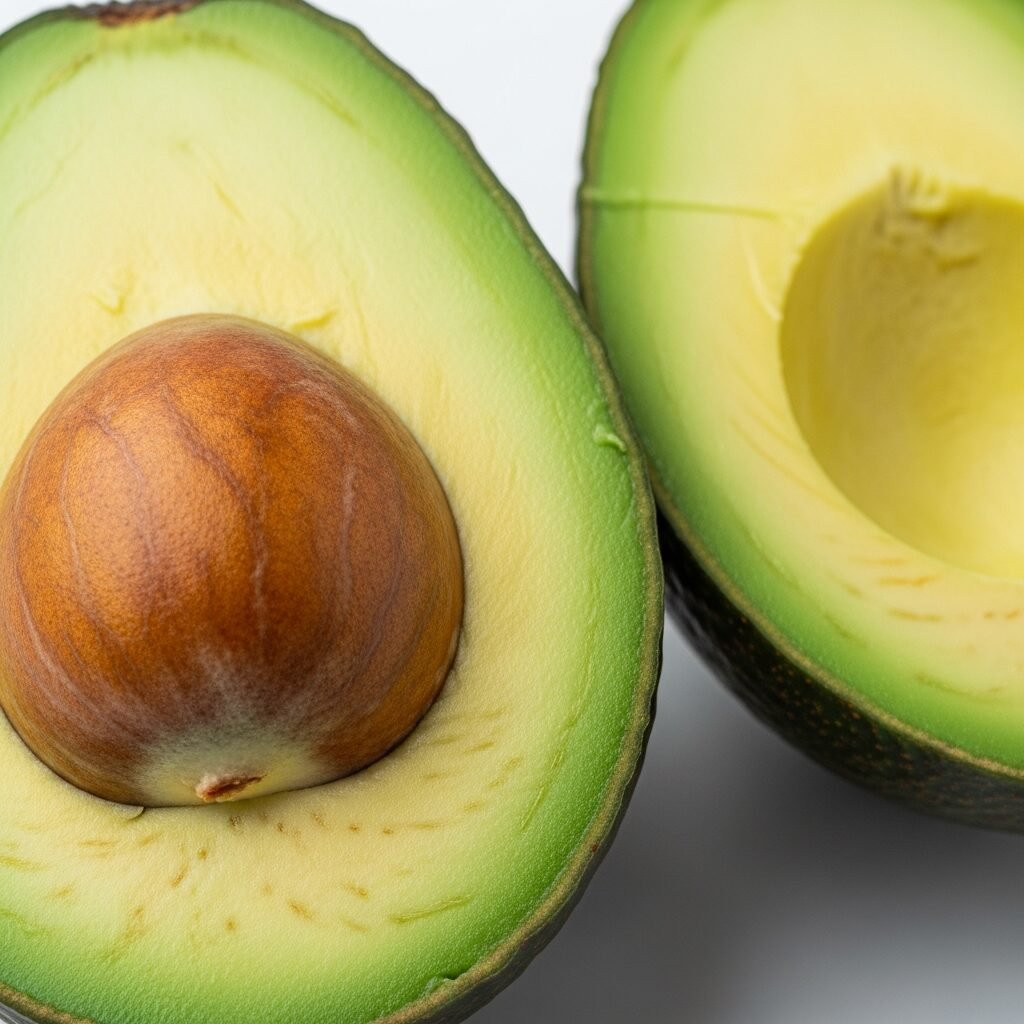
Avocados contain a substance called persin, which is mostly concentrated in the leaves, pit, and skin, but is also present in the flesh. While some dogs may only experience mild stomach upset, the larger risk for German Shepherds is the pit itself, which poses a significant choking hazard and can cause dangerous intestinal blockages. Furthermore, the high fat content in avocados can contribute to pancreatitis in sensitive dogs.
7. Cooked Bones

While raw bones are often considered safe under supervision, cooked bones become brittle and can easily splinter. If a German Shepherd swallows these sharp fragments, they can puncture the digestive tract or cause a severe internal blockage. This often requires emergency surgery to resolve. It is much safer to provide commercially prepared chew toys or vet-approved raw marrow bones instead.
8. Caffeine and Energy Drinks

Caffeine contains methylxanthines, similar to those found in chocolate, but in a much more concentrated form. Ingestion can lead to heart palpitations, rapid breathing, and muscle tremors in German Shepherds. Coffee grounds, tea bags, and energy drinks are the most common sources of caffeine poisoning. Large dogs like German Shepherds are particularly sensitive to the stimulant effects, which can overstress their cardiovascular system.
Conclusion
Maintaining a healthy diet for your German Shepherd is a cornerstone of responsible pet ownership. By avoiding these eight dangerous foods, you can protect your dog from unnecessary pain and expensive medical treatments. Always prioritize high-quality canine nutrition and consult with your veterinarian before introducing new human foods into your dog’s diet. If you suspect your German Shepherd has ingested any toxic substance, contact a pet poison control center or an emergency vet immediately.