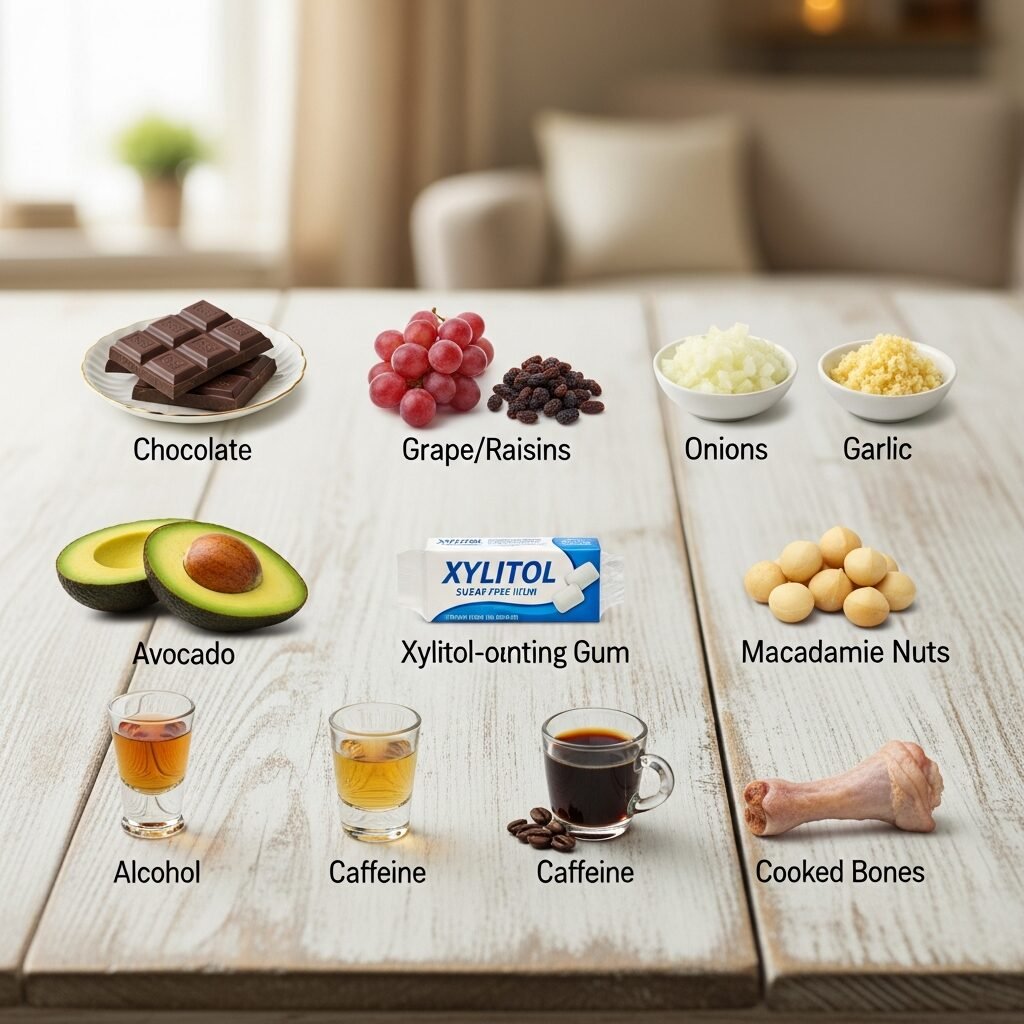
9 Foods Labrador Retrievers Should Avoid
Labrador Retrievers are well-known for their hearty appetites and tendency to consume almost anything they find. While their enthusiasm for food is part of their charm, it also poses a significant health risk if they ingest substances that are toxic to canines. As a responsible owner, understanding which common human foods can lead to severe illness or even fatal reactions is essential for your dog’s longevity and well-being. This guide outlines the top nine dangerous foods specifically regarding the health profile of the Labrador Retriever.
1. Chocolate and Cocoa Products
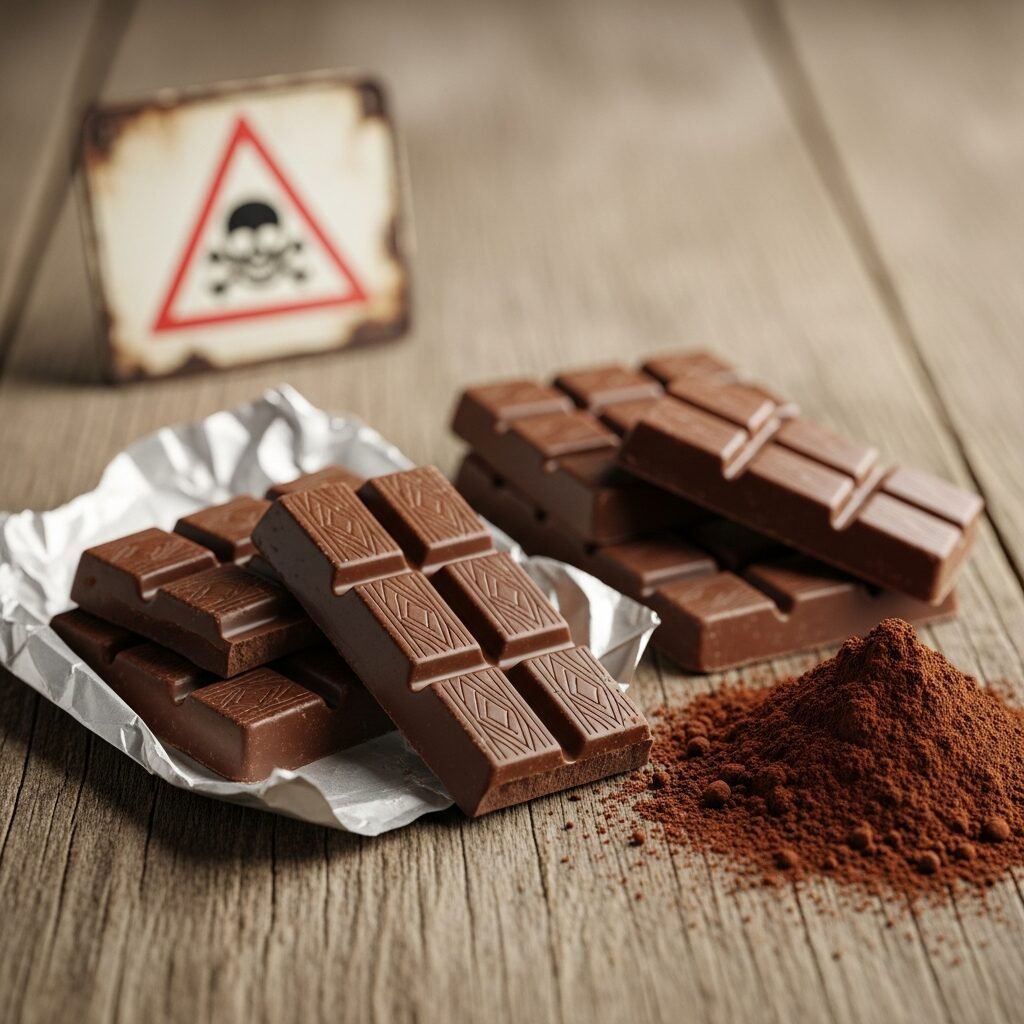
Chocolate contains theobromine and caffeine, both of which are stimulants that dogs cannot metabolize efficiently. For a Labrador, even a moderate amount of dark chocolate can lead to a racing heart, tremors, and seizures. The darker the chocolate, the higher the concentration of these toxins. Symptoms often begin with vomiting and restlessness, progressing to more severe neurological issues if not treated immediately by a veterinarian.
2. Xylitol and Artificial Sweeteners
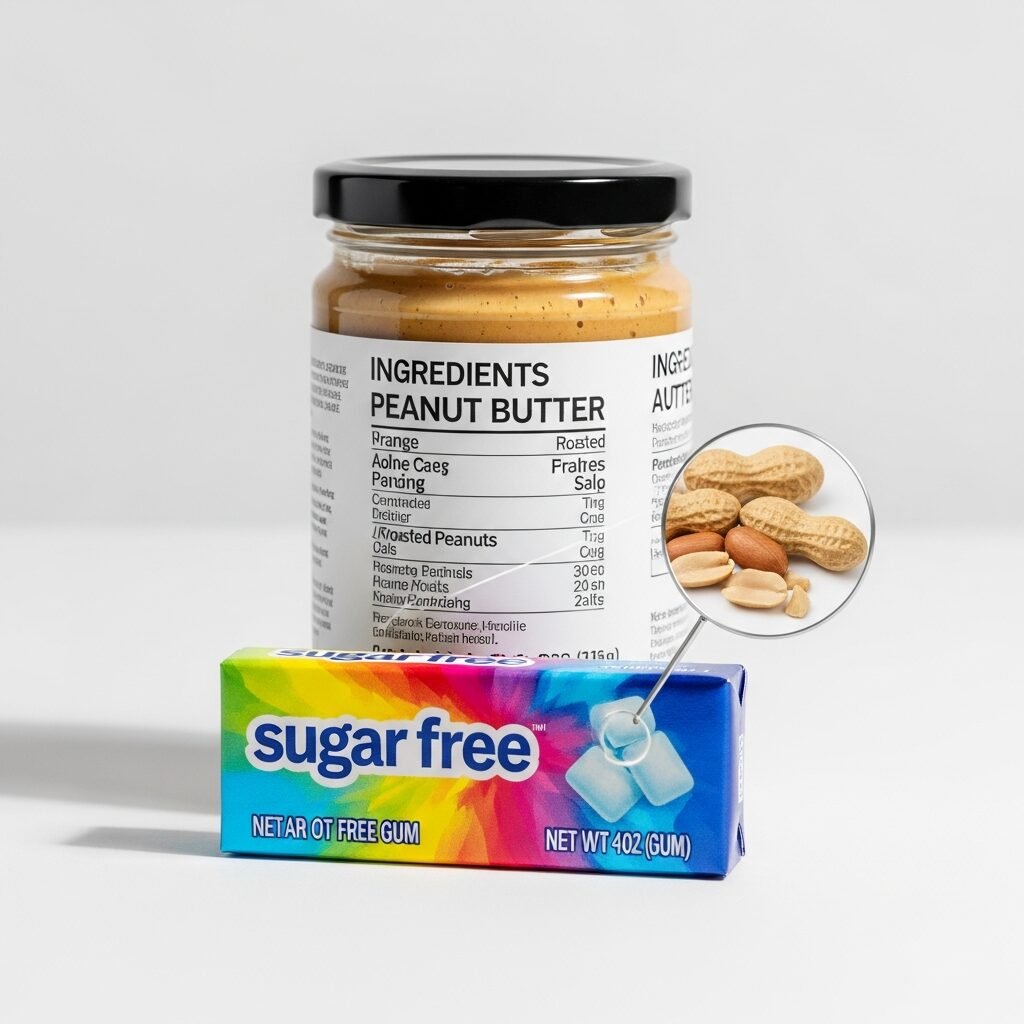
Xylitol is a sugar alcohol frequently used in sugar-free gum, candy, and some peanut butters. When a Labrador ingests xylitol, it triggers a rapid release of insulin, leading to a life-threatening drop in blood sugar known as hypoglycemia. Initial signs include loss of coordination and lethargy, which can quickly escalate to liver failure and seizures. Always check the ingredients of any peanut butter or snack before sharing it with your retriever.
3. Grapes and Raisins
Grapes and raisins are highly toxic to Labrador Retrievers, though the exact toxic substance remains unknown. Even small quantities can cause acute kidney failure. Owners should be vigilant as the symptoms, such as decreased appetite and abdominal pain, may not appear immediately. Because Labradors are known to scavenge, ensuring that fruit bowls are out of reach is a critical preventative measure for their renal health.
4. Onions, Garlic, and Chives

Members of the Allium family can cause oxidative damage to a dog’s red blood cells, leading to a condition called hemolytic anemia. While Labradors are large and sturdy, the cumulative effect of eating onions or garlic over time can be just as dangerous as a single large dose. Symptoms like weakness, pale gums, and orange-to-dark red urine may indicate that your dog’s red blood cells are being destroyed.
5. Macadamia Nuts

Macadamia nuts are particularly toxic to dogs and can cause a range of symptoms including weakness in the hind legs, vomiting, and hyperthermia. While these nuts are rarely fatal, they cause significant distress and physical impairment for several days. Labradors may find these in cookies or snack mixes, so it is vital to keep all nut varieties stored in airtight containers away from inquisitive noses.
6. Avocado
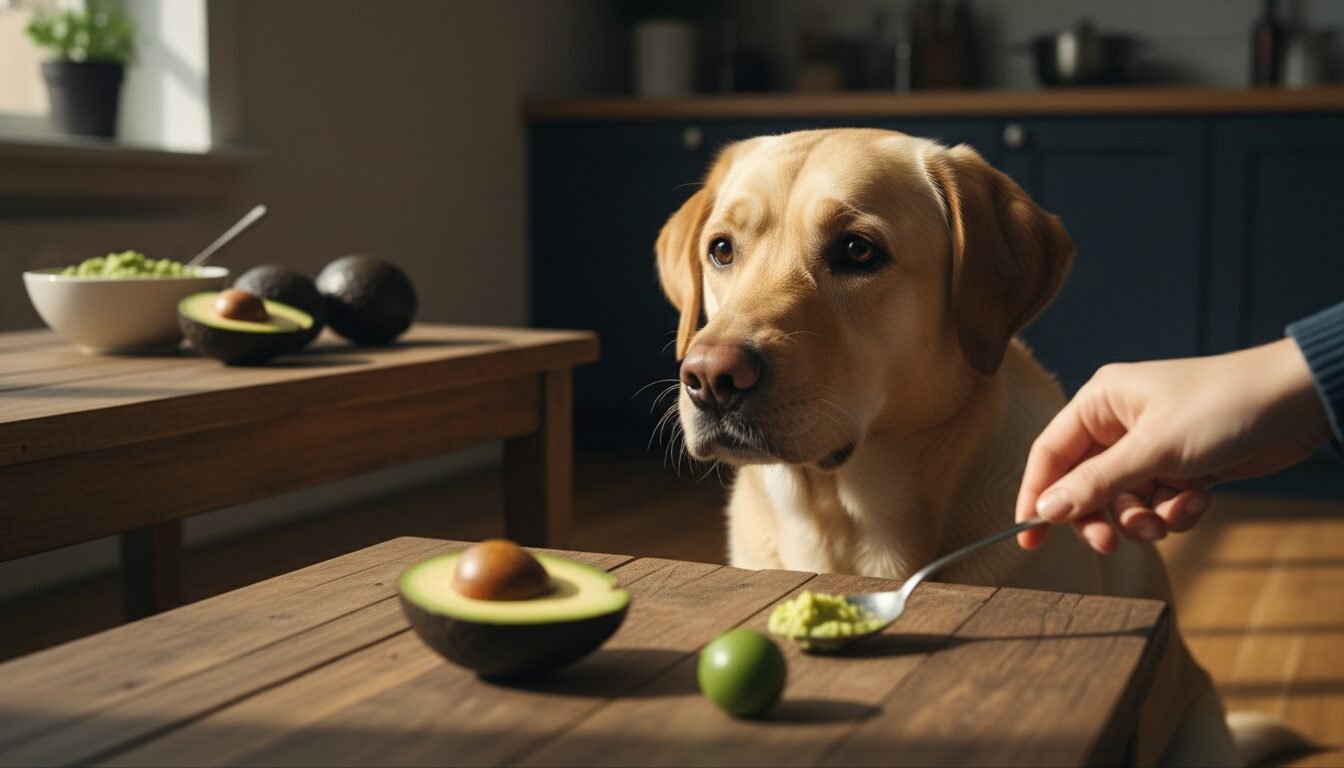
Avocados contain a fungicidal toxin called persin. While dogs are more resistant to persin than some other animals, large amounts can cause gastrointestinal upset. Furthermore, the large pit of an avocado represents a severe choking hazard and a potential intestinal blockage for a Labrador, who might attempt to swallow it whole. The high fat content can also contribute to pancreatitis in sensitive dogs.
7. Caffeine and Coffee Grounds

Similar to chocolate, caffeine contains methylxanthines that are dangerous to the canine nervous and cardiovascular systems. Labradors are particularly susceptible to caffeine poisoning if they get into discarded coffee grounds or tea bags in the trash. Symptoms of caffeine toxicity include extreme restlessness, rapid breathing, and heart palpitations. Keeping used grounds in a secured bin is a simple way to prevent accidental ingestion.
8. Alcohol and Fermented Foods

Alcohol has the same effect on a dog’s brain and liver as it does on a human’s, but it takes far less to cause serious damage. Even small amounts of ethanol found in alcoholic beverages, syrups, and raw bread dough can cause vomiting, central nervous system depression, and respiratory failure. Because Labradors often beg for sips of drinks, it is crucial to maintain a strict no-alcohol policy for your pets.
9. Cooked Bones and Fat Trimmings

While it may be tempting to give your Labrador the leftovers from a steak or chicken dinner, cooked bones are extremely dangerous. Cooking makes bones brittle, causing them to splinter and potentially puncture the digestive tract. Additionally, excessive fat trimmings can trigger pancreatitis, a painful inflammation of the pancreas that often requires hospitalization. Stick to vet-approved chew toys and lean treats instead.
Conclusion
Protecting your Labrador Retriever from dietary hazards requires a combination of vigilance and education. By excluding these nine dangerous foods from your dog’s reach, you significantly reduce the risk of emergency veterinary visits and long-term health complications. Always consult with a professional veterinarian if you suspect your dog has ingested something toxic, as early intervention is often the key to a successful recovery. A healthy Labrador is a happy Labrador, and a safe diet is the foundation of their legendary vitality.


