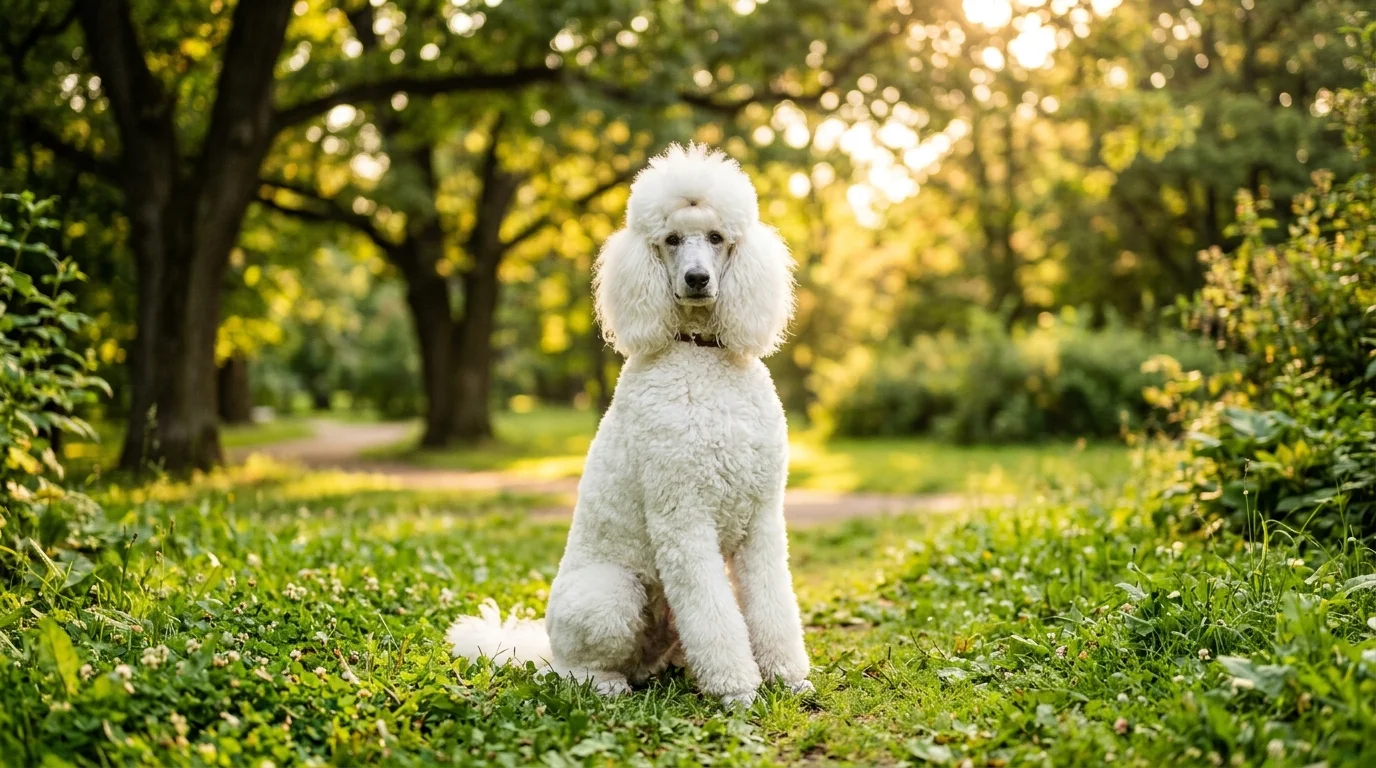
The Poodle is often misunderstood. Frequently depicted in popular culture as a pampered, delicate accessory for the elite, this breed is actually one of the most capable, intelligent, and athletic dogs in the canine kingdom. Whether you are already a proud Poodle parent or you are considering bringing one into your home, understanding the history and unique traits of this breed is essential. From their surprising origins as rugged hunters to their status as “canine geniuses,” here are ten facts every dog owner should know about the remarkable Poodle.
1. Duck Hunters

While we often associate Poodles with the high-fashion streets of Paris, they were originally bred for a much more rugged purpose: water retrieval. The name “Poodle” actually stems from the German word pudel or pudeln, which literally translates to “to splash in the water.”
Centuries ago, Poodles were the go-to companions for duck hunters across Germany and Western Europe. Their bodies are built for the water; they possess a moisture-resistant coat that acts like a wetsuit and webbed toes that make them exceptional swimmers. Even the smallest Toy Poodles carry these ancestral instincts, often showing a surprising affinity for water and a natural drive to fetch objects.
2. Brain Power
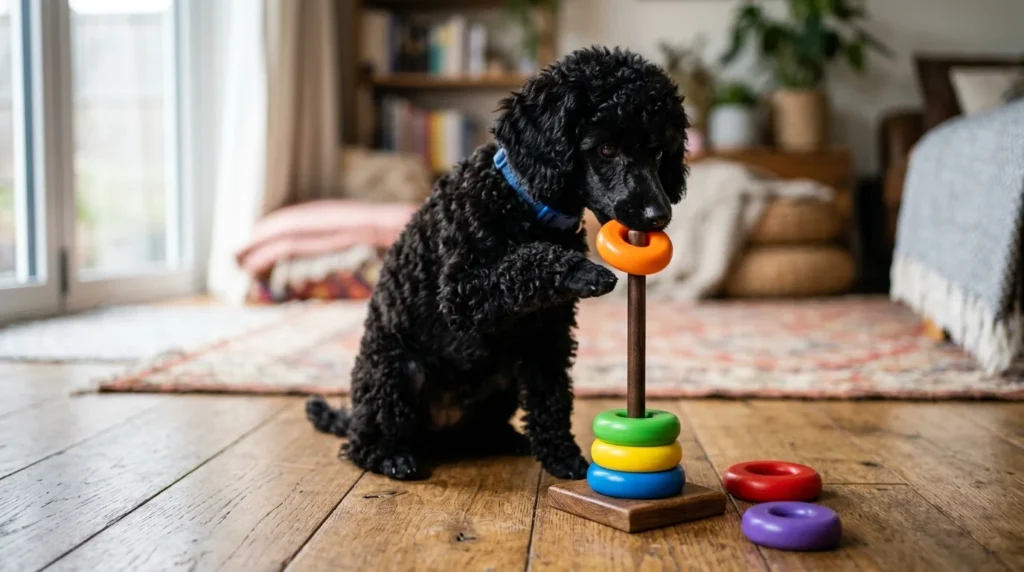
Poodles are consistently ranked as the second most intelligent dog breed in the world, trailing only the Border Collie. This high level of cognitive function means they learn new commands with fewer repetitions than almost any other breed. However, their intelligence is a double-edged sword; while they are highly trainable, they also require constant mental stimulation. A bored Poodle will often find “jobs” for themselves, which might include re-decorating your living room or figure out how to open the “dog-proof” treat cupboard. They excel in obedience, agility, and complex trick training.
3. Hair Growth
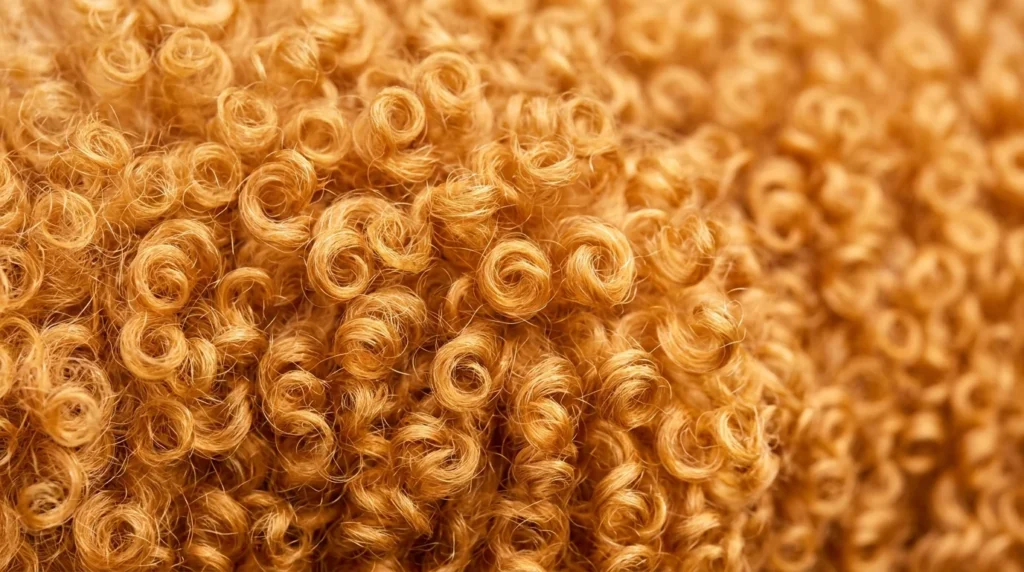
One of the most distinctive features of the Poodle is its coat. Unlike most dogs that have fur which grows to a certain length and then sheds, Poodles have hair. This means their hair continues to grow indefinitely and rarely falls out. While they are often labeled as “hypoallergenic,” no dog is truly allergen-free; however, because they don’t shed dander-laden fur all over the house, they are often a much better choice for allergy sufferers. The trade-off is the maintenance—a Poodle requires professional grooming every 4 to 6 weeks to prevent painful mats and tangles.
4. Size Variety
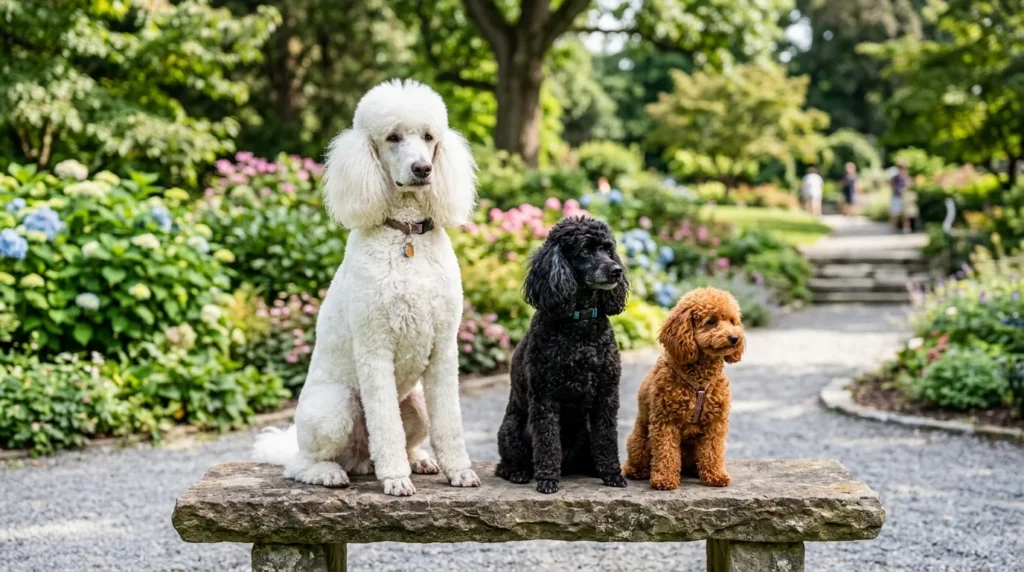
The Poodle is one of the few breeds that comes in three official size varieties recognized by major kennel clubs: Standard, Miniature, and Toy. It is important to note that these are not different breeds, but rather different sizes of the same dog. The Standard is the oldest of the three, with Miniatures and Toys being bred down over centuries to serve as companions and “truffle hunters.” Despite the size difference, all three varieties share the same proportions, high energy levels, and keen intellect.
5. The Cut
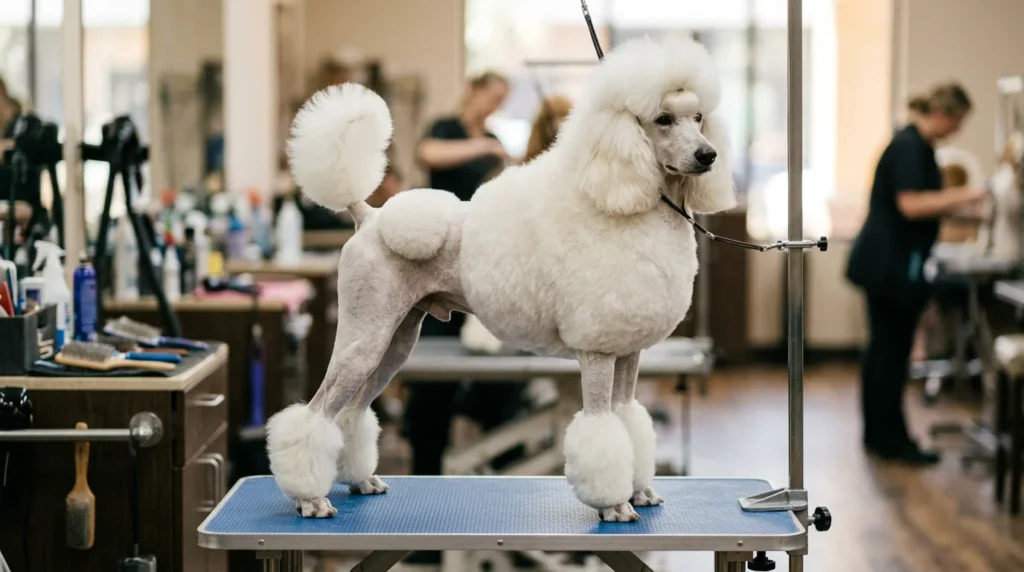
The elaborate “Poodle Clip” wasn’t originally a fashion statement—it was a functional uniform. When Poodles were hunting in cold water, owners wanted to protect their vital organs and joints from the cold. They left the hair long around the chest (the heart and lungs) and the joints (ankles and hips) to provide warmth and buoyancy. Meanwhile, the rest of the body was shaved to reduce drag in the water and prevent the dog from getting snagged on underwater brambles. The “top knot” was often tied with a bright ribbon so the hunter could spot their dog swimming in the distance.
6. Active Lifestyle
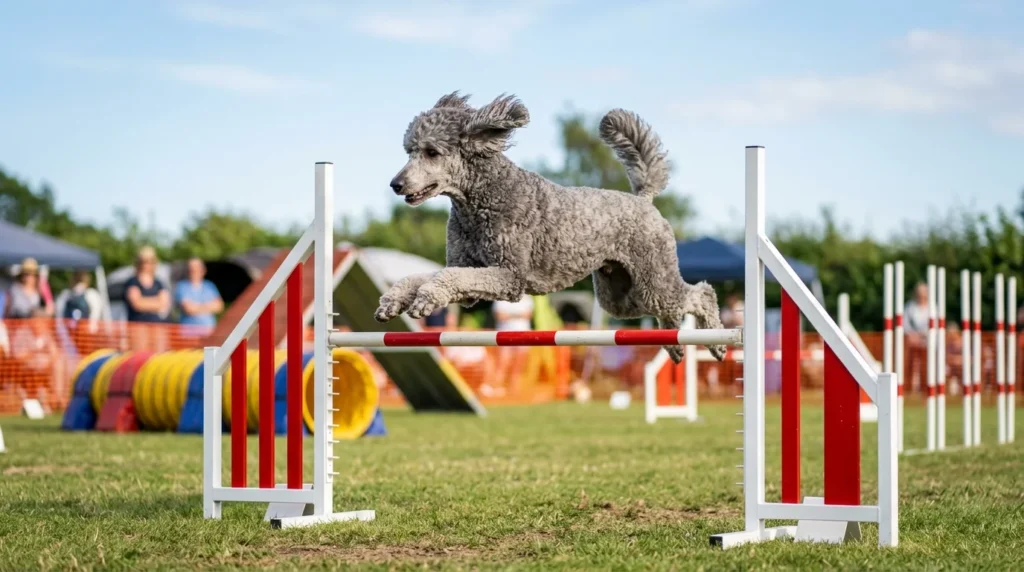
Don’t let the elegant silhouette fool you; Poodles are high-energy athletes. They require significant daily exercise to stay healthy and happy. A simple walk around the block is rarely enough for a Standard Poodle, which thrives on hiking, swimming, and long games of fetch. Miniatures and Toys are equally energetic but can often burn off their “zoomies” in a smaller backyard. Without an outlet for their physical energy, Poodles can become anxious or high-strung. They are the perfect companions for active owners who enjoy the great outdoors.
7. French Connection
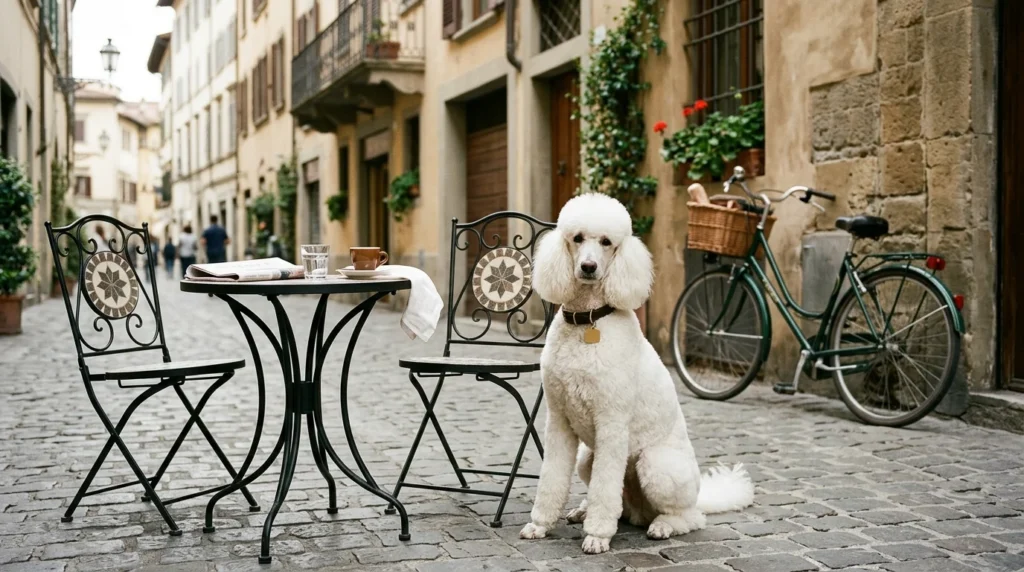
Although they are German by birth, the Poodle became the national dog of France. The French nobility fell in love with the breed’s elegance and intelligence during the 15th and 16th centuries. King Louis XVI was a notable fan of the breed. Over time, the Poodle became synonymous with French culture, evolving from a rugged hunter into a sophisticated companion. This historical shift is why many people mistakenly believe the breed is French, and why the term “French Poodle” is so commonly—though incorrectly—used.
8. Gentle Soul
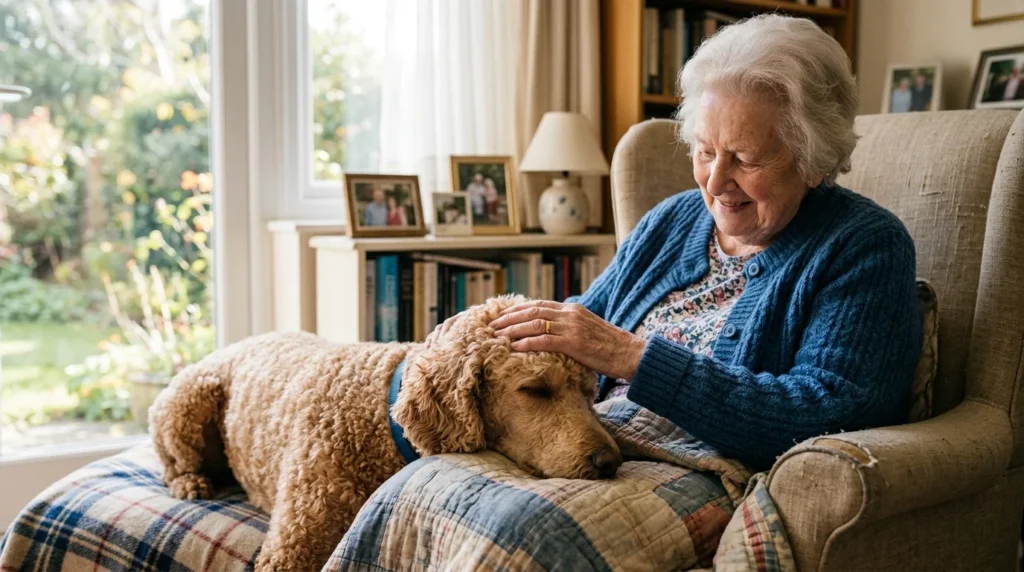
Poodles are incredibly sensitive and are known for their high emotional intelligence. They are very “in tune” with their owners’ moods and can be deeply affected by tension or sadness in the household. This sensitivity makes them excellent service and therapy dogs. They have a remarkable ability to bond with humans and are known for their “human-like” gaze. However, this same sensitivity means they do not respond well to harsh training methods; they thrive on positive reinforcement and a calm, stable environment.
9. Colorful Coats
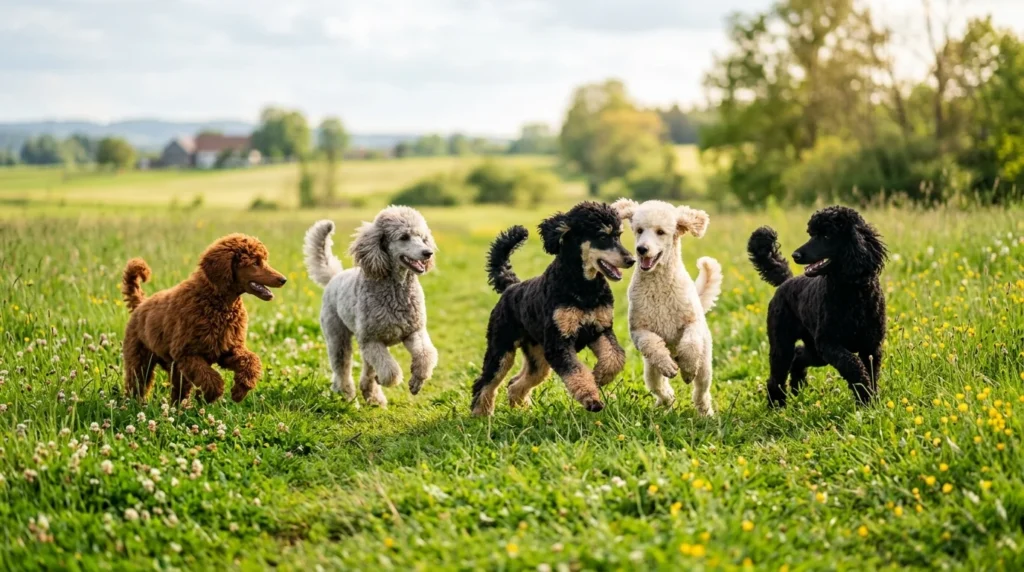
The Poodle palette is incredibly diverse. While many breeds are limited to one or two standard colors, Poodles come in a wide array of solid shades including black, white, apricot, cream, silver, blue, and red. There are also multi-colored Poodles, often referred to as “Parti,” “Phantom,” or “Tuxedo” Poodles. Interestingly, a Poodle’s coat color can change as they age; many puppies are born dark and “clear” to a lighter shade as they reach maturity, a process known as “fading.”
10. Long Life
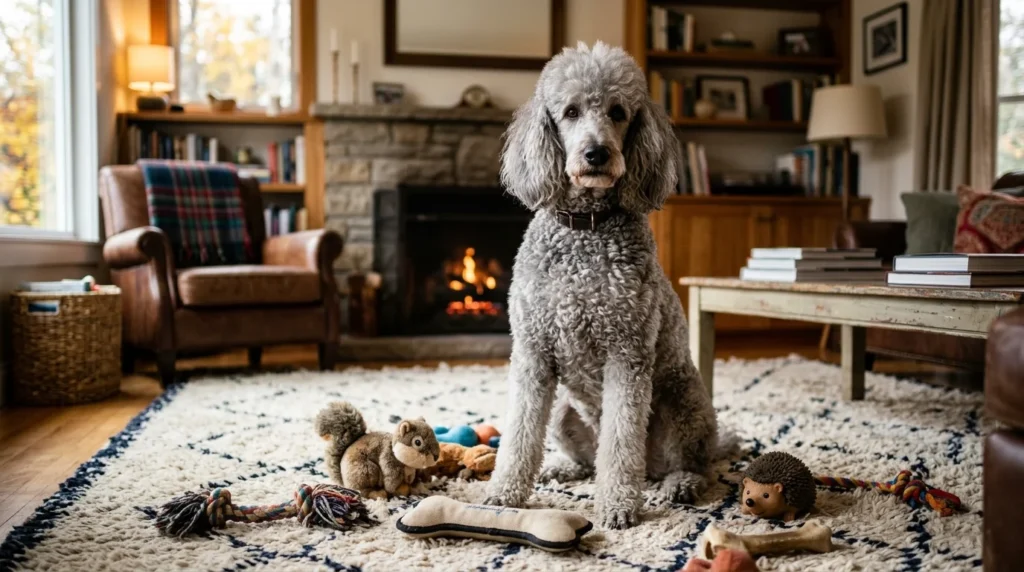
For those looking for a long-term companion, the Poodle is a fantastic choice. They are generally a healthy and long-lived breed compared to other dogs of their size. Standard Poodles typically live between 12 and 15 years, while the smaller Miniature and Toy varieties can often reach 17 or even 18 years of age. While they are prone to certain genetic issues like hip dysplasia or eye problems, responsible breeding and a healthy diet can ensure they remain active well into their senior years. This longevity makes them a rewarding commitment for any dog lover.