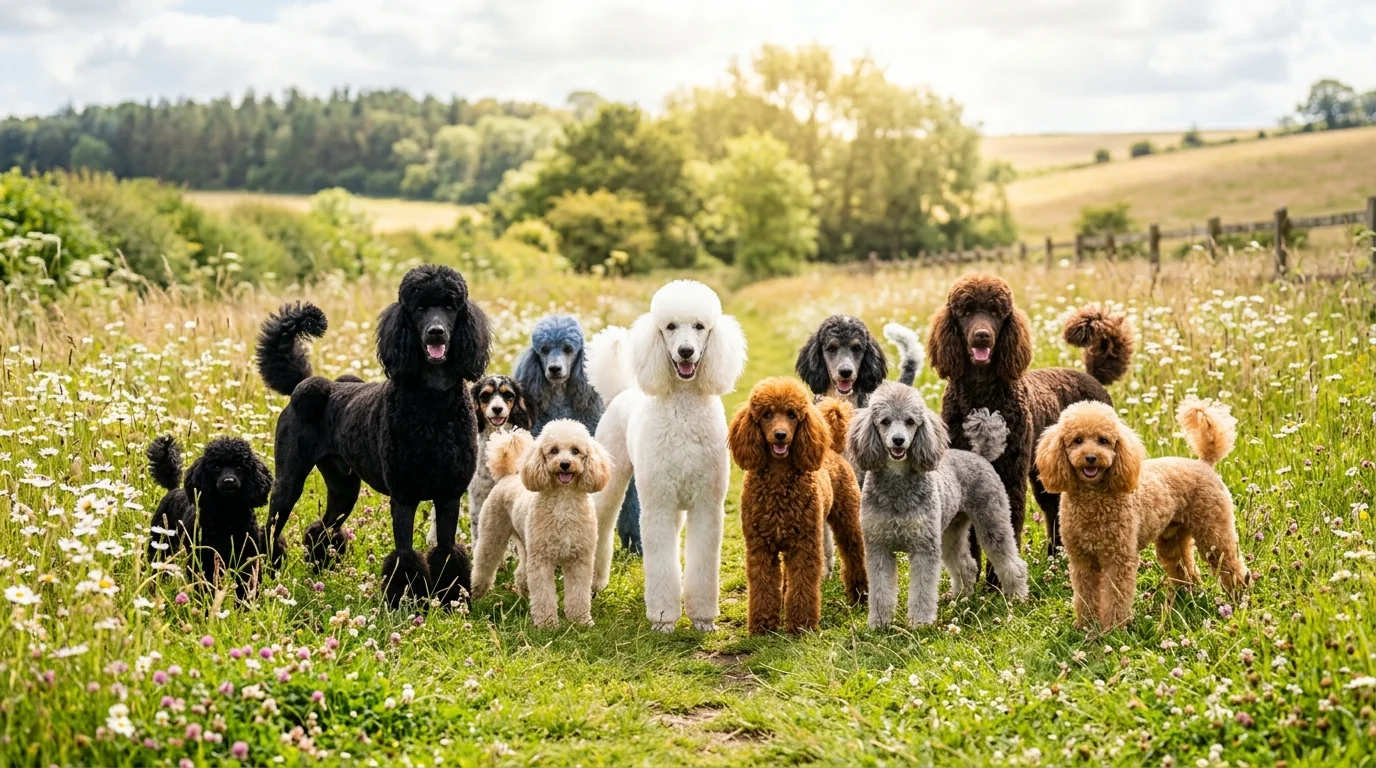
Poodles are widely recognized as one of the most intelligent and versatile dog breeds in the world. While their sharp minds and athletic builds make them favorites for everything from dog shows to service work, it is their stunning array of coat colors that often first captures the heart of a prospective owner. Whether you are looking at a Toy, Miniature, or Standard Poodle, the spectrum of shades available is truly breathtaking.
The genetics of Poodle coloring is a fascinating field, as many Poodles are born one color and “clear” or fade into a completely different shade as they mature. From the classic elegance of a solid black coat to the rare vibrancy of a deep red, each color brings its own unique flair to this regal breed. Here is an in-depth look at 12 gorgeous Poodle colors that showcase the incredible diversity of the breed.
1. Black
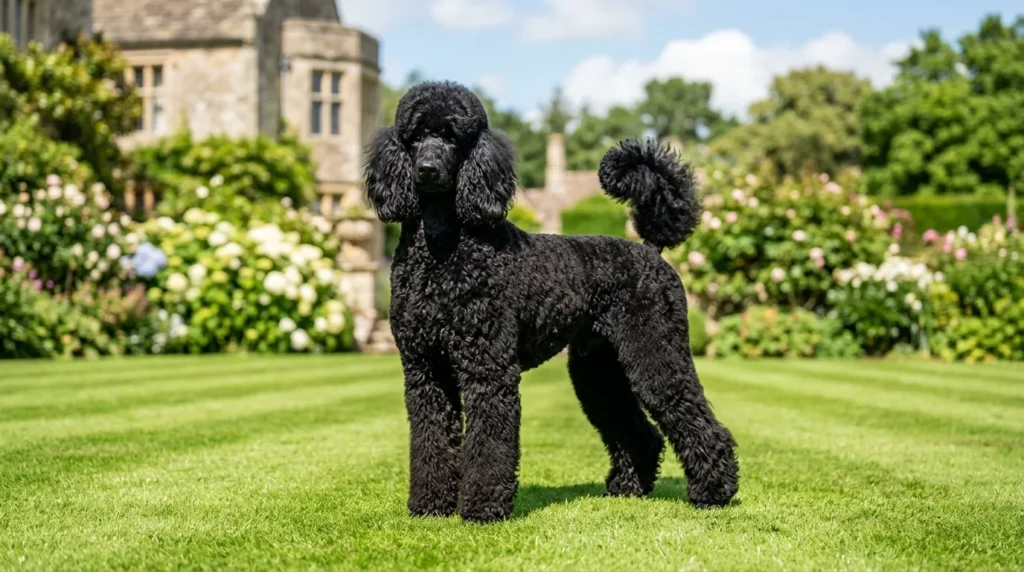
The solid black Poodle is the epitome of classic elegance. A true black Poodle should have a coat that is deep, dark, and consistent, without any hints of blue, silver, or brown. To be considered a “true” black, the skin underneath should have a grayish or bluish cast, and the eyes, nose, and paw pads must be jet black.
One of the most striking things about a black Poodle is the way their coat catches the light. Because the hair is so dark, it often appears to have a metallic luster. Unlike many other colors, a high-quality black Poodle will not fade significantly as it ages, maintaining its dramatic, midnight appearance throughout its life.
2. White
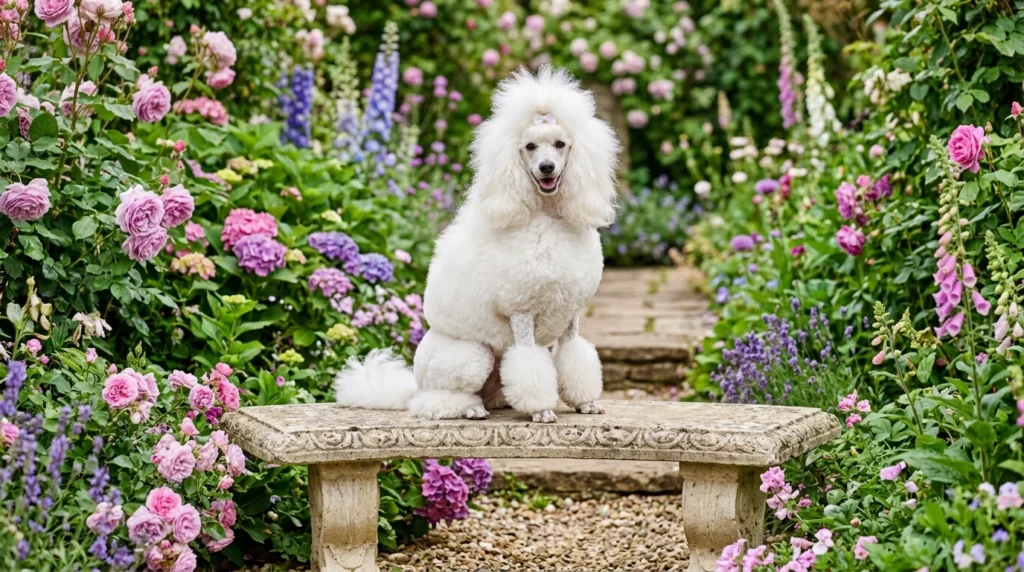
White Poodles are perhaps the most iconic version of the breed, often seen gracing the rings of prestigious dog shows. While they look like fluffy clouds, maintaining that pristine white coat requires a significant amount of grooming and care. Owners must be diligent about cleaning tear stains and preventing the coat from yellowing due to environmental factors.
A true white Poodle should be pure snow-white with no beige or cream shading. Interestingly, many white Poodles are born with a slight lemon or apricot tint on their ears or back, which eventually fades to pure white as they reach adulthood. Their dark eyes and black points (nose and pads) create a stunning contrast against the snowy fur.
3. Apricot
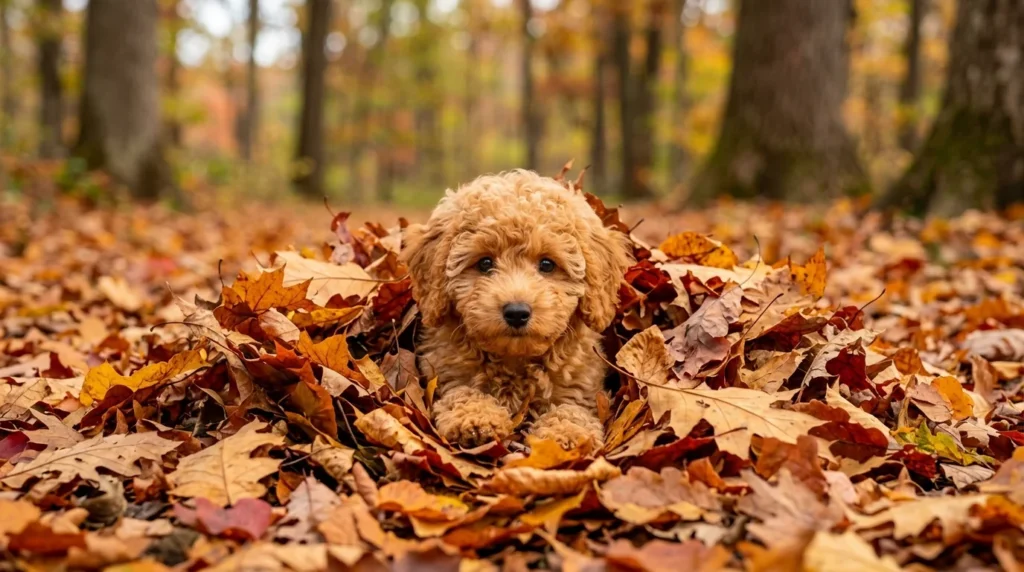
Apricot is a warm, sunny color that sits perfectly between cream and red. It is a relatively modern addition to the Poodle color palette but has quickly become one of the most sought-after shades. Apricot Poodles can range from a light, peachy glow to a deeper, saturated orange-gold.
This color is unique because it often carries a “dilute” gene, meaning the color may lighten as the dog gets older. However, a well-bred apricot Poodle will retain enough pigment to look distinct from a cream. They typically have black points, though some may have “liver” (brown) points, which is less common in show standards but equally beautiful.
4. Red
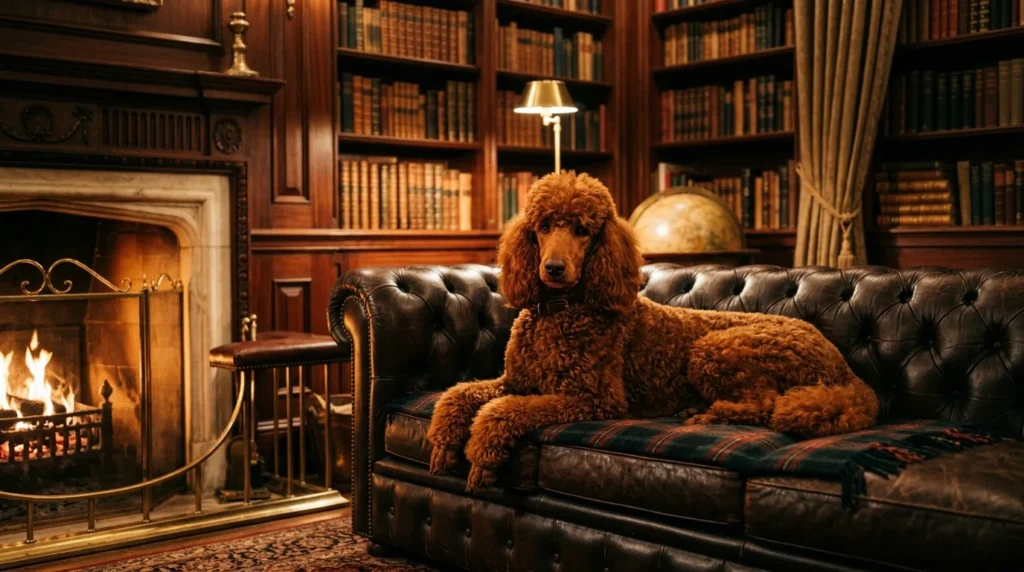
The red Poodle is arguably the most vibrant and striking of all the colors. Developed from the apricot line, true reds are a deep mahogany or cinnamon shade. Because the “red” gene is recessive and relatively rare, these dogs are often in high demand and can be harder to find than the more common colors.
One challenge with red Poodles is that the color is prone to “clearing” or fading over time, often turning into a dark apricot as the dog enters its senior years. To keep the red as vibrant as possible, breeders focus on strong genetic lines. Regardless of the shade, the warmth of a red Poodle’s coat is undeniably captivating.
5. Silver
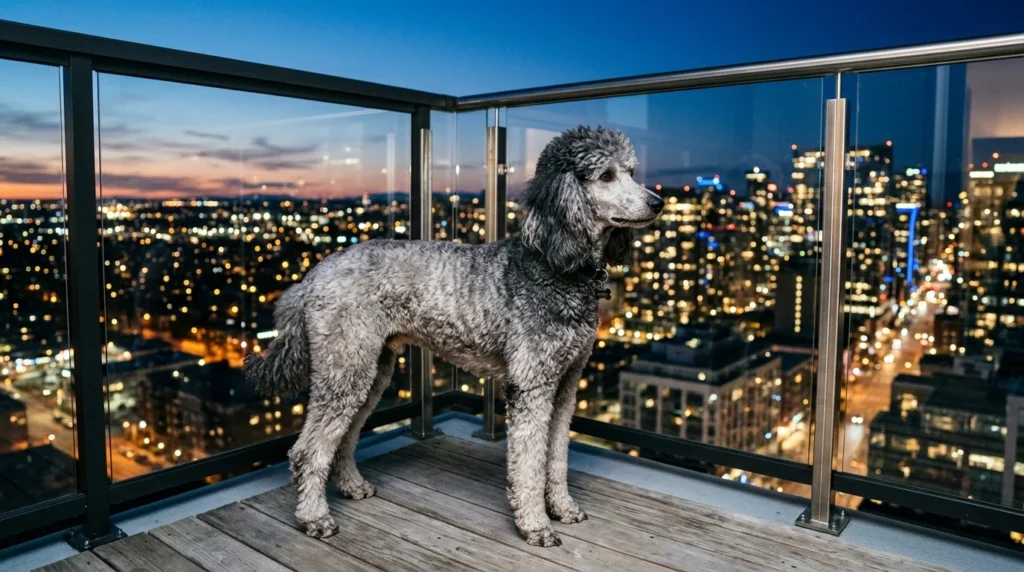
Silver Poodles are born black and undergo a fascinating transformation. This process is called “clearing,” and it usually begins within the first few months of life. By the time a silver Poodle is two years old, its coat has transitioned from midnight black to a beautiful, shimmering shade of gray or platinum.
A well-cleared silver Poodle will have a consistent, even tone across its entire body. The face and paws are usually the first areas to “clear,” revealing the silver underneath while the rest of the body is still dark. This “phantom” phase is a favorite among Poodle enthusiasts who enjoy watching their dog’s appearance evolve.
6. Blue
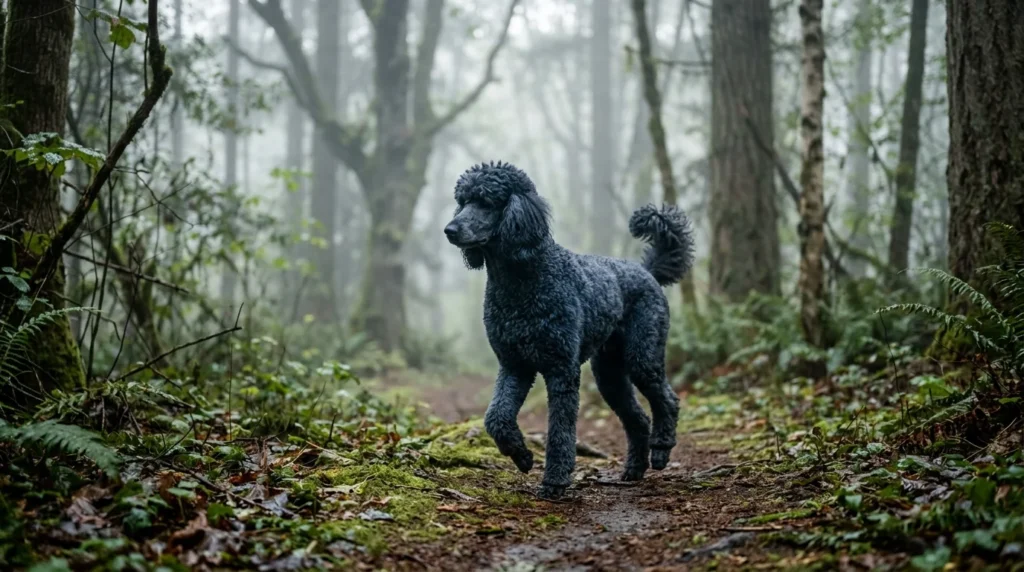
Blue Poodles are often mistaken for black Poodles at first glance. However, upon closer inspection, especially in direct sunlight, the “blue” reveals itself as a deep, smoky charcoal or slate color. Like silvers, blue Poodles are born black, but they clear much more slowly and never reach the light, metallic brightness of a silver.
It can take up to three or four years for a blue Poodle’s coat to fully mature into its final shade. The resulting color is sophisticated and moody, often accompanied by dark brown eyes and black points. It is a subtle, refined color that appeals to those who love the look of a dark dog but want something a bit more unique than standard black.
7. Brown
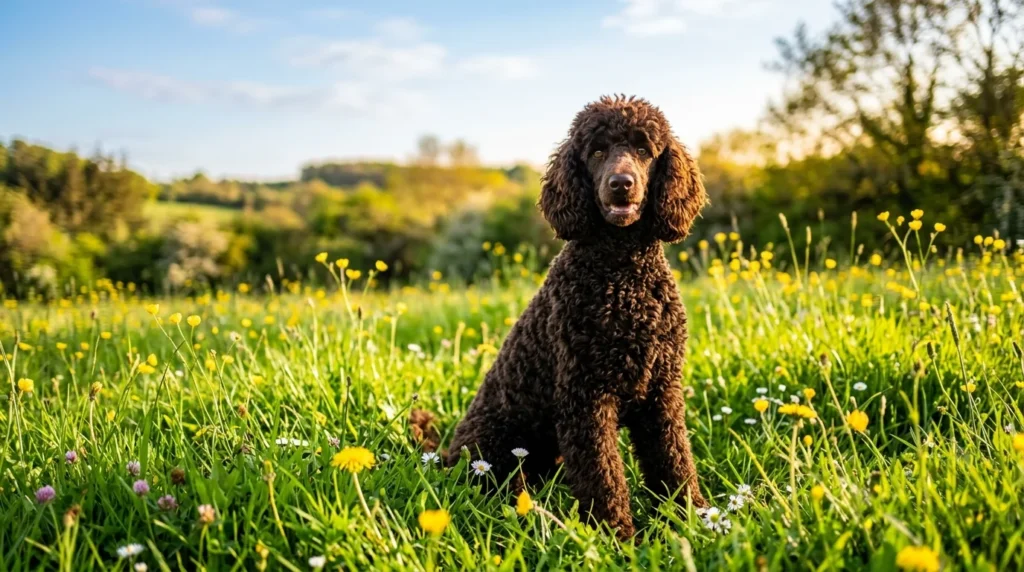
The brown Poodle is a warm, earthy delight. To be classified as a true brown, the dog must have “liver” points—meaning a brown nose, brown paw pads, and dark amber or hazel eyes. They should never have black points, as the brown gene is tied to the absence of black pigment.
Brown Poodles can range from a light cocoa to a deep, dark espresso. While they are prone to some sun-bleaching (where the tips of the hair turn a reddish-brown), a healthy, well-groomed brown coat is exceptionally lush and inviting. They are often described as looking like little teddy bears when kept in a shorter, “puppy cut.”
8. Cream
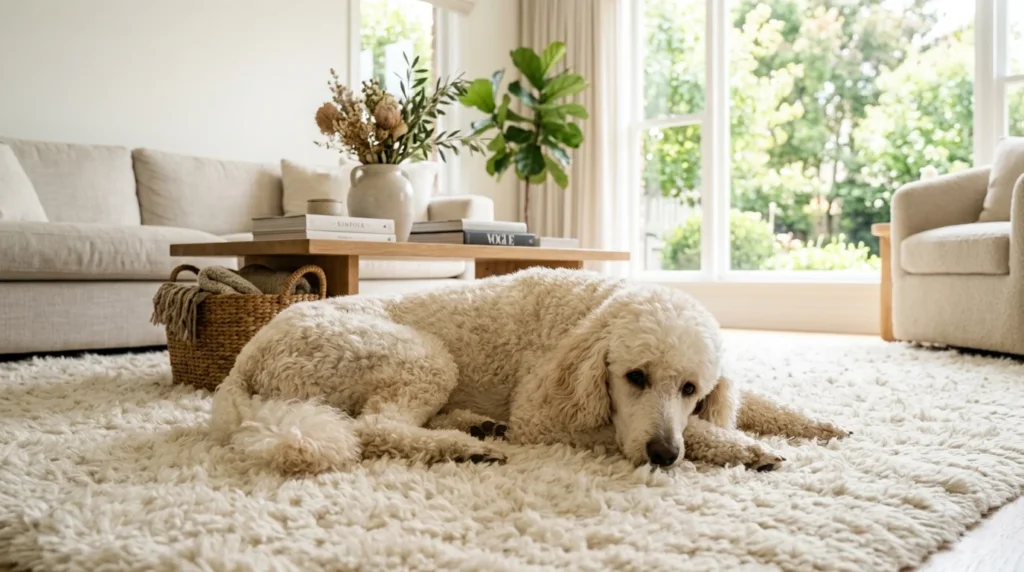
Cream Poodles are often mistaken for white, but they possess a distinct warmth that sets them apart. Think of the color of heavy vanilla cream or a light manila folder. This color is often the result of the apricot gene being heavily diluted.
While many white Poodles have cream-colored ears, a true cream Poodle will have this warm tint consistently across its body. They almost always have black points, which makes their light fur pop even more. The cream color is perfect for owners who want the ethereal look of a white Poodle but with a slightly softer, warmer “glow.”
9. Gray
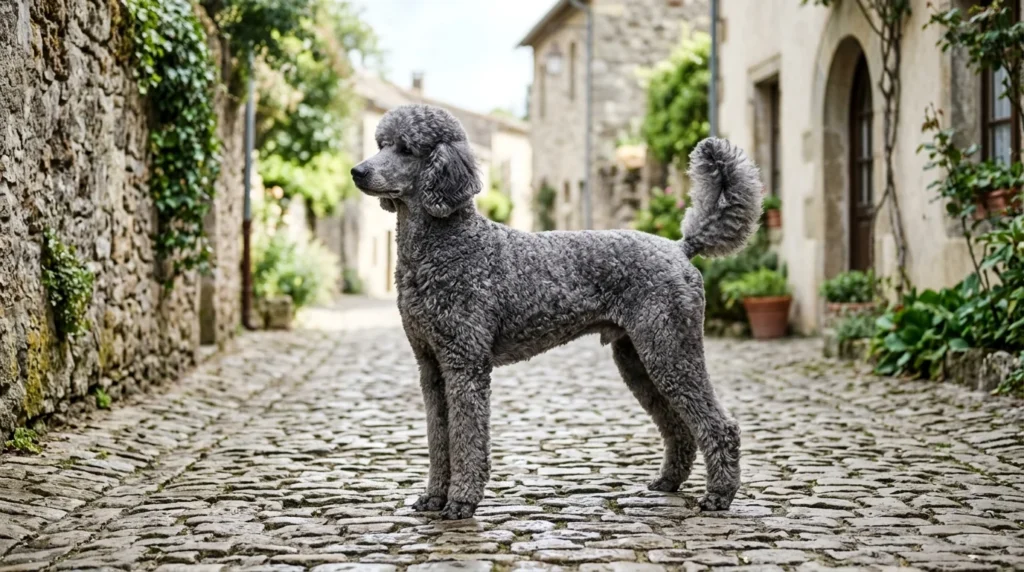
While often confused with silver or blue, “Gray” is sometimes used to describe Poodles that have a solid, non-shimmering coat of a medium-to-dark gray hue. Unlike silvers, which clear to a bright platinum, or blues, which remain very dark, a gray Poodle maintains a steady, stony tone.
This color is often the result of a black Poodle’s coat fading due to the “graying gene” rather than the specific “silver” clearing gene. The result is a dignified, salt-and-pepper look that gives the Poodle a very distinguished and mature appearance, regardless of their actual age.
10. Silver Beige
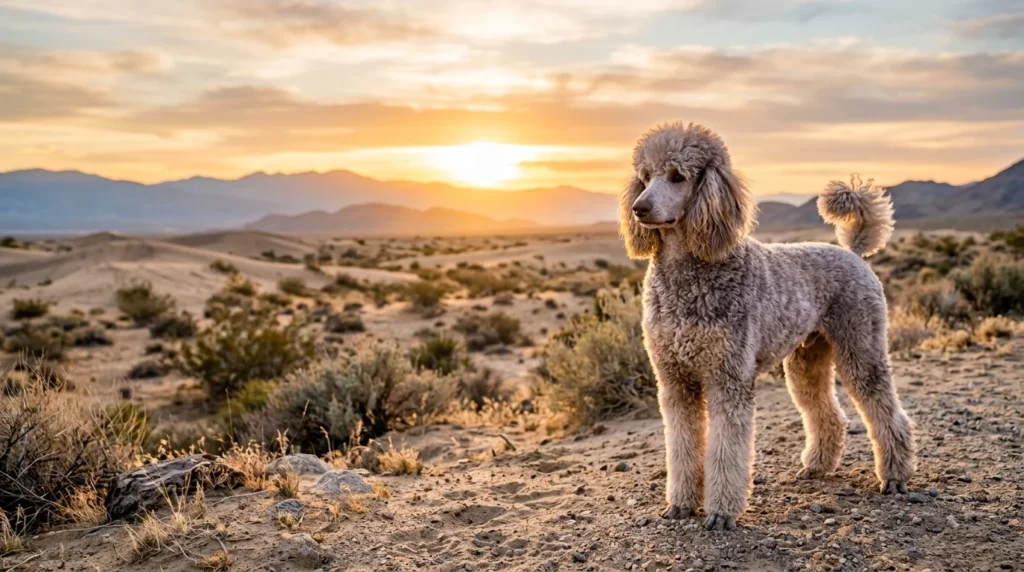
Silver Beige is one of the most unusual and ethereal colors in the Poodle world. Like the silver Poodle, a silver beige is born a different color—in this case, brown. Over the first two years of its life, the deep brown clears into a dilute, silvery-tan color that often has a subtle lavender or mauve undertone.
To be a true silver beige, the dog must have liver points (brown nose and pads), as they are genetically brown dogs that have cleared. The resulting color is difficult to describe but impossible to forget—it is a shimmering, multi-dimensional shade that looks different depending on the lighting.
11. Café au Lait
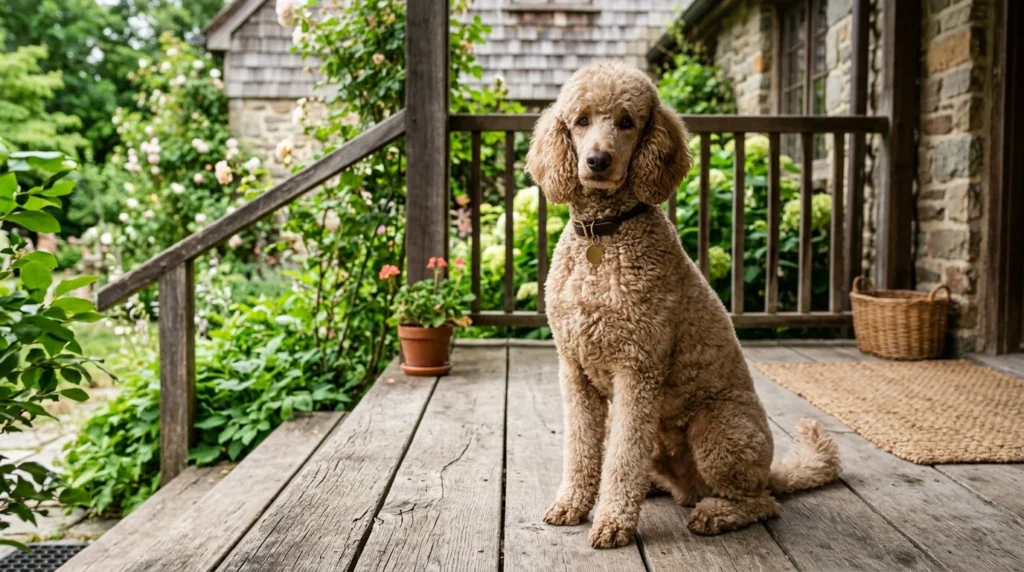
The name says it all: Café au Lait translates to “coffee with milk,” and that is exactly what this Poodle looks like. It is a light, creamy brown that is darker than silver beige but lighter than a standard brown. Unlike silver beige, which has a distinct silvery sheen, Café au Lait is a flatter, more solid tan-brown.
These Poodles are also born brown and clear into their final shade as they age. They must have liver points and amber eyes to meet breed standards. It is a cozy, inviting color that feels as warm and comforting as the beverage it was named after.
12. Parti
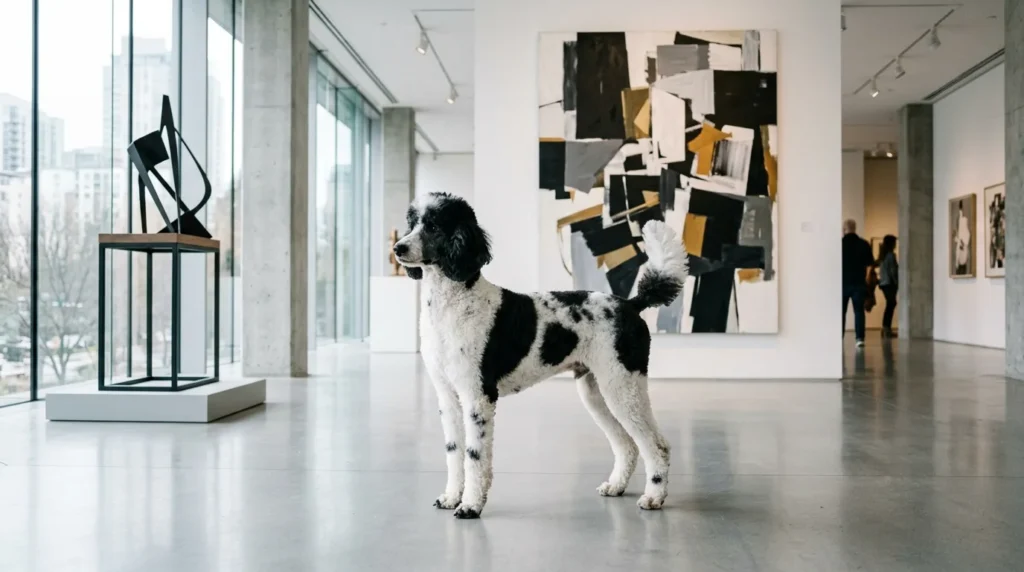
While solid colors are the standard for the show ring, the “Parti” Poodle is a beloved favorite for those who want a dog that stands out. A Parti Poodle is at least 50% white, with patches of any other solid color—most commonly black, brown, or red.
The patterns on a Parti Poodle are entirely unique to each dog, much like a fingerprint. You might see a “Tuxedo” pattern, where the dog has a white chest and belly with a dark “jacket,” or a more random “cow” spotting. This bi-color look highlights the Poodle’s fun, whimsical personality and makes them an instant conversation starter wherever they go.