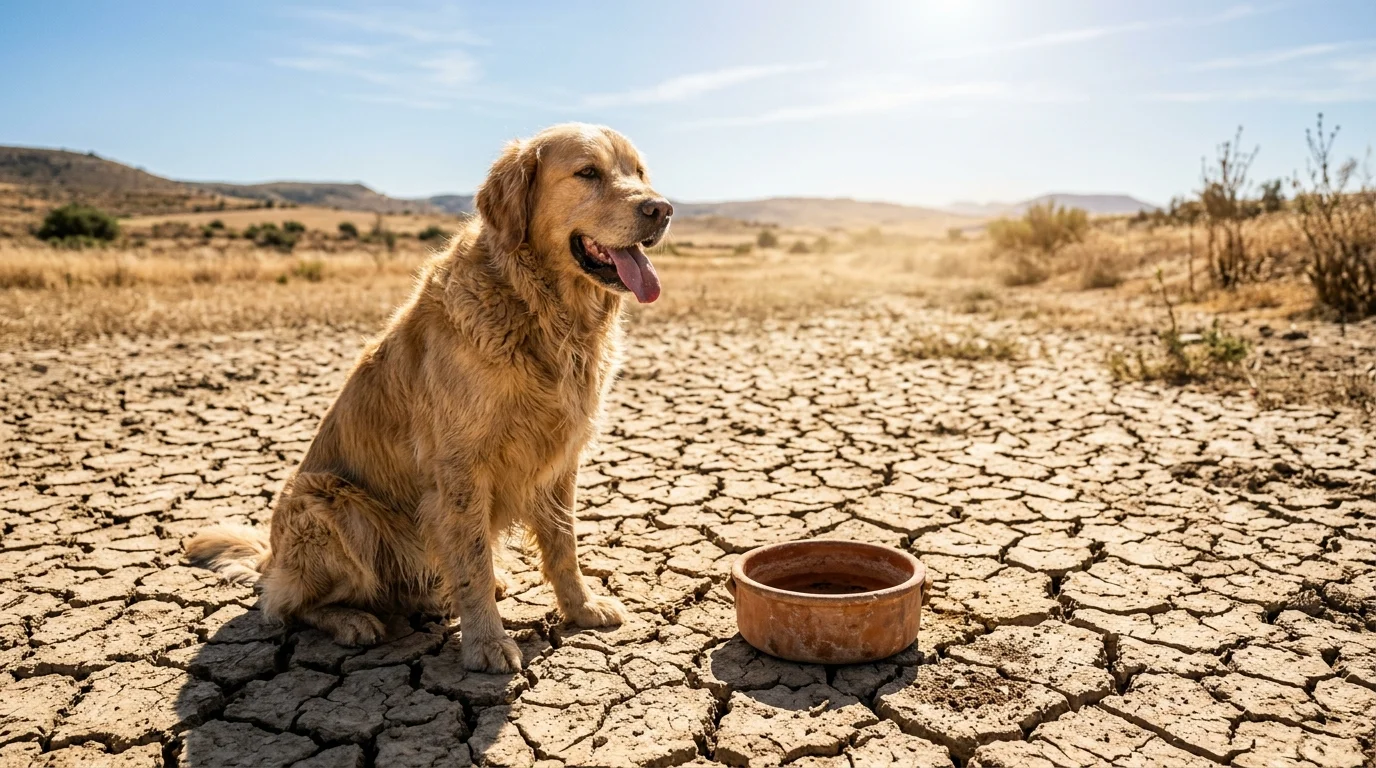
11 Dog Dehydration Signs You Should Never Ignore
Water is the essence of life, and for our canine companions, it is the fuel that keeps every biological engine running. From regulating body temperature to aiding digestion and lubricating joints, hydration is non-negotiable. However, because dogs cannot tell us when they are feeling parched, it is up to us as responsible pet owners to recognize the subtle—and sometimes overt—red flags of dehydration.
Dehydration occurs when a dog loses more fluid than they are taking in. This isn’t just about being thirsty; it involves a critical loss of electrolytes like sodium, potassium, and chloride, which are essential for nerve and muscle function. Left unchecked, dehydration can lead to kidney failure, unconsciousness, and in extreme cases, death.
Here are 11 critical signs of dog dehydration that you should never ignore.
1. Skin Elasticity
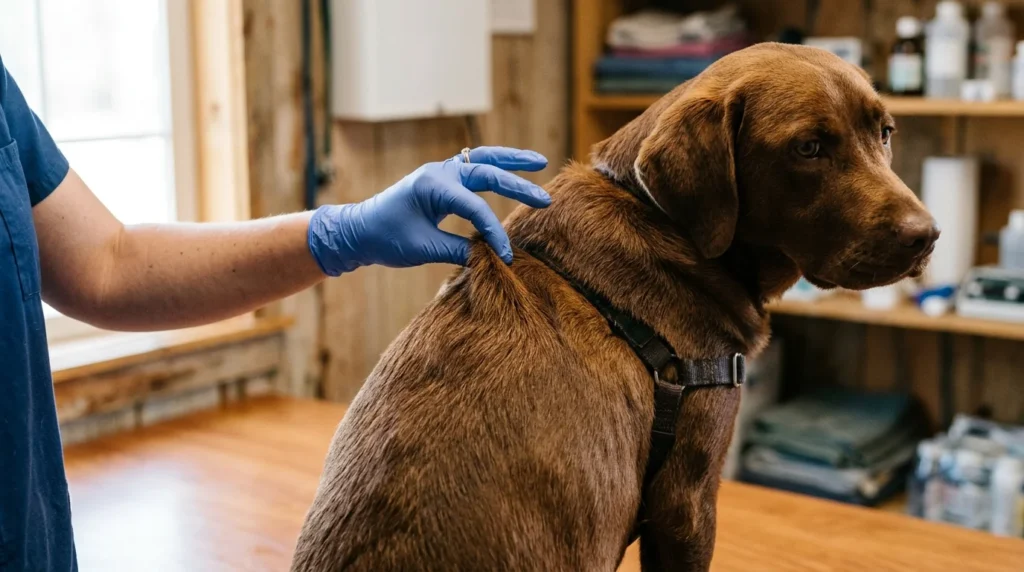
One of the most reliable ways to check for dehydration is the “skin tent” test. In a healthy, well-hydrated dog, the skin is elastic. When you gently pinch the skin between their shoulder blades and pull it upward, it should snap back into place instantly.
If your dog is dehydrated, the skin loses its moisture and elasticity. When pinched, it will move back slowly or, in severe cases, remain in a “tent” shape. This is a clear indicator that the subcutaneous tissues are lacking the fluid necessary to maintain structural integrity.
2. Dry Gums
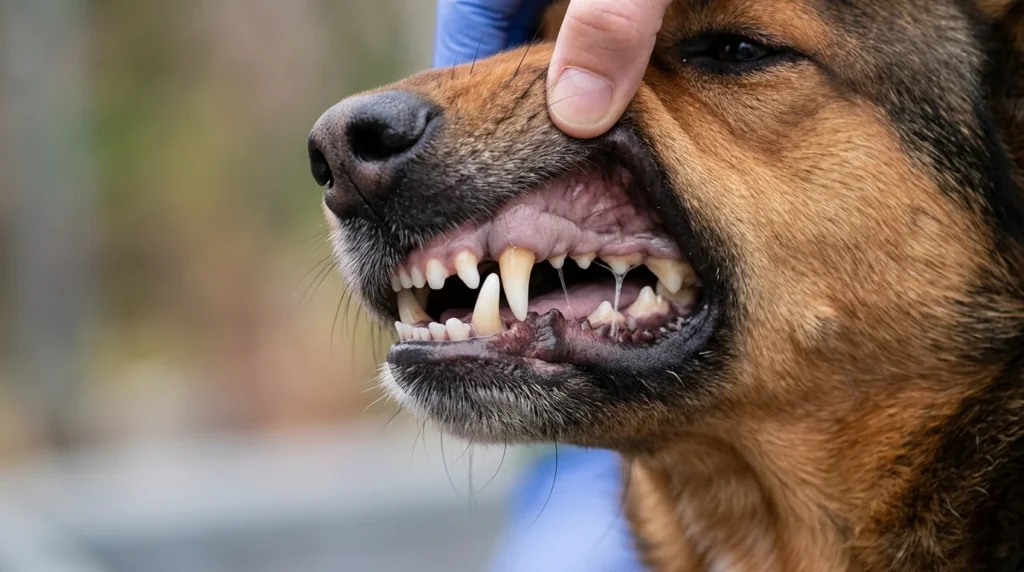
A healthy dog’s mouth should be moist and slippery. If you lift your dog’s lip and feel their gums, they should feel wet to the touch, similar to your own. If the gums feel “tacky,” sticky, or bone-dry, your dog is likely in the early to middle stages of dehydration.
Dry gums occur because the body begins to conserve moisture for vital organs, pulling fluid away from the mucous membranes. This is often accompanied by a change in gum color; instead of a healthy bubblegum pink, they may appear dull or dark red.
3. Lethargy
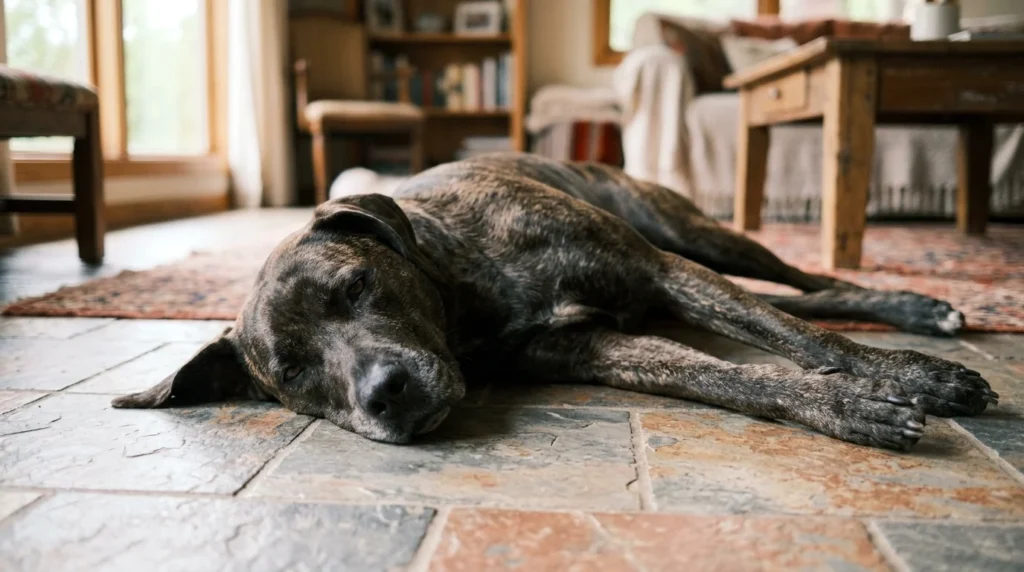
While dogs love a good nap, there is a distinct difference between a sleepy dog and a lethargic one. If your usually energetic pup is suddenly reluctant to go for a walk, play with their favorite toy, or even get up to greet you at the door, take notice.
Dehydration causes a drop in blood volume, which means the heart has to work harder to pump oxygen to the muscles and brain. This physical strain manifests as extreme fatigue and a general lack of enthusiasm. If your dog seems “flat” or unusually sluggish, they may be suffering from fluid loss.
4. Sunken Eyes
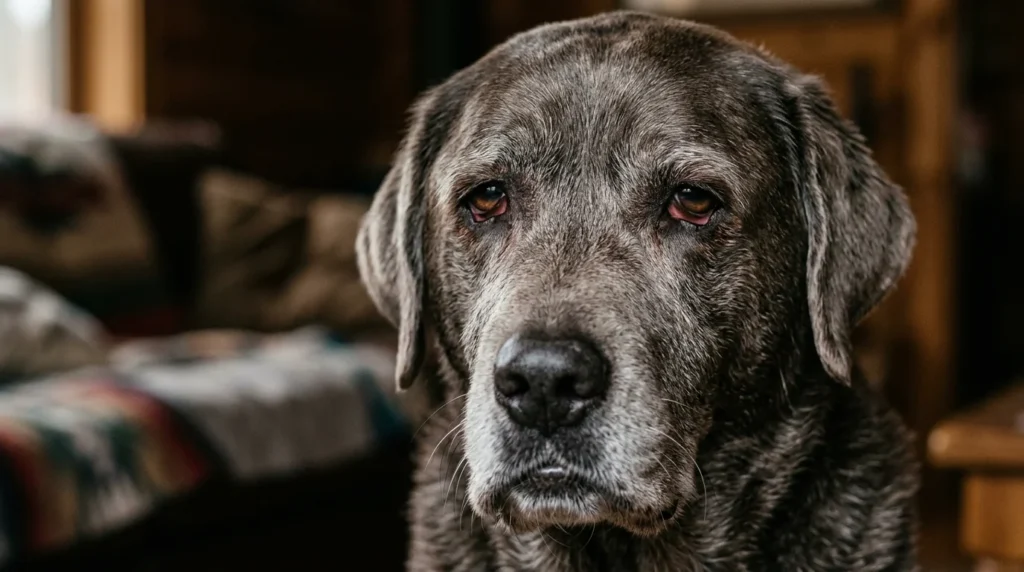
As dehydration progresses, the fluid cushions behind the eyes begin to dissipate. This causes the eyes to settle deeper into the sockets, giving them a “sunken” or hollow appearance.
This is a sign of moderate to severe dehydration and requires immediate attention. You may also notice that the eyes look dull or lack their usual sparkle. In some cases, the third eyelid may even become visible as the eye recedes.
5. Excessive Panting
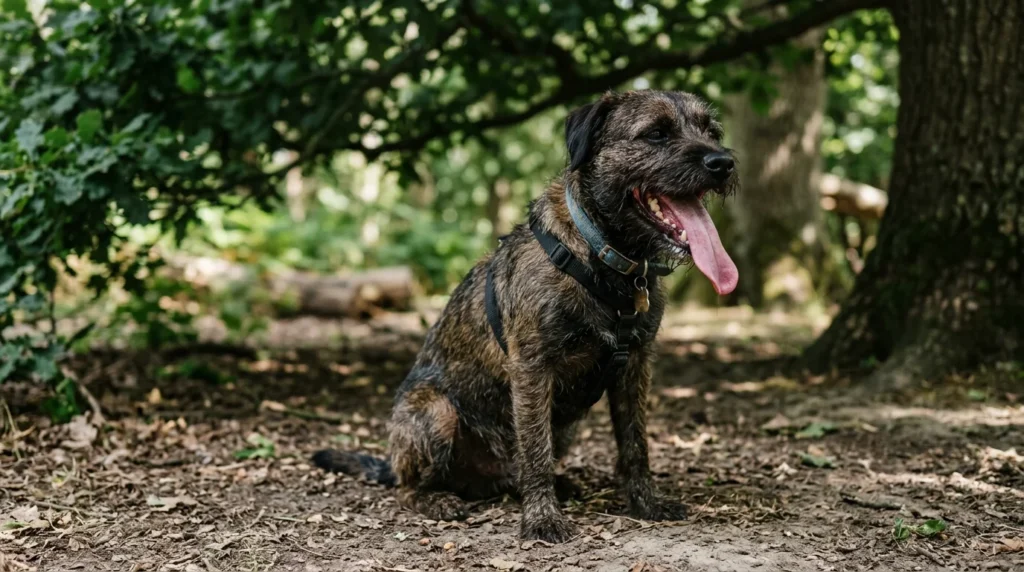
Dogs don’t sweat through their skin like humans do; they rely on panting to cool down. While panting is normal after exercise, excessive or frantic panting without a clear cause is a major warning sign.
When a dog is dehydrated, they lose the ability to regulate their internal temperature effectively. If they are panting heavily while resting or in a cool environment, it’s a sign that their body is struggling to maintain homeostasis. This is often a precursor to heatstroke, which is a medical emergency.
6. Dry Nose
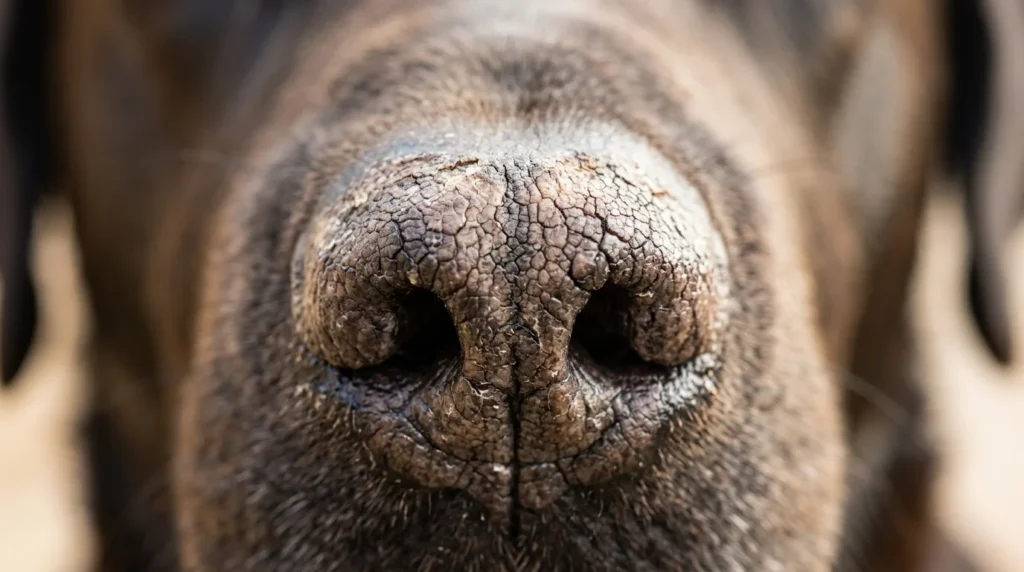
The “cold, wet nose” is a hallmark of canine health. While a dry nose doesn’t always mean a dog is sick (some dogs have naturally drier noses after waking up), a chronically dry or crusty nose is a common symptom of dehydration.
A moist nose helps a dog’s sense of smell by trapping scent particles. When the body is low on fluids, the moisture on the nose is one of the first things to evaporate. If the nose looks parched or the skin on the snout is flaking, it’s time to check their water bowl.
7. Thick Saliva
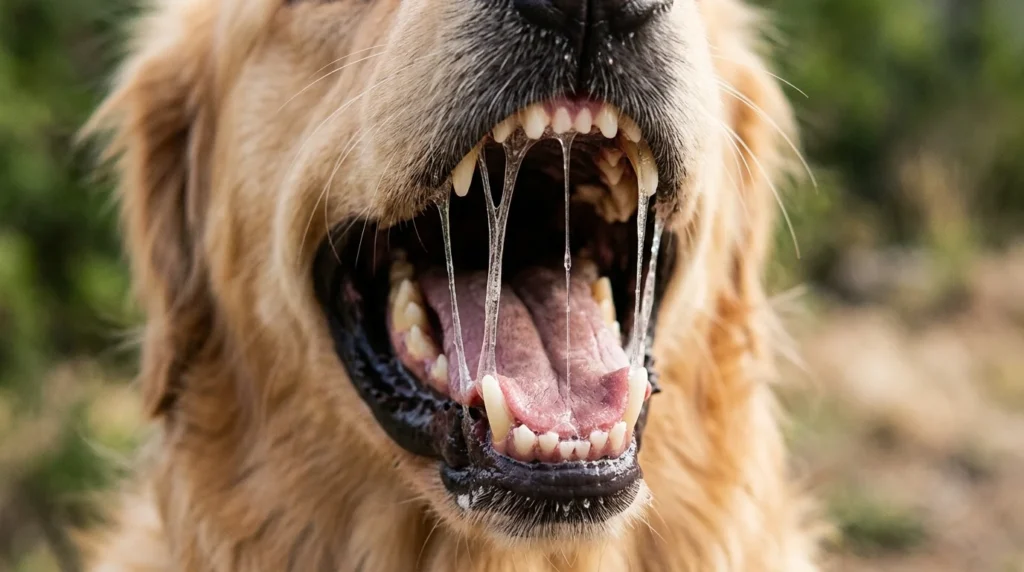
Pay attention to the consistency of your dog’s drool. Healthy saliva is thin and watery. When a dog becomes dehydrated, their saliva becomes concentrated and viscous.
You might notice thick, “ropey” strands of spit hanging from their jowls, or they may seem to be smacking their lips frequently as if trying to clear their mouth. This happens because the water content in the saliva has been drastically reduced, leaving behind a sticky protein residue.
8. Slow Capillary Refill
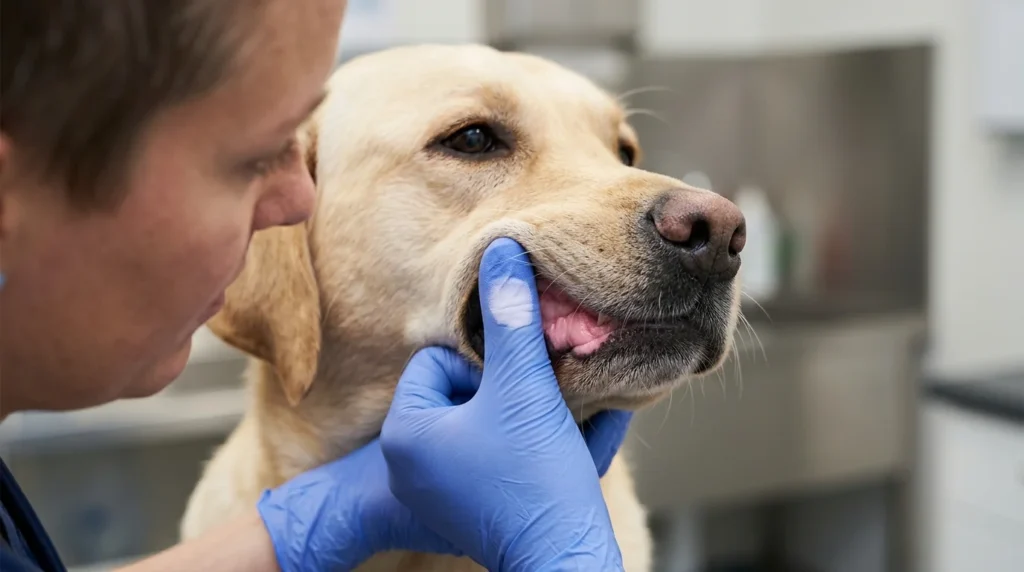
The Capillary Refill Time (CRT) is a professional trick used by vets to check circulation and hydration. Press your finger firmly against your dog’s gum until the spot turns white, then let go.
In a hydrated dog, the blood should rush back to the spot, turning it pink again in less than two seconds. If it takes longer than two seconds for the color to return, it indicates that the blood volume is low and the circulation is sluggish—both classic symptoms of dehydration.
9. Loss of Appetite
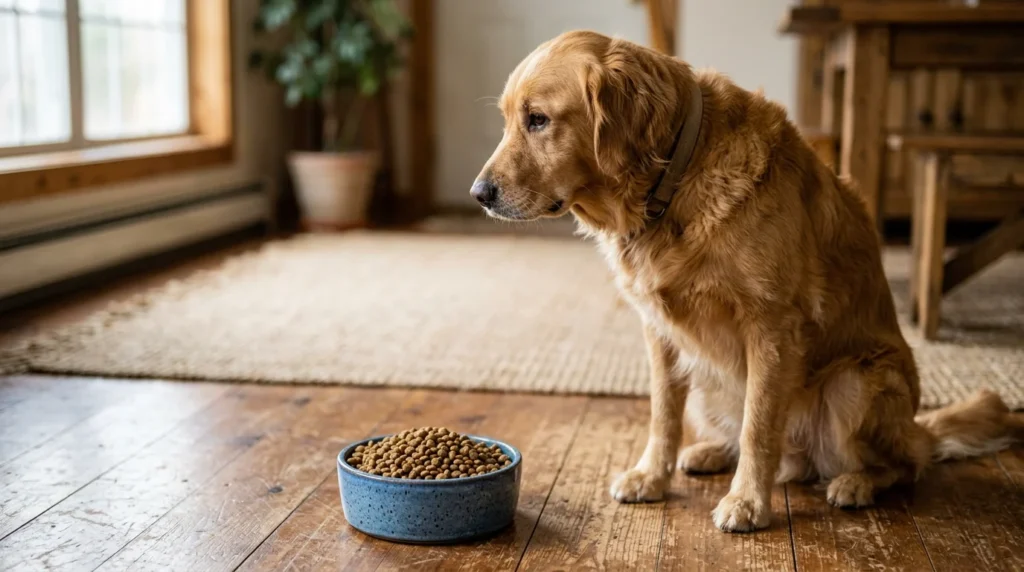
Dehydration often leads to nausea and a general feeling of malaise, which can cause a dog to lose interest in food. Furthermore, the act of eating and digesting dry kibble requires a significant amount of internal moisture.
If your dog is skipping meals and showing other signs on this list, it’s a red flag. A dog that refuses both food and water is in a precarious position and should be evaluated by a veterinarian as soon as possible.
10. Vomiting and Diarrhea
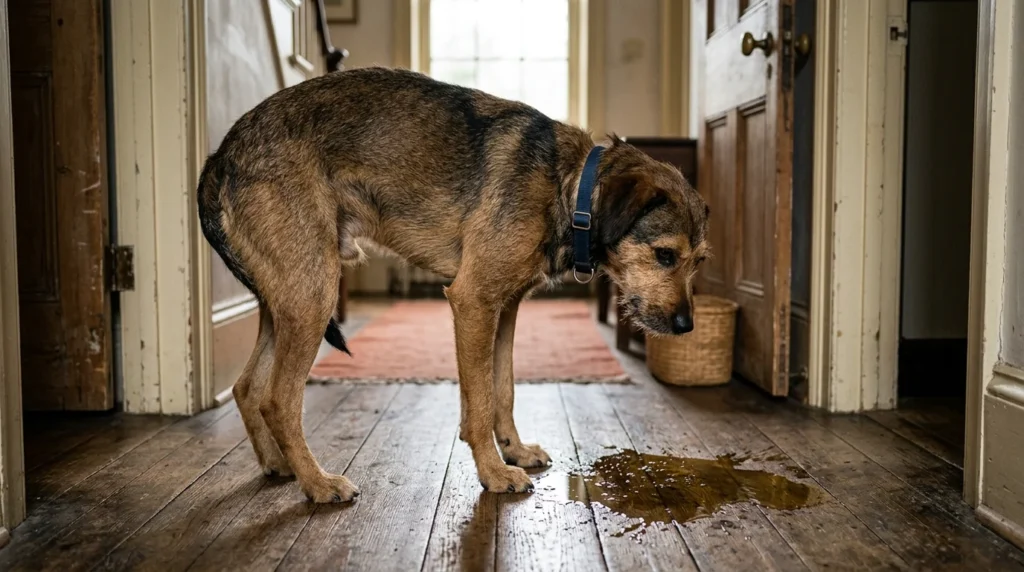
Ironically, the conditions that cause dehydration are often the same ones that make it worse. Vomiting and diarrhea are leading causes of rapid fluid loss in dogs.
If your dog has an upset stomach, they are losing water and electrolytes at an accelerated rate. This creates a dangerous cycle: they lose fluid through illness, and because they feel sick, they refuse to drink more water to replace what was lost. If these symptoms persist for more than 24 hours, dehydration is almost a certainty.
11. Reduced Urination
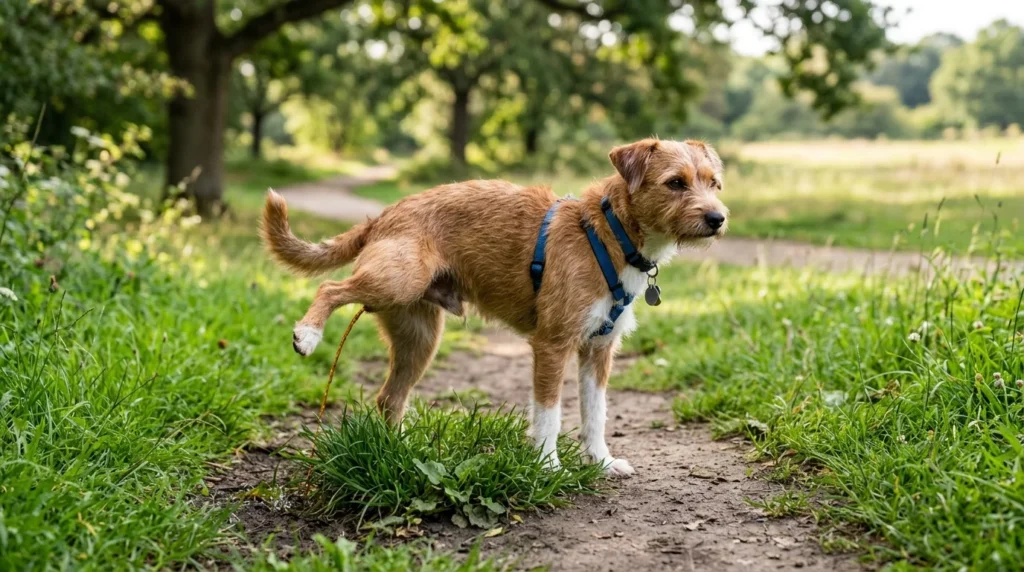
Monitoring your dog’s bathroom habits is essential. A well-hydrated dog will urinate several times a day, and the urine should be a light yellow color.
If your dog is going long periods without urinating, or if the urine they do produce is very dark, concentrated, or has a strong odor, their kidneys are trying to conserve every drop of water they can. This is a clear sign that the body is in “survival mode” due to a lack of hydration.
How to Prevent Dehydration
Prevention is always better than cure. To keep your dog hydrated:
- Always provide fresh water: Ensure their bowl is clean and filled with cool water at all times.
- Monitor water intake: Take note of how much your dog typically drinks so you can spot changes.
- Carry water on walks: Especially in summer, bring a portable bowl and water bottle.
- Add moisture to food: If your dog is a poor drinker, consider adding a little water or low-sodium broth to their kibble.
If you suspect your dog is severely dehydrated, do not wait. While small sips of water or unflavored Pedialyte can help mild cases, severe dehydration requires intravenous (IV) fluids administered by a veterinarian to safely and effectively restore the body’s balance.


