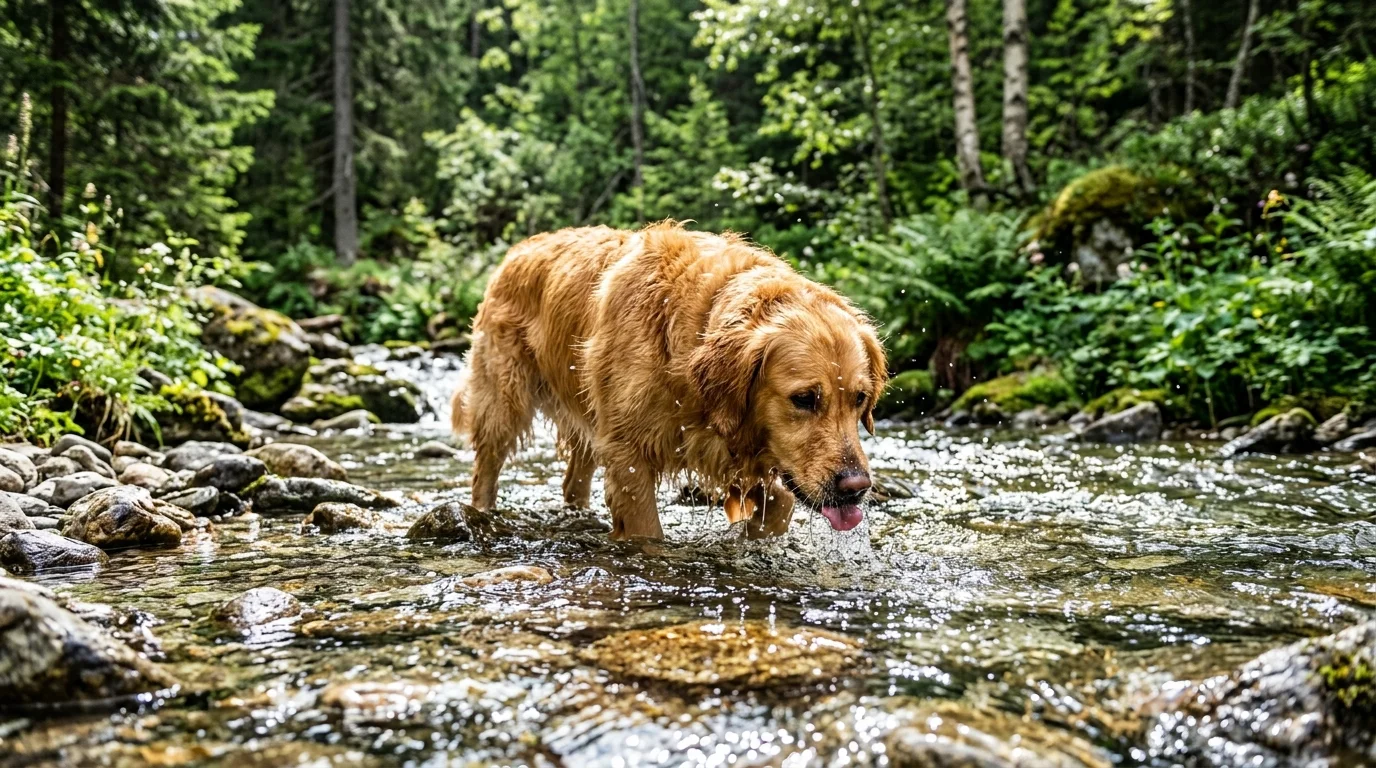
10 Water Facts Every Dog Owner Needs to Know
Water is the most essential nutrient for your dog, yet it is often the most overlooked. While we focus heavily on the quality of their kibble or the durability of their chew toys, the liquid in their bowl plays a starring role in every biological process within their bodies. From regulating temperature to flushing out toxins, H2O is the engine that keeps your canine companion running. However, hydration isn’t just about keeping the bowl full; there are nuances to safety, quantity, and quality that every responsible owner should master. Here are ten critical water facts that will change the way you look at your dog’s hydration.
1. Intake
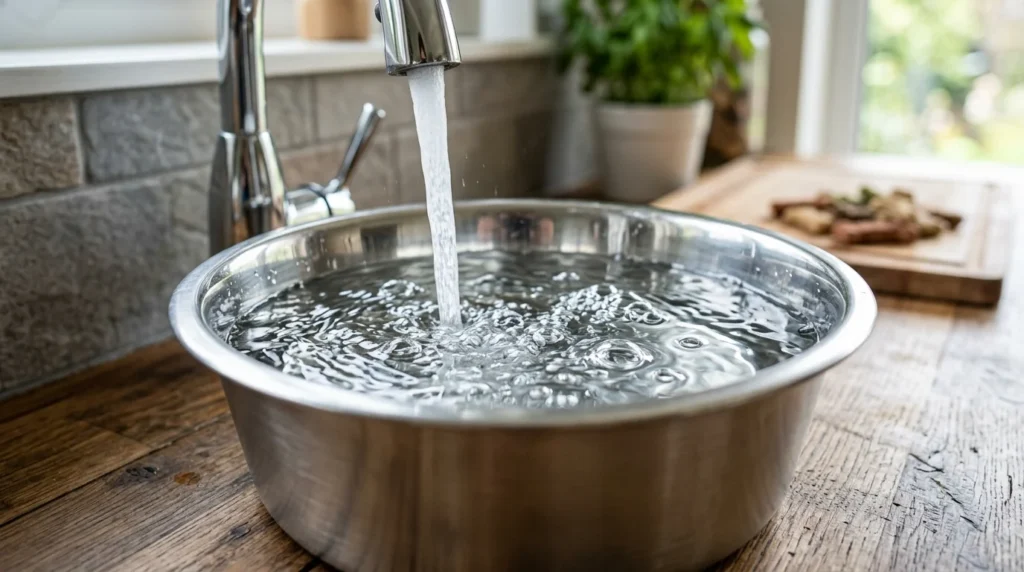
The general rule of thumb for canine hydration is that a healthy dog should drink approximately one ounce of water per pound of body weight every single day. This means a 50-pound Labrador needs about 50 ounces of water—roughly six cups—just to maintain basic bodily functions. However, this isn’t a “one size fits all” calculation.
Factors such as activity level, environmental temperature, and diet play a massive role. If your dog eats dry kibble, which contains only about 10% moisture, they will naturally need to drink more from the bowl. Conversely, dogs on a raw or canned food diet may drink significantly less because their food is roughly 70-80% water. Keep a mental tally of how often you refill the bowl to ensure your dog is hitting their baseline.
2. Dehydration
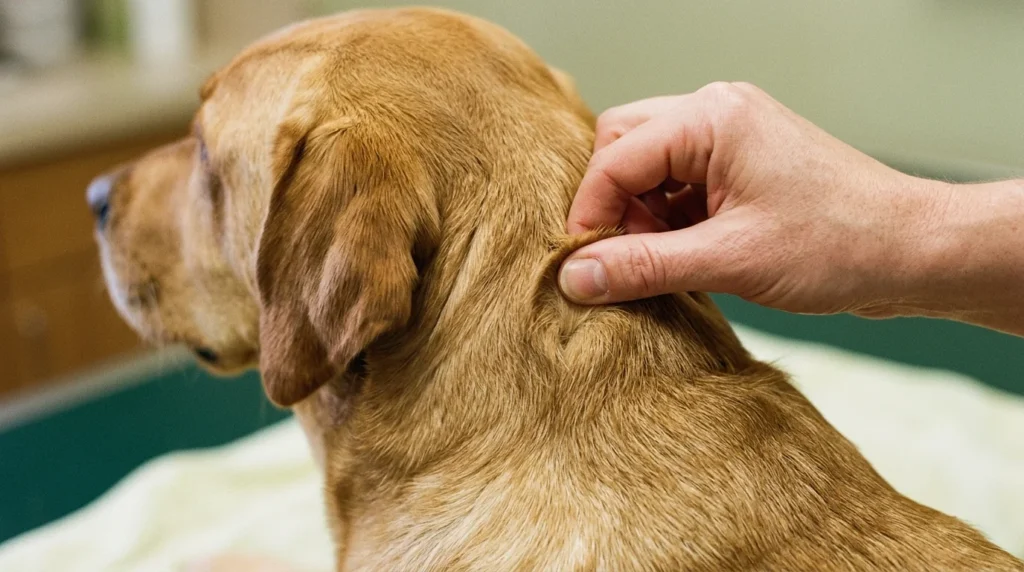
Dehydration in dogs can escalate from a minor issue to a life-threatening emergency with startling speed. Because dogs don’t sweat through their skin like humans do, they rely on panting and paws to release heat, both of which require significant moisture. One of the easiest ways to check for dehydration is the “scruff test.” Gently pinch the skin between your dog’s shoulder blades and let it go. In a hydrated dog, the skin snaps back instantly. In a dehydrated dog, it will remain “tented” for several seconds.
Other signs include dry, sticky gums (rather than wet and slippery), sunken eyes, and a noticeable loss of energy. If your dog is lethargic and their nose is dry and warm, it’s time to offer water and consult a veterinarian immediately. Chronic low-level dehydration can lead to kidney stones and organ failure over time.
3. Toxicity
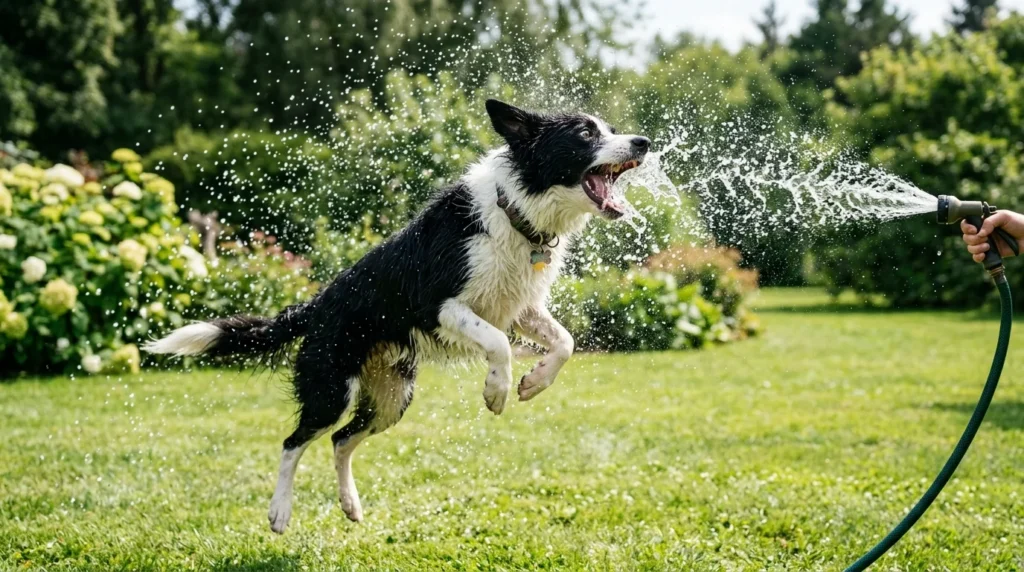
While we often worry about dogs not drinking enough, drinking too much water—and too quickly—can lead to a condition known as Hyponatremia, or water intoxication. This occurs when an excessive amount of water enters the system, diluting the sodium levels in the blood and causing cells to swell.
This condition is most common in dogs that play obsessively with garden hoses, sprinklers, or spend hours fetching toys from a pool or lake. As they bite at the water, they inadvertently swallow massive quantities. Symptoms include staggering, bloating, vomiting, and in severe cases, seizures or coma. If you have a “water-obsessed” dog, it is vital to monitor their playtime and provide frequent breaks to prevent their system from being overwhelmed.
4. Biofilm
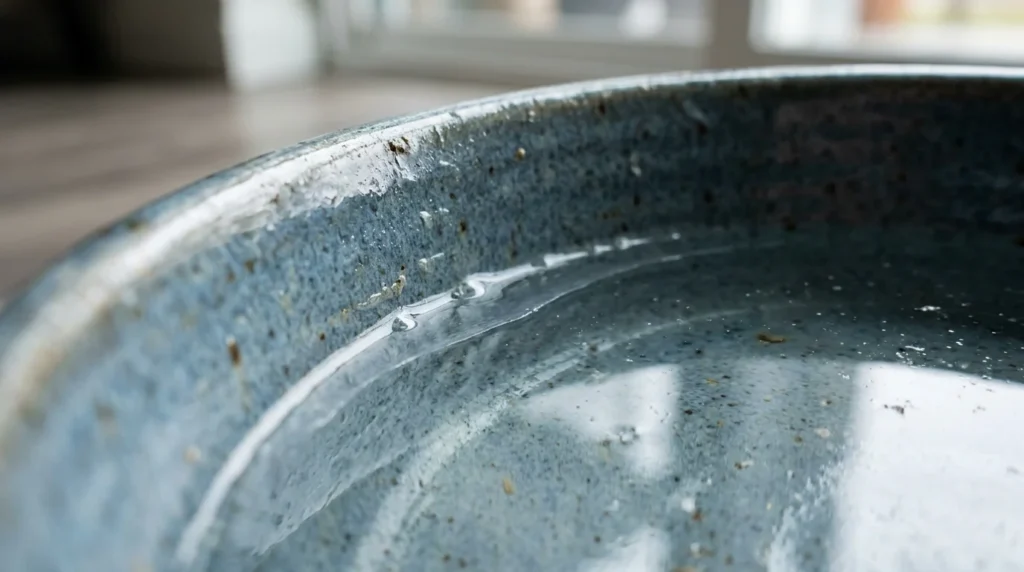
Have you ever felt a slippery, slimy coating on the bottom of your dog’s water bowl? That isn’t just “dog spit”—it’s a complex colony of bacteria known as biofilm. Biofilm is a collection of various bacteria, including E. coli, Listeria, and Legionella, that bind together on surfaces to protect themselves from the environment.
This slime isn’t just gross; it can lead to dental disease, urinary tract infections, and systemic inflammation if ingested regularly. Simply topping off the water bowl isn’t enough. To keep your dog safe, you should scrub the bowl with hot, soapy water every single day. Stainless steel or ceramic bowls are preferred over plastic, as plastic can develop microscopic scratches that act as “bunkers” for these bacterial colonies to thrive.
5. Puddles
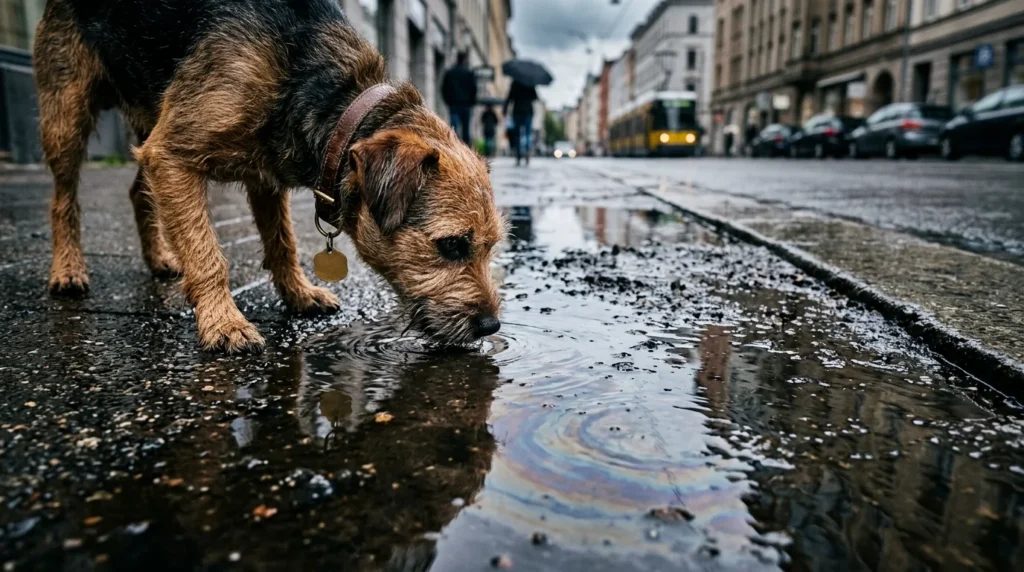
To a dog, a stagnant puddle in the park looks like a delicious, earthy refreshment. To an owner, it should look like a petri dish. Standing water is a breeding ground for parasites like Giardia and Coccidia, as well as the bacteria Leptospirosis, which is often spread through the urine of wildlife like squirrels, raccoons, and rats.
Leptospirosis is particularly dangerous because it is zoonotic, meaning it can be passed from your dog to you. Symptoms include fever, shivering, and muscle tenderness. Beyond biological threats, puddles on roads or driveways often contain toxic chemicals like antifreeze, motor oil, and lawn fertilizers. Always carry a portable travel bowl and fresh water on walks to discourage your dog from drinking from “nature’s bowl.”
6. Saltwater

If you take your dog to the beach, you must be extremely vigilant about saltwater consumption. While a small lap of ocean water might just cause a mild upset stomach (often referred to as “beach diarrhea”), consuming large amounts is a medical emergency.
The high salt content draws water out of the dog’s blood and into the intestines, leading to rapid, severe dehydration and an electrolyte imbalance called hypernatremia. This can cause brain swelling and permanent neurological damage. Always provide a shaded “hydration station” with plenty of fresh, cool water at the beach, and if you see your dog purposefully lapping at the waves, it’s time for a mandatory timeout.
7. Temperature
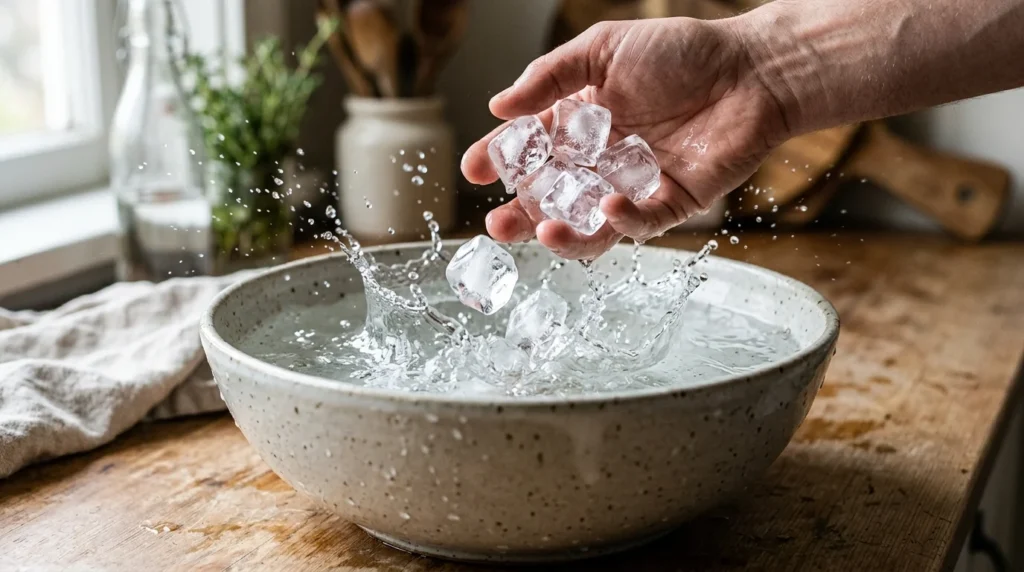
There is a common internet myth that giving dogs ice water causes “bloat” (GDV). This has been debunked by veterinarians; however, temperature still matters. On a scorching summer day, very icy water can actually cause a dog’s blood vessels to constrict, which can theoretically slow down the cooling process rather than speed it up.
The ideal temperature for a dog’s drinking water is “cool to room temperature.” This encourages them to drink more consistently without shocking their system. If you want to use ice, do so as a treat or to keep the bowl cool over a long period, but avoid forcing a dog to consume a bowl of slush after heavy exercise. Cooling them down from the outside (wet towels on the belly and paws) is often more effective than internal cooling alone.
8. Food
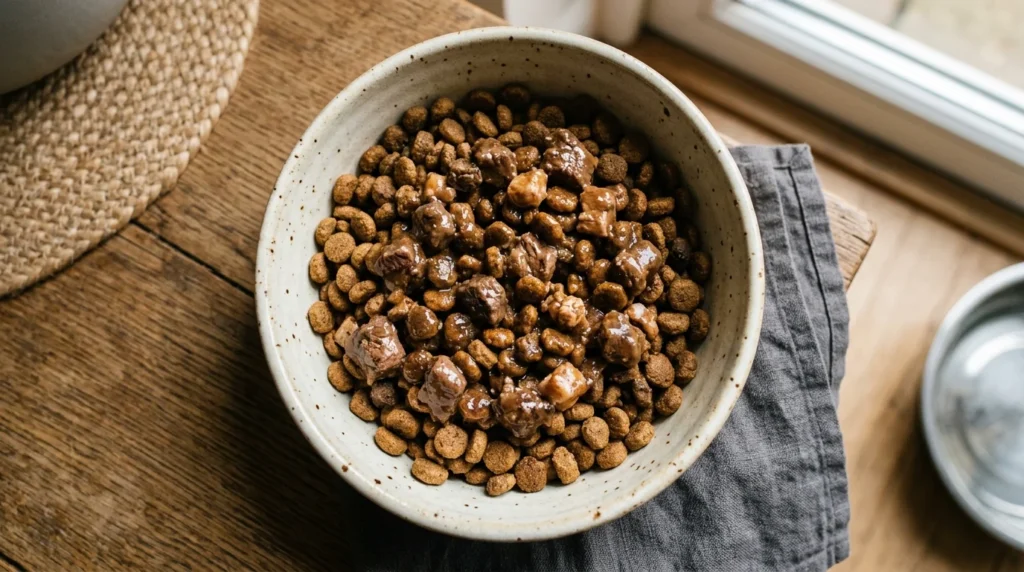
Many owners find it difficult to get their dogs to drink enough, especially in the winter or as the dog ages. This is where “eating your water” comes into play. If your dog is a reluctant drinker, switching to a high-quality wet food or adding a “topper” of bone broth (make sure it is onion and garlic-free) can significantly boost their hydration levels.
Adding a splash of water directly to dry kibble is another excellent trick. Not only does it hydrate the dog, but it also slows down fast eaters and helps release the aroma of the food, making it more palatable. For dogs with a history of urinary crystals or kidney issues, increasing moisture intake via food is often a veterinarian-recommended strategy.
9. Aging
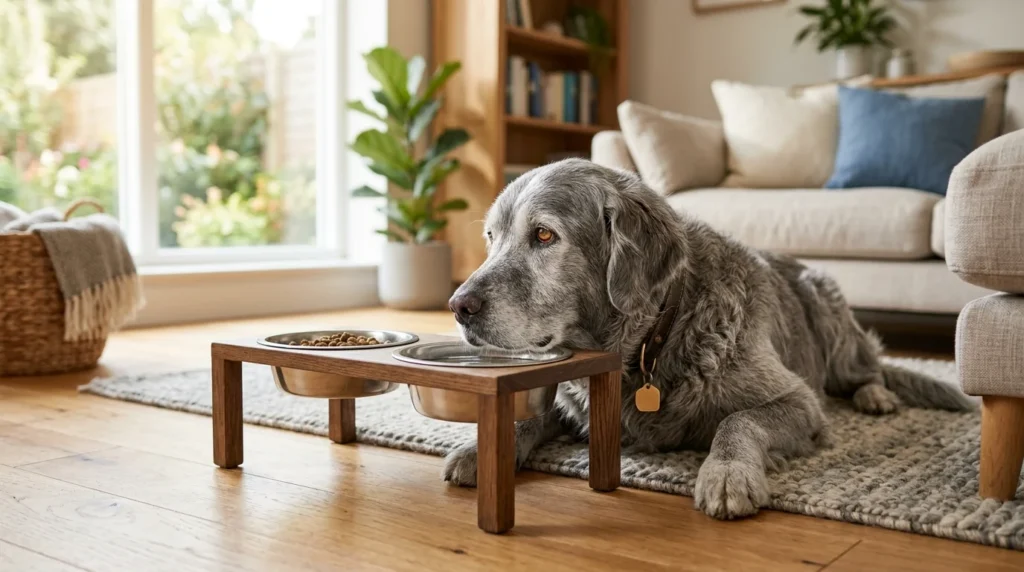
As dogs age, their sense of thirst can diminish, much like it does in elderly humans. Furthermore, many senior dogs suffer from arthritis, making the physical act of leaning down to a floor-level bowl painful. If you notice your older dog drinking less, they may not be “less thirsty”—they might just be uncomfortable.
Raised water bowls can alleviate pressure on the neck and joints, making it easier for senior dogs to stay hydrated. Additionally, increased thirst in older dogs can be a clinical sign of underlying conditions like Diabetes, Cushing’s Disease, or Kidney Failure. If your senior dog suddenly starts drinking significantly more than usual (polydipsia), it is a signal that a trip to the vet is necessary for bloodwork.
10. Filtration
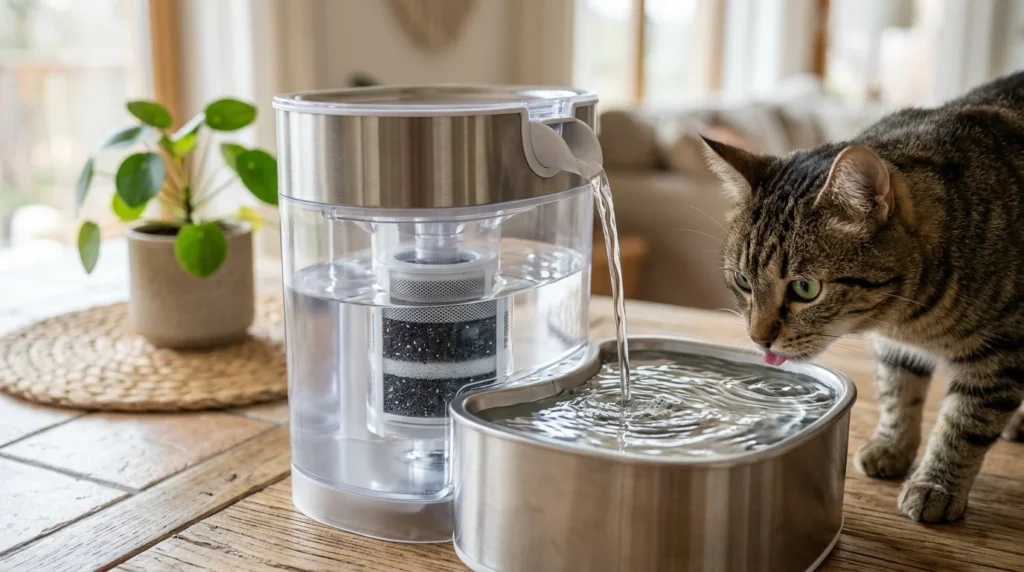
Is tap water safe for dogs? In most developed areas, if the water is safe for you, it is safe for your dog. However, dogs have a much more sensitive sense of smell than we do. They can detect the scent of chlorine, fluoride, and heavy metals that we might ignore. This sensitivity is sometimes why a dog will refuse a bowl of fresh tap water but happily drink from a muddy ditch—the ditch doesn’t smell like chemicals.
Using a filtered water pitcher or a pet fountain with a carbon filter can remove these odors and tastes, making the water much more appealing to your dog. Fountains also have the added benefit of moving water, which many dogs find more attractive than still water, as moving water in nature is generally fresher and less likely to be contaminated.


