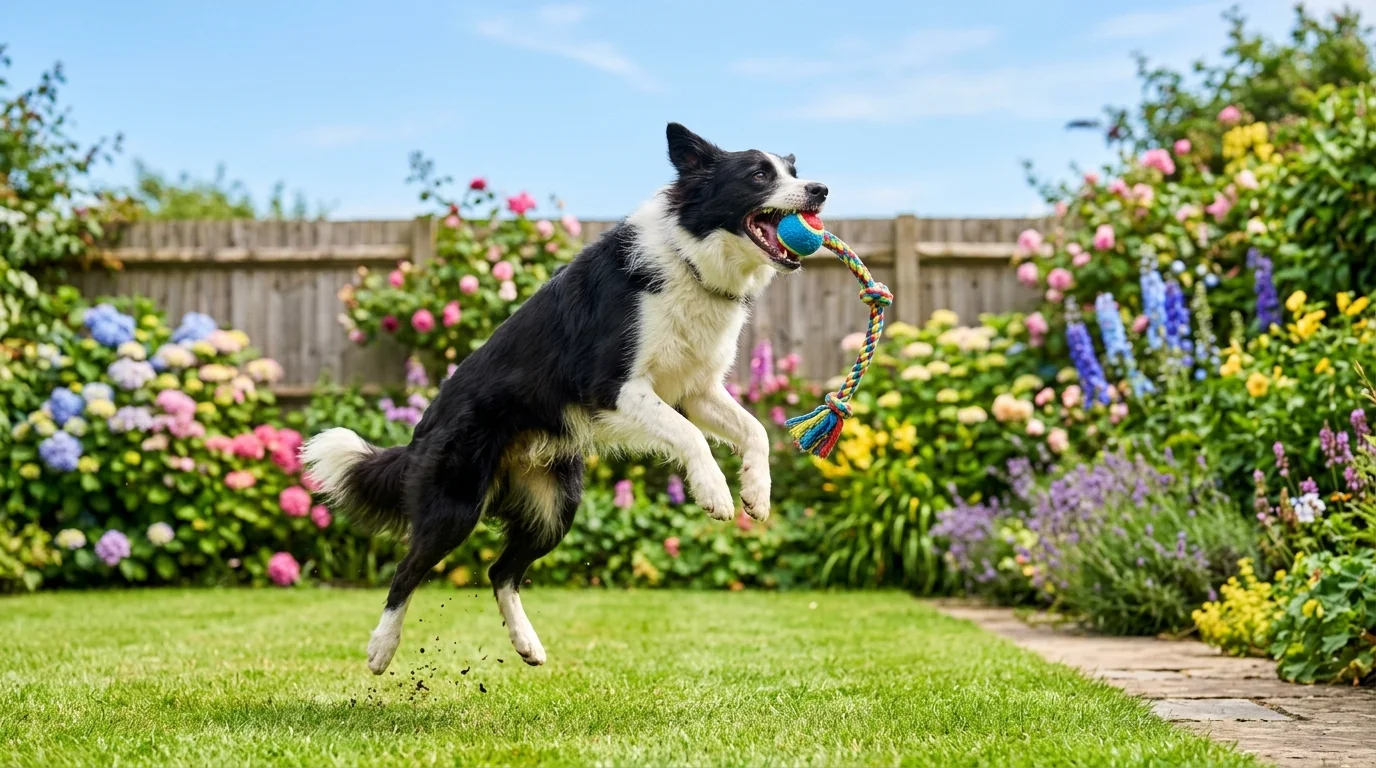
12 Backyard Dog Games to Beat Boredom Fast
A bored dog is a creative dog, and unfortunately, that creativity often manifests in chewed-up patio furniture or holes in your pristine lawn. Physical exercise is great, but mental stimulation is the secret sauce to a truly tired and happy pup. Your backyard is more than just a patch of grass; it is a private playground waiting to be activated. By introducing structured games, you can transform a routine potty break into a high-octane brain workout.
Whether you have a high-energy herding breed or a senior dog who prefers a slower pace, these twelve backyard games are designed to incinerate boredom, strengthen your bond, and ensure your dog sleeps like a log tonight.
1. Flirt Pole
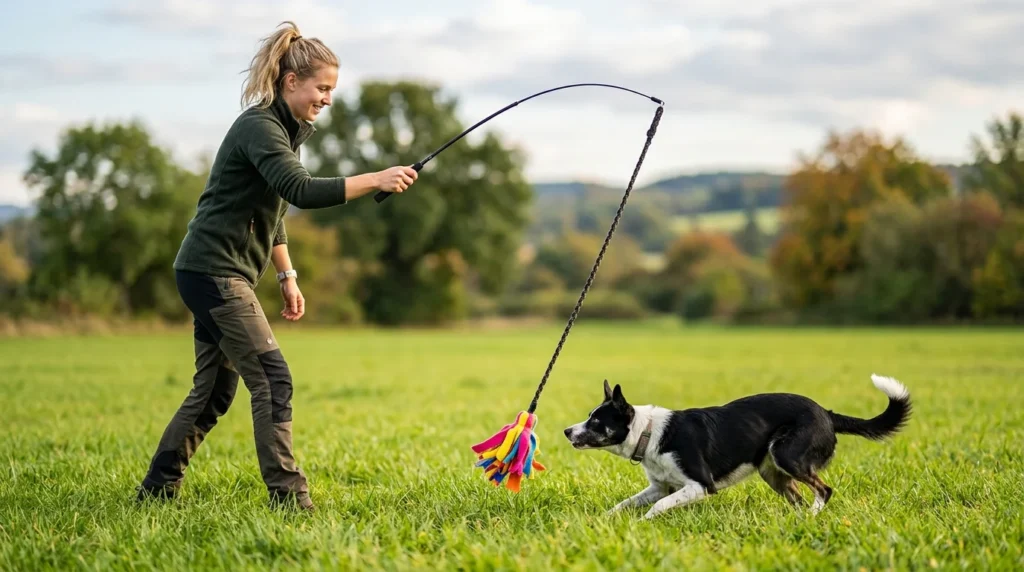
The flirt pole is essentially a giant cat toy for dogs. It consists of a long pole with a rope attached, and at the end of that rope is a tempting lure or toy. It is one of the most efficient ways to burn off “zoomie” energy in a small space.
- How to Play: Slowly drag the lure along the ground in circles and sharp changes of direction. Encourage your dog to chase it, but occasionally let them “catch” the prize to keep their confidence high.
- The Benefit: It builds impulse control. You can use it to practice “Wait” and “Leave it” commands before releasing them to chase.
- Caution: Because of the high-speed turns and jumps, this game is best for dogs with healthy joints. Always play on a non-slip surface like grass.
2. Agility Course
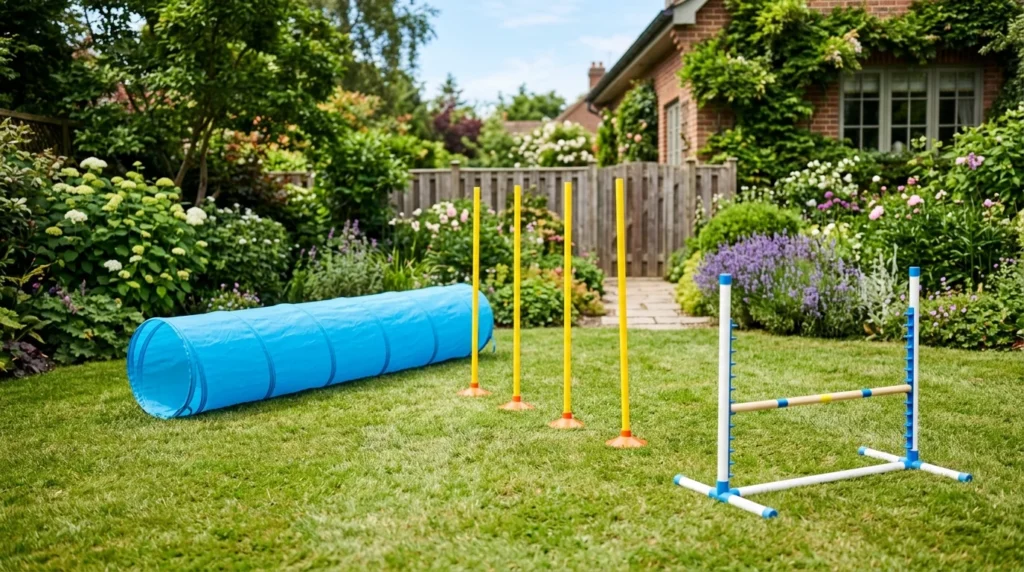
You don’t need a professional stadium to give your dog the thrill of an agility course. You can build a “backyard-scale” version using items you likely already have in your garage or shed.
- How to Play: Use orange cones or PVC pipes as weave poles. Use a sturdy wooden plank as a “dog walk” (keep it low to the ground for safety). Hula hoops can serve as jump rings. Lead your dog through the course with a treat, slowly increasing the speed as they become familiar with the obstacles.
- The Benefit: Agility improves a dog’s spatial awareness and confidence. It forces them to think about where their paws are landing, which is an excellent mental workout.
3. Treasure Hunt
Dogs perceive the world primarily through their noses. A treasure hunt taps into their natural foraging instincts, turning your backyard into a sensory scavenger hunt.
- How to Play: Start by putting your dog inside the house. Scatter high-value treats or their favorite toys around the yard. Initially, keep them in plain sight. Bring your dog out and give a command like “Find it!” As they get better, start hiding the treats under leaves, behind flower pots, or on low tree branches.
- The Benefit: Ten minutes of intensive sniffing can be as tiring as a thirty-minute walk. It’s a low-impact game perfect for hot days or older dogs.
4. Sprinkler Fun
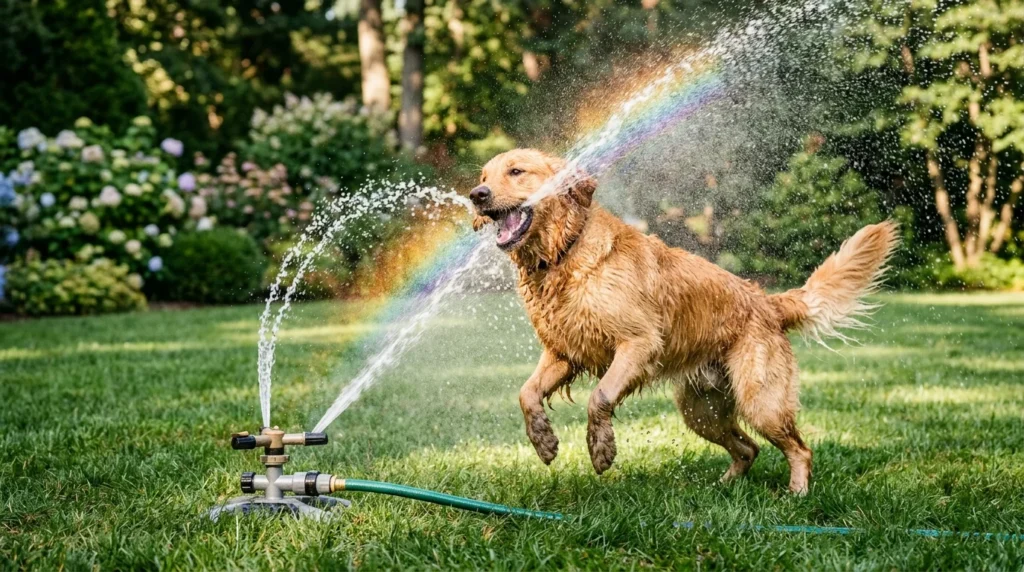
For water-loving breeds like Labradors or Golden Retrievers, a simple garden sprinkler is a source of endless fascination. The unpredictable movement of the water mimics the movement of prey, triggering a playful “catch” response.
- How to Play: Set up a standard oscillating sprinkler or buy a dog-specific splash pad. If your dog is hesitant, start with low water pressure. For high-tech fun, there are motion-activated sprinklers that shoot a burst of water whenever the dog moves in front of them.
- The Benefit: It provides physical exercise while keeping the dog’s core temperature down during the summer months.
5. Bubble Catch
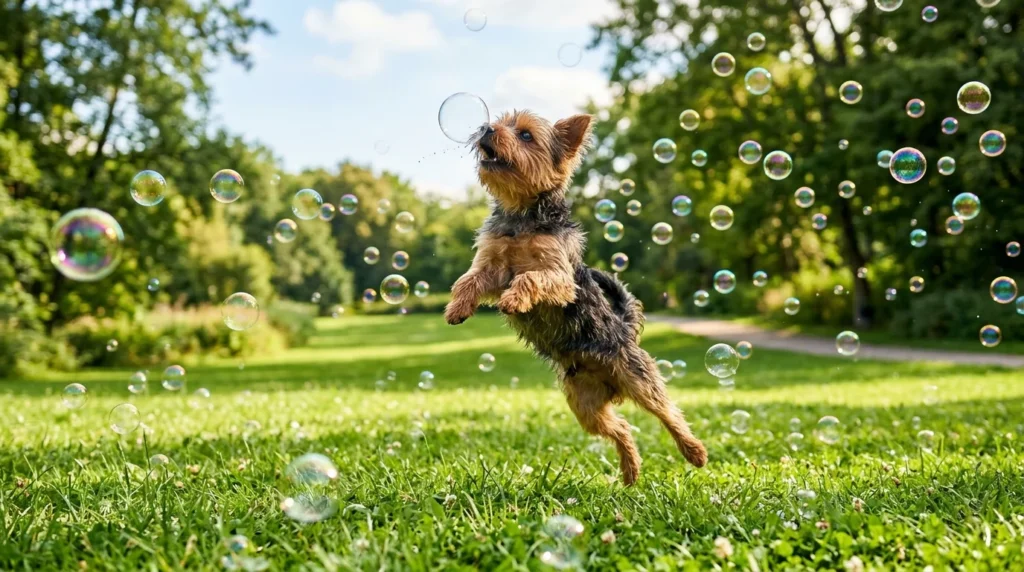
Bubbles are an inexpensive and visually stimulating way to engage a dog’s prey drive. The way they drift, bob, and eventually “vanish” keeps dogs guessing.
- How to Play: Use a bubble wand or an automatic bubble machine. Make sure to use “tear-free” or dog-specific bubble mixtures (like bacon-flavored bubbles) to avoid irritating their eyes or stomach. Blow the bubbles into the wind and watch your dog chase and “pop” them.
- The Benefit: This game encourages jumping and tracking, which helps with eye-to-paw coordination.
6. Hide and Seek
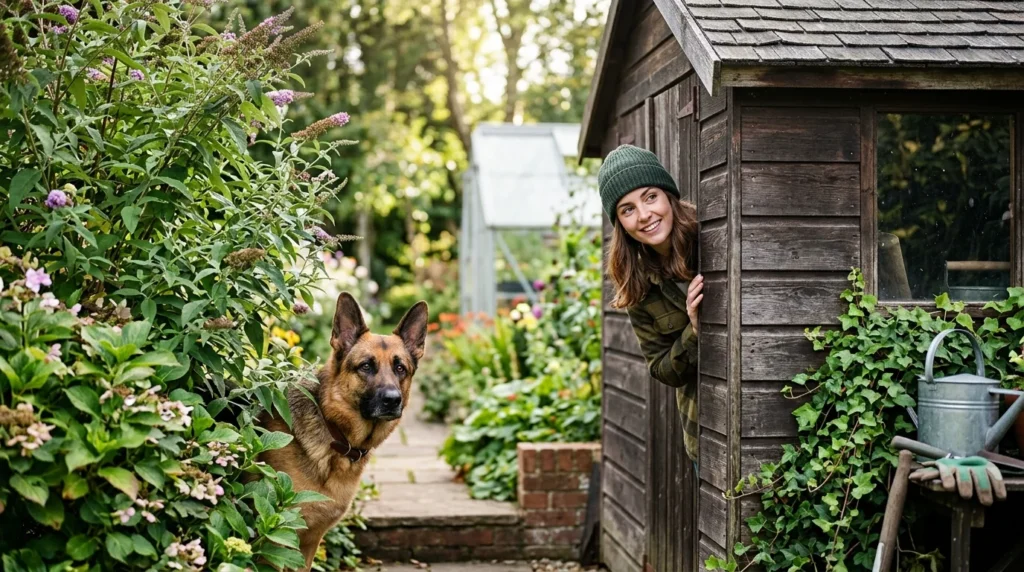
This is the ultimate bonding game. It reinforces the idea that finding you is the most rewarding thing in the world, which drastically improves their “recall” (coming when called).
- How to Play: Have a friend hold your dog or give the “Stay” command. Go hide behind a tree, a shed, or the patio furniture. Call your dog’s name once. When they find you, throw a “party” with lots of praise, belly rubs, or a special treat.
- The Benefit: It builds a strong “invisible leash” between you and your dog. They learn to keep an eye on your location, even when they are off-leash in an open space.
7. Digging Pit
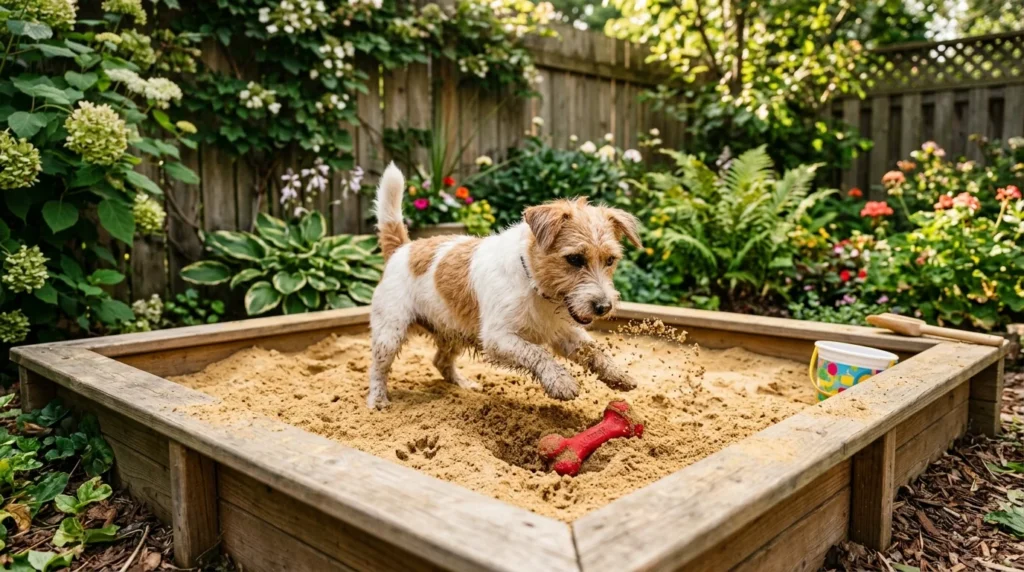
Some dogs are born to dig. Instead of fighting this instinct, provide a legal outlet for it. A digging pit saves your flower beds and gives your dog a designated “construction zone.”
- How to Play: Fill a plastic kiddie pool or a wooden frame with play sand. Bury toys, chew bones, or even “dinosaur bones” (large durable chews) just beneath the surface. Show your dog where the “treasure” is and encourage them to dig it up.
- The Benefit: It provides a safe sensory experience and prevents the destructive digging that results from boredom or the desire to find a cool spot in the dirt.
8. Frisbee Toss
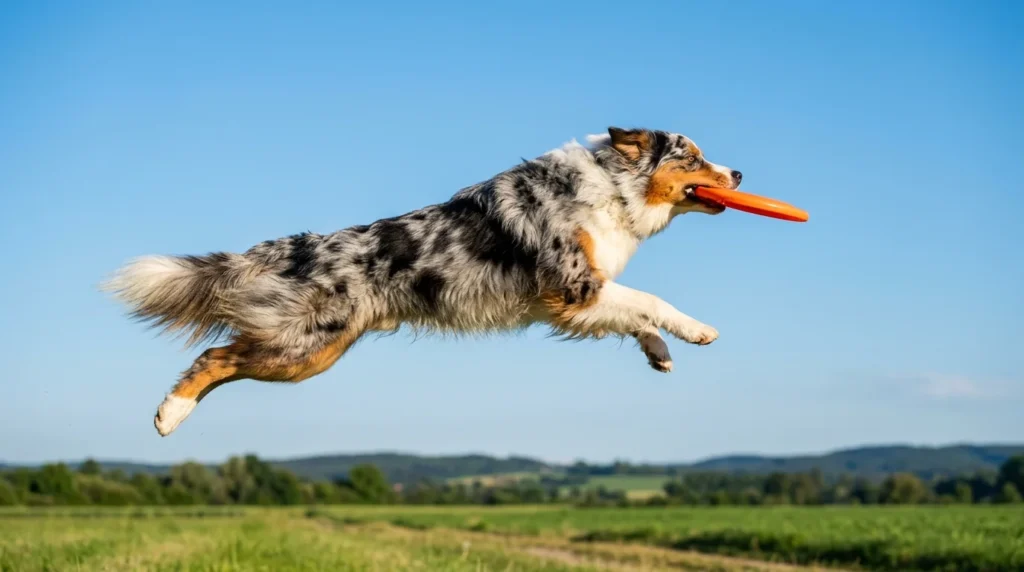
The classic game of Frisbee is a step up from a standard game of fetch. Because a disc glides and hovers, it requires more timing and athletic prowess from your dog.
- How to Play: Use a soft, dog-safe rubber disc rather than a hard plastic human Frisbee, which can chip teeth or cut gums. Start with low, short tosses to get them used to catching it in the air. As they improve, work on height and distance.
- The Benefit: It is incredible cardiovascular exercise. The “hang time” of the disc allows the dog to track it visually, providing mental engagement alongside the sprint.
9. Doggy Soccer
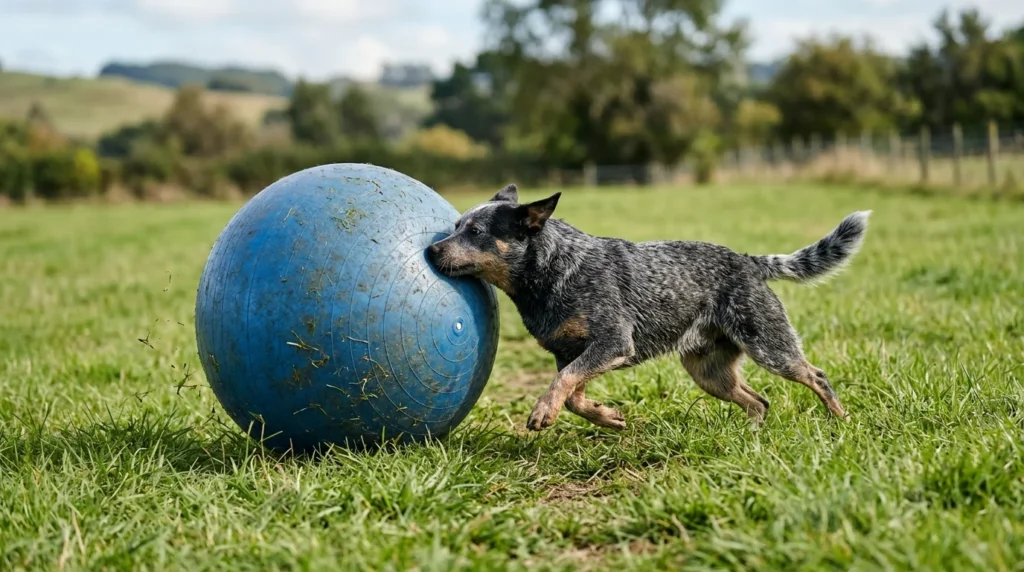
For herding breeds like Corgis or Cattle Dogs, “Treibball” (or Doggy Soccer) is the perfect sport. It simulates the act of driving livestock into a pen.
- How to Play: Use a large, heavy-duty exercise ball or a specific “herding ball” that is too large for the dog to fit in their mouth. Encourage them to push the ball with their nose or chest toward a “goal” (like two cones or the back of the house).
- The Benefit: This game is a huge energy burner for dogs with high “drive.” It requires them to use their whole body to steer the ball, which builds muscle and coordination.
10. Tetherball
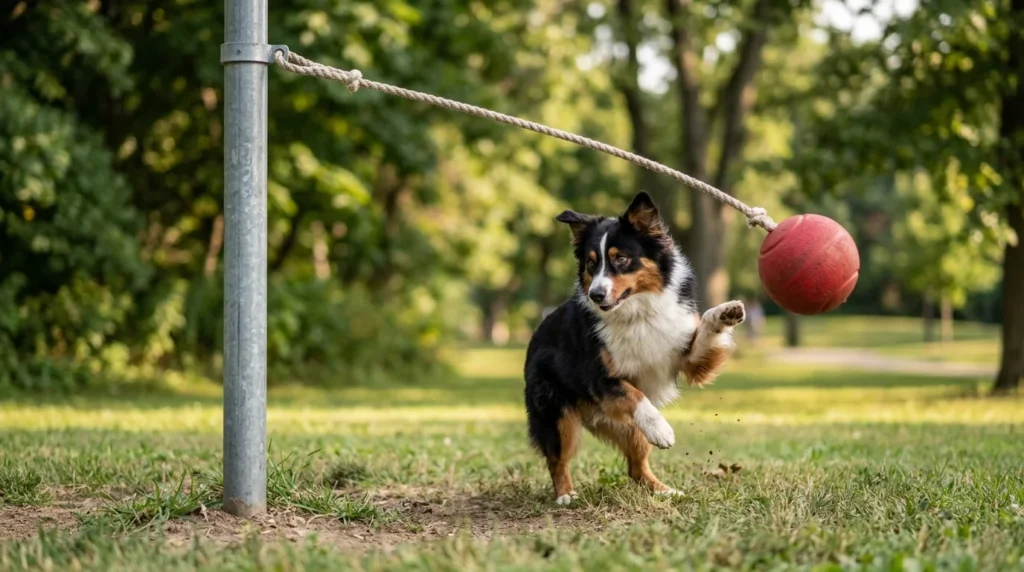
If you have a high-energy dog and you need a break, a DIY tetherball setup can provide semi-independent play.
- How to Play: Secure a pole in the ground and attach a bungee cord or a thick rope with a durable ball (like a Jolly Ball) at the end. The ball should hang at your dog’s shoulder height. Show them how to swat it, and the ball will swing away and return, prompting them to “hunt” it again.
- The Benefit: It allows for solo play (under supervision), letting the dog burn off steam without requiring constant throwing from the owner.
11. Muffin Tin
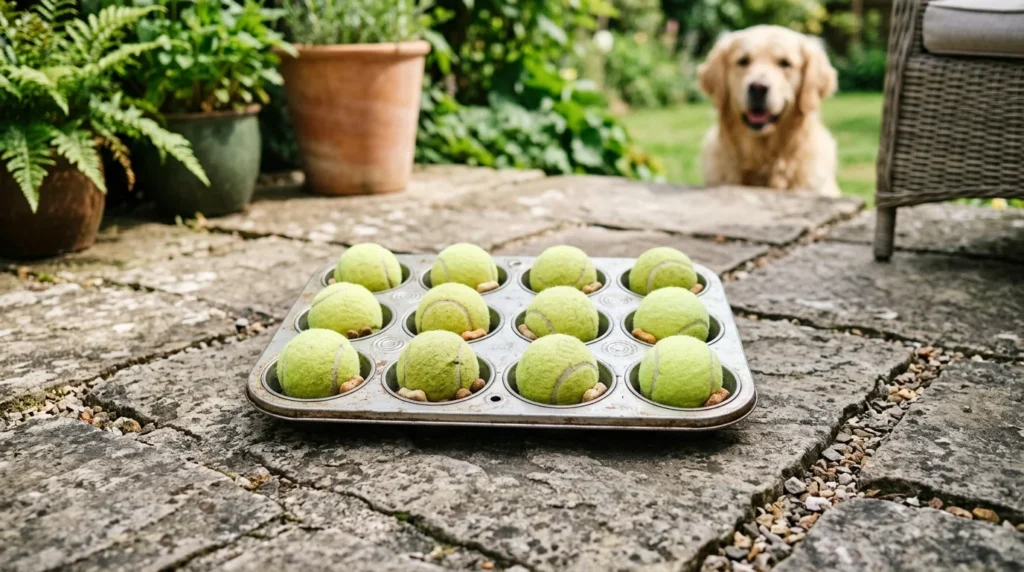
This is a classic “brain game” that can easily be moved to the backyard for a mess-free experience. It’s a puzzle that tests their problem-solving skills.
- How to Play: Take a standard muffin tin and place small, smelly treats in several of the cups. Cover every cup (even the empty ones) with a tennis ball. Your dog has to figure out how to remove the balls to get to the treats.
- The Benefit: This encourages “nose work” and fine motor skills. It’s an excellent way to feed a portion of their daily kibble to slow down fast eaters.
12. Destruction Box
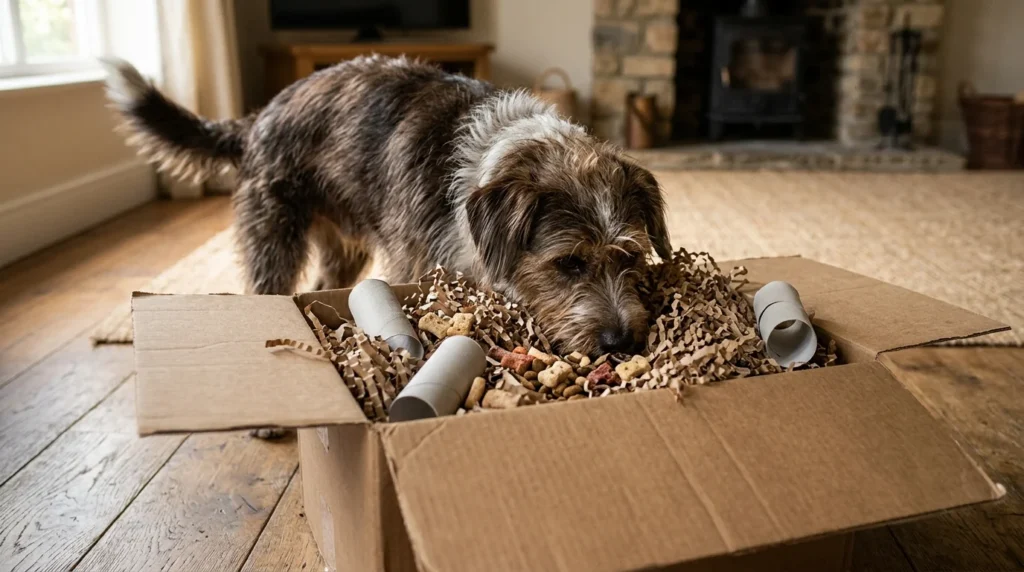
Some dogs just love to tear things apart. A destruction box is a safe, controlled way for them to indulge this “shredding” instinct without destroying your mail or your shoes.
- How to Play: Take a large cardboard box and fill it with “trash” like empty cereal boxes, crumpled packing paper, and empty toilet paper rolls. Hide treats inside the various layers of cardboard. Let your dog go to town ripping and tearing to find the food.
- The Benefit: Foraging and shredding are natural canine behaviors that release endorphins. It’s a messy game, but because it’s in the backyard, cleanup is as easy as tossing the cardboard into the recycling bin afterward.


