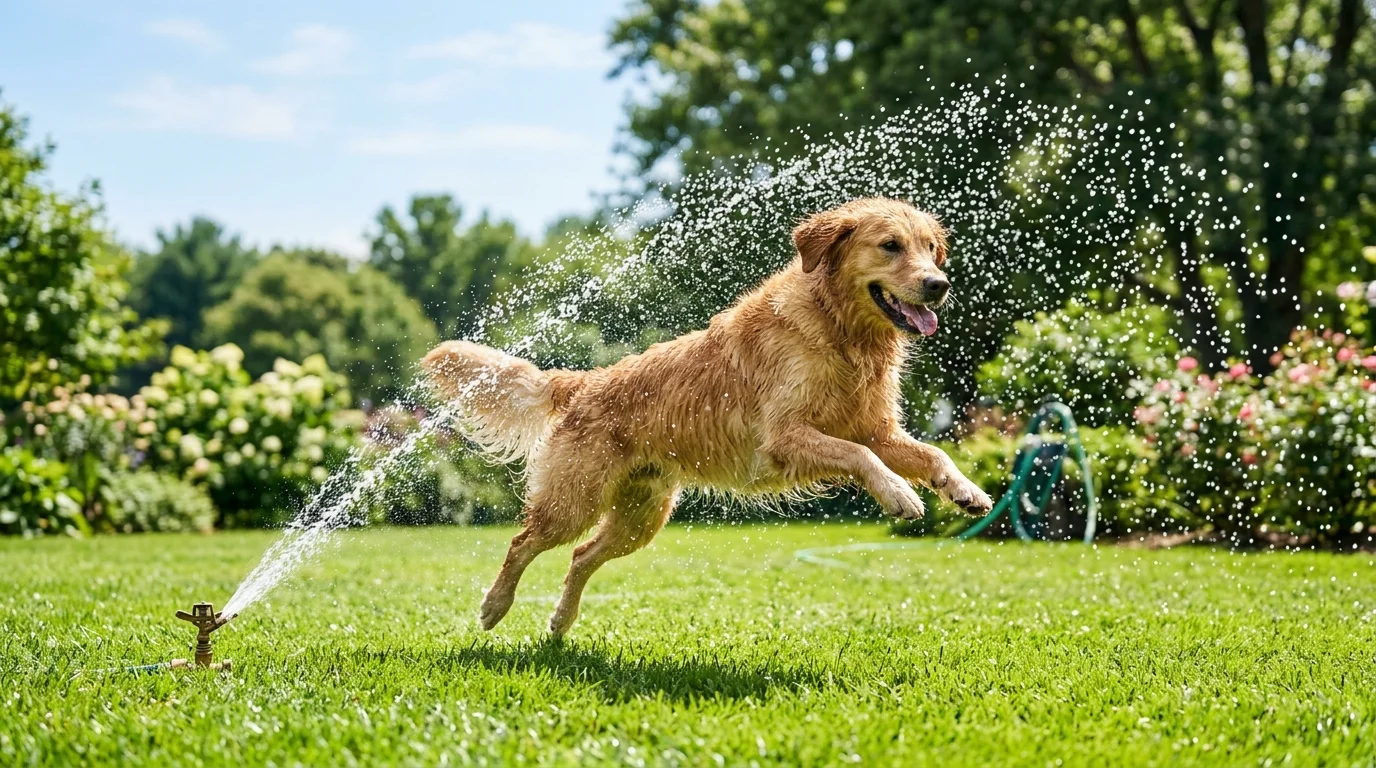
14 Summer Health Tips to Keep Your Dog Cool & Safe
As the temperature climbs and the days stretch longer, the allure of the great outdoors becomes irresistible for both humans and their canine companions. Summer is a season of adventure—hiking trails, beach days, and backyard barbecues. However, for dogs, the heat isn’t just uncomfortable; it can be life-threatening. Unlike humans, who have sweat glands all over their bodies to regulate temperature, dogs primarily rely on panting and a small number of sweat glands in their paw pads to stay cool. This makes them significantly more susceptible to heatstroke and dehydration.
To ensure your furry friend enjoys the sun as much as you do, you need a proactive strategy. From recognizing the hidden dangers of hot asphalt to understanding why “shaving for summer” might be a mistake, here is your comprehensive guide to keeping your dog healthy, happy, and hydrated during the hottest months of the year.
1. Hydration

Water is the most critical element of summer safety. During hot weather, dogs lose moisture rapidly through panting. Without constant replenishment, they can quickly fall into a state of dehydration, which leads to kidney stress and lethargy.
- Multiple Stations: Don’t rely on just one water bowl. Place several bowls around the house and in shaded areas of the yard.
- Freshness Matters: Change the water frequently. Warm, stagnant water can harbor bacteria and is less appealing to a thirsty dog.
- On the Go: When traveling or walking, always carry a portable, collapsible bowl and a dedicated water bottle for your pet. Encourage them to take small sips every 15–20 minutes, even if they don’t seem thirsty.
2. Pavement
One of the most overlooked summer hazards is the temperature of the ground. On a 77°F day, the asphalt in direct sunlight can reach a staggering 125°F. At this temperature, skin destruction can occur in just sixty seconds.
- The 7-Second Rule: Before heading out, place the back of your hand on the pavement. If you cannot comfortably hold it there for seven seconds, it is too hot for your dog’s paws.
- Alternative Paths: Stick to grass, dirt trails, or shaded sidewalks.
- Protective Gear: If walking on pavement is unavoidable, consider investing in heat-resistant dog booties. They provide a barrier between sensitive paw pads and the scorching ground.
3. Timing
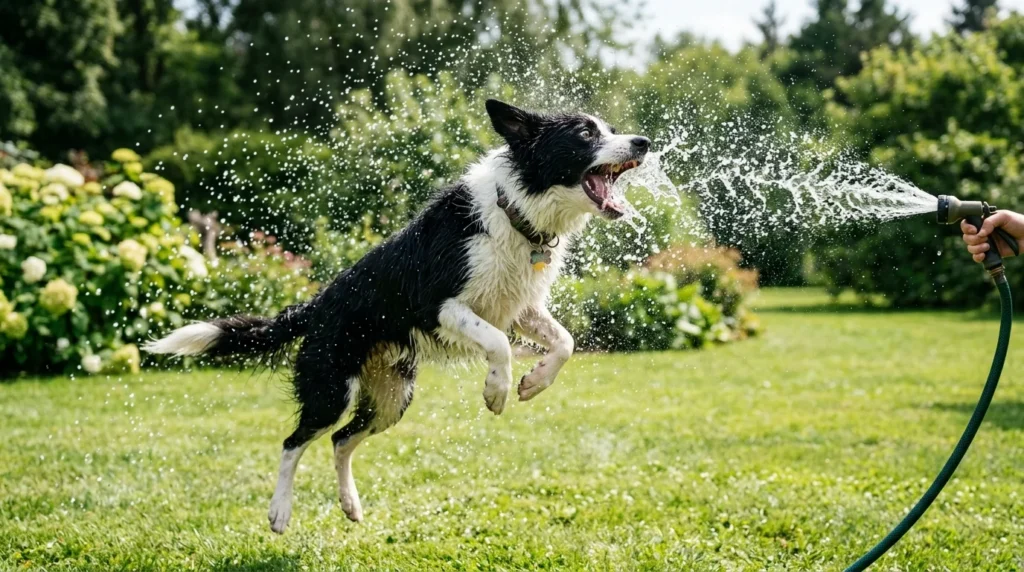
Midday sun is the most intense, usually peaking between 10:00 AM and 4:00 PM. During these hours, the risk of heat exhaustion is at its highest.
- Early and Late: Shift your exercise routine to the early morning hours or late evening when the sun is low and the air is significantly cooler.
- Low Impact: Save the high-intensity games of fetch or long-distance runs for cooler days. In the summer, a slow “sniffari” (a walk focused on mental stimulation through scent) is often better than a physical sprint.
4. Sunscreen
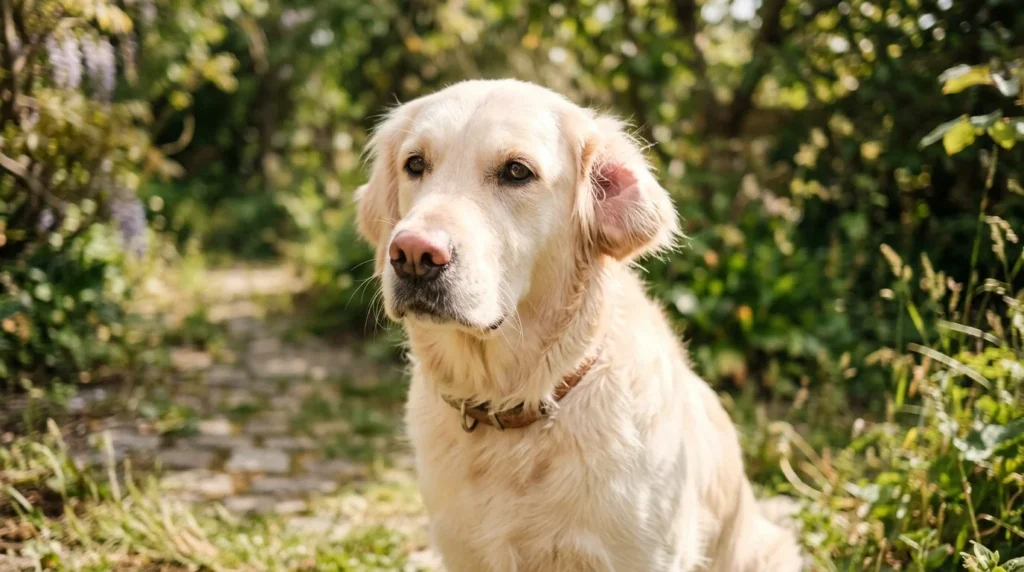
It’s a common misconception that fur protects dogs from the sun. While it offers some coverage, areas with thin fur—such as the nose, ears, and belly—are highly prone to sunburn. This is especially true for dogs with white or light-colored coats.
- Pet-Specific Products: Never use human sunscreen on dogs. Many human brands contain zinc oxide or para-aminobenzoic acid (PABA), which are toxic if licked.
- Application: Apply a dog-safe sunscreen to the bridge of the nose, the tips of the ears, and the groin area at least 20 minutes before sun exposure.
- Reapplication: Just like with humans, remember to reapply after swimming or extended periods outdoors.
5. Cars

This cannot be stressed enough: Never leave your dog in a parked car, even with the windows cracked. On an 85°F day, the temperature inside a car can climb to 102°F within 10 minutes and reach 120°F within half an hour.
- Greenhouse Effect: Cracking the windows does very little to lower the internal temperature.
- Fatal Consequences: Dogs can suffer irreversible brain damage or die from heatstroke in the time it takes you to run a “quick” errand. If your destination isn’t pet-friendly, the safest place for your dog is at home with the air conditioning on.
6. Grooming

While it might seem logical to shave a long-haired dog to keep them cool, this can actually do more harm than good—especially for double-coated breeds like Huskies, Golden Retrievers, and Shepherds.
- Natural Insulation: A dog’s coat acts as insulation, keeping them warm in the winter and protecting them from heat and sunburn in the summer. Shaving removes this natural temperature regulator.
- The Power of Brushing: Instead of shaving, focus on frequent brushing. Removing the dead undercoat allows for better air circulation against the skin.
- Trimming: It is okay to trim long “feathers” or belly hair, but always consult a professional groomer to ensure you aren’t compromising the coat’s protective layers.
7. Cooling Gear
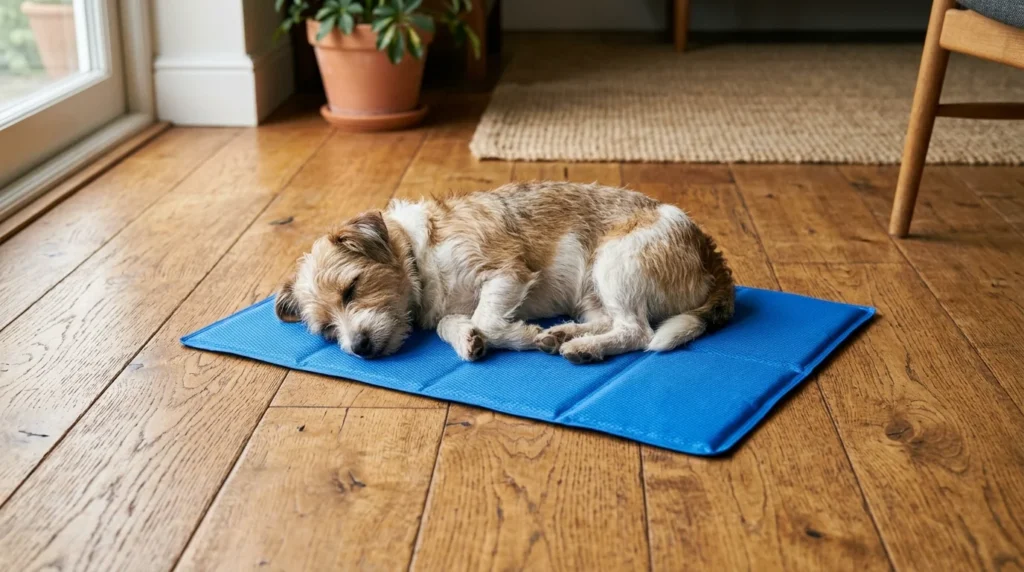
Modern pet technology offers several ways to help your dog lower their core temperature when the mercury rises.
- Cooling Mats: These are typically pressure-activated gel pads that stay cool without electricity or refrigeration. They are perfect for indoor use or shaded patios.
- Cooling Vests: These vests work through evaporation. You soak them in cold water, wring them out, and put them on your dog. As the water evaporates, it draws heat away from the dog’s body.
- Bandanas: A simple wet bandana around the neck can provide immediate relief by cooling the blood flowing through the jugular veins.
8. Water Safety

Not all dogs are natural-born swimmers, and even those that are can run into trouble in open water or pools.
- Life Jackets: Even for strong swimmers, a life jacket is essential in lakes or oceans where currents and fatigue can become issues. The handles on the back also make it easier to pull a dog out of the water in an emergency.
- Chlorine and Salt: After a dip in a pool or the ocean, rinse your dog thoroughly. Chlorine and salt can dry out their skin and cause irritation.
- Hydration Warning: Discourage your dog from drinking pool water or seawater. Saltwater can lead to salt poisoning, and pool chemicals can cause upset stomachs.
9. Tick Prevention
Summer is peak season for parasites. Ticks, fleas, and mosquitoes (which carry heartworm) thrive in warm, humid environments.
- Preventatives: Ensure your dog is on a year-round preventative schedule. Consult your vet for the best option, whether it’s an oral tablet, a topical treatment, or a specialized collar.
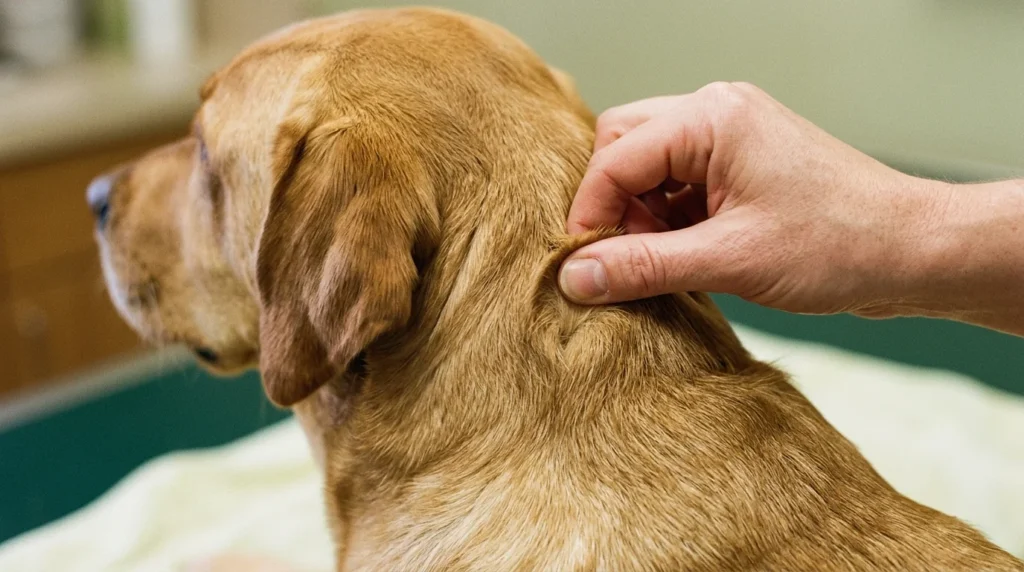
- Daily Checks: After every walk in wooded or grassy areas, perform a “tick check.” Focus on the ears, between the toes, under the armpits, and around the tail.
- Yard Maintenance: Keep your grass mowed short to reduce the habitat for these pests.
10. Signs of Heatstroke
Knowing the signs of heatstroke can save your dog’s life. This is a medical emergency that requires immediate intervention.
- Watch for: Excessive, heavy panting; bright red or pale gums; thick, ropey saliva; lethargy or dizziness; vomiting; and a rapid heart rate.
- Immediate Action: If you suspect heatstroke, move the dog to a cool, shaded area immediately. Apply cool (not ice-cold) water to their body, focusing on the head, neck, and under the legs. Offer small amounts of water.
- Emergency Vet: Even if the dog seems to recover, take them to a veterinarian immediately. Internal damage can occur that isn’t visible to the naked eye.
11. Frozen Treats

Keeping your dog cool can also be a fun bonding experience. Frozen treats provide hydration and mental stimulation.
- Pupsicles: Mix plain Greek yogurt (ensure no xylitol), peanut butter, and mashed bananas, then freeze them in silicone molds.
- Ice Cubes: Many dogs love the crunch of a plain ice cube. You can also freeze low-sodium chicken broth for a savory “ice lolly.”
- Frozen Toys: Stuff a rubber toy with wet food or pumpkin puree and freeze it. This gives your dog a cool task to focus on while they relax in the shade.
12. Ventilation
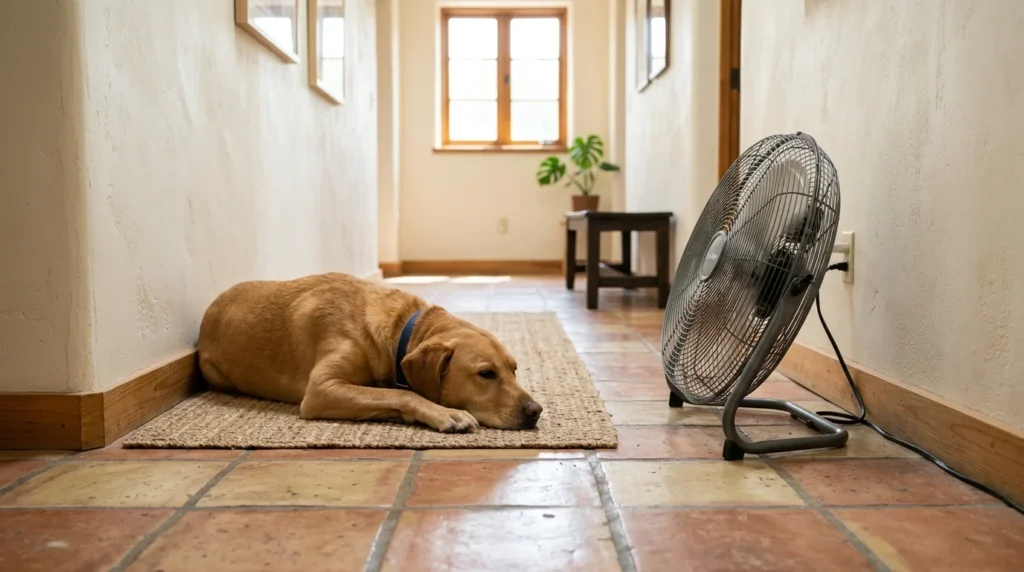
Indoors doesn’t always mean “cool.” If you don’t have air conditioning, the air inside can become stagnant and stifling.
- Airflow: Use floor fans to keep air moving. Dogs enjoy the breeze just as much as humans do.
- Tile over Carpet: Encourage your dog to lie on tile or hardwood floors rather than rugs or carpets, as these surfaces stay naturally cooler.
- Basement Access: If you have a basement, it is often the coolest part of the house. Allow your pet access to these lower levels during heatwaves.
13. Fireworks Anxiety

Summer holidays like the 4th of July often involve fireworks. While beautiful to humans, the loud booms and bright flashes are terrifying for many dogs.
- Safe Space: Create a “den” in the quietest part of your home. Use white noise machines or soft music to drown out the sound of explosions.
- Identification: More dogs go missing on the 4th of July than any other day of the year. Ensure your dog’s collar is secure and their microchip information is up to date.
- Consult Your Vet: If your dog has severe noise phobia, talk to your vet about calming supplements or prescribed anti-anxiety medication.
14. Gardening Hazards

Summer is prime time for gardening, but many common yard products are hazardous to pets.
- Toxic Plants: Popular summer flowers like lilies, azaleas, and sago palms are highly toxic if ingested. Research every plant before putting it in your garden.
- Mulch Dangers: Cocoa mulch is popular for its smell, but it contains theobromine (the same toxin found in chocolate) and can be lethal if eaten by a dog.
- Fertilizers and Pesticides: Always keep your dog away from the lawn for at least 24–48 hours after applying chemicals. Look for “pet-safe” labels, but still exercise caution.


