As devoted dog parents, we’re always looking for ways to enhance our furry friends’ lives, making them happier, healthier, and more comfortable. This often leads us to explore a variety of wellness practices, both conventional and holistic. While veterinary care remains the cornerstone of pet health, many of us are also open to natural aids that might complement traditional approaches.
One such natural aid gaining attention in the pet world is amethyst, a beautiful purple crystal cherished for its calming energy. You might have heard about crystals being used for human well-being, but can our canine companions also experience some gentle benefits? While not a substitute for professional medical advice or treatment, amethyst is often explored by dog owners seeking to create a more harmonious environment for their pets.
In this article, we’ll dive into five potential ways amethyst might offer a little extra support and comfort for your beloved dog. We’ll explore how this gentle stone is thought to influence their emotional state, sleep patterns, and overall sense of peace.
Understanding Amethyst and How It’s Used with Dogs
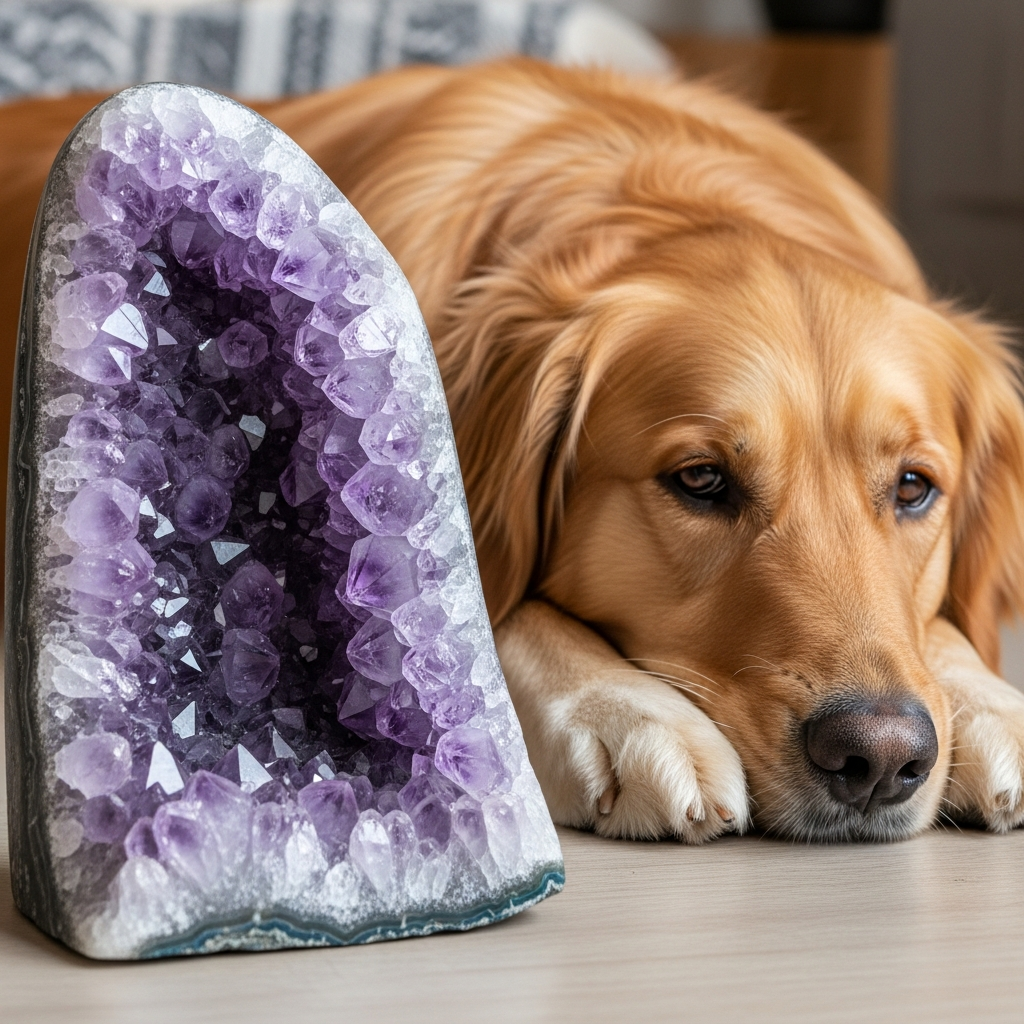
Before we explore the specific benefits, let’s get to know amethyst a little better. Amethyst is a variety of quartz, famous for its striking purple hues, ranging from light lavender to deep violet. It’s widely associated with peace, balance, and stress relief in crystal healing practices for humans.
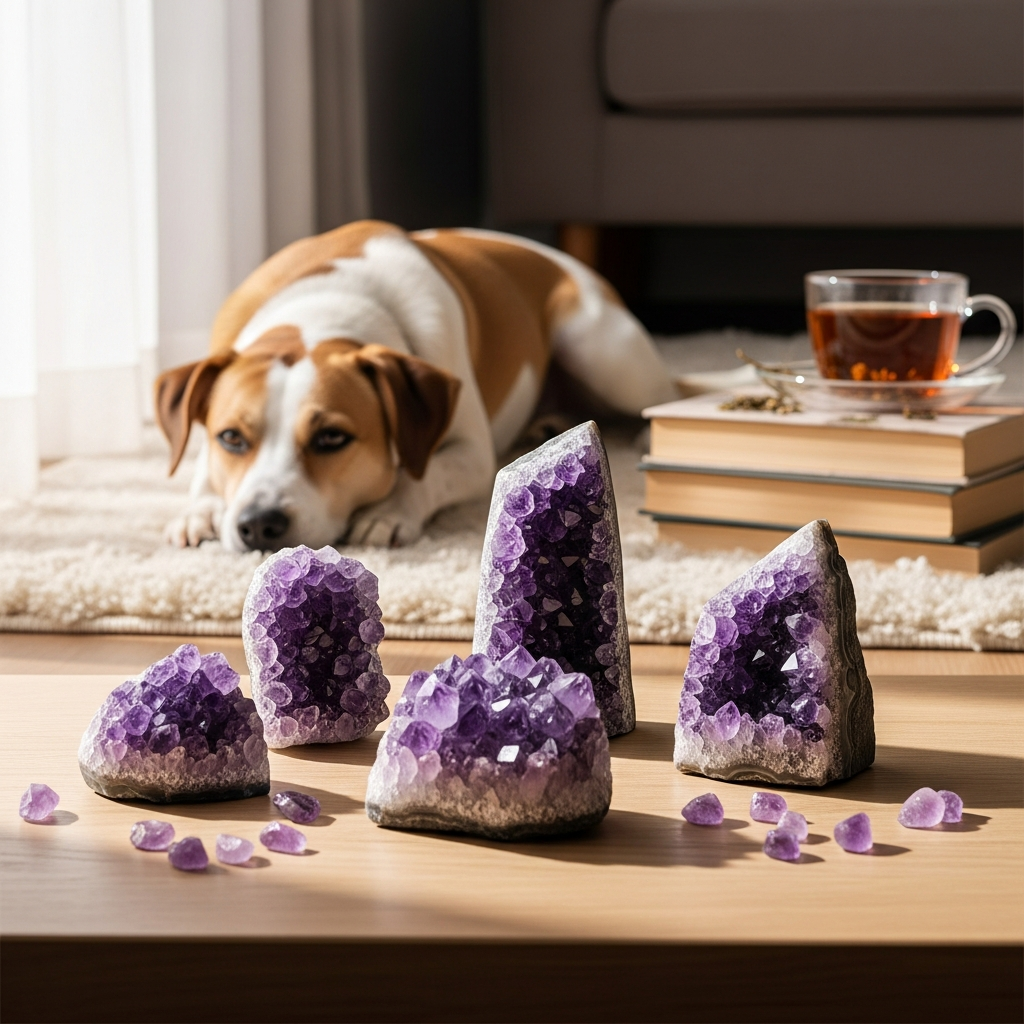
When it comes to our dogs, the approach is always about creating a supportive environment, not about direct treatment. We never want our dogs to ingest crystals. Instead, the idea is to introduce amethyst’s subtle energy into their space in a safe, non-invasive way. This could involve placing a smooth, tumbled stone near their bed, in a quiet corner of the house, or even having you, the owner, wear it. The goal is to allow its perceived calming vibrations to permeate their immediate surroundings.
It’s absolutely essential to remember that any holistic approach, including the use of crystals, should always complement, never replace, professional veterinary care. If your dog is unwell or experiencing significant behavioral issues, a trip to the vet is always the first and most important step.
Reason 1: Promoting Calmness and Reducing Anxiety
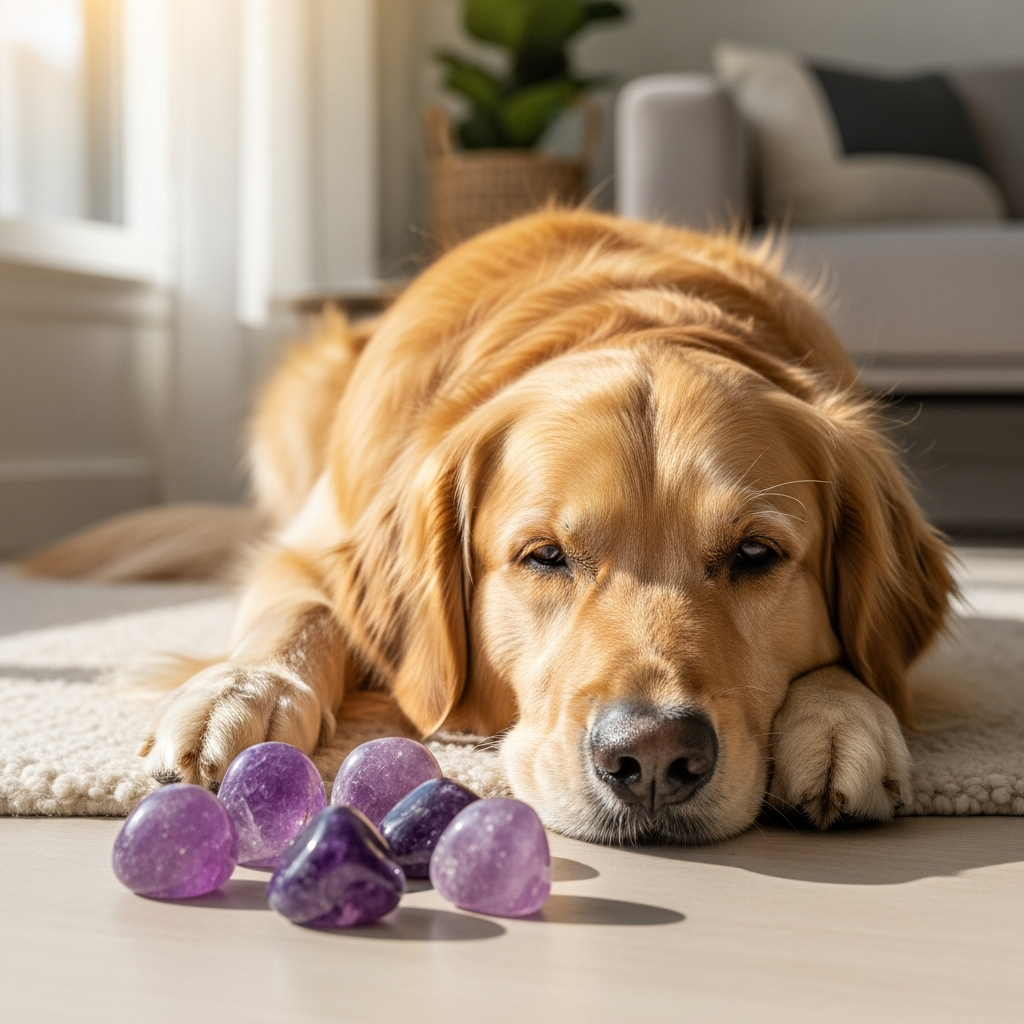
Dogs, much like us, can experience anxiety and stress. Whether it’s the rumble of a thunderstorm, the unfamiliar sounds of fireworks, the loneliness of separation, or the stress of a vet visit, these moments can be truly upsetting for our pets. Many dog parents look for gentle ways to ease these feelings, and amethyst is often considered for its reputation as a stone of tranquility.
The Calming Aura of Amethyst
Amethyst is widely believed to have a soothing and calming energy. It’s often used to help quiet the mind and promote a sense of peace. For dogs who are prone to feeling overwhelmed, introducing amethyst into their environment might help create a more serene atmosphere. This isn’t about magic; it’s about potentially providing a subtle energetic support that encourages relaxation.
Real-Life Scenarios:
* **Storm Anxiety:** Dogs can become quite distressed during storms. Placing an amethyst in their designated “safe zone” or den might contribute to a more calming space.
* **Separation Anxiety:** For dogs who struggle when left alone, having a calming presence in their resting area could offer a subtle sense of security.
* **Vet Visits or Car Rides:** While you can’t place a large crystal in the vet’s office, carrying a small one with you or having your dog’s favorite blanket, which has been near amethyst, could provide comfort.
How to Introduce for Calmness:
To safely introduce amethyst for calming purposes, consider placing a smooth, polished amethyst tumble stone or a small geode cluster in your dog’s favorite sleeping area, such as their bed or crate. You could also place it in a common room where your dog spends a lot of time, ensuring it’s out of reach to prevent chewing or ingestion. Some owners also choose to wear amethyst themselves, believing its energy can transfer through their bond with their dog.
Reason 2: Aiding in Better Sleep and Rest
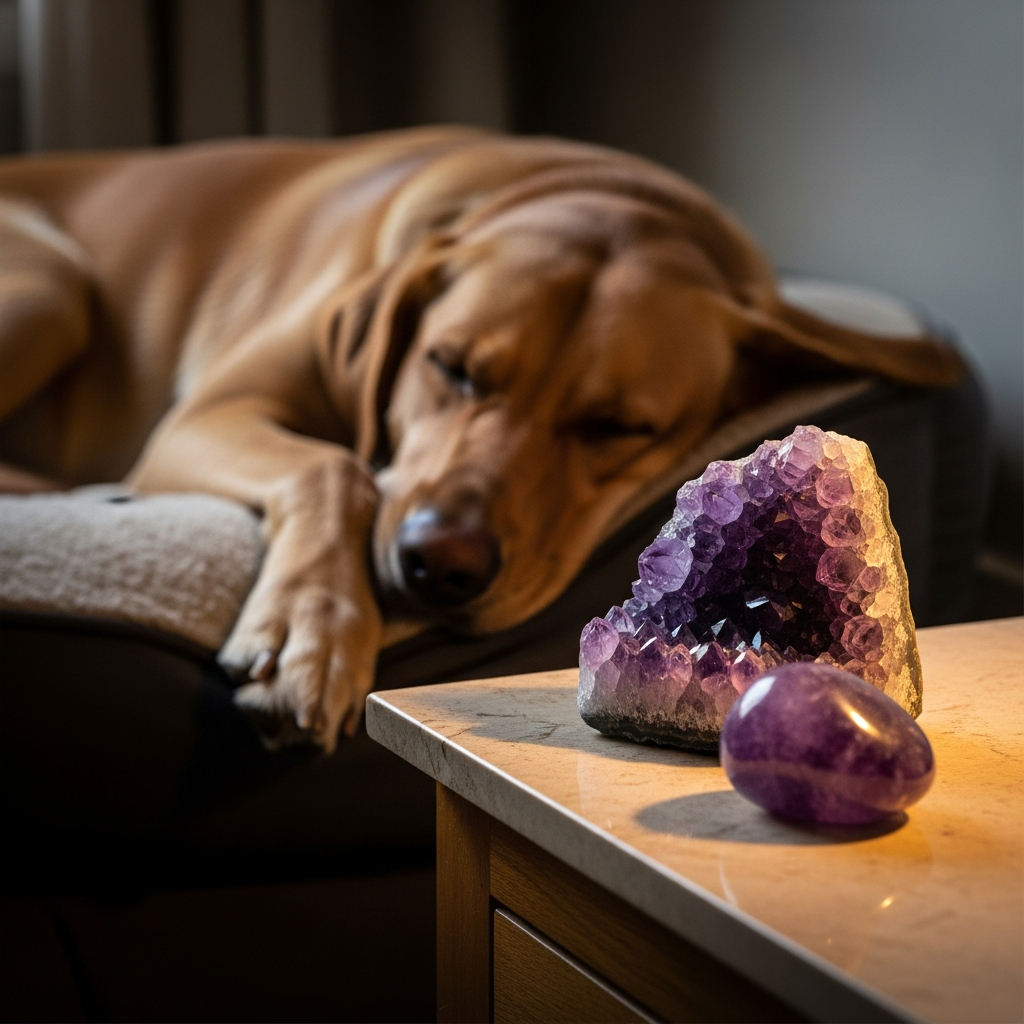
Just like humans, dogs need quality sleep to stay healthy and happy. A well-rested dog is typically a more balanced, energetic, and agreeable companion. However, some dogs might struggle with restless nights, waking frequently, or simply not achieving deep, restorative sleep. Amethyst’s association with peaceful sleep makes it a popular choice for those looking to support their dog’s nighttime routine.
Supporting Restful Slumber
In crystal lore, amethyst is often placed in bedrooms to help create an atmosphere conducive to restful sleep and to ward off nightmares. The same principle can be applied to our canine friends. By introducing amethyst into their sleeping quarters, the aim is to foster a tranquil environment that encourages deeper, more consistent slumber. A calm mind often leads to a calm body, allowing for better rest.
Signs of Poor Sleep in Dogs:
* **Restlessness at Night:** Frequent position changes, pacing, or whining during typical sleep hours.
* **Excessive Daytime Napping Without Deep Sleep:** Dozing off often but never seeming to truly relax into a deep sleep state.
* **Irritability or Low Energy:** A dog that is constantly tired may show signs of grumpiness or a lack of usual enthusiasm for play.
Amethyst Placement for Sleep:
The most common and effective way to use amethyst for sleep is to place a smooth stone directly beside or under your dog’s bed or mat. Make sure it’s secure and cannot be chewed or swallowed. You can also place it on a nearby nightstand or shelf in the room where your dog sleeps. The idea is for the crystal’s perceived calming energy to infuse their immediate sleeping space, promoting a serene and uninterrupted night’s rest.
Reason 3: Supporting Emotional Balance During Changes
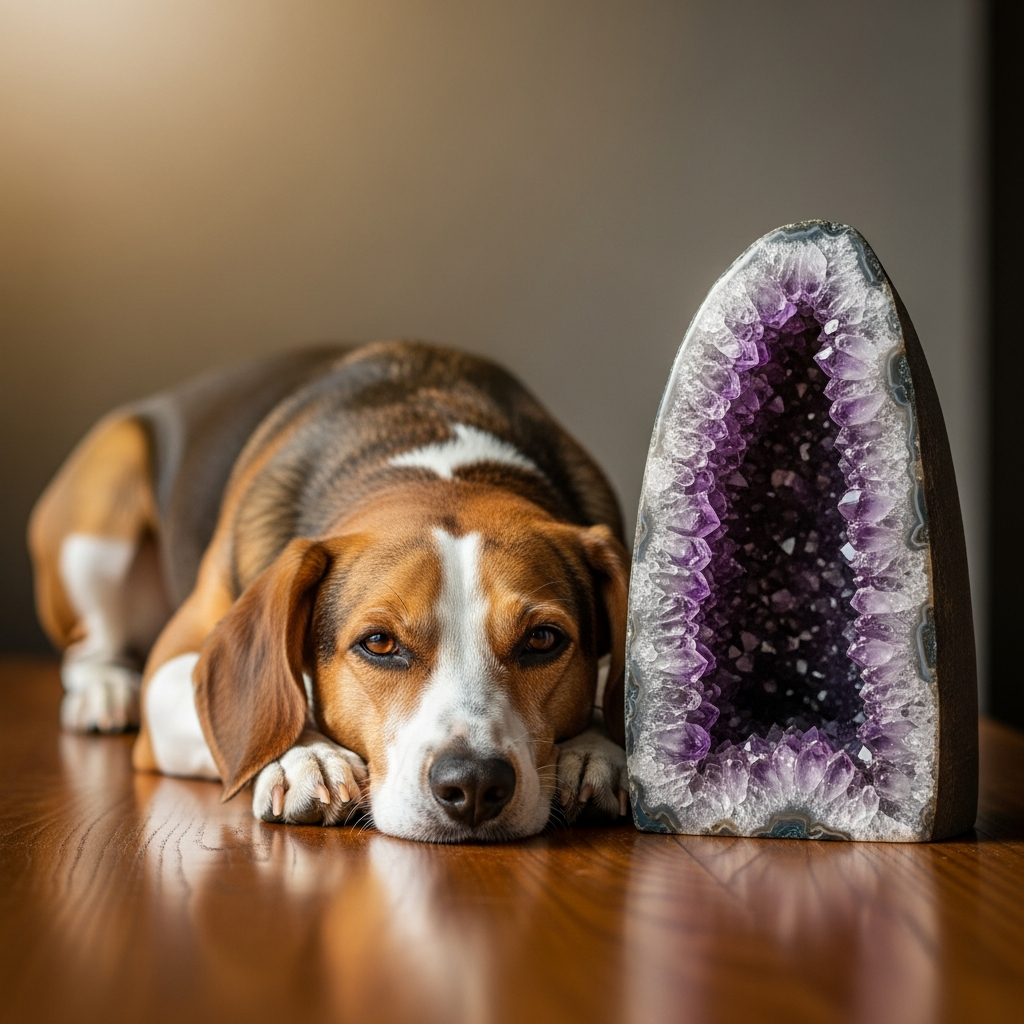
Dogs are creatures of habit, and while they can be incredibly adaptable, significant life changes can throw them off balance. Moving to a new home, the arrival of a new family member (human or animal), or even the loss of a companion can be emotionally taxing for our pets. During these transitional periods, providing extra support to help them maintain emotional equilibrium is key. Amethyst is often turned to for its believed ability to offer grounding and emotional stability.
Easing Transitions and Adjustments
Amethyst is considered a grounding stone, thought to help calm the emotional body and provide a sense of stability. When a dog is experiencing upheaval, this grounding energy might assist them in processing new situations and feelings without becoming overly stressed or anxious. It’s like having a gentle anchor during stormy emotional waters. The aim is to help them adapt more smoothly and feel more secure amidst change.
Common Stressful Changes:
* **Moving to a New Home:** New smells, new sounds, and a completely different environment can be unsettling.
* **Welcoming a New Baby or Pet:** Adjusting to a new dynamic and sharing attention can be challenging for existing pets.
* **The Loss of a Family Member or Pet:** Grief is a real emotion for dogs, and they can struggle deeply with absence.
Practical Application:
During a period of change, you can introduce amethyst gradually. Start by placing a smooth, non-toxic amethyst in your dog’s designated “safe zone” – perhaps their crate, a favorite dog bed, or a quiet corner. This provides a consistent spot where they can retreat and feel secure, with the added benefit of the amethyst’s calming energy. Ensure the stone is not accessible for chewing. As the new situation unfolds, the crystal can serve as a steady, reassuring presence, subtly helping your dog navigate their emotions and adjust to their new reality with greater ease.
Reason 4: Potentially Helping with Discomfort or Pain Relief (Complementary)
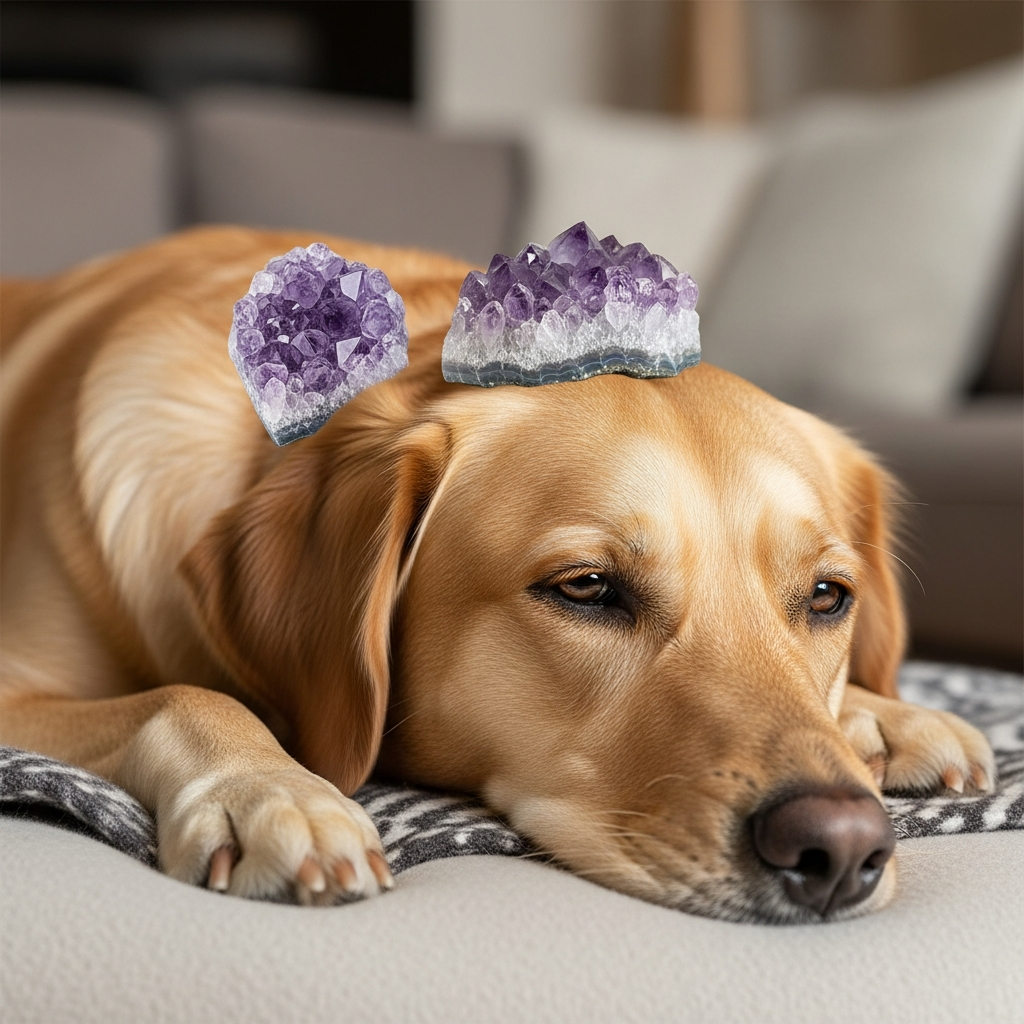
It’s crucial to state upfront: amethyst is NOT a substitute for professional veterinary care, especially when it comes to pain or discomfort. If your dog is showing signs of pain, please consult your veterinarian immediately. However, within holistic and complementary practices, amethyst is sometimes considered a gentle aid that might contribute to a soothing environment, indirectly helping with general well-being or comfort, particularly for chronic, non-acute issues already managed by a vet.
A Gentle Aid for General Well-being
Amethyst is broadly associated with healing and overall well-being. While it doesn’t directly alleviate pain in the way medication does, its purported ability to calm the nervous system and reduce stress might create an environment where a dog feels more at ease. When a dog is less stressed, their body might be better able to cope with existing discomfort. It’s about creating a holistic sense of calm that supports the dog’s natural resilience, rather than acting as a painkiller.
When to Consider (with Vet Approval):
* **Senior Dogs with General Stiffness:** For older dogs experiencing the usual aches and pains of aging, a calm environment created with amethyst might offer a sense of comfort alongside their prescribed care.
* **Dogs Recovering from Non-Surgical Issues:** For very minor, vet-diagnosed issues where discomfort is present (e.g., a mild sprain that the vet has cleared as not serious), amethyst could be part of creating a restful recovery space.
* **Creating a Comfortable “Healing Space”:** If your dog is recovering from an illness or injury and needs a quiet, low-stress environment, amethyst could contribute to that peaceful atmosphere.
Safe Usage:
Always ensure the amethyst is smooth and cannot be ingested. Place it near your dog’s resting area, not directly on a painful spot, as that could cause more stress. The goal is to provide a gentle, supportive energy in their environment. This is about creating comfort and peace, not about directly treating medical conditions. Always, always check with your vet about any symptoms of discomfort your dog is experiencing. Amethyst can be a comforting addition, but never a primary treatment.
Reason 5: Enhancing a Sense of Security and Trust
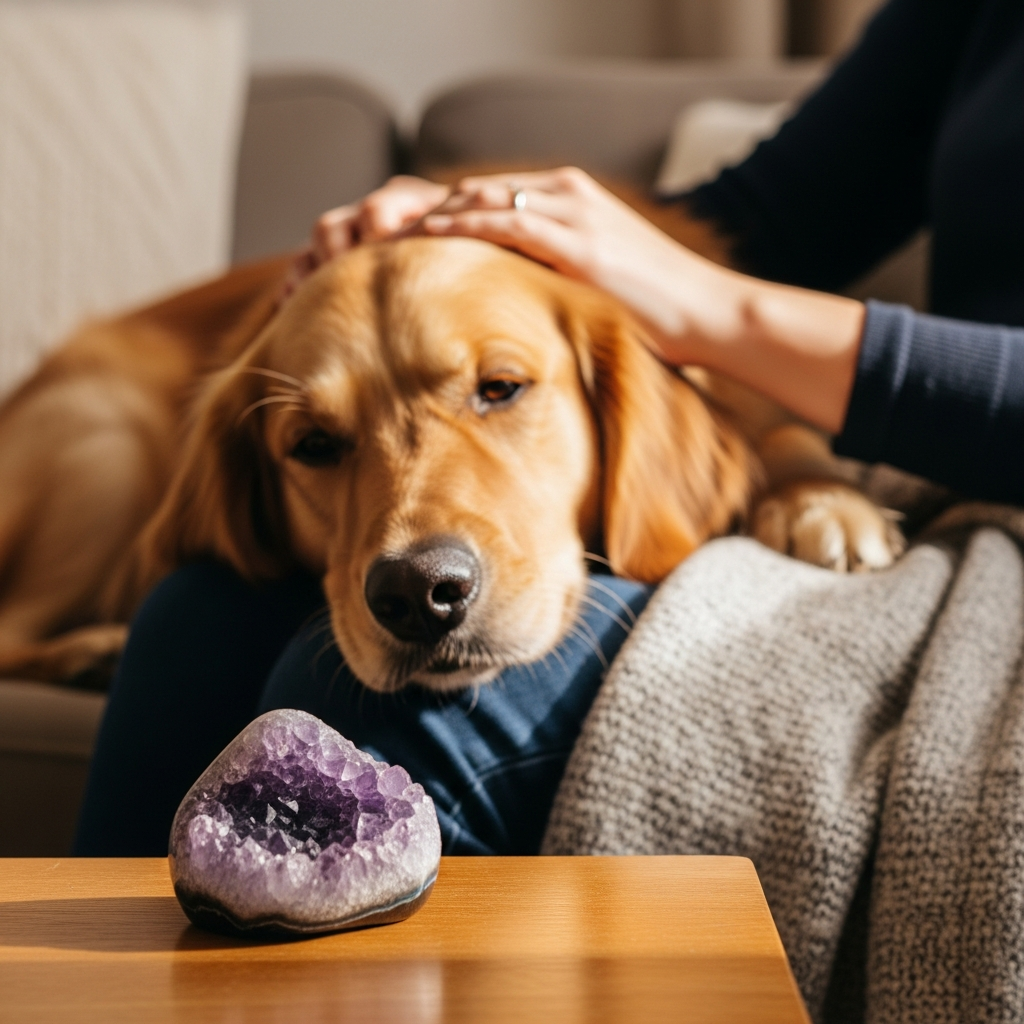
The bond we share with our dogs is built on love, consistency, and a deep sense of trust and security. Dogs thrive when they feel safe in their environment and confident in their human companions. Amethyst, with its consistent and calming energy, may contribute to fostering this sense of security and strengthening the bond between you and your pet.
Building a Peaceful Environment
A dog’s sense of security is deeply tied to the peace and stability of their surroundings. Amethyst is believed to purify and calm the energy in a space, creating a more harmonious atmosphere. When a dog resides in an environment that consistently feels peaceful and secure, their trust in that space, and in you, can deepen. The presence of a calming crystal can symbolize a commitment to their well-being and a steady, nurturing environment.
How Amethyst Might Help:
* **Creating a Consistent, Calm Energy:** By regularly having amethyst in your dog’s living or resting area, you establish a subtle energetic baseline of calm that they can learn to associate with safety and relaxation.
* **Associating the Crystal with Quiet, Safe Times:** If amethyst is present during your dog’s peaceful moments – naps, cuddle times, or quiet play – they may begin to link its presence with feelings of security and contentment.
Strengthening the Bond:
When dog owners thoughtfully consider holistic aids like amethyst, it reflects a deep level of care and intention. Dogs are remarkably perceptive and can pick up on our emotional states and intentions. Your conscious effort to create a soothing environment, even through subtle means like crystals, can be felt by your dog. This shared experience of nurturing a calm home contributes to a stronger, more trusting relationship. It reinforces that you are a reliable source of comfort and protection for them, deepening the special bond you both share.
Important Safety Tips When Using Amethyst with Dogs
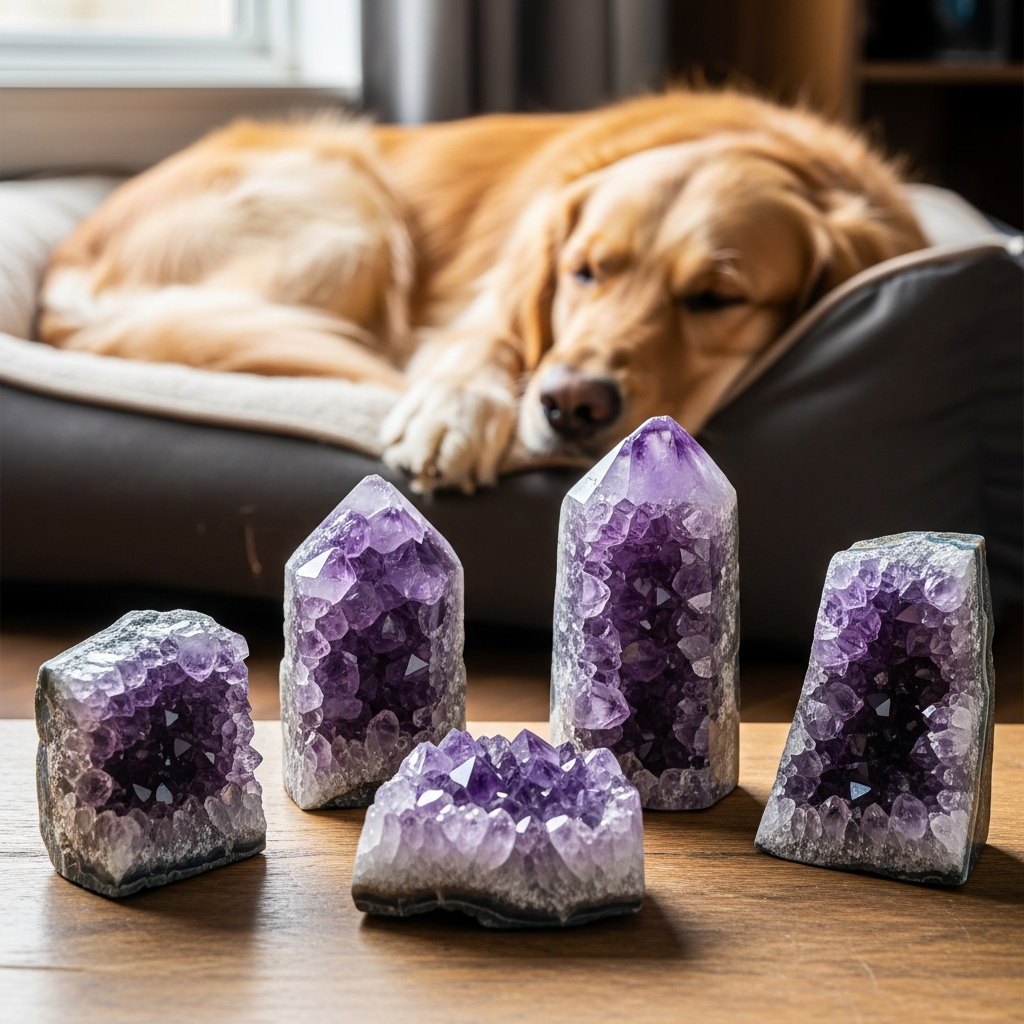
While exploring the potential benefits of amethyst for your dog, safety must always be your top priority. Crystals are natural stones and require careful handling when introduced into a pet’s environment.
Always Prioritize Your Dog’s Safety
* **No Ingestion:** This is the most crucial rule. Never allow your dog to chew on or swallow amethyst. Crystals can be a choking hazard, cause dental damage, or lead to internal injuries or blockages if ingested. Always use smooth, tumbled stones, and keep them out of reach.
* **Supervision:** Especially when you first introduce amethyst, supervise your dog closely. Watch their reaction. Are they interested? Do they try to mouth it? If your dog shows any inclination to chew, remove the crystal immediately.
* **Cleanliness:** Keep your amethyst clean. Wipe it periodically with a damp cloth to remove dust or pet dander. Avoid harsh chemicals.
* **Smooth Stones:** Always opt for smooth, polished, tumbled amethyst stones. Raw or rough crystals can have sharp edges that could injure your dog if they come into contact with them.
* **Vet Consultation:** Amethyst is a complementary tool, not a medical treatment. Always consult your veterinarian for any health concerns, behavioral issues, or before introducing any new supplement or holistic practice, especially if your dog has an existing medical condition.
* **Observing Your Dog:** Pay close attention to your dog’s behavior and well-being. Every dog is an individual. If you notice any negative changes or your dog seems uncomfortable with the crystal’s presence, remove it.
By following these safety guidelines, you can explore the potential benefits of amethyst for your dog in a responsible and caring way.