Bringing a Bulldog into your life is an absolute joy. With their charming wrinkles, distinctive waddle, and loving personalities, they quickly become a cherished part of the family. As a Bulldog parent, you want to ensure your furry friend lives the happiest, healthiest life possible.
Part of that care involves being very mindful of what they eat. Bulldogs, with their unique physiology, can be particularly sensitive to certain foods that might be harmless, or only mildly bothersome, to other dog breeds. Their stocky build and sometimes sensitive stomachs mean that dietary mistakes can lead to serious health issues.
Understanding which human foods are off-limits is key to preventing emergencies and maintaining your Bulldog’s well-being. This guide will walk you through 8 common foods that every Bulldog owner should keep far away from their beloved companion. Let’s make sure your Bulldog stays safe, healthy, and happy.
The Sweet Dangers: Chocolate
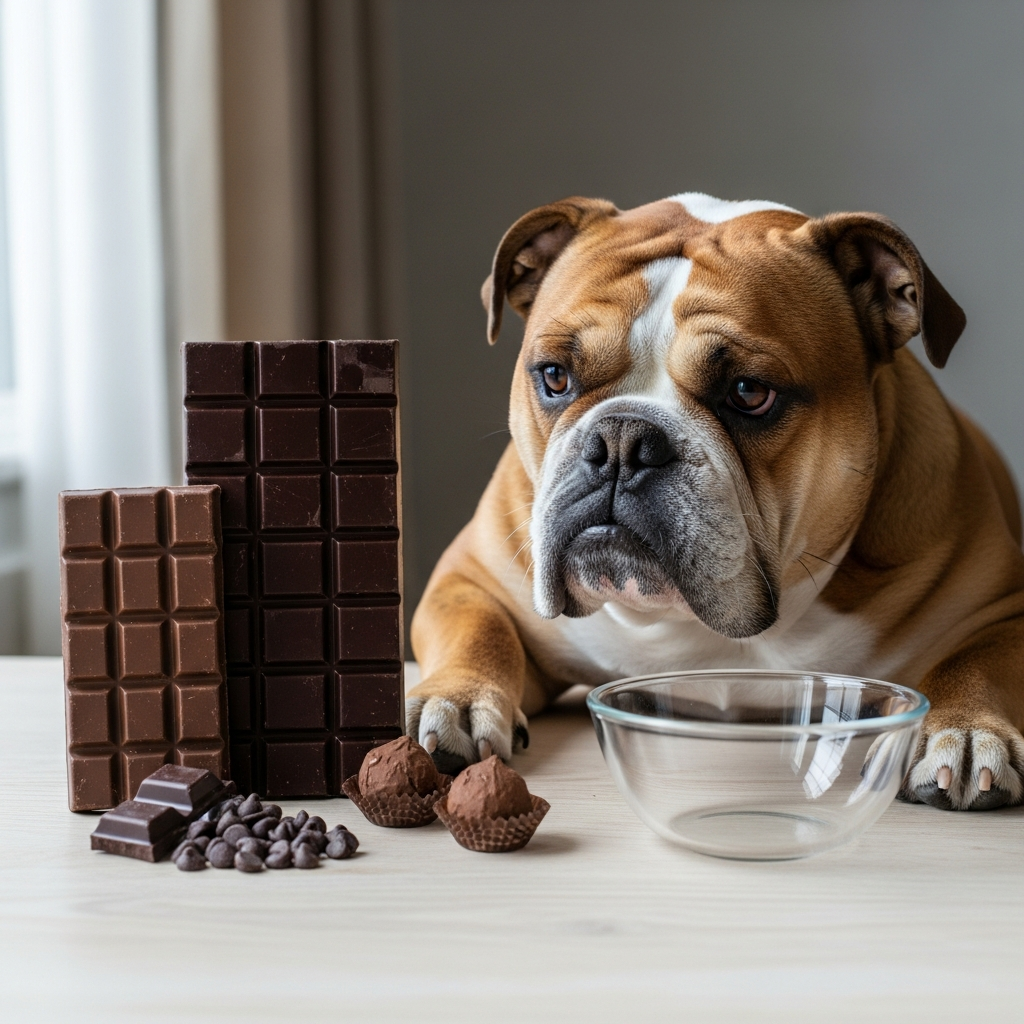
Chocolate is perhaps the most well-known forbidden treat for dogs, and for very good reason. For Bulldogs, even a small amount can cause significant problems.
Why Chocolate is Toxic to Bulldogs
Chocolate contains a substance called theobromine, a stimulant similar to caffeine. Dogs process theobromine much slower than humans do, allowing it to build up to toxic levels in their system. The darker and more bitter the chocolate, the higher the concentration of theobromine, making it more dangerous.
Symptoms of Chocolate Poisoning
Symptoms can vary depending on the amount and type of chocolate ingested. You might notice your Bulldog experiencing vomiting, diarrhea, increased thirst, restlessness, and hyperactivity. In more severe cases, tremors, seizures, and heart problems can occur.
What to Do if Your Bulldog Eats Chocolate
If you suspect your Bulldog has eaten chocolate, contact your veterinarian immediately. They will advise you on the best course of action, which might include inducing vomiting or providing supportive care. Time is crucial in these situations.
Keeping Chocolate Out of Reach
The best prevention is to ensure all chocolate products are stored securely. This includes candy bars, baking chocolate, cocoa powder, chocolate milk, and even chocolate-covered treats. Educate family members and guests about the danger.
Tiny but Potent Threat: Grapes and Raisins
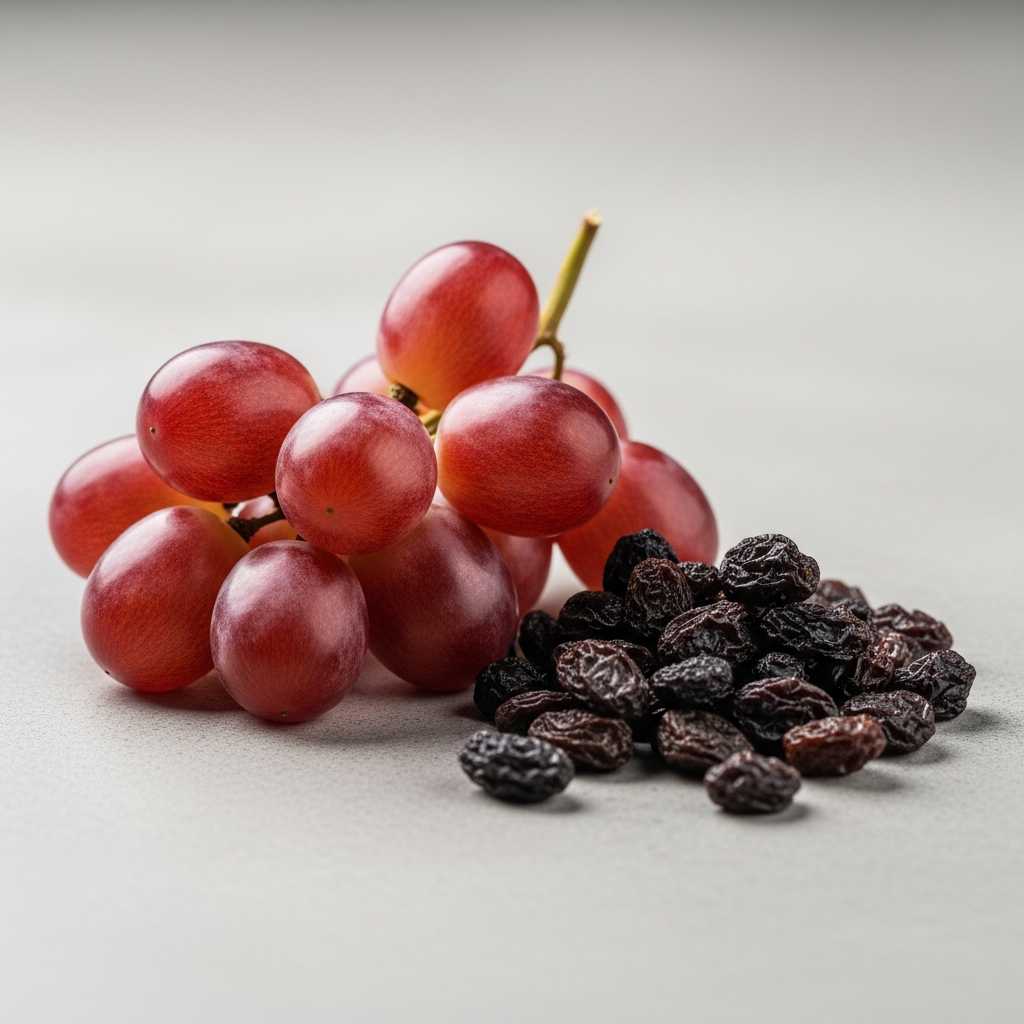
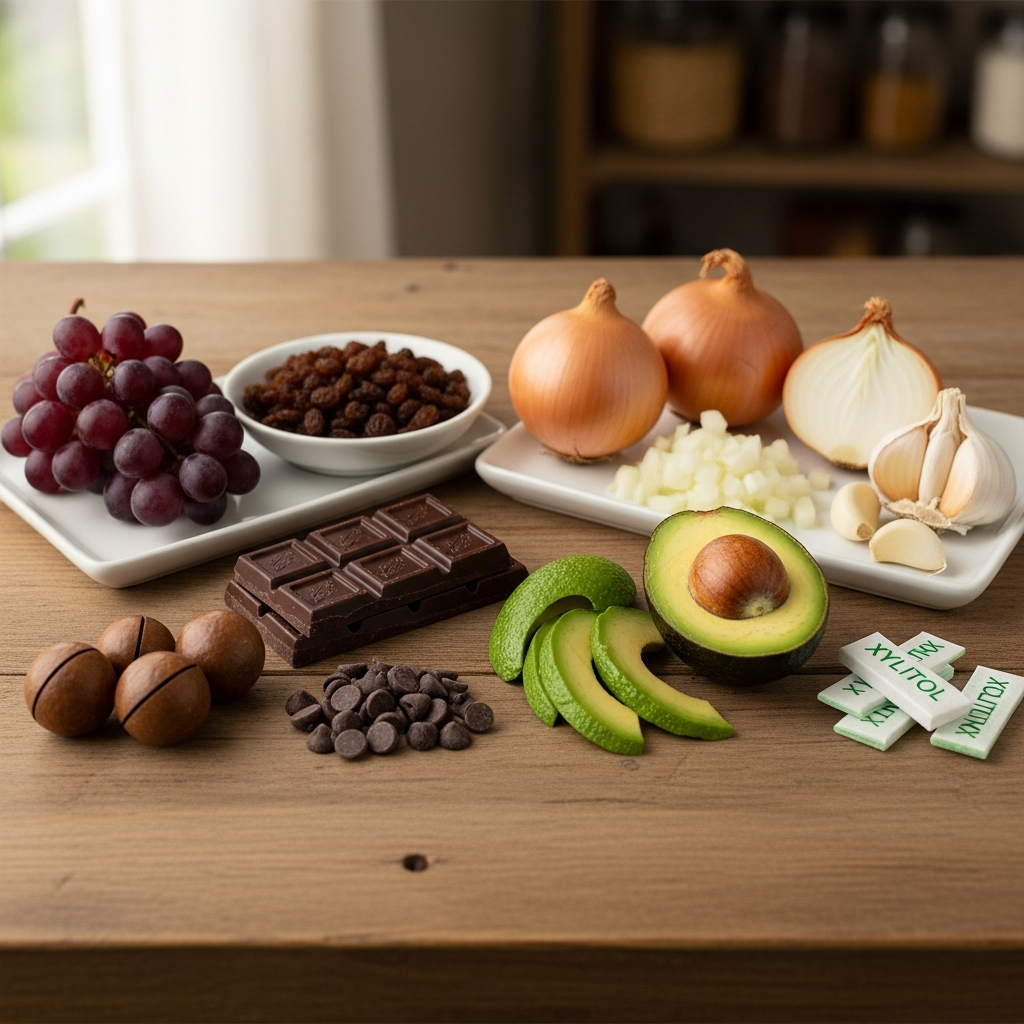
While they seem like an innocent snack, grapes and raisins are highly toxic to dogs, including Bulldogs. The exact toxic substance is still unknown, but their effects can be devastating.
Kidney Failure Risk
Ingesting even a small number of grapes or raisins can lead to acute kidney failure in some dogs. This is a very serious condition that can be fatal if not treated promptly. There doesn’t seem to be a direct correlation between the dog’s size or the amount consumed and the severity of the reaction, making them unpredictably dangerous.
Signs to Watch For
Initial symptoms often appear within hours and can include vomiting, diarrhea, lethargy, and a loss of appetite. As kidney damage progresses, your Bulldog might show increased thirst and urination, followed by a decrease in urine production. Abdominal pain is also a possible sign.
Emergency Steps for Grape and Raisin Ingestion
If your Bulldog eats grapes or raisins, consider it an emergency. Call your vet right away. They may recommend inducing vomiting immediately if it’s within a couple of hours of ingestion. Early intervention is critical to improve the outcome.
Keeping Them Out of Reach
Ensure grapes and raisins are never left on counters, tables, or anywhere your Bulldog can reach. Be mindful of baked goods that may contain raisins, such as cookies, muffins, or fruitcake. Dried fruit mixes are also a hidden danger.
Flavorful for Us, Dangerous for Them: Onions and Garlic
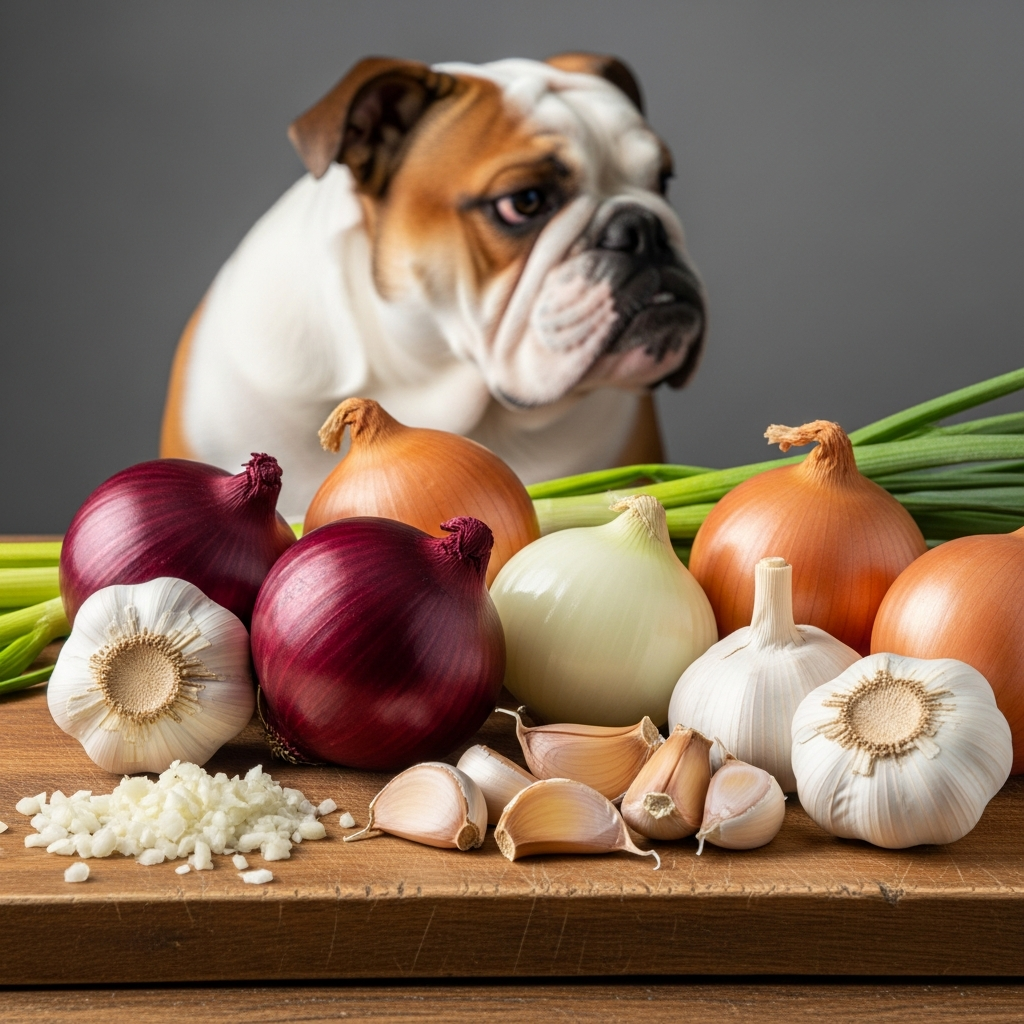
Onions, garlic, chives, and leeks are common ingredients in human cooking, adding wonderful flavor to many dishes. However, they belong to the Allium family, which is toxic to dogs.
Harmful Compounds in Onions and Garlic
These vegetables contain compounds that can damage a dog’s red blood cells, leading to a condition called hemolytic anemia. This means their body cannot carry oxygen effectively, making them weak and sick. Garlic is generally considered more potent than onions.
Signs of Toxicity
Symptoms might not appear immediately; they can be delayed for a few days after ingestion. Look out for lethargy, weakness, pale gums, increased heart rate, rapid breathing, vomiting, diarrhea, and dark urine. Your Bulldog might also lose interest in food.
When to Seek Help
If you know or suspect your Bulldog has eaten a significant amount of onion or garlic, contact your vet, even if symptoms haven’t appeared yet. Early detection and treatment are important. Be extra cautious about seasoned leftovers, sauces, and gravies.
Avoiding Hidden Dangers
Many human foods, like stews, soups, baby food, and processed meats, contain onion or garlic powder. Always check ingredient labels carefully before offering any human food. It’s best to avoid feeding Bulldogs any table scraps unless you are absolutely sure of the ingredients.
The Hidden Sweetener: Xylitol
Xylitol is a sugar substitute gaining popularity in human foods. While safe for humans, it is extremely dangerous and potentially deadly for dogs, including Bulldogs.
Where Xylitol is Found
Xylitol is commonly found in sugar-free chewing gum, mints, candies, toothpaste, mouthwash, peanut butter, certain dietary supplements, and even some baked goods labeled “sugar-free.” Always read ingredient labels on products you bring into your home.
Rapid Blood Sugar Drop and Liver Damage
When a dog ingests xylitol, it causes a rapid and massive release of insulin from their pancreas. This leads to a sudden and severe drop in blood sugar (hypoglycemia), which can occur within 10-60 minutes. In higher doses, xylitol can also cause acute liver failure.
Urgent Care Needed
Symptoms of xylitol poisoning can include vomiting, weakness, staggering, collapse, seizures, and coma. If you suspect your Bulldog has eaten anything containing xylitol, this is a dire emergency.
Checking Labels Carefully
Make it a habit to check ingredient labels on all human foods and personal care products before bringing them home. If you use peanut butter as a treat for your Bulldog, make absolutely sure it does not contain xylitol. Many brands are now adding it.
A Green Light for Humans, Red for Bulldogs: Avocado
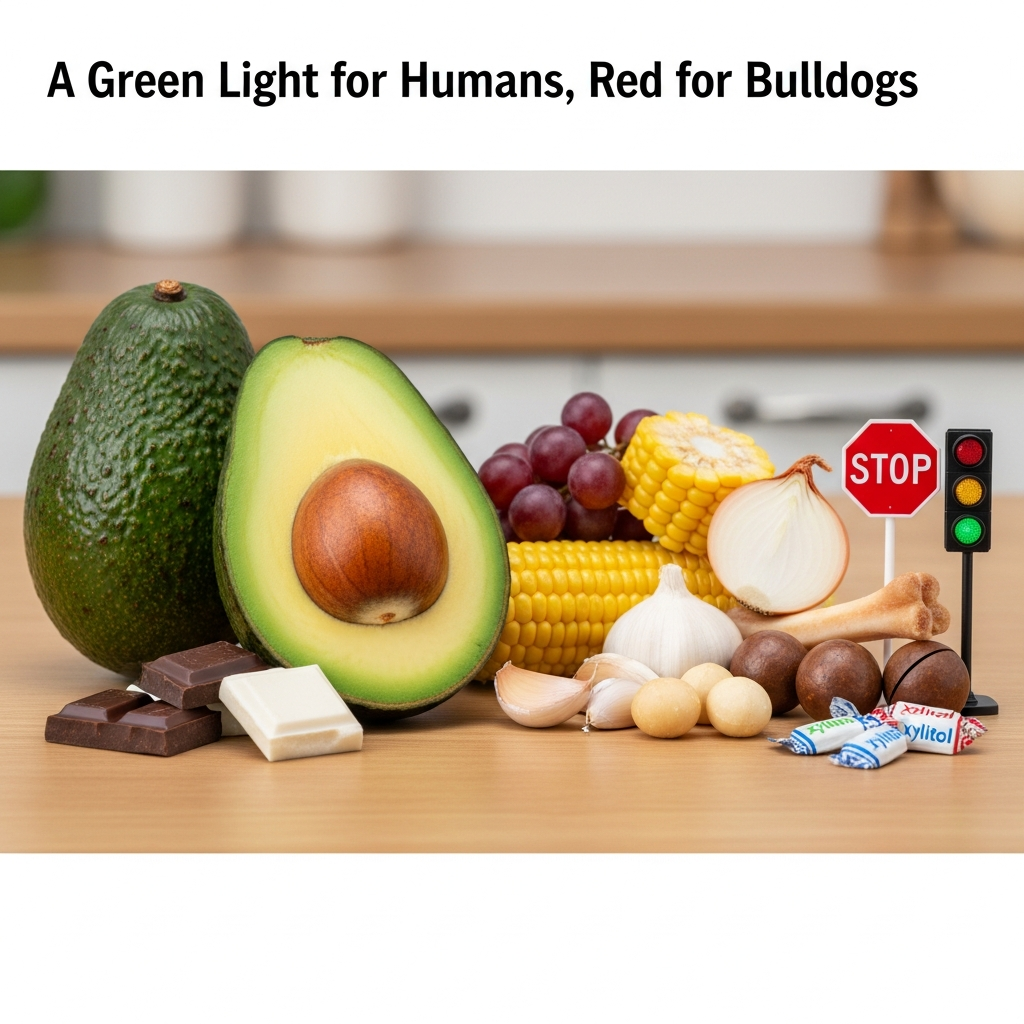
Avocado is a healthy fat source for humans, but for Bulldogs, it can pose a risk. While opinions vary slightly on its toxicity to dogs, it’s generally best to keep it away from your Bulldog.
Persin Content
Avocado contains a fungicidal toxin called persin. While cats and dogs are considered more resistant to persin than some other animals (like birds and horses), large amounts can still cause problems. All parts of the avocado plant, including the fruit, pit, leaves, and bark, contain persin.
Digestive Upset and Other Issues
Ingesting persin can cause digestive upset in Bulldogs, leading to vomiting and diarrhea. The high-fat content of avocado can also trigger pancreatitis in some dogs, a painful and serious inflammation of the pancreas. The large pit is also a choking hazard and can cause intestinal blockage.
When to Be Concerned
If your Bulldog consumes a small amount of avocado flesh, they might be fine, but it’s always best to err on the side of caution. If they eat a larger quantity or manage to get the pit, contact your veterinarian.
Keeping Avocado Away
Ensure avocados and any dishes containing them are kept out of your Bulldog’s reach. Properly dispose of avocado pits and peels immediately after use, as these contain higher concentrations of persin and are tempting for curious pups.
Not a Party Drink for Pups: Alcohol
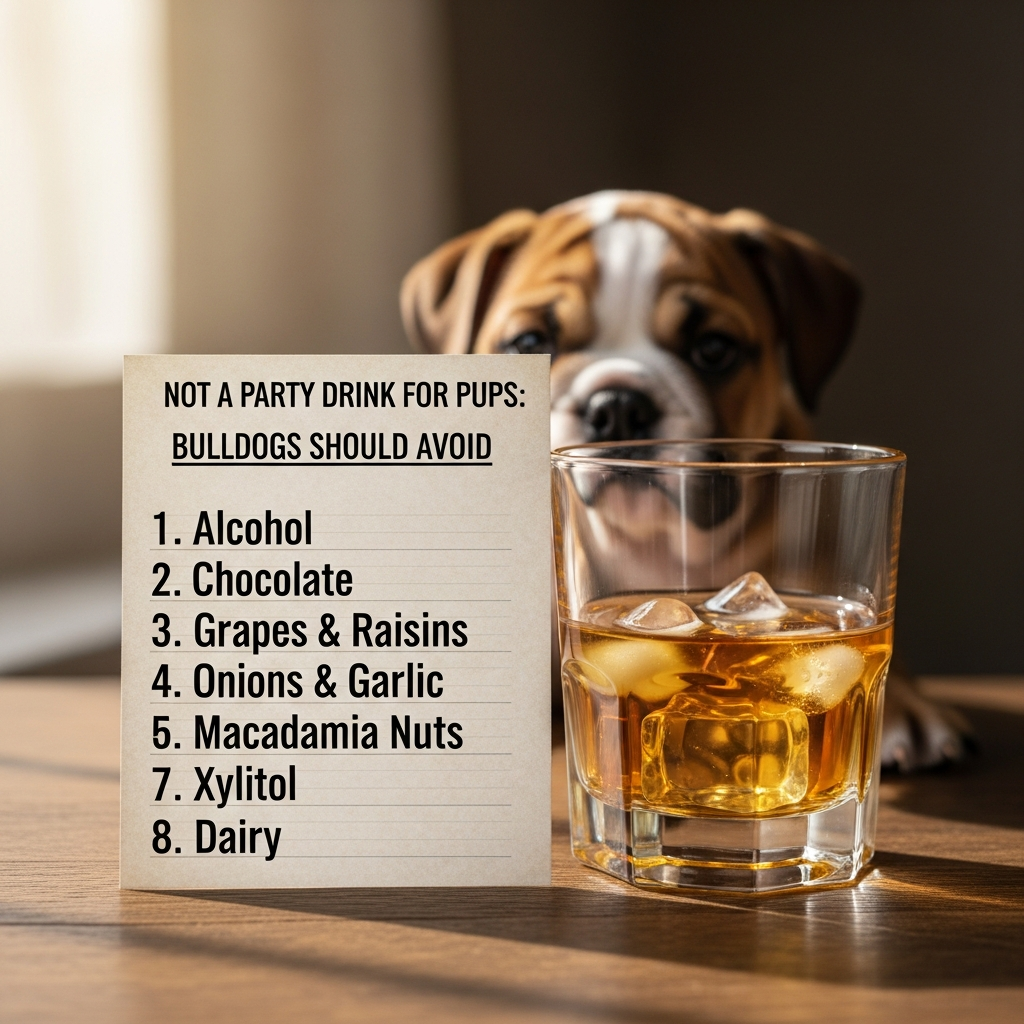
It might seem obvious, but alcohol is extremely dangerous for dogs. Even small amounts can have severe consequences for your Bulldog.
Effects on Their System
Dogs are much more sensitive to alcohol than humans. Their smaller size and different metabolism mean that alcohol can quickly lead to intoxication, depression of the central nervous system, and a dangerous drop in blood sugar, blood pressure, and body temperature.
Symptoms of Alcohol Poisoning
Signs of alcohol poisoning can appear rapidly. These include vomiting, diarrhea, incoordination, disorientation, difficulty walking, excessive drooling, lethargy, and drowsiness. In severe cases, your Bulldog may experience tremors, seizures, respiratory depression, and even death.
Immediate Action
If your Bulldog has consumed any amount of alcohol, treat it as an emergency. Contact your veterinarian or an emergency animal clinic immediately. Do not wait for symptoms to appear.
Securing Alcoholic Beverages
Never leave alcoholic drinks unattended. Store all alcoholic beverages securely where your Bulldog cannot access them. Be mindful of foods containing alcohol, like certain desserts or sauces. Remember, even fermented bread dough can produce alcohol in your dog’s stomach.
A Mystery Toxin: Macadamia Nuts
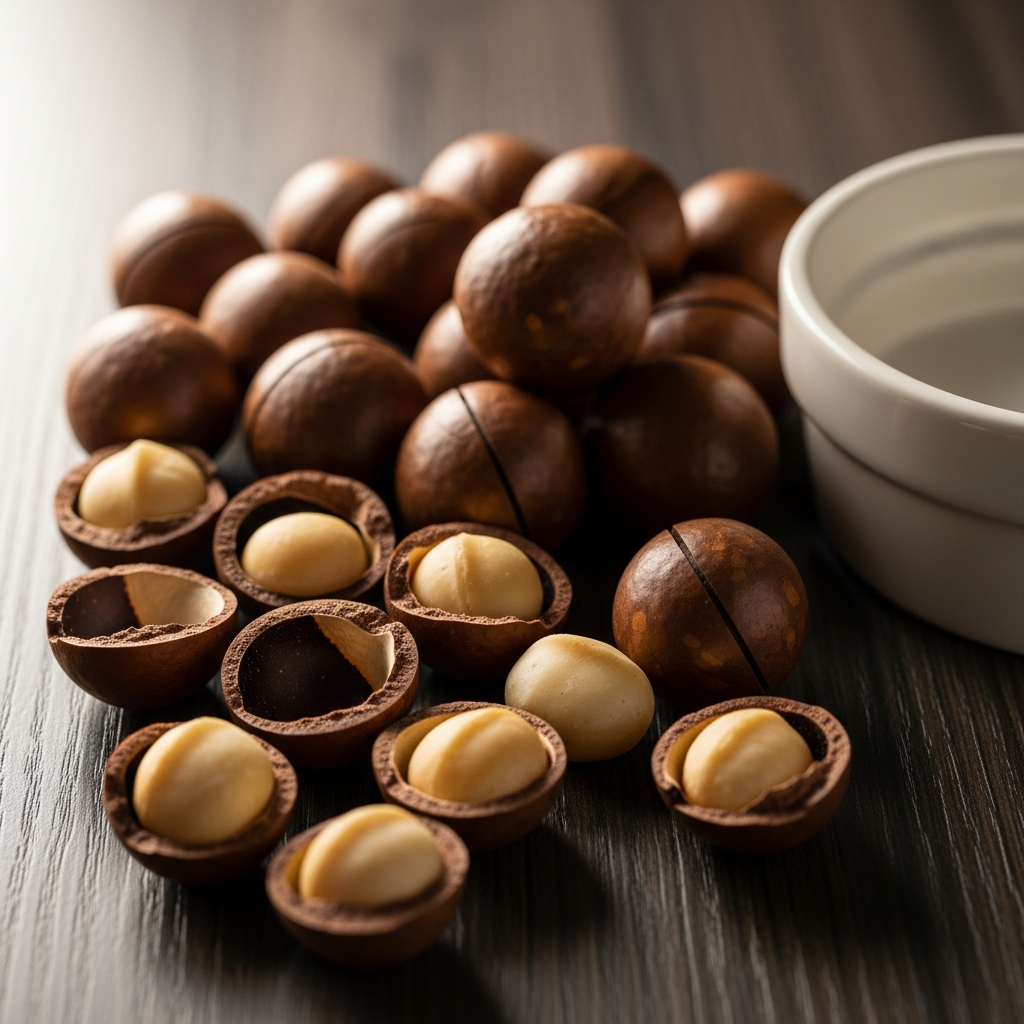
Macadamia nuts are another food that poses a specific, though not fully understood, toxicity risk to dogs, including Bulldogs.
Neurological Effects
While not typically fatal, macadamia nuts can cause a range of debilitating symptoms in dogs. The exact toxin is unknown, but it affects their nervous system and digestive tract. As few as six nuts can cause symptoms in some dogs.
Recognizing the Signs
Symptoms usually appear within 12 hours of ingestion and can last for 24-48 hours. They include weakness, especially in the hind legs, difficulty walking, joint pain, tremors, vomiting, fever, and depression. Your Bulldog might seem painful or reluctant to move.
Contacting Your Vet
If your Bulldog has eaten macadamia nuts, it’s important to contact your veterinarian. They can provide supportive care to manage the symptoms and ensure a smooth recovery. While typically not life-threatening, prompt attention helps alleviate your dog’s discomfort.
Nut Storage Safety
Keep all nuts, including macadamia nuts, in sealed containers and out of your Bulldog’s reach. Be aware that many trail mixes and baked goods contain macadamia nuts, so always check labels.
A Choking Hazard and More: Cooked Bones
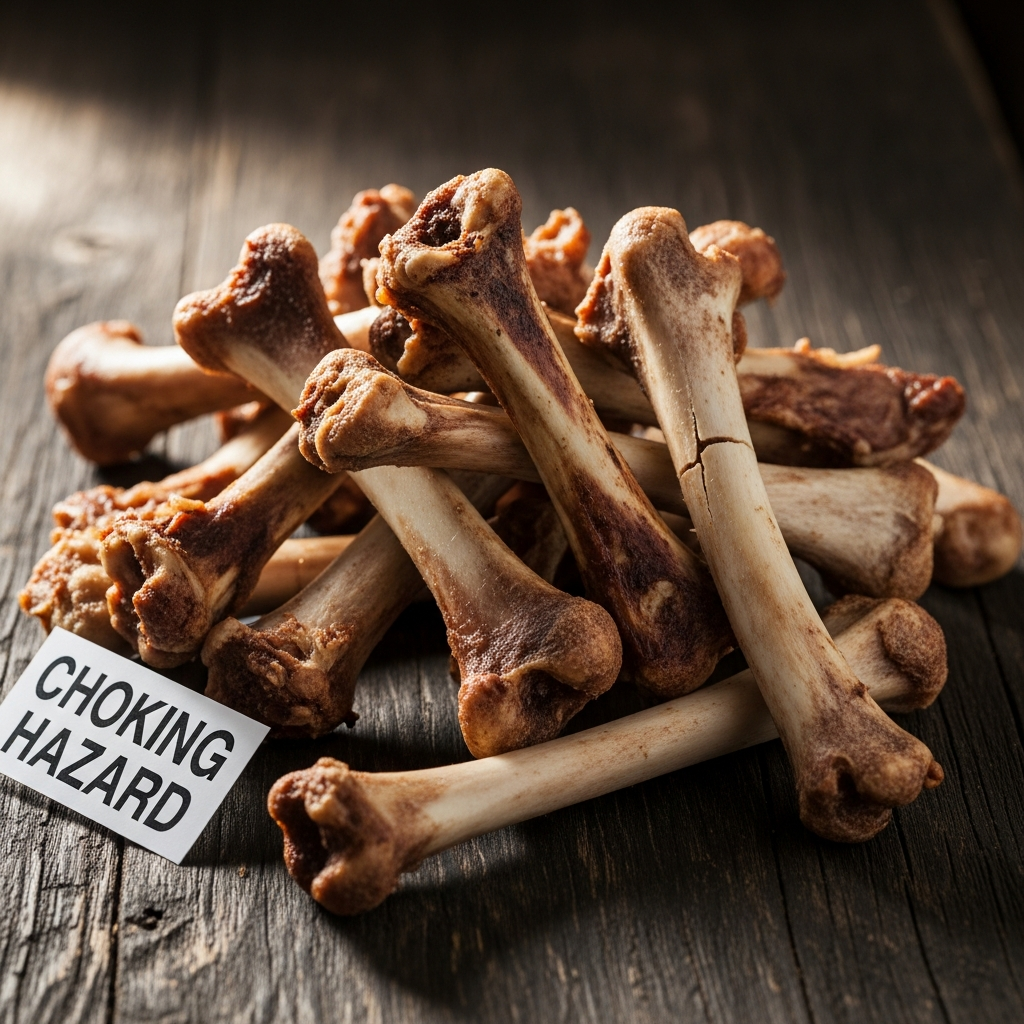
Giving a dog a bone might seem like a natural thing to do, but cooked bones are incredibly dangerous for your Bulldog.
Splintering Risk
When bones are cooked, they become brittle and can easily splinter into sharp fragments. These sharp pieces can cause a range of serious issues as they pass through your Bulldog’s digestive system.
Internal Damage
Splintered bone fragments can cause choking, get stuck in the throat, damage the esophagus, puncture the stomach or intestines, or lead to blockages. These issues often require emergency surgery and can be life-threatening. Even small bone fragments can cause severe constipation or rectal bleeding.
What to Do if They Eat Them
If you suspect your Bulldog has eaten cooked bones and is showing signs of distress (gagging, choking, vomiting, abdominal pain, straining to defecate), seek emergency veterinary care immediately. Even if they seem fine, it’s wise to contact your vet for advice.
Raw vs. Cooked Bone Discussion
While some dog owners advocate for raw bones (under strict supervision and with specific types of bones), cooked bones should always be avoided. The cooking process changes their structure, making them unsafe. Stick to vet-approved chew toys or dental chews instead.