How to Keep Your Dog Calm During Storms and Fireworks
For many dog parents, the rumble of thunder or the pop of fireworks signals not just a change in weather or a celebration, but a period of intense anxiety for their beloved canine companions. The loud, unpredictable noises can turn even the bravest pup into a trembling, panting, or destructive mess. It’s heartbreaking to watch your dog suffer, and you’re not alone in seeking effective ways to ease their distress.
This guide offers practical, compassionate strategies to help your dog navigate these stressful events with greater calm and confidence. From immediate comfort techniques to long-term training approaches, we’ll equip you with the knowledge to create a safer, more peaceful environment for your best friend.
Understanding Your Dog’s Fear
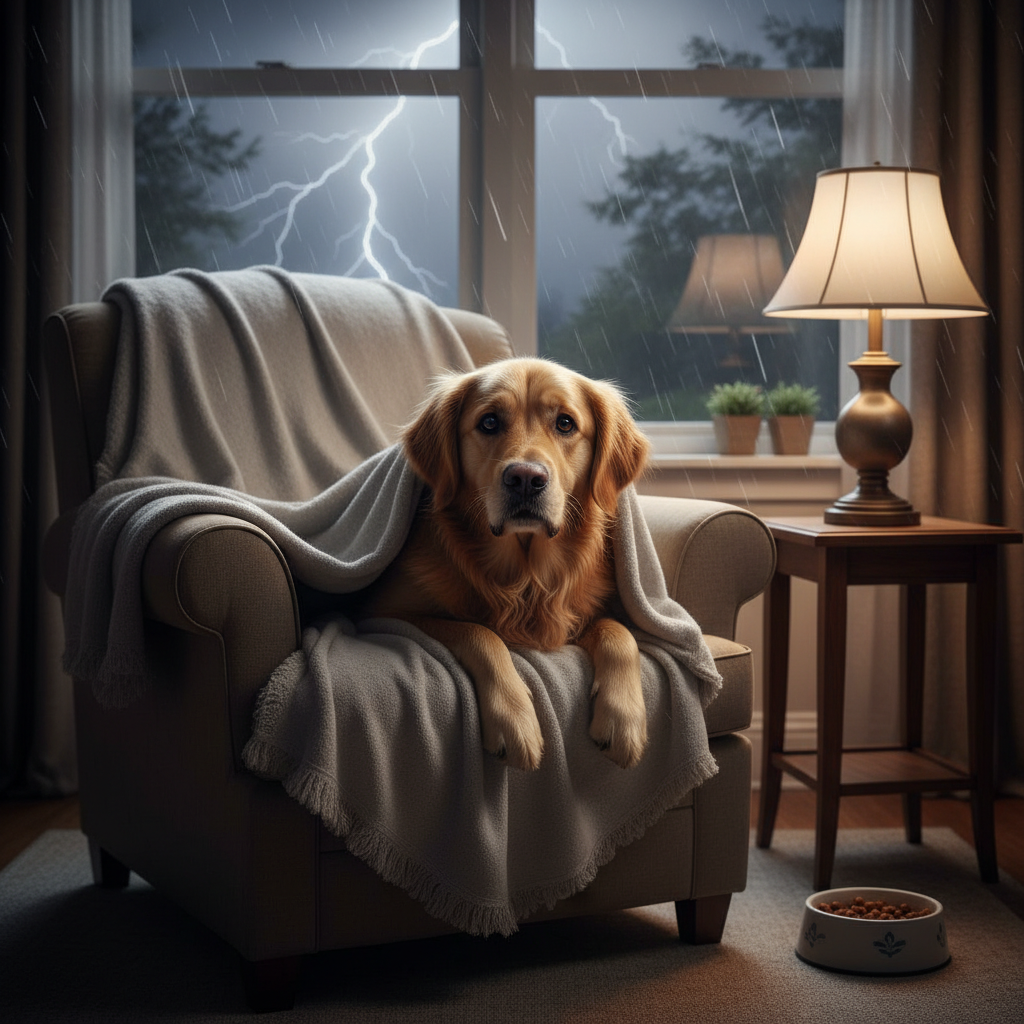
Dogs often react strongly to storms and fireworks due to their heightened senses. Their hearing is far more sensitive than ours, making loud bangs and rumbles feel amplified and overwhelming. The sudden flashes of light, changes in barometric pressure, and even static electricity (which can shock some dogs) can also contribute to their fear. This isn’t just a behavioral issue; it’s a genuine fear response.
Signs of Fear and Anxiety
Recognizing the signs of fear in your dog is the first step toward helping them. These can include:
- Panting and Drooling: Often excessive, even when not hot.
- Trembling or Shaking: Can be subtle or severe.
- Cowering or Hiding: Under furniture, in closets, or behind you.
- Pacing or Restlessness: Unable to settle down.
- Whining or Barking: Unusual vocalizations.
- Destructive Behavior: Chewing, scratching, or attempting to escape.
- Clinginess: Following you everywhere, seeking constant contact.
- Loss of Bladder/Bowels Control: Accidents inside, even if house-trained.
Creating a Safe Haven
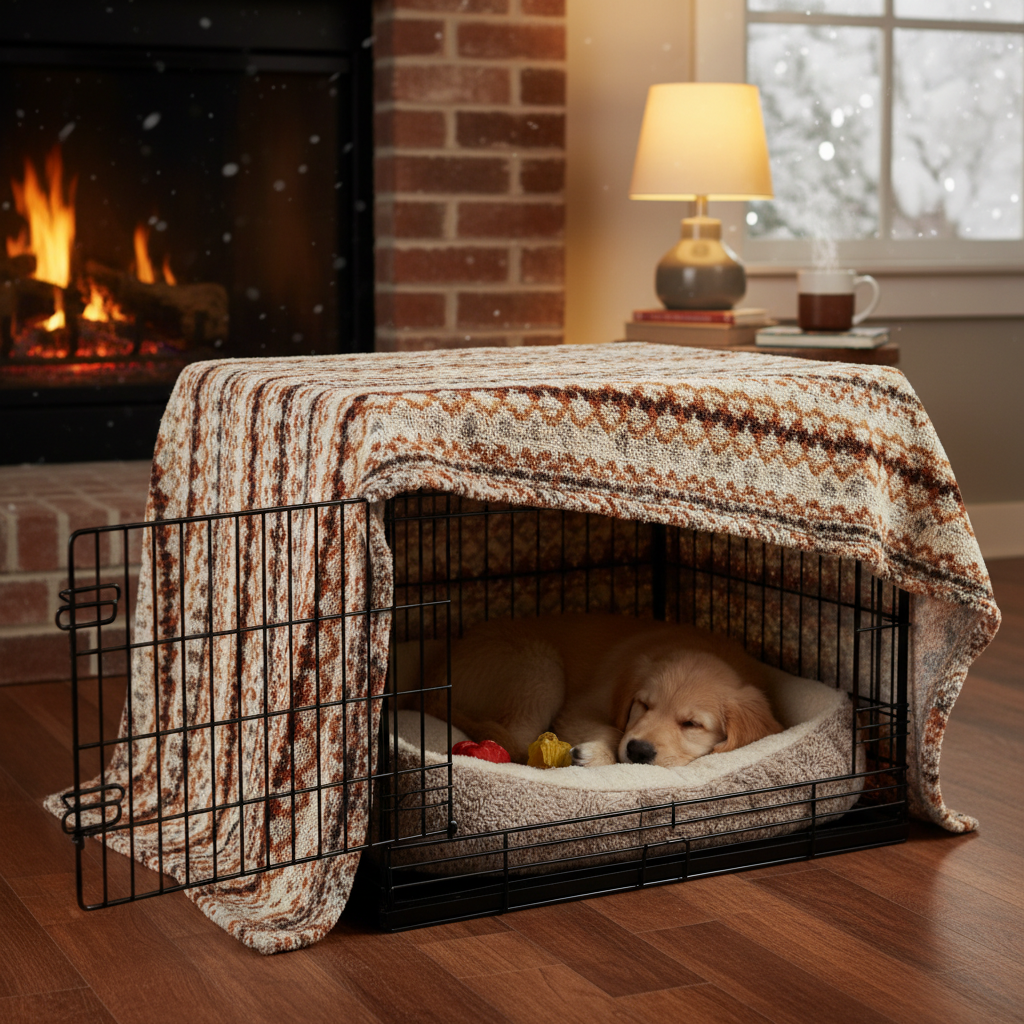
One of the most effective immediate strategies is to provide a designated safe space where your dog can retreat and feel secure. This isn’t about punishment; it’s about comfort and control.
Designating a Calm Space
- Crate Training: If your dog is crate-trained, their crate can become their sanctuary. Cover it with a blanket to muffle sound and create a den-like feel.
- Interior Room: A windowless bathroom, basement, or an interior closet can offer more soundproofing than other areas of the house.
- Comfort Items: Place their favorite bed, blankets, toys, and a piece of your clothing in the safe space. The familiar scent can be very reassuring.
- Sound Masking: Use a white noise machine, fan, or play calming music (classical or reggae often works well) to help drown out external noises.
Using Calming Aids
Several products can help reduce anxiety when used in conjunction with a safe space:
- Thundershirts or Anxiety Wraps: These garments apply gentle, constant pressure, similar to swaddling a baby, which can have a calming effect on many dogs.
- DAP Diffusers and Sprays: Dog Appeasing Pheromone (DAP) products mimic the natural pheromone a mother dog releases to comfort her puppies, promoting a sense of security.
- Calming Chews and Supplements: Ingredients like L-Theanine, L-Tryptophan, or chamomile can help reduce anxiety. Always consult your vet before introducing new supplements.
During the Event- Practical Strategies
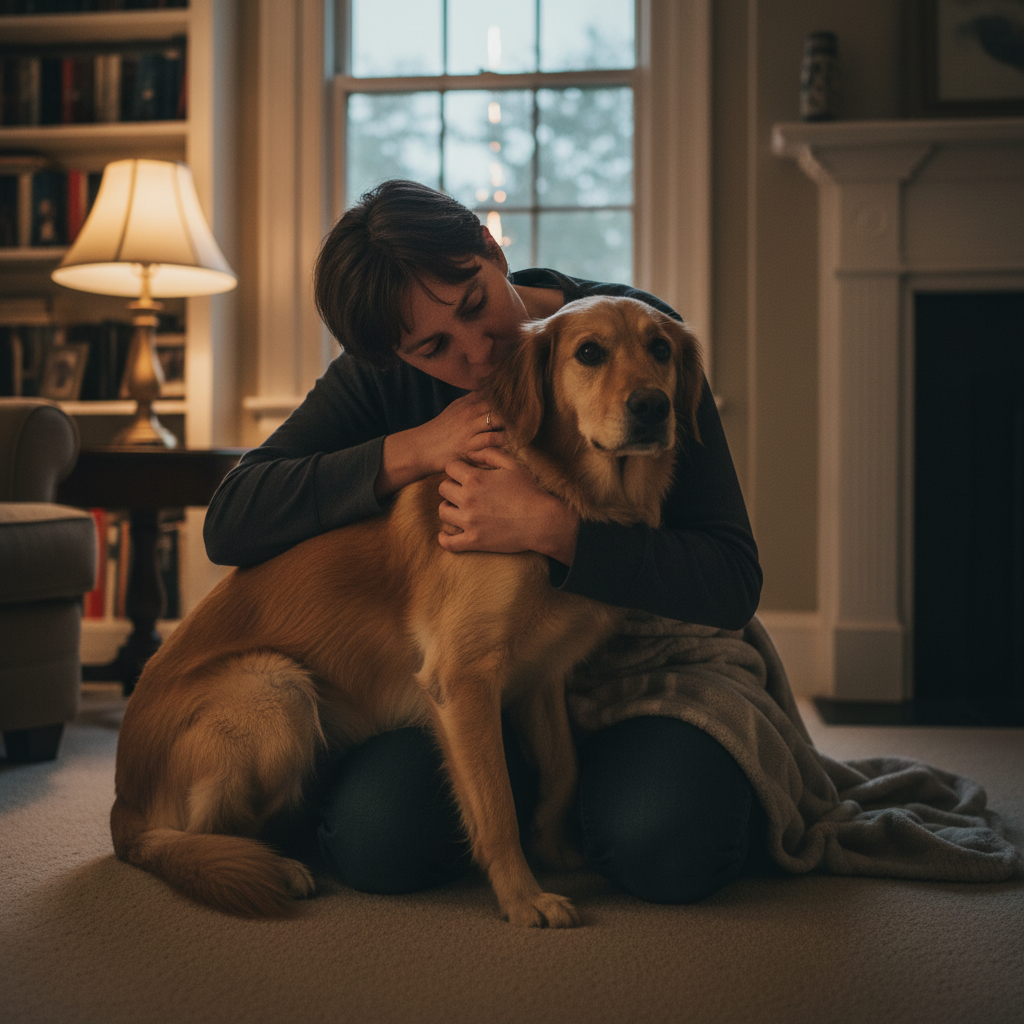
When storms or fireworks are happening, your actions can significantly influence your dog’s reaction.
Distraction Techniques
Engaging your dog in a positive activity can redirect their focus away from the scary noises:
- Interactive Toys: A KONG stuffed with peanut butter or a puzzle toy can keep them mentally occupied.
- Playtime: If they are willing, a gentle game of fetch or tug-of-war in their safe space can be a good distraction.
- Training Sessions: Short, positive training sessions with high-value treats can help them focus on you.
Body Language and Reassurance
Your demeanor is crucial. Dogs are highly attuned to our emotions. If you appear anxious, it can heighten their fear.
- Stay Calm: Speak in a soothing, low voice. Avoid coddling or excessive pity, as this can inadvertently reinforce their fearful behavior.
- Gentle Touch: Some dogs benefit from gentle, continuous petting or massage. Others prefer to be left alone in their safe space. Observe your dog’s cues.
- Avoid Punishment: Never punish your dog for their fear. This will only increase their anxiety and damage your bond.
When to Seek Professional Help
If your dog’s fear is severe, leading to self-injury, extreme destruction, or if home remedies aren’t enough, it’s time to consult a professional.
- Veterinarian: Your vet can rule out underlying medical conditions and discuss prescription anxiety medications that might be appropriate for severe cases.
- Certified Professional Dog Trainer (CPDT) or Veterinary Behaviorist: These experts can help you develop a tailored behavior modification plan.
Long-Term Solutions and Training
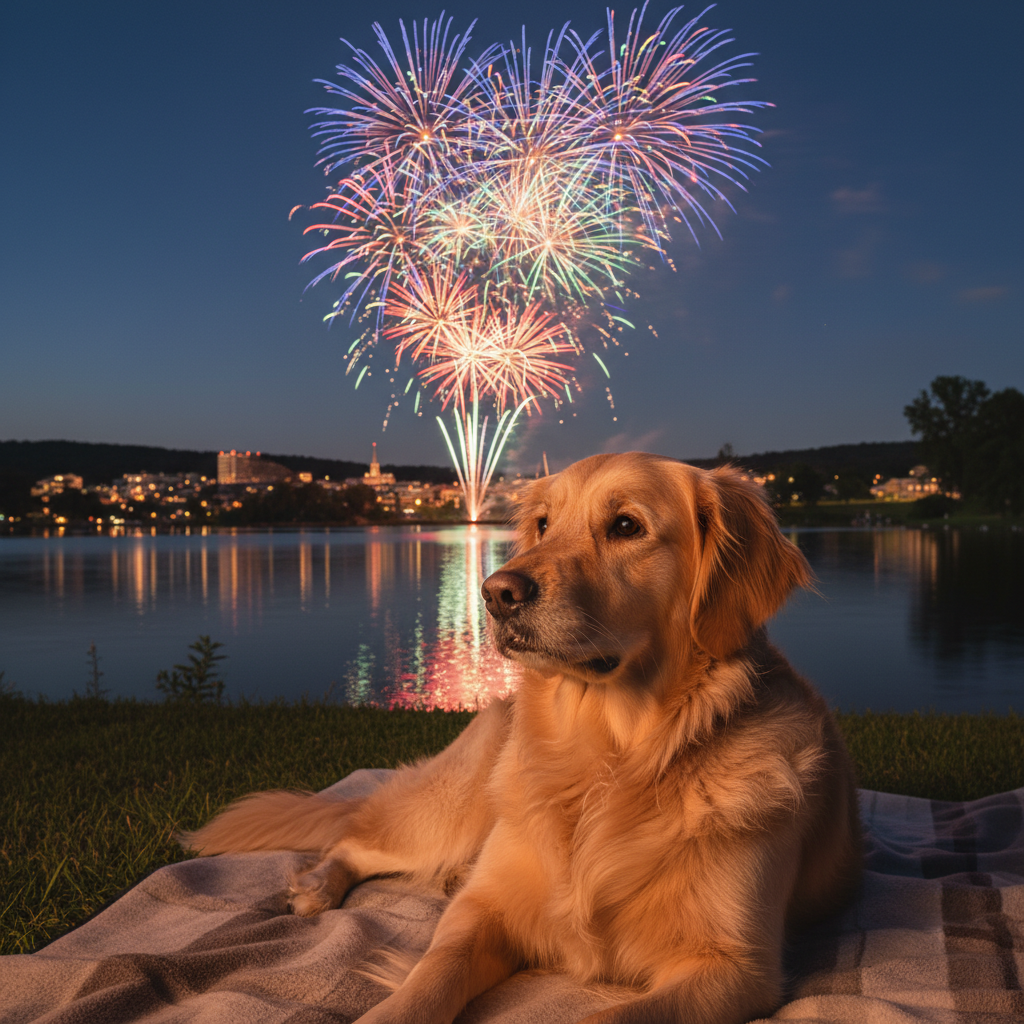
While immediate comfort is essential, long-term training can help your dog build resilience to loud noises.
Desensitization and Counter-Conditioning
This involves gradually exposing your dog to the scary sounds at a very low volume and pairing them with positive experiences.
- Sound Therapy: Play recordings of storm or firework sounds at an almost imperceptible volume while engaging your dog in a favorite activity, like playing or eating treats.
- Gradual Increase: Over weeks or months, slowly increase the volume, ensuring your dog remains relaxed and happy. If they show signs of anxiety, reduce the volume.
- Professional Guidance: This process requires patience and consistency. A professional trainer can guide you through it effectively.
Medication and Supplements
For some dogs, especially those with severe phobias, medication prescribed by a veterinarian can be a game-changer. These might include daily anxiety medication or situational medication given before an anticipated event. Always discuss potential side effects and proper usage with your vet.
Conclusion
Watching your dog struggle with fear during storms and fireworks is challenging, but remember that you have the power to make a significant difference. By understanding their fears, creating a safe sanctuary, using calming aids, and employing patient, consistent training methods, you can help your beloved companion feel more secure and less anxious. Every dog is unique, so pay close attention to their individual needs and responses. With your love, support, and these strategies, you can transform these stressful times