There’s something irresistibly charming about seeing your pet’s eyes light up at the sight of a cheesy treat. For many dog and cat parents, sharing a tiny piece of cheese feels like a special moment, a small indulgence that strengthens the bond. The purrs, the tail wags, the eager glances – these reactions make us want to share even more of our human delights. But before you offer that tempting morsel, it’s crucial to understand that not all cheese is created equal when it comes to our furry friends. While some cheese can be a relatively safe treat in moderation, others can pose serious health risks, turning a moment of joy into a veterinary emergency. Our beloved pets rely on us to make informed decisions about their diet, and that includes understanding the precise dos and don’ts of sharing human foods.
As devoted pet parents, our goal is always to provide the best care, and that extends to every treat we offer. This comprehensive guide will walk you through the seven essential rules you must follow to ensure that any cheese you share with your pet is done safely and responsibly. From choosing the right type of cheese to understanding meticulous portion control and recognizing potential risks, we’ve got every aspect covered. Let’s ensure those cheesy moments remain joyful, healthy, and worry-free for your cherished companion, reinforcing your bond with every safe treat.
Why Pets Love Cheese – The Allure

It’s no secret that many pets are utterly enamored with cheese. Its rich flavor, creamy texture, and often strong aroma make it incredibly appealing. For dogs especially, cheese can be a high-value treat, perfect for training or just a special reward. It contains fat and protein, which are tasty, but also the reason why moderation is absolutely critical. Understanding this natural attraction helps us appreciate why pets beg for it, but also reinforces our responsibility to offer it wisely and sparingly.
Rule 1 – Moderation is Absolutely Key
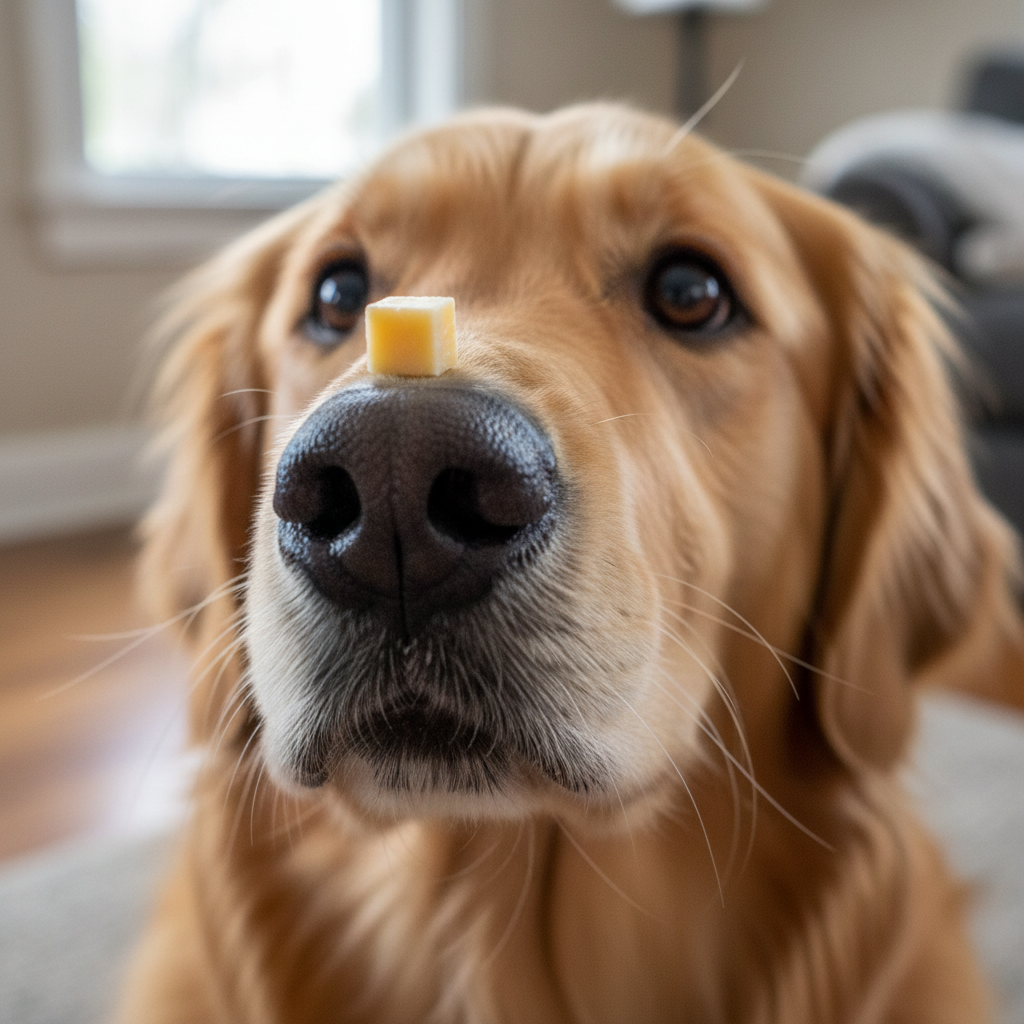
This is perhaps the most important rule when it comes to sharing cheese with your pet. Cheese should always be considered a rare treat, not a meal substitute or a significant part of your pet’s daily diet. Even safe cheeses are notoriously high in fat and calories. Too much cheese can quickly lead to unwanted weight gain, serious digestive upset, and even conditions like pancreatitis, which can be life-threatening. Think of it as a tiny reward – for example, a crumb-sized piece for a small dog like a Chihuahua, or a piece no larger than your thumbnail for a bigger dog. For cats, even smaller amounts are appropriate, perhaps just a tiny lick.
- Keep portions tiny: A sliver, a crumb, or a pea-sized piece is sufficient.
- Infrequent treats: Offer cheese only occasionally, perhaps once a week, not daily.
- Factor into daily calories: Remember that all treats, including cheese, should make up no more than 10% of your pet’s total daily caloric intake. Exceeding this can unbalance their primary diet.
Never offer a large chunk or multiple pieces in one sitting, as this significantly increases the risk of digestive issues.
Rule 2 – Choose Low-Lactose Options Carefully

Just like some humans, many pets are lactose intolerant. This means their digestive system lacks sufficient amounts of the enzyme lactase, which is necessary to properly break down lactose, the natural sugar found in milk products. Feeding high-lactose cheese can lead to uncomfortable digestive issues such as gas, bloating, diarrhea, and vomiting. Opting for cheeses that are naturally lower in lactose is a much safer bet for your furry friend.
Generally Safer Cheese Choices (lower in lactose due to aging):
- Cheddar: Aged cheddar has very little lactose, as much of it is broken down during the aging process.
- Swiss: Another excellent aged cheese with significantly reduced lactose content.
- Parmesan: Known for being very low in lactose due to its extensive aging process.
- Mozzarella: Fresh mozzarella has moderate lactose, but can be okay in very tiny amounts.
- Cottage Cheese: While higher in lactose than hard, aged cheeses, some pets tolerate it well in small quantities, often due to its live cultures. Always start with minuscule amounts and observe.
Cheeses to Be Wary Of or Avoid Entirely (higher in lactose or other issues):
- Cream Cheese: Typically high in both fat and lactose.
- Ricotta: Generally high in lactose.
- Blue Cheese (e.g., Roquefort, Gorgonzola): Contains specific molds that produce roquefortine C, which can be highly toxic to pets. Avoid entirely.
- Goat Cheese: Can be high in fat and lactose, and some varieties also contain problematic molds.
- Processed Cheese Slices (e.g., American cheese): Often laden with additives, excessive salt, artificial colors, and preservatives not suitable for pets.
Always prioritize plain, unflavored varieties.
Rule 3 – Check for Toxic Ingredients
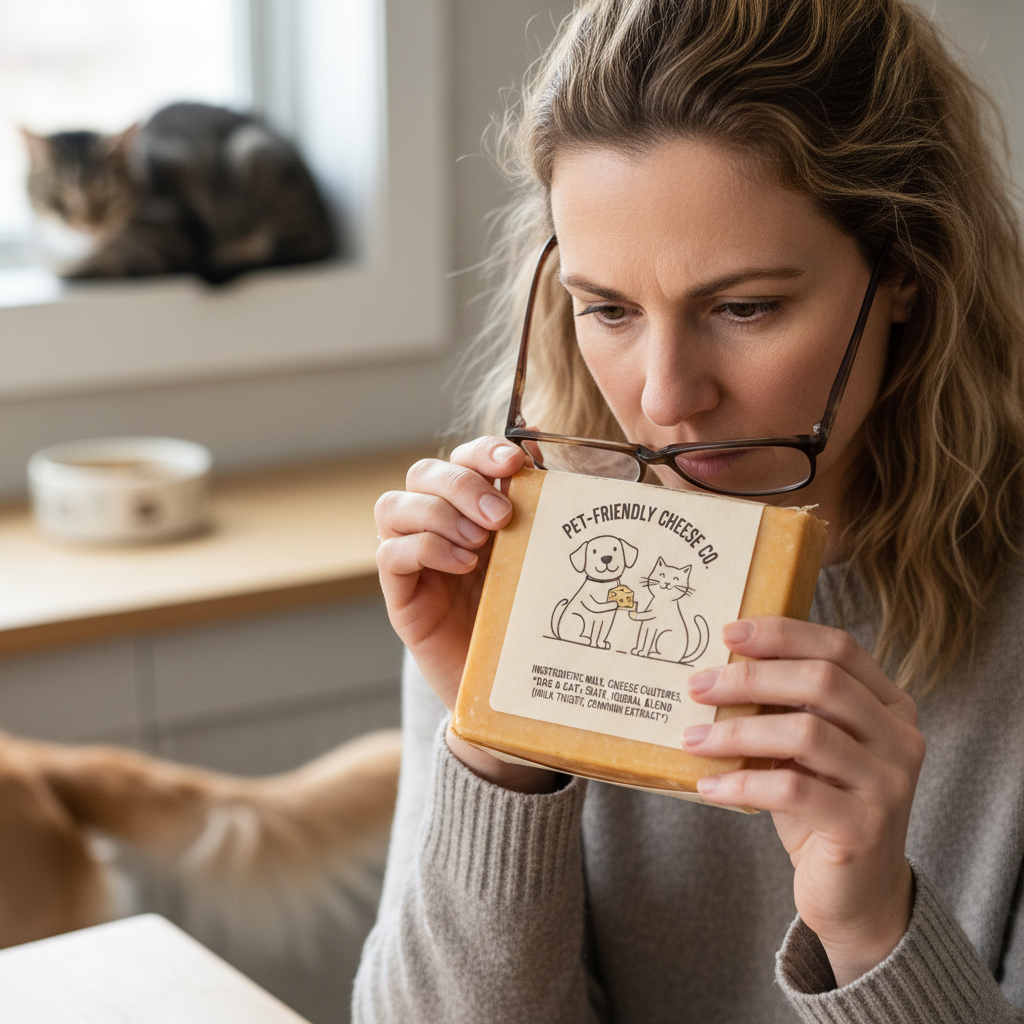
Some cheeses, especially flavored or processed varieties, can contain ingredients that are highly toxic to pets. It’s imperative to always read the ingredient list carefully and thoroughly before sharing any cheese with your furry friend, no matter how small the piece.
- Onions, Garlic, Chives: These alliums are highly toxic to both dogs and cats, causing damage to red blood cells and potentially leading to anemia. Many gourmet or flavored cheeses contain these ingredients.
- Xylitol: An artificial sweetener found in some human foods (though thankfully less common in cheese, it’s worth checking). It is extremely toxic to dogs, causing a rapid and dangerous drop in blood sugar and potential liver failure.
- Excessive Salt: High sodium content can be dangerous, especially for pets with underlying health conditions like heart disease or kidney issues. Some processed cheeses are very high in salt.
When in doubt about any ingredient, it’s always best to stick to plain, unflavored cheese or simply withhold it.
Rule 4 – Watch for Signs of Lactose Intolerance or Allergies

Even if a cheese is generally considered ‘safe’ for pets, your individual companion might have a unique sensitivity, intolerance, or allergy. After introducing cheese, carefully monitor your pet for any adverse reactions. Symptoms can appear within a few hours or even a day later, so close observation is key.
Common signs of intolerance or allergy include:
- Diarrhea (ranging from mild to severe)
- Vomiting
- Excessive gas and bloating
- Abdominal pain or discomfort (seen as restlessness, hunched posture)
- Itching, skin rashes, or ear infections (less common but possible for true allergies)
If you notice any of these symptoms, stop feeding cheese immediately and consult your veterinarian. Some pets might be fine with a tiny amount once, but react poorly to repeated exposure. If your pet has an underlying health condition, such as inflammatory bowel disease or a sensitive stomach, even a small amount of cheese might trigger a flare-up. Always err on the side of caution and consult your vet if you’re unsure.
Rule 5 – Consider the Calorie Count and Your Pet’s Weight

Cheese is calorie-dense, meaning a small piece packs a significant caloric punch. This can contribute substantially to your pet’s daily caloric intake, especially for smaller breeds or pets prone to weight gain. Obesity in pets is a growing concern and can lead to serious health problems like diabetes, arthritis, heart disease, and a shortened lifespan.
- Know your pet’s ideal weight: Have an honest discussion with your veterinarian about your pet’s healthy weight range.
- Calculate daily calorie needs: Your vet can also help you determine your pet’s appropriate daily caloric intake based on their age, breed, activity level, and health status.
- Account for all treats: Remember that all treats, including cheese, should not exceed 10% of their daily calories. This ensures their main diet remains balanced and they receive adequate nutrition from their pet food.
Think of cheese as a tiny, occasional indulgence, much like a birthday cake for a human – not an everyday snack. If your pet is overweight, on a weight management plan, or has a history of pancreatitis, it’s best to avoid cheese altogether or consult your vet for specific, personalized recommendations.
Rule 6 – Avoid Moldy or Aged Cheeses with Specific Molds
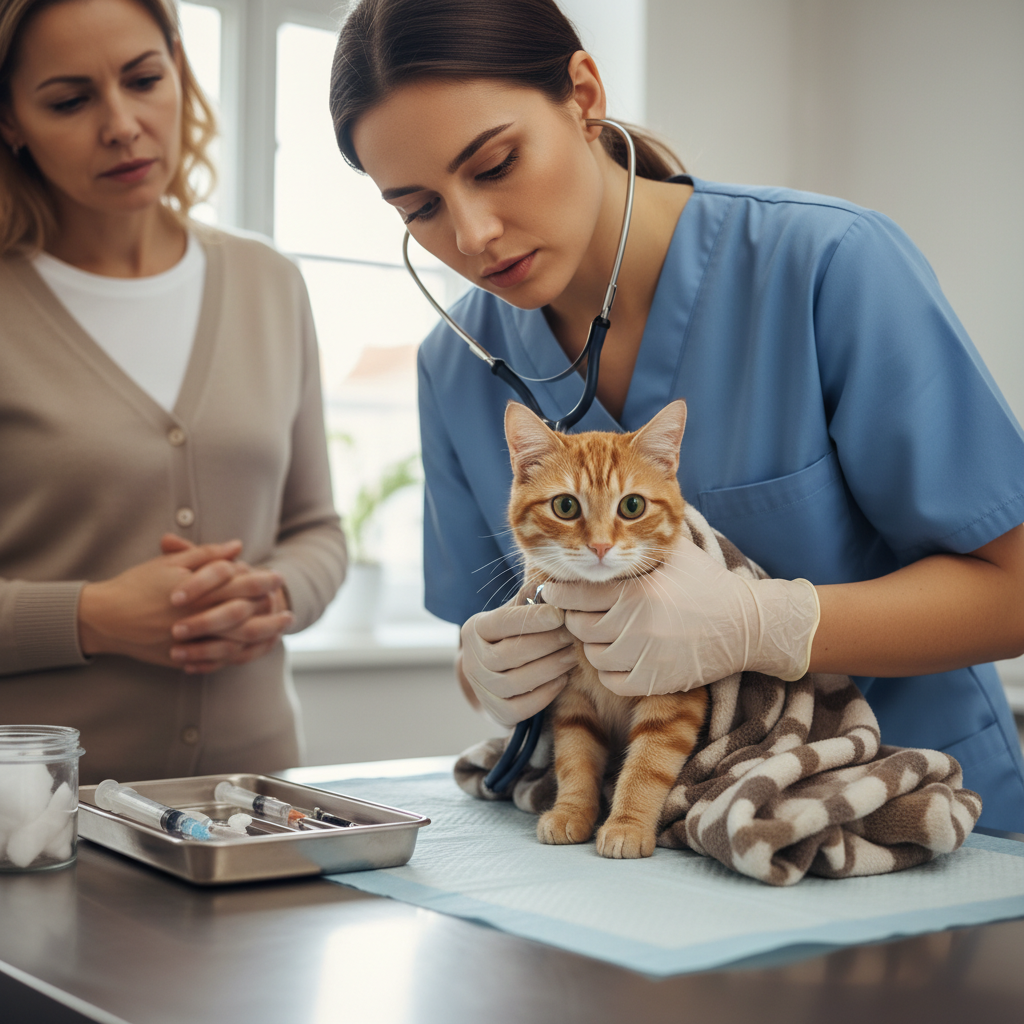
While some hard, aged cheeses like cheddar are safe, others that contain specific molds or are intentionally moldy (such as blue cheese varieties like Roquefort, Gorgonzola, or Stilton) are genuinely dangerous for pets. These cheeses contain a substance called roquefortine C, which can be highly toxic to dogs and cats. Ingesting it can potentially cause a range of severe symptoms, including vomiting, diarrhea, tremors, seizures, and dangerously elevated body temperature. Always keep these types of cheeses completely out of your pet’s reach and never offer them.
Furthermore, any cheese that has accidentally gone moldy in your refrigerator should be immediately discarded and kept securely away from pets. The molds on spoiled human food can produce various mycotoxins that are harmful and can cause significant illness if ingested by your furry companion.
Rule 7 – Introduce Gradually and Observe Closely

When introducing any new food to your pet, whether it’s a new kibble or an occasional treat like cheese, it’s crucial to do so slowly and carefully. Offer a tiny, pea-sized piece (or even smaller for cats or very small dogs) and then wait at least 24-48 hours to observe for any adverse reactions. This allows you to monitor their digestive system and overall well-being.
If your pet shows no signs of discomfort or illness, you can offer it again in similar small quantities, but always infrequently. This gradual introduction helps you pinpoint if cheese is the cause of any potential issues and allows your pet’s digestive system to adjust without being overwhelmed. If you notice even mild symptoms, it’s a clear sign that cheese might not be suitable for your pet.
Sharing cheese with your pet can indeed be a delightful experience, a small token of affection that strengthens your unique bond. However, as compassionate and responsible pet parents, our unwavering primary goal is always their health and safety. By diligently following these seven carefully outlined feeding rules, you can ensure that those cheesy moments remain a safe, happy, and truly special part of your pet’s life, rather than a cause for worry or a trip to the emergency vet. Always prioritize their well-being, listen attentively to their body’s signals, and remember that when in doubt, a quick, reassuring chat with your trusted veterinarian can provide the very best, personalized guidance. Your furry friend deserves the absolute best care, and that unequivocally includes thoughtful, informed, and safe treat choices that contribute to their long, joyful, and healthy life by your side.