Seeing your beloved dog develop a rash can be incredibly upsetting. One moment they’re full of life, and the next, they’re constantly scratching, licking, or biting at irritated skin. It’s a clear sign of discomfort, and as a devoted pet parent, you want to help them feel better as quickly and safely as possible.
While it’s natural to want to jump in and soothe their skin right away, it’s crucial to understand that a rash is often a symptom of an underlying issue. That’s why the first and most important step is always a visit to your veterinarian. They can properly diagnose the cause and recommend the most effective, vet-approved treatment plan.
In this article, we’ll explore seven common vet-approved remedies for dog rashes. These aren’t DIY solutions to try before a diagnosis, but rather treatments your vet might prescribe or recommend once they’ve identified what’s bothering your furry friend.
Understanding Why Your Dog Has a Rash (Before the Remedies)
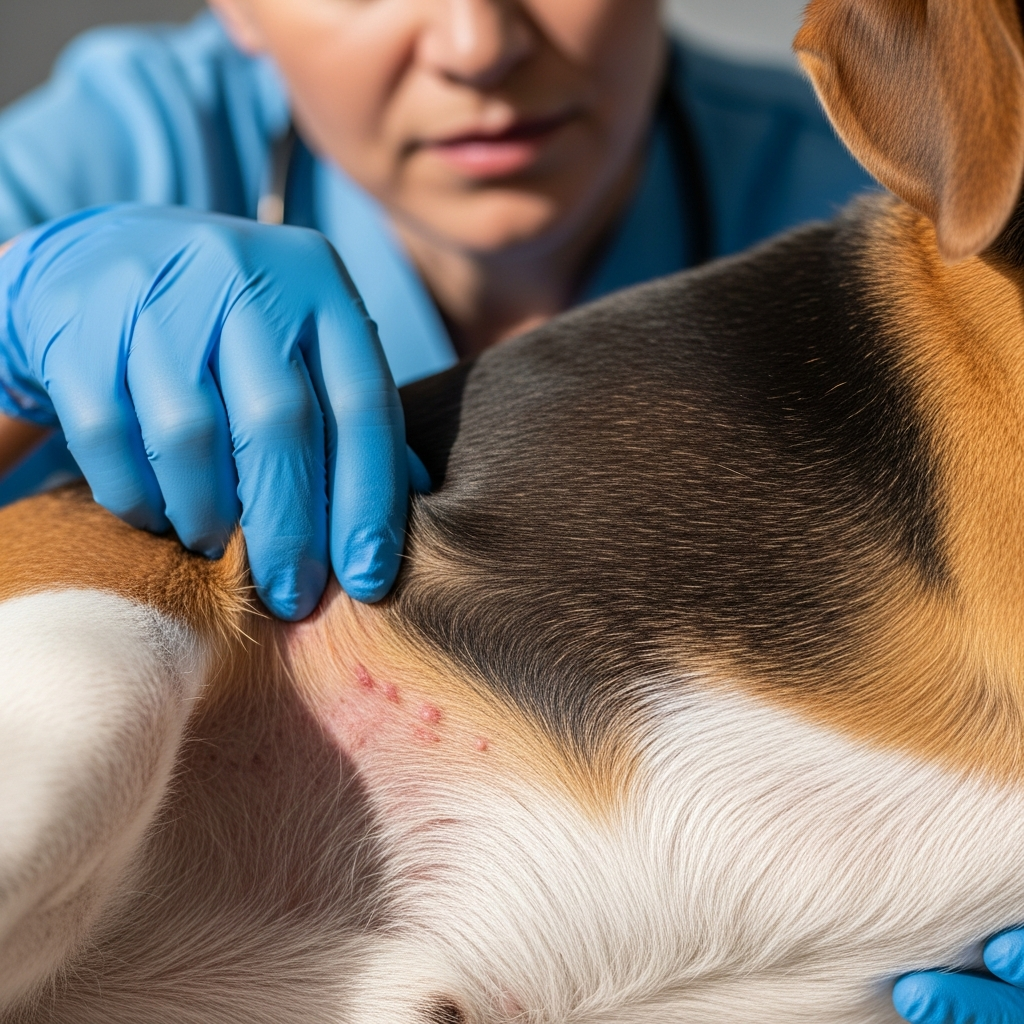
Before diving into solutions, it helps to know what might be causing your dog’s skin trouble. Rashes can look similar, but their origins can be vastly different, requiring tailored approaches. Your vet will conduct an examination and possibly tests to pinpoint the exact cause.
Common Causes of Dog Rashes
Many factors can contribute to skin irritation and rashes in dogs. Knowing these can help you understand your vet’s diagnosis.
Allergies:** Just like humans, dogs can suffer from environmental allergies (pollen, dust mites, mold) or food allergies (certain proteins, grains). These often manifest as itchy, red skin.
Parasites: Fleas, mites (like sarcoptic or demodectic mange), and even ticks can cause intense itching, redness, and bumps, leading to a rash.
Infections: Bacteria or fungi (like yeast) can take advantage of irritated or compromised skin, leading to secondary infections that worsen a rash.
Hot Spots (Acute Moist Dermatitis): These are quickly developing, often painful, red, moist, and infected lesions caused by excessive licking or chewing in one area.
Irritants: Contact with certain plants, chemicals, or harsh grooming products can directly irritate your dog’s skin.
Dry Skin: Especially in drier climates or during winter, a dog’s skin can become dry, flaky, and itchy, leading to a mild rash.
When to See the Vet (Always the First Step)
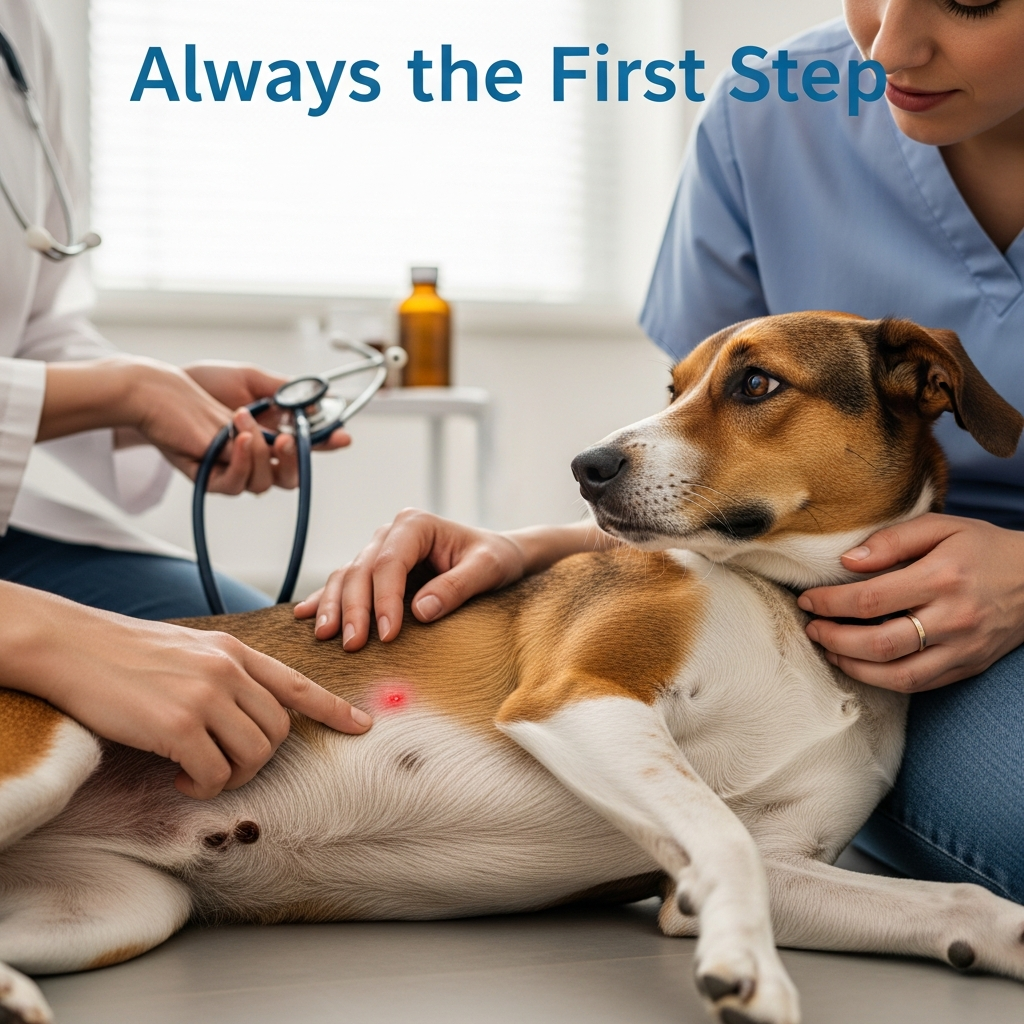
It cannot be stressed enough: if your dog has a rash, your first call should always be to your veterinarian. Trying to self-diagnose or treat a rash at home without knowing the cause can delay proper healing or even make the problem worse.
Your vet will thoroughly examine your dog, perhaps take skin scrapings, or recommend blood tests to get to the bottom of the issue. This precise diagnosis is the foundation for effective treatment.
Signs that a rash is serious and needs immediate veterinary attention include:
* The rash is spreading rapidly.
* Your dog seems to be in pain when touched.
* There’s an unpleasant odor coming from the rash.
* Your dog is lethargic, has a fever, or isn’t eating.
* The skin is broken, bleeding, or oozing pus.
The 7 Vet-Approved Remedies for Dog Rashes (Based on Diagnosis)
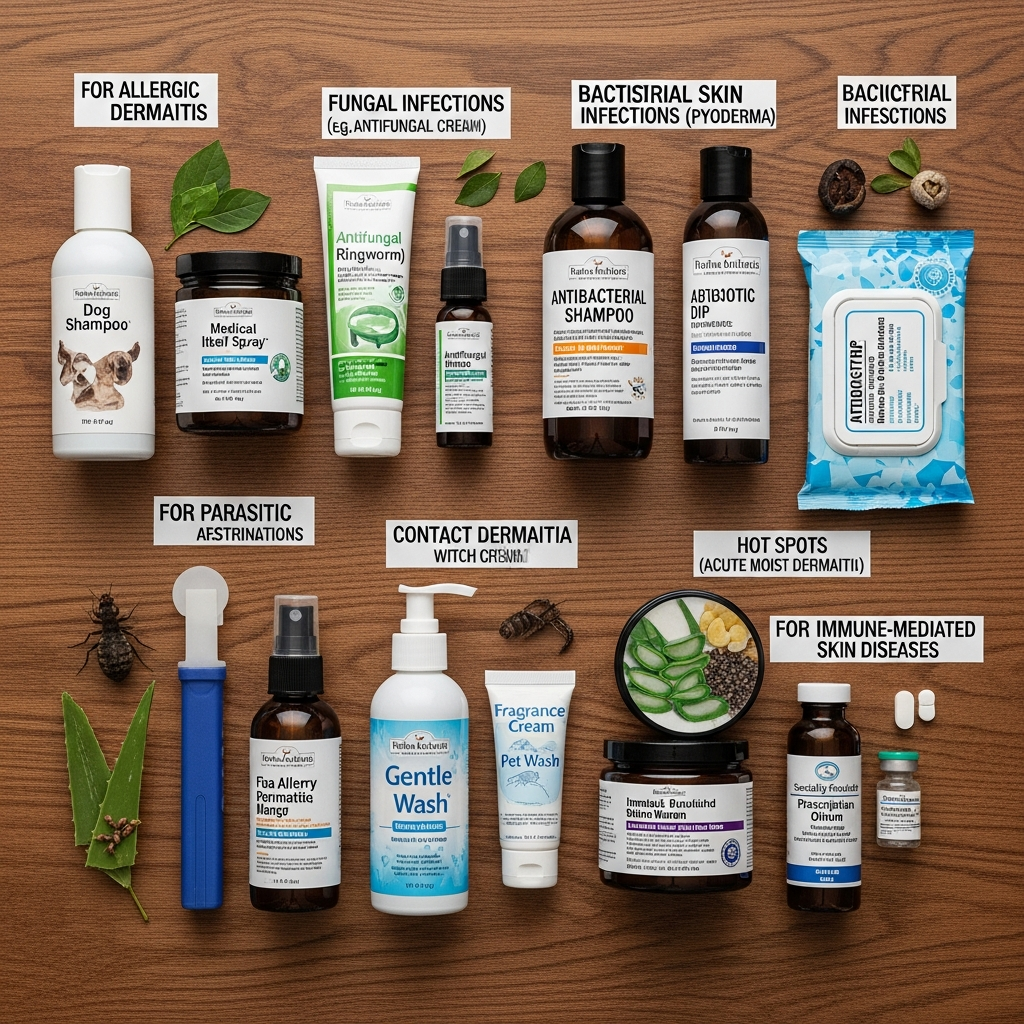
Once your vet has identified the cause of your dog’s rash, they will recommend one or more of these effective, vet-approved remedies. These treatments are designed to target the specific problem and bring relief to your furry friend.
Remedy 1: Medicated Shampoos and Conditioners
For many skin conditions, particularly those involving infections or widespread irritation, medicated baths are a cornerstone of treatment. These aren’t just any shampoos; they contain active ingredients specifically chosen by your vet.
What They Are
Medicated shampoos often contain antifungal agents (like miconazole or ketoconazole), antibacterial ingredients (like chlorhexidine), or anti-itch components (like colloidal oatmeal or hydrocortisone). Medicated conditioners can add moisture and prolong the effects of the shampoo.
How They Help
These special formulas cleanse the skin, remove allergens, reduce microbial load, soothe irritation, and deliver therapeutic agents directly to the affected areas. They can be incredibly effective for managing yeast infections, bacterial dermatitis, and allergic skin conditions.
Vet’s Role
Your veterinarian will prescribe the correct type of medicated shampoo or conditioner based on your dog’s specific diagnosis. They will also advise on the frequency of baths and the duration of the treatment.
Practical Tip
Always follow your vet’s instructions carefully. Typically, medicated shampoos need to stay on your dog’s skin for 5-10 minutes to allow the active ingredients to work before rinsing thoroughly. Ensure you rinse all traces of shampoo to prevent further irritation.
Remedy 2: Topical Creams, Sprays, and Ointments
When a rash is localized, topical treatments can provide targeted relief and healing. These are applied directly to the affected skin area.
What They Are
These products can include anti-inflammatory steroids, antibiotics, antifungals, or soothing agents. They come in various forms like creams, gels, and convenient sprays.
How They Help
Topical medications reduce inflammation, fight local infections (bacterial or fungal), and provide immediate relief from itching and discomfort right where it’s needed most.
Vet’s Role
Your vet will prescribe the appropriate topical medication after diagnosing the type of rash. They will instruct you on how often to apply it and for how long.
Practical Tip
It’s essential to prevent your dog from licking the treated area, especially if the cream contains steroids or antibiotics. An Elizabethan collar (e-collar or “cone of shame”) might be necessary to allow the medication to absorb and prevent ingestion. Apply a thin layer as directed.
Remedy 3: Oral Medications for Systemic Relief
For more severe, widespread, or persistent rashes, or those caused by systemic issues, oral medications are often necessary.
What They Are
These can include oral antibiotics for bacterial infections, oral antifungals for yeast or ringworm, antihistamines for allergy relief, or corticosteroids (like prednisone) to reduce severe inflammation and itching. Newer allergy medications specifically target the itch pathway without being steroids.
How They Help
Oral medications work from the inside out, addressing underlying infections or controlling systemic allergic reactions that manifest as skin rashes. They can provide broad relief across the body.
Vet’s Role
Your vet will determine if oral medication is needed, selecting the right type and dosage for your dog’s condition, weight, and overall health. They will also monitor for any potential side effects.
Practical Tip
Always administer oral medications exactly as prescribed by your vet. Do not stop treatment early, even if your dog seems better, as this can lead to a relapse or antibiotic resistance. Finish the entire course.
Remedy 4: Flea and Parasite Control
Many rashes, especially those around the tail base, groin, or hindquarters, are a direct result of parasitic infestations, most commonly fleas. Mites can also cause intense irritation and hair loss.
What They Are
These remedies involve veterinary-grade spot-on treatments, oral medications, or sometimes medicated shampoos/dips designed to kill fleas, ticks, and mites.
How They Help
By eliminating the parasites, these treatments directly remove the source of irritation, allowing the skin to heal and preventing future outbreaks. Regular prevention is key.
Vet’s Role
Your vet will identify if parasites are the culprit and recommend the most effective, safest product for your dog based on their lifestyle, local parasite prevalence, and other health factors.
Practical Tip
Consistent, year-round flea and parasite prevention is crucial, even if your dog doesn’t go outdoors often. Remember to treat your home environment as well, as flea eggs and larvae can lurk in carpets and furniture.
Remedy 5: Dietary Management for Food Allergies
If your vet suspects a food allergy is causing your dog’s rash, dietary changes will be a critical part of the treatment plan.
What It Is
This typically involves a “food elimination diet trial.” Your dog will be fed a novel protein diet (one they haven’t eaten before) or a hydrolyzed protein diet (where proteins are broken down so the immune system doesn’t recognize them as allergens).
How It Helps
By removing potential food allergens from your dog’s diet, the body’s immune system calms down, and the skin inflammation and itching gradually subside.
Vet’s Role
Your vet will guide you through the elimination diet process, which can be quite strict. They will recommend specific prescription foods or help you formulate a home-cooked diet that is nutritionally balanced and free of allergens.
Practical Tip
Strict adherence is vital for a successful food trial. This means no treats, no table scraps, and no flavored toys or dental chews unless approved by your vet. It can take 8-12 weeks to see significant improvement.
Remedy 6: Immunotherapy for Environmental Allergies
For dogs suffering from chronic environmental allergies (atopy) that cause recurrent rashes, immunotherapy can offer long-term relief by addressing the root cause.
What It Is
Allergen-specific immunotherapy (ASIT) involves allergy testing to identify specific triggers (like pollen, dust mites) and then administering small, increasing doses of these allergens over time, either as injections (“allergy shots”) or oral drops.
How It Helps
This treatment works by gradually desensitizing your dog’s immune system to the allergens, teaching it not to overreact when exposed. This can significantly reduce itching, inflammation, and the need for other medications.
Vet’s Role
Immunotherapy is usually managed by a veterinary dermatologist. They will conduct allergy testing, formulate the specific immunotherapy solution, and guide you through the long-term treatment protocol.
Practical Tip
Immunotherapy is a commitment. It can take months to a year to see noticeable improvement, and treatment often continues for life. It’s not an instant fix but offers the best chance for long-term allergy management.
Remedy 7: Omega-3 Fatty Acid Supplements
While not a primary treatment for acute rashes, Omega-3 fatty acids are a valuable vet-approved supplement for supporting overall skin health and managing chronic inflammatory skin conditions.
What They Are
These supplements typically contain high levels of EPA and DHA, which are types of Omega-3 fatty acids derived from fish oil. They are often available in liquid or capsule form.
How They Help
Omega-3s possess natural anti-inflammatory properties. They help to strengthen the skin barrier, reduce dryness, and can decrease the severity of allergic reactions, making the skin more resilient and less prone to irritation.
Vet’s Role
Your vet can recommend a high-quality, vet-approved Omega-3 supplement and advise on the correct dosage for your dog’s size and specific needs. Not all supplements are created equal.
Practical Tip
Look for supplements specifically formulated for pets, ensuring they are free from contaminants and accurately dosed. While beneficial, Omega-3s work best as part of a comprehensive skin health plan and may take several weeks to show noticeable effects.
Supporting Your Dog’s Recovery at Home
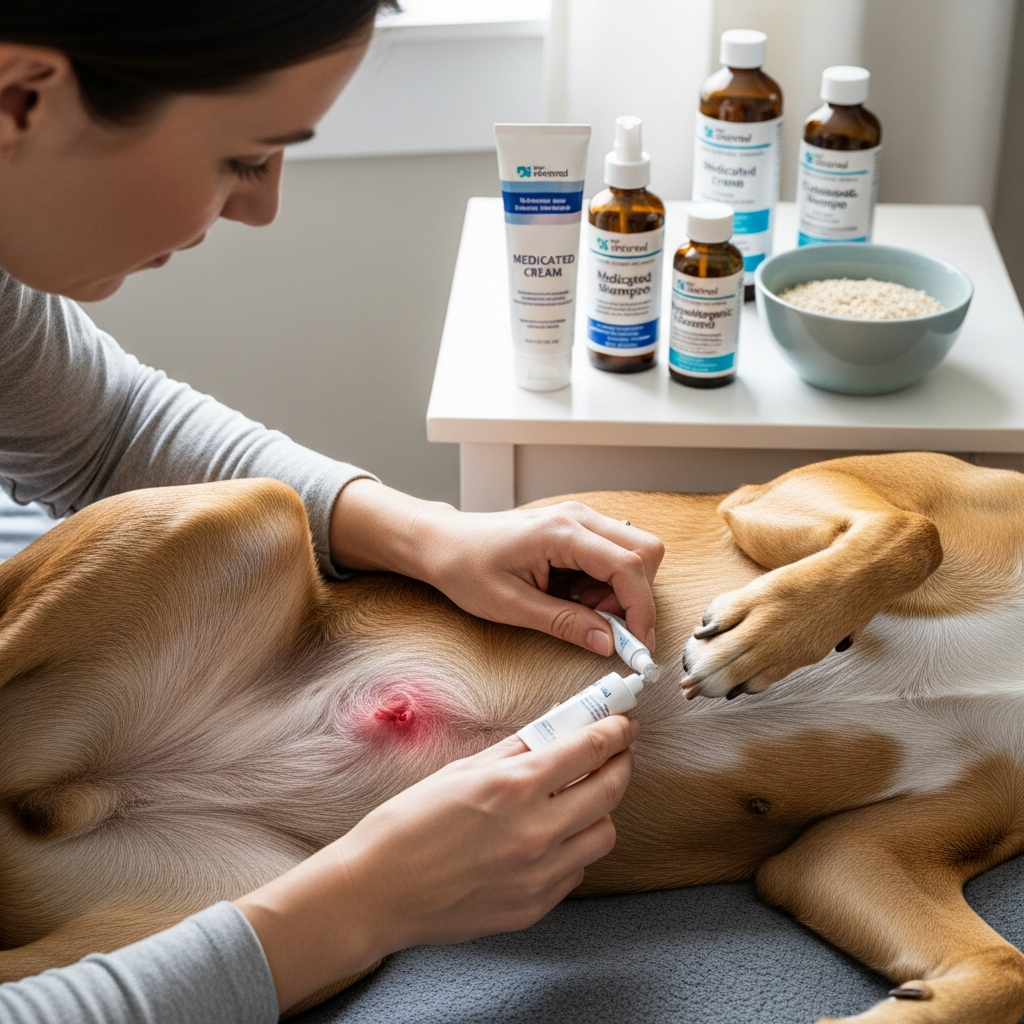
While the vet-approved remedies do their work, there are things you can do at home to support your dog’s comfort and healing.
Keeping the Area Clean
Gently clean any affected areas as directed by your vet. This might involve wiping with a mild, prescribed antiseptic solution or using specific wipes. Cleanliness prevents secondary infections and irritation.
Preventing Licking and Scratching (E-collars)
Licking, chewing, and scratching only worsen a rash and can delay healing. An Elizabethan collar (the “cone of shame”) is often a necessary tool to prevent your dog from reaching the irritated skin. While they might not love it, it’s essential for their recovery.
Maintaining a Calm Environment
Stress can sometimes exacerbate skin conditions. Provide a calm, quiet, and comfortable environment for your dog during their recovery. Ensure they have a soft, clean bed and access to fresh water.
Regular Grooming and Skin Checks
Once the rash has healed, regular, gentle grooming can help prevent future issues. Brush your dog regularly to remove loose fur and debris, and get into the habit of performing routine skin checks to catch any new irritations early.
When to Follow Up with Your Vet
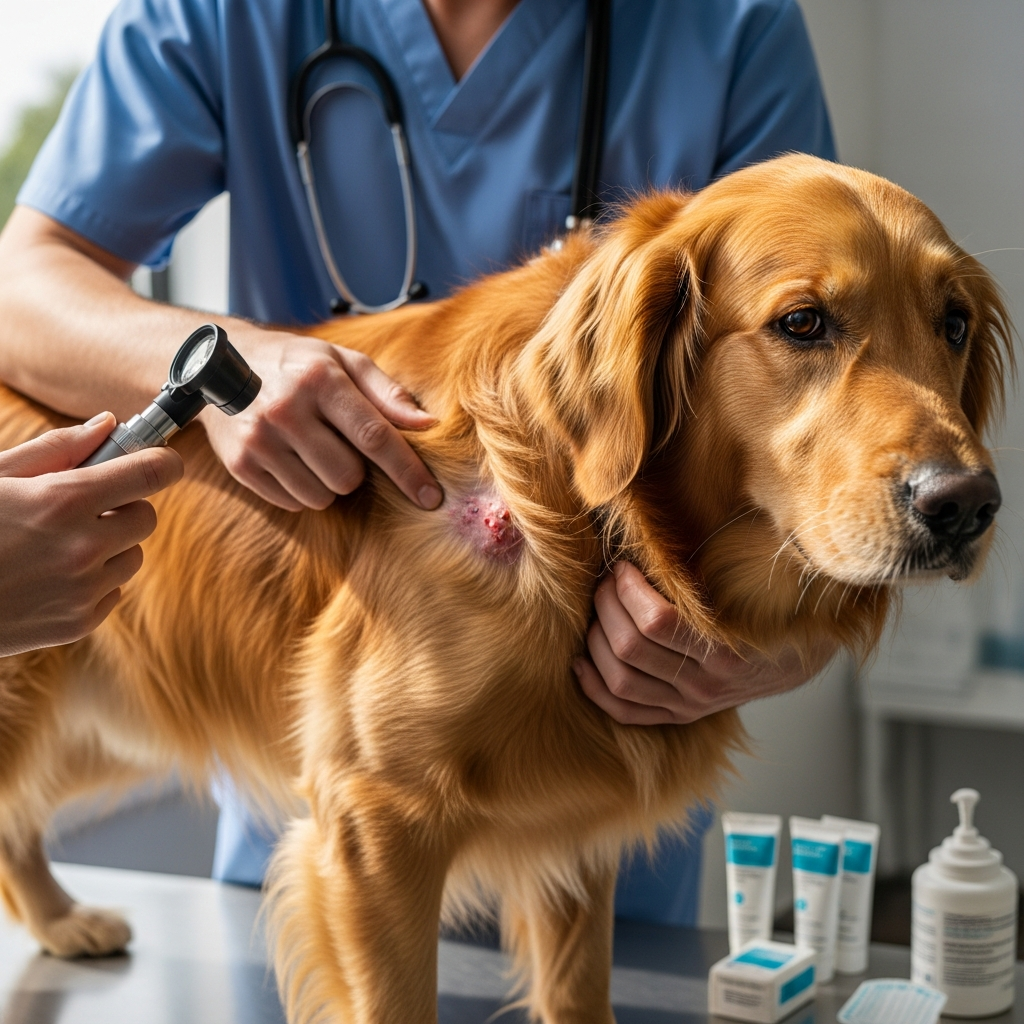
Follow-up appointments are just as important as the initial visit. Your vet will want to monitor your dog’s progress, adjust medications if needed, and ensure the rash is healing properly. Don’t hesitate to contact your vet sooner if:
* The rash seems to be getting worse despite treatment.
* New symptoms appear.
* Your dog has an adverse reaction to medication.