It’s heartbreaking to see your beloved dog constantly scratching, licking, or rubbing against furniture because of itchy, irritated skin. Just like us, dogs can experience a range of skin issues that cause discomfort. While a trip to the vet is always the best first step for any new or worsening condition, sometimes minor irritations can be managed at home with simple, natural remedies.
These DIY solutions can offer relief and comfort to your furry friend, often using ingredients you might already have in your pantry. Before trying any home remedy, it’s crucial to consult with your veterinarian to ensure you’re addressing the right issue and to rule out more serious underlying problems. Once you’ve got the green light, let’s explore some gentle ways to soothe your dog’s irritated skin.
Understanding Your Dog’s Skin Irritation
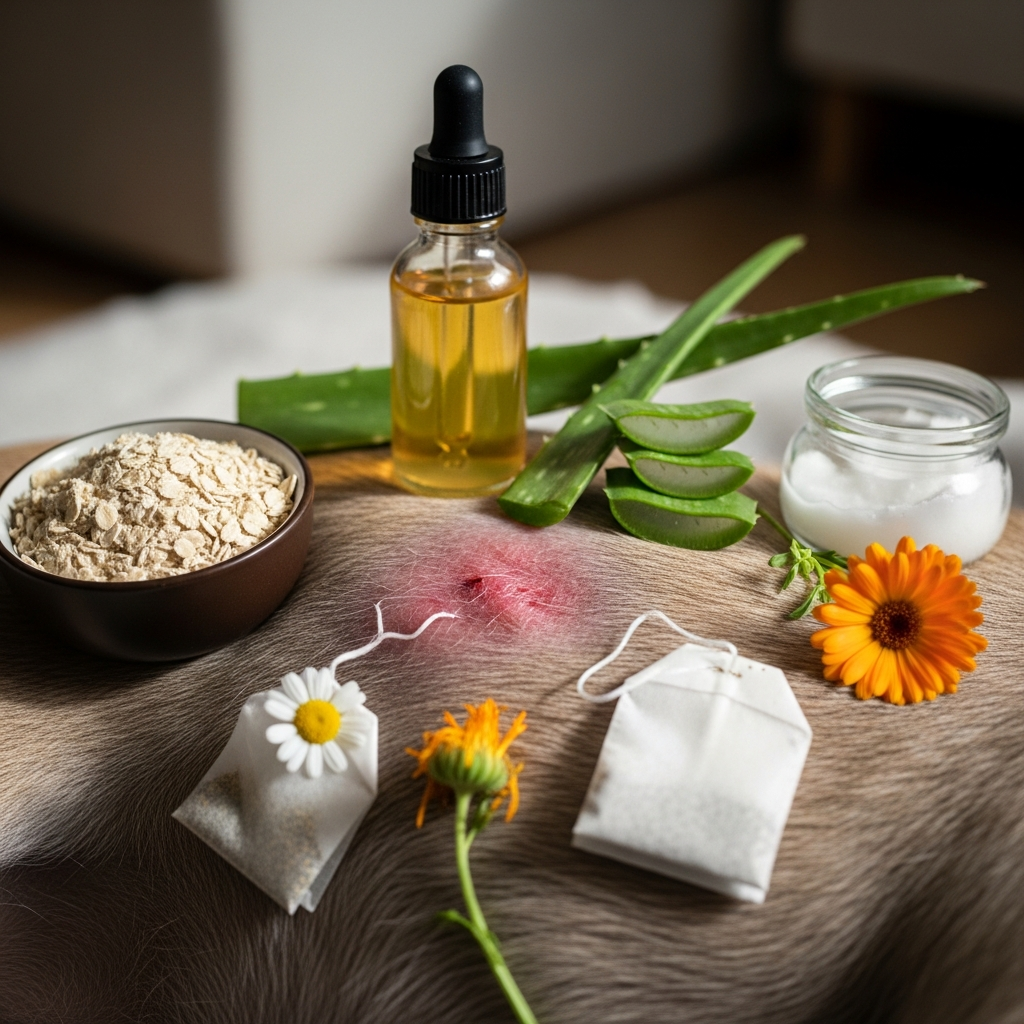
Before diving into remedies, it’s helpful to understand why your dog might be itchy in the first place. Knowing the cause can help you choose the most effective treatment and prevent future flare-ups.
Common Causes of Itchy Skin
Dogs can develop skin irritation for a variety of reasons, ranging from simple dry skin to more complex medical conditions.
Allergies
Just like people, dogs can suffer from allergies. These can be environmental (like pollen, dust mites, or mold), food-related (certain proteins or grains), or even contact allergies (reacting to a specific shampoo or plant). Symptoms often include generalized itching, red skin, ear infections, and paw licking.
Parasites
Fleas, ticks, and mites are notorious for causing intense itching and skin irritation. A single flea bite can trigger a severe allergic reaction in some dogs, leading to widespread discomfort. Mange, caused by mites, can lead to hair loss and scabs.
Dry Skin
Especially in dry climates or during winter, dogs can experience dry, flaky skin. This often causes mild to moderate itching, and you might notice dandruff. Nutritional deficiencies can also contribute to dry skin.
Hot Spots
Known medically as acute moist dermatitis, hot spots are red, inflamed, often oozing lesions that appear suddenly. They are typically caused by a dog repeatedly licking, chewing, or scratching an area, which then becomes infected.
Environmental Irritants
Your dog might come into contact with irritating plants (like poison ivy), harsh cleaning chemicals, or even rough surfaces that cause local skin irritation.
When to See the Vet
While DIY remedies can be very helpful for minor issues, there are times when professional veterinary care is essential. Do not hesitate to contact your vet if you notice any of the following:
* Persistent or severe itching that doesn’t improve with home care.
* Open wounds, bleeding, pus, or foul odor from the skin.
* Lethargy, loss of appetite, or other signs of general illness alongside skin issues.
* Rapidly spreading irritation, swelling, or changes in skin color.
* Your dog seems to be in pain or extreme discomfort.
Your vet can accurately diagnose the problem and prescribe appropriate medications, such as antibiotics for infections or specific anti-allergy treatments.
The 9 DIY Remedies for Dog Skin Irritation
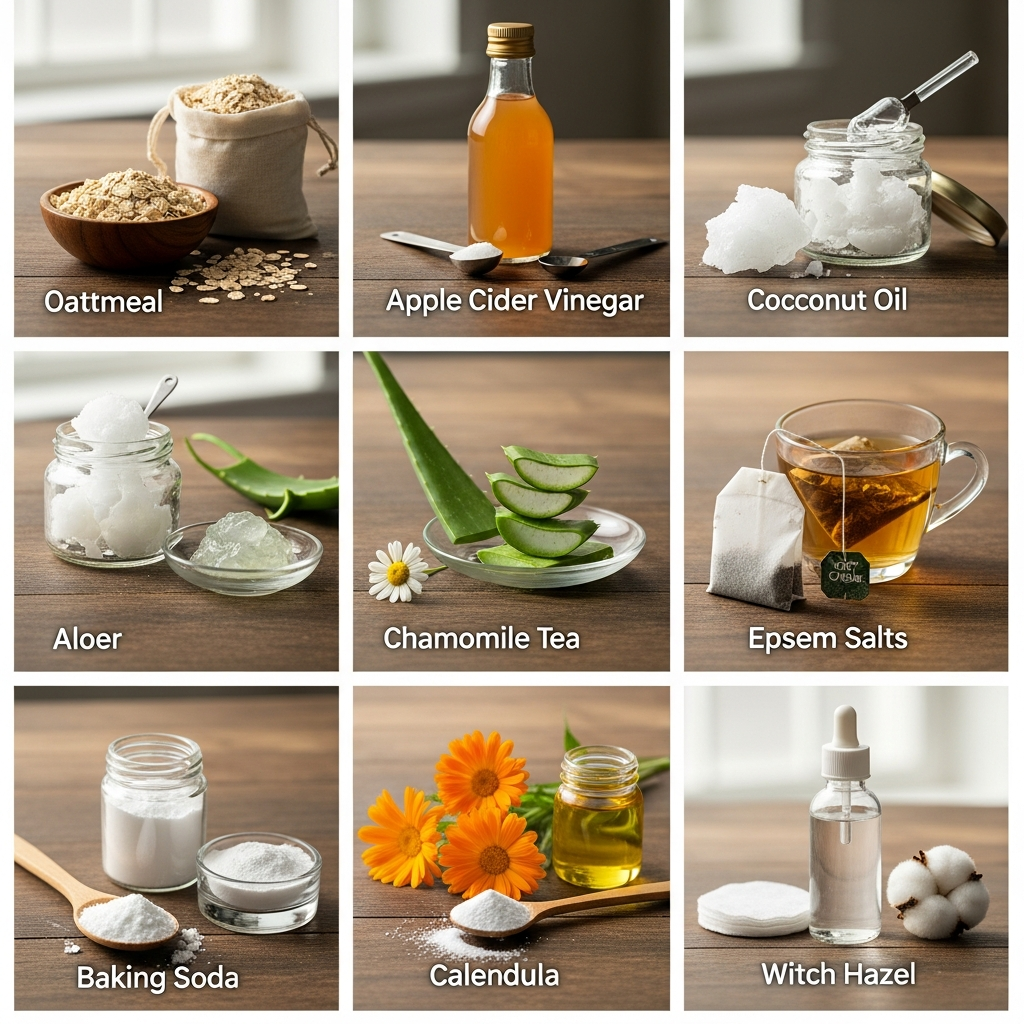
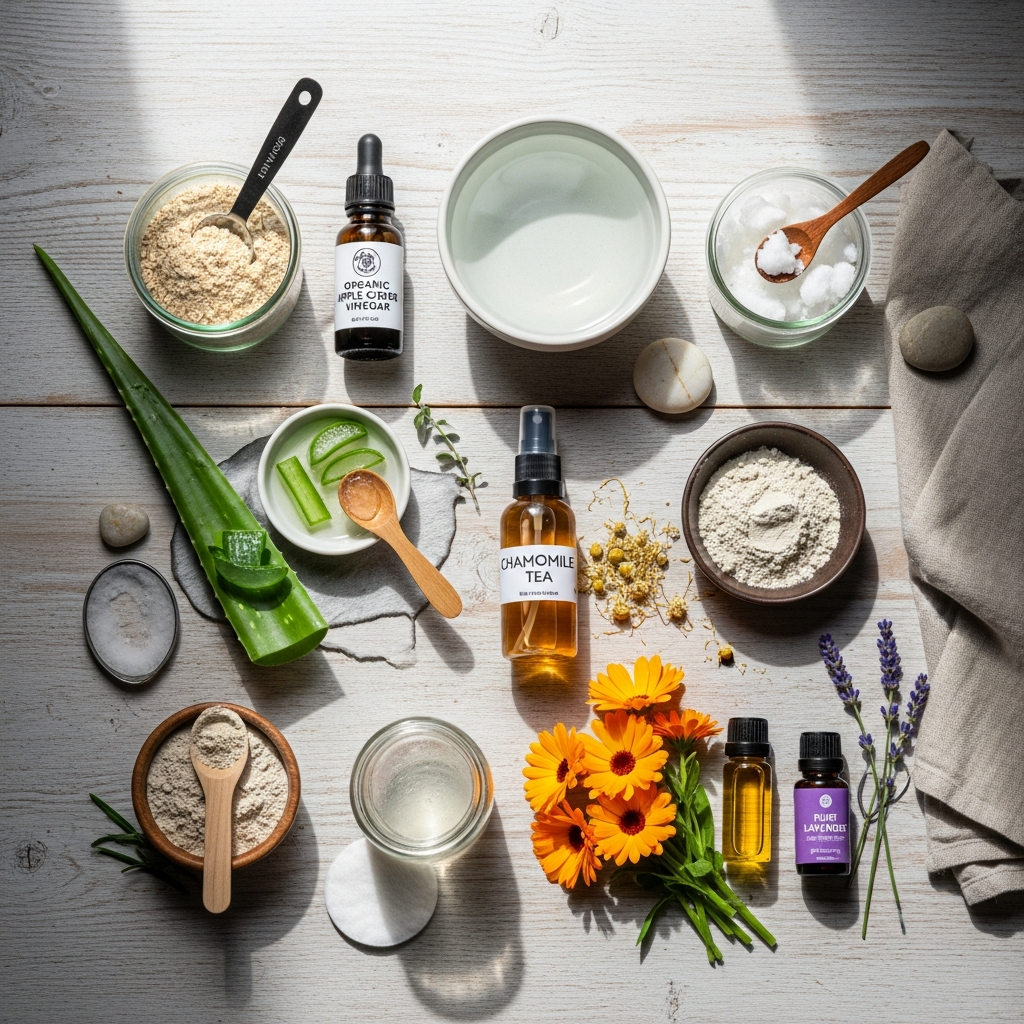
Once you’ve ruled out serious conditions with your vet, these nine home remedies can provide gentle relief for your dog’s irritated skin. Always test a small area first to ensure there’s no adverse reaction.
1. Apple Cider Vinegar (ACV)
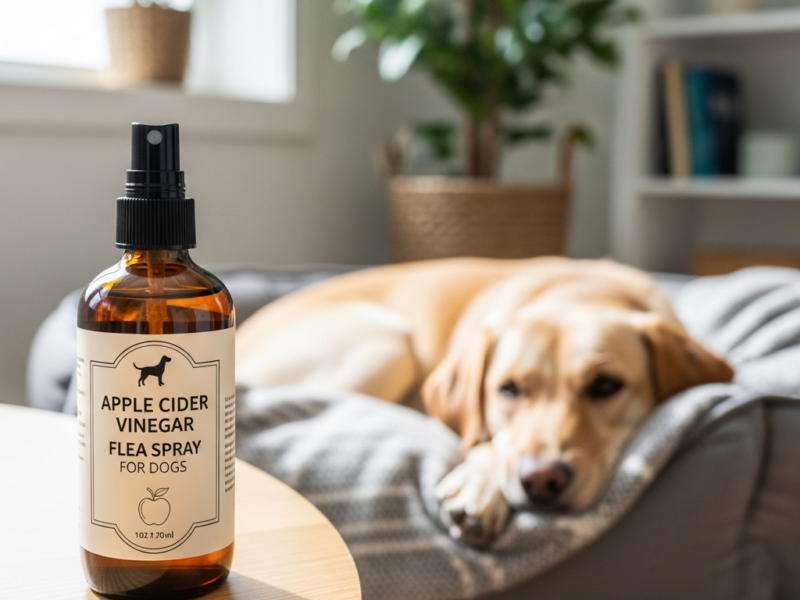
Apple cider vinegar, particularly raw, unfiltered ACV, possesses antiseptic and antifungal properties that can help soothe irritated skin and fight off minor infections. It can also help restore the skin’s pH balance.
How to Use ACV
Mix equal parts apple cider vinegar and water in a spray bottle. Lightly mist the irritated areas on your dog’s skin. You can also use it as a paw soak by diluting it further in a bowl of warm water.
Important Notes
Never apply undiluted ACV directly to your dog’s skin, as it can cause further irritation. Avoid using it on open wounds or raw skin, as it will sting significantly. Always dilute it well.
2. Oatmeal Bath
Oatmeal baths are a classic remedy for soothing itchy, inflamed skin in both humans and dogs. Colloidal oatmeal (finely ground oats) has anti-inflammatory properties that calm irritation and form a protective barrier on the skin.
How to Prepare
You can buy colloidal oatmeal specifically for baths, or you can make your own. Grind plain, unflavored oatmeal (like rolled oats) into a very fine powder using a coffee grinder or food processor until it feels like flour.
How to Use
Fill your tub with lukewarm water. For a small dog, add about half a cup of powdered oatmeal; for a large dog, use one to two cups. Stir the water until the oatmeal is well dispersed and the water looks milky. Gently place your dog in the tub and let them soak for 10-15 minutes, ensuring the irritated areas are submerged. Gently massage the oatmeal water into their fur and skin. Rinse thoroughly with clean water afterward to prevent residue.
3. Coconut Oil
Coconut oil is a wonderful natural moisturizer with antibacterial, antifungal, and antiviral properties. It can soothe dry, flaky skin, reduce inflammation, and even help repel some parasites.
How to Use
For topical relief, gently warm a small amount of virgin, organic coconut oil in your hands until it’s liquid. Massage it directly onto dry or irritated patches of your dog’s skin. Since dogs often lick themselves, a small amount is safe for them to ingest. You can also add a small amount (about 1/4 to 1 teaspoon per 10 pounds of body weight daily) to their food for internal benefits, like improving coat health and digestion.
Important Notes
Start with a small amount internally to see how your dog’s digestive system reacts. Some dogs may experience loose stools if given too much too soon. Ensure it’s virgin, organic, and unrefined coconut oil.
4. Chamomile and Green Tea Soaks
Chamomile and green tea both contain compounds with anti-inflammatory and soothing properties. They can help reduce redness and calm itchy skin.
How to Prepare
Brew several bags of chamomile or green tea (or a combination) in hot water, just as you would for drinking tea. Let it steep until strong, then allow it to cool completely.
How to Use
Once cooled, you can use the tea as a soothing rinse after a bath. Alternatively, soak a clean cloth in the cooled tea and apply it as a compress to irritated areas for 5-10 minutes. For irritated paws, you can create a foot soak by filling a shallow basin with the cooled tea.
5. Aloe Vera
Pure aloe vera gel is renowned for its healing, soothing, and cooling properties. It can be especially helpful for minor burns, insect bites, and superficial irritations.
How to Use
If you have an aloe vera plant, break off a leaf and squeeze out the clear, gooey gel. Apply a small amount directly to the affected skin area. If using a store-bought product, ensure it is 100% pure aloe vera gel with no added alcohol, fragrances, or other ingredients that could be harmful to dogs.
Important Notes
Only use the clear inner gel of the aloe vera plant. The yellow outer layer (aloin) can be a laxative and is toxic to dogs if ingested in large quantities. Always opt for pure gel and prevent your dog from licking it excessively.
6. Baking Soda Paste
Baking soda is a natural drying agent that can help dry out weeping skin, reduce itching, and neutralize odors. It has mild antiseptic properties as well.
How to Prepare
Mix baking soda with a small amount of water to form a thick paste. The consistency should be easy to apply without being too runny.
How to Use
Apply the paste directly to irritated spots, insect bites, or areas of localized itching. Leave it on for 10-15 minutes, then rinse it off thoroughly. This is best for small, contained areas rather than widespread irritation.
7. Epsom Salt Soak
Epsom salt (magnesium sulfate) can help reduce swelling, draw out toxins, and soothe muscle aches, which can be beneficial if your dog is stiff or has minor inflammation. For skin, it can aid in drying out moist lesions and promoting healing.
How to Prepare
Dissolve about half a cup of Epsom salts in a gallon of warm water. For smaller soaks, use a smaller ratio.
How to Use
This remedy is best for paw soaks or localized compresses. For irritated paws, soak them in the solution for 5-10 minutes. For a specific irritated spot on the body, soak a clean cloth in the solution and apply it as a compress. Rinse the area with clean water afterward.
Important Notes
Prevent your dog from ingesting the Epsom salt solution, as it can act as a laxative. Supervise closely during soaks and rinse thoroughly.
8. Plain Yogurt (Topical and Internal)
Plain, unsweetened yogurt contains probiotics that can support a healthy gut microbiome, which is often linked to overall skin health. Topically, its live cultures can help combat yeast overgrowth on the skin.
How to Use
For internal benefits, offer your dog a small amount (a spoonful for small dogs, up to 1/4 cup for large dogs) of plain, unsweetened yogurt daily. For topical use on areas affected by yeast (like paw pads or skin folds), apply a thin layer of plain yogurt, leave it for 15-20 minutes, then gently wipe or rinse off.
Important Notes
Ensure the yogurt is plain and unsweetened, with live active cultures. Never give yogurt containing xylitol, an artificial sweetener that is highly toxic to dogs.
9. Witch Hazel
Witch hazel is a natural astringent, meaning it can help tighten and dry skin tissues, reducing inflammation and itching. It’s gentle and can provide immediate relief for minor irritations.
How to Use
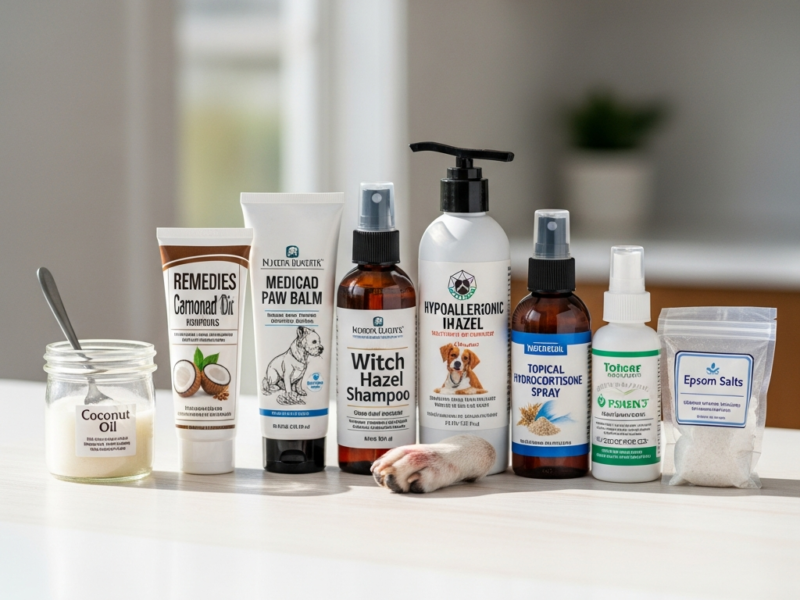
Look for an alcohol-free witch hazel product. Apply a small amount to a cotton ball or soft cloth and gently dab it onto irritated skin. You can also put it in a spray bottle for easier application.
Important Notes
Always choose an alcohol-free variety to avoid further drying or stinging the skin. Use it for minor, non-open irritations.
Preventing Future Skin Irritations
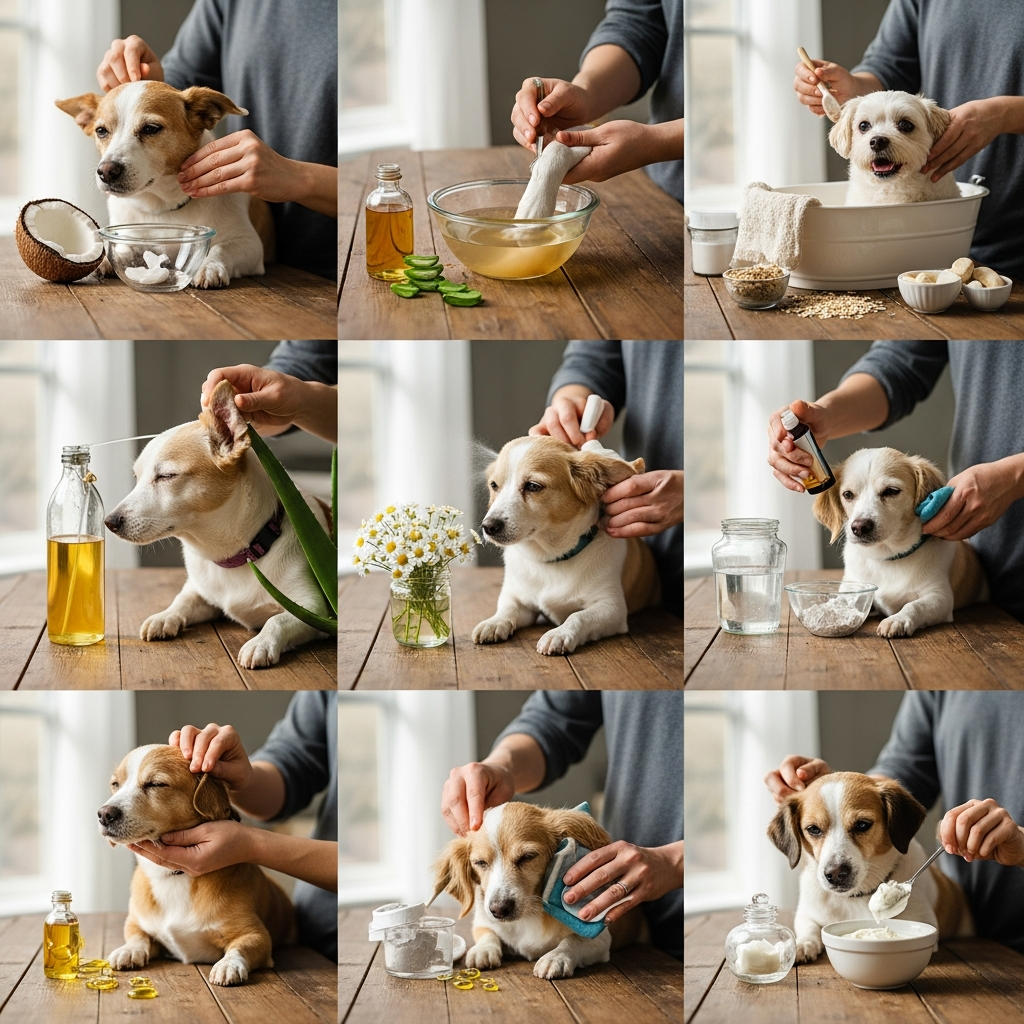
Beyond treating existing issues, prevention is key to keeping your dog’s skin healthy and comfortable.
Regular Grooming
Regular brushing helps distribute natural oils, removes loose fur and debris, and allows you to inspect your dog’s skin. Bathing with a gentle, dog-specific shampoo (oatmeal-based or hypoallergenic) helps keep their coat clean without stripping essential oils.
Healthy Diet
A high-quality, balanced diet rich in omega-3 and omega-6 fatty acids is crucial for skin and coat health. Consider supplements like fish oil if your vet recommends it, especially for dogs prone to dry skin or allergies.
Parasite Control
Consistent use of veterinarian-approved flea, tick, and mite prevention is paramount. Even indoor dogs can pick up parasites, so year-round protection is a must.
Allergy Management
If allergies are suspected, work with your vet to identify triggers. This might involve special diets, allergy testing, or environmental changes to minimize exposure to allergens.
Environmental Control
Keep your dog’s living environment clean. Regularly wash their bedding and vacuum carpets to reduce dust mites and allergens. Be mindful of plants or chemicals in your yard that could cause contact irritation.