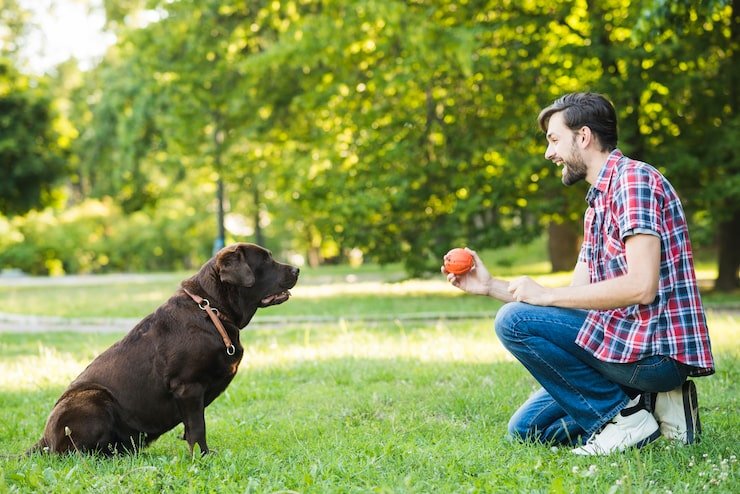
10 Essential Dog Commands Every Owner Should Teach
Training your dog isn’t just about obedience — it’s about building trust, improving communication, and creating a better bond between you and your pup. Teaching essential commands helps keep your dog safe, well-behaved, and confident in everyday situations. Whether you’re raising a puppy or training an older rescue dog, these basic commands form the foundation of good manners at home and in public.
Here are the 10 most important dog commands every owner should teach, along with tips to make training easier, positive, and fun.
1. Sit
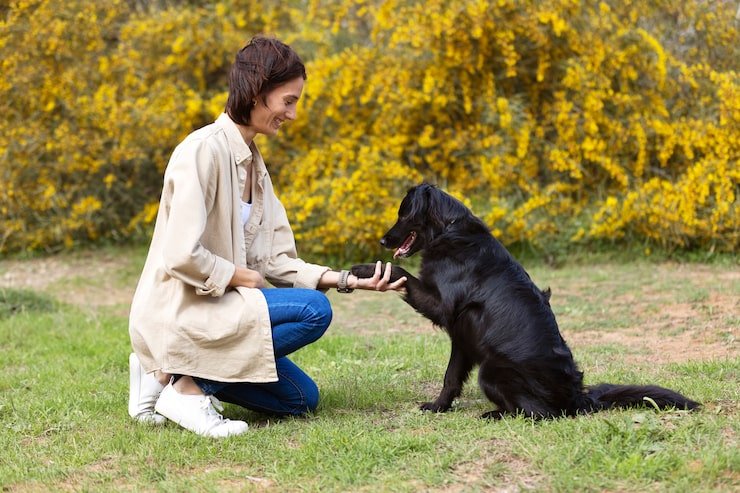
“Sit” is often the very first command dogs learn because it’s simple, useful, and forms the foundation for other skills.
Why it’s important:
- Helps control excited behavior
- Teaches patience
- Useful before meals, walks, or greeting people
Training tip: Hold a treat above your dog’s nose and slowly move it back until their bottom touches the ground. Reward immediately.
2. Stay
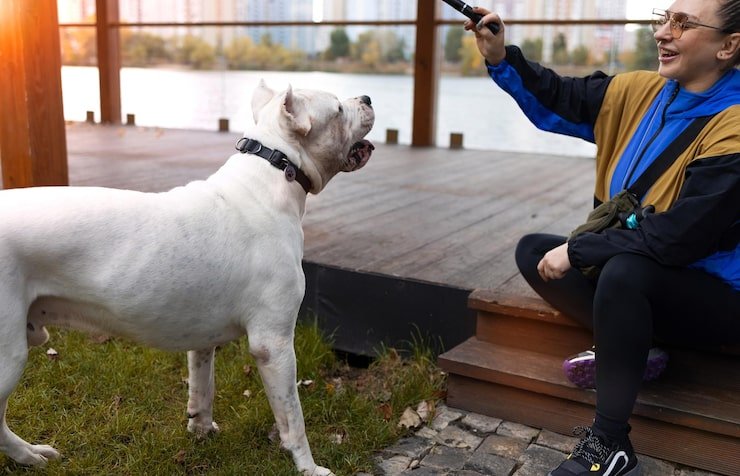
“Stay” teaches self-control and keeps your dog safe in potentially dangerous situations.
Why it matters:
- Prevents running into streets
- Helps during grooming
- Reduces jumping or rushing toward guests
Training tip: Start with short distances and durations. Use a release word like “Okay!” so your dog learns when the command ends.
3. Come
“Come” (recall) is one of the most crucial commands for safety.
Why it’s essential:
- Helps prevent accidents
- Makes off-leash play safer
- Builds trust and responsiveness
Training tip: Use a cheerful tone. Reward generously every time your dog comes to you, especially during early training.
4. Down
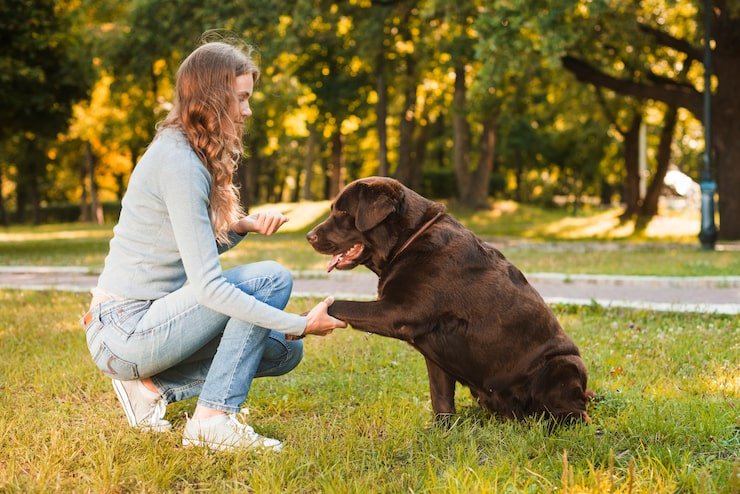
“Down” helps your dog relax and settle in busy environments.
Benefits:
- Encourages calm behavior
- Useful in restaurants, parks, and at home
- Prevents jumping or pushing
Training tip: Hold a treat near your dog’s nose and slowly lower it to the ground. Reward when both elbows touch the floor.
5. Leave It
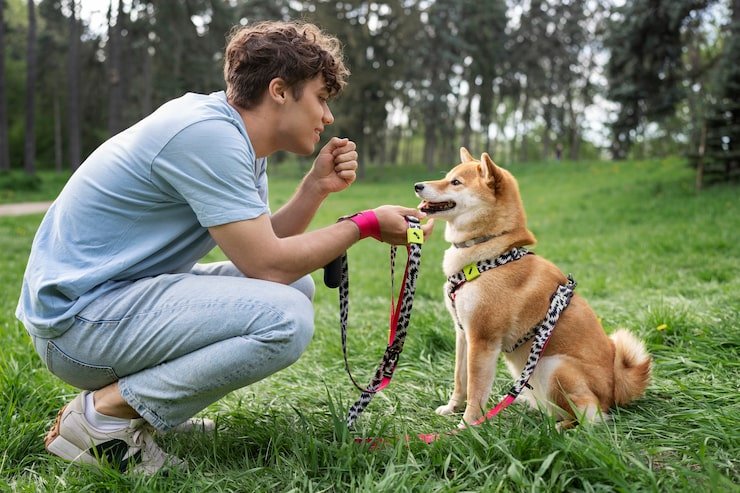
“Leave it” protects your dog from harm by teaching them to ignore objects or distractions.
Why your dog needs it:
- Prevents eating dangerous items
- Stops lunging toward other animals
- Reduces unwanted sniffing or grabbing
Training tip: Start with treats in your closed hand. Reward when your dog stops sniffing or pawing and looks away.
6. Drop It
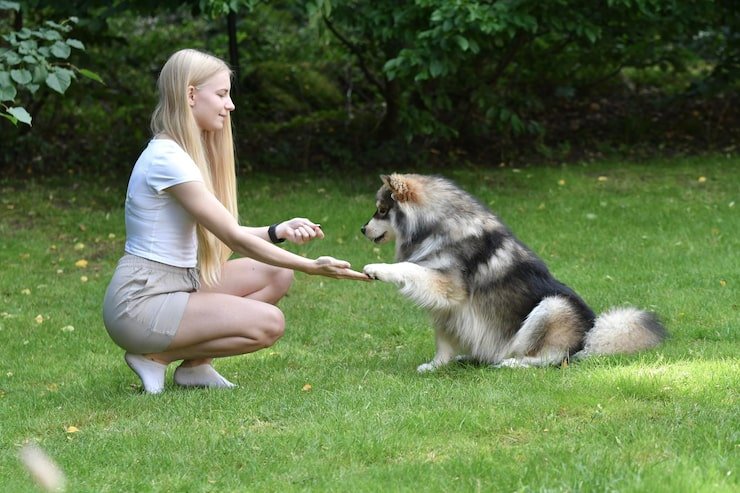
“Drop it” teaches your dog to release objects they’ve already picked up.
Useful for:
- Preventing choking hazards
- Stopping destructive chewing
- Teaching safe fetch play
Training tip: Offer a trade — present a higher-value treat and praise as soon as your dog releases the object.
7. Heel
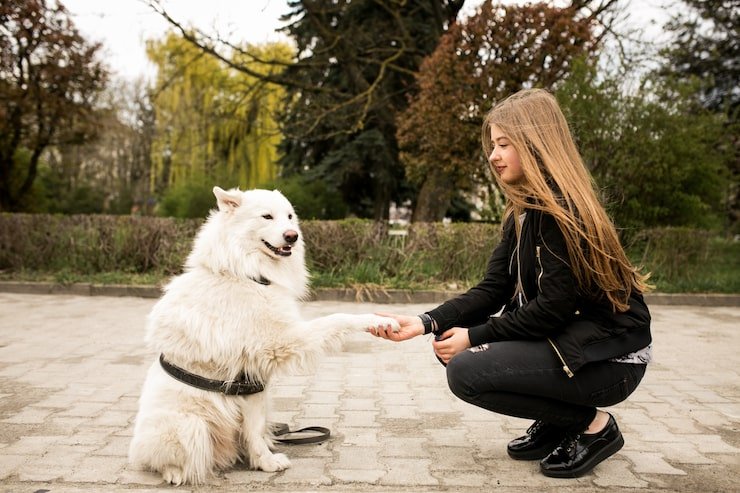
“Heel” means walking calmly beside you without pulling.
Why it’s important:
- Makes walks enjoyable
- Reduces leash reactivity
- Improves control in crowded areas
Training tip: Use treats to reward your dog each time they stay close to your side. Start with short, slow walks.
8. Wait
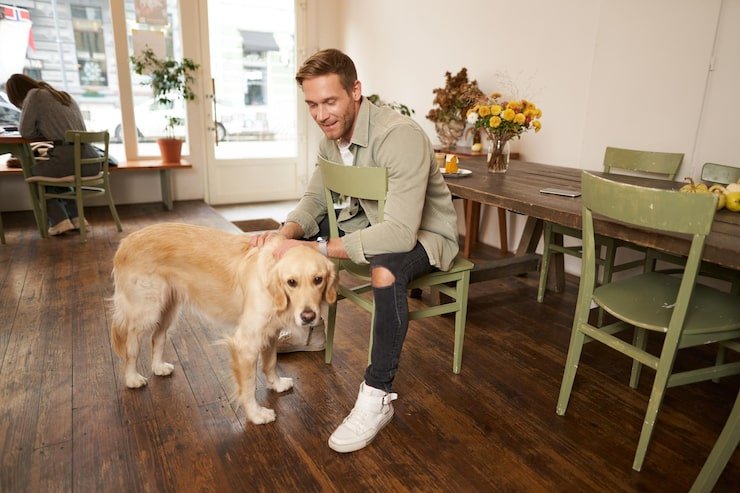
“Wait” tells your dog to pause without moving forward.
When to use it:
- Before exiting doors or cars
- Before crossing streets
- Before approaching other dogs or people
Training tip: Hold your hand out like a stop sign. Reward your dog when they pause and make eye contact.
9. Off
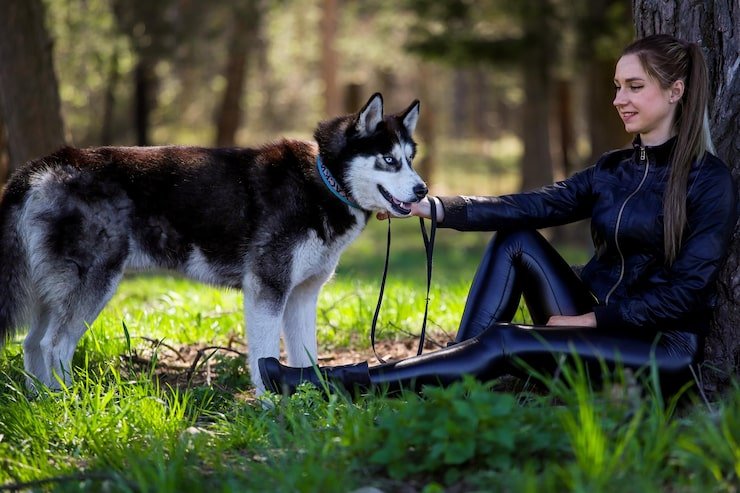
“Off” teaches your dog not to jump on people or furniture unless invited.
Benefits:
- Encourages polite greetings
- Prevents accidental scratching
- Keeps furniture clean
Training tip: Avoid pushing your dog down. Instead, turn away and reward when all four paws are on the floor.
10. Place
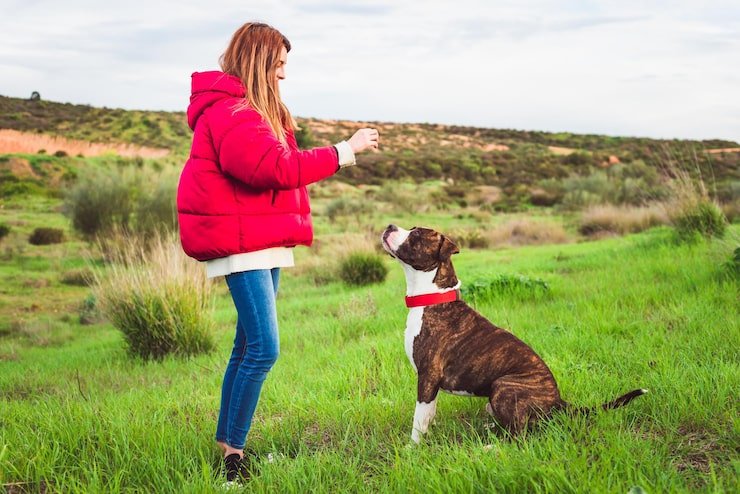
“Place” teaches your dog to go to a specific spot — like a bed or mat — and stay there.
Useful for:
- Calming hyper dogs
- Managing guests at the door
- Helping with meal routines
Training tip: Guide your dog onto the mat with a treat, say “Place,” then reward. Increase duration over time.
Bonus Training Tips for Better Results
Keep Training Sessions Short
Dogs learn best in 5–10 minute sessions, especially puppies. Short, frequent training keeps your dog engaged and excited.
Use Positive Reinforcement
Reward good behavior with:
- Treats
- Praise
- Toys
- Affection
Positive reinforcement builds trust and encourages faster learning.
Be Consistent
Use the same words, gestures, and tone. Inconsistent cues confuse your dog and slow progress.
Train in Different Environments
Once your dog learns a command at home, practice it:
- Outdoors
- At the park
- Around other dogs
- With distractions
This builds real-world reliability.
Stay Patient
All dogs learn at their own pace. Celebrate small wins and avoid punishment — it damages confidence and trust.
Conclusion
Teaching essential dog commands isn’t just about obedience — it’s about safety, communication, and building a strong bond with your pup. These core commands help your dog become well-mannered, confident, and comfortable in everyday situations. With patience, repetition, and lots of positive reinforcement, your dog will master these skills and enjoy a happier, safer life by your side.


