Labrador Retrievers are renowned for their friendly nature, boundless energy, and, let’s be honest, their incredible love for food. While their enthusiastic appetites are often endearing, they also mean Lab parents need to be extra vigilant about what their furry companions eat. Our Labs will often try to eat anything they can get their paws on, and sometimes, those tempting human foods can be seriously harmful, even life-threatening.
As loving dog parents, it’s our responsibility to keep our Labs safe and healthy. This starts with understanding which common household foods are off-limits. Knowing the dangers and what to do in an emergency can make all the difference. Let’s dive into the nine most crucial foods to keep far away from your beloved Labrador.
Understanding Your Labrador’s Unique Needs
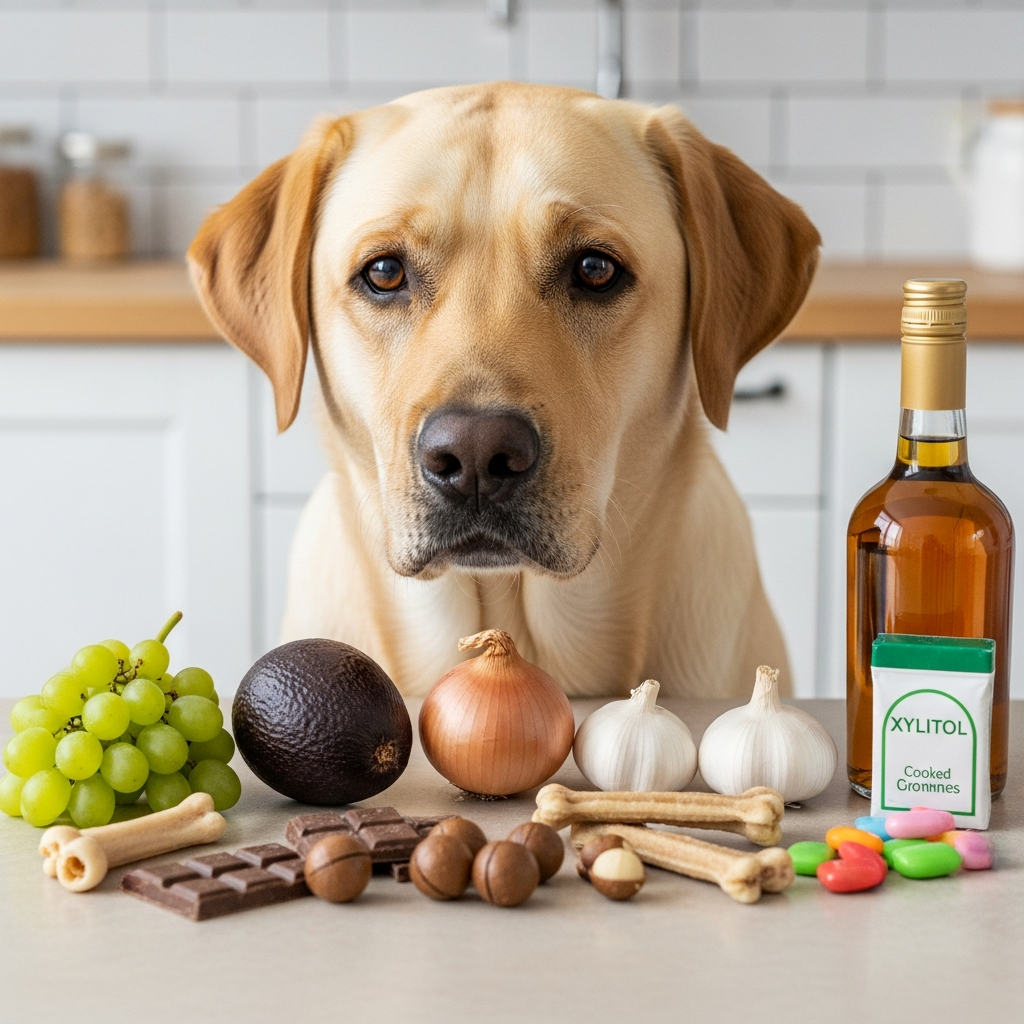
Labradors have a few characteristics that make this topic especially important for their owners. Their genetic makeup and general temperament contribute to their relationship with food.
Your Lab’s Endless Appetite
Labradors are famously food-motivated. They’ll often act like they haven’t eaten in days, even right after a meal. This strong drive to eat means they’re more likely to sniff out and consume forbidden snacks left within reach.
Prone to Weight Gain
Due to their love for food and a genetic predisposition, Labradors can easily become overweight or obese. This makes it crucial to control their calorie intake and avoid extra treats, especially those high in fat or sugar.
Some Have Sensitive Stomachs
While not all Labs have sensitive digestive systems, many do. Introducing new or inappropriate foods can quickly lead to an upset stomach, vomiting, or diarrhea, even if the food isn’t outright toxic.
The Top 9 Foods to Keep Away From Your Labrador
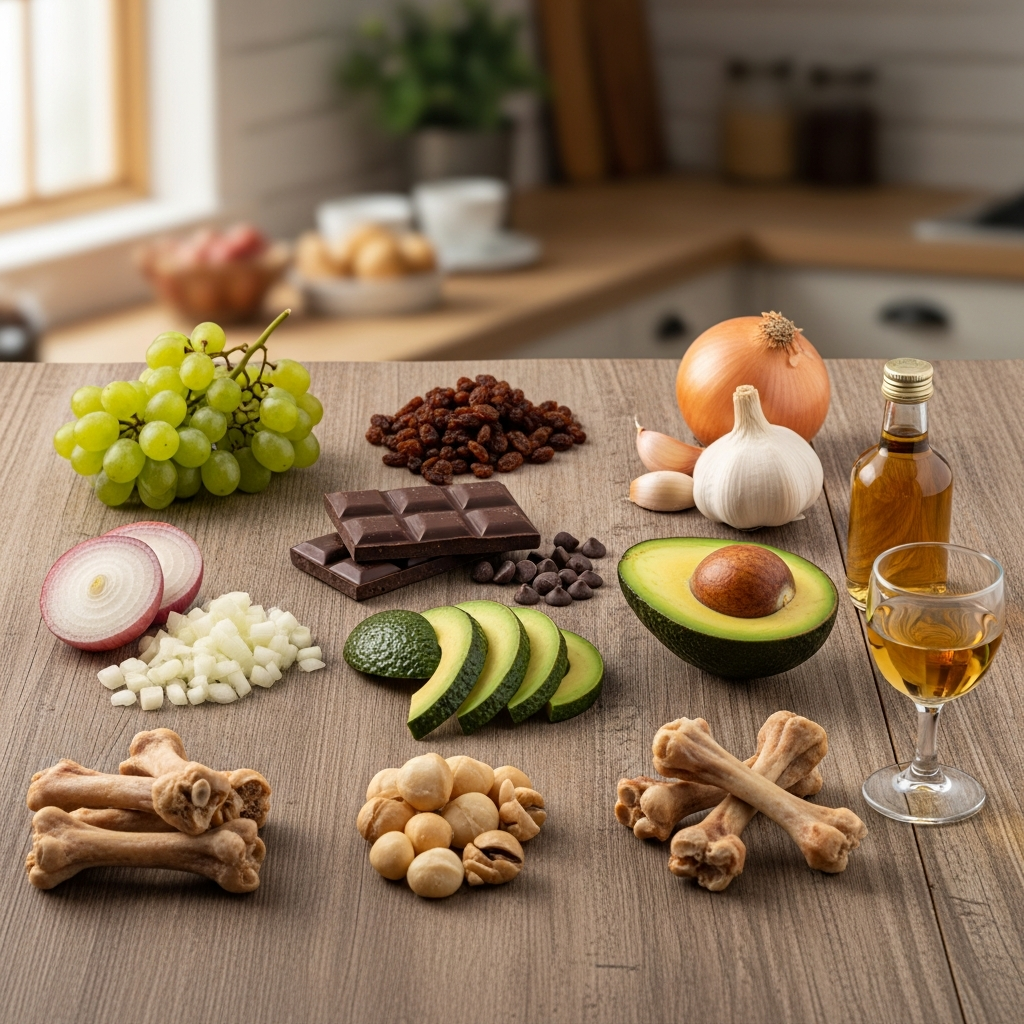
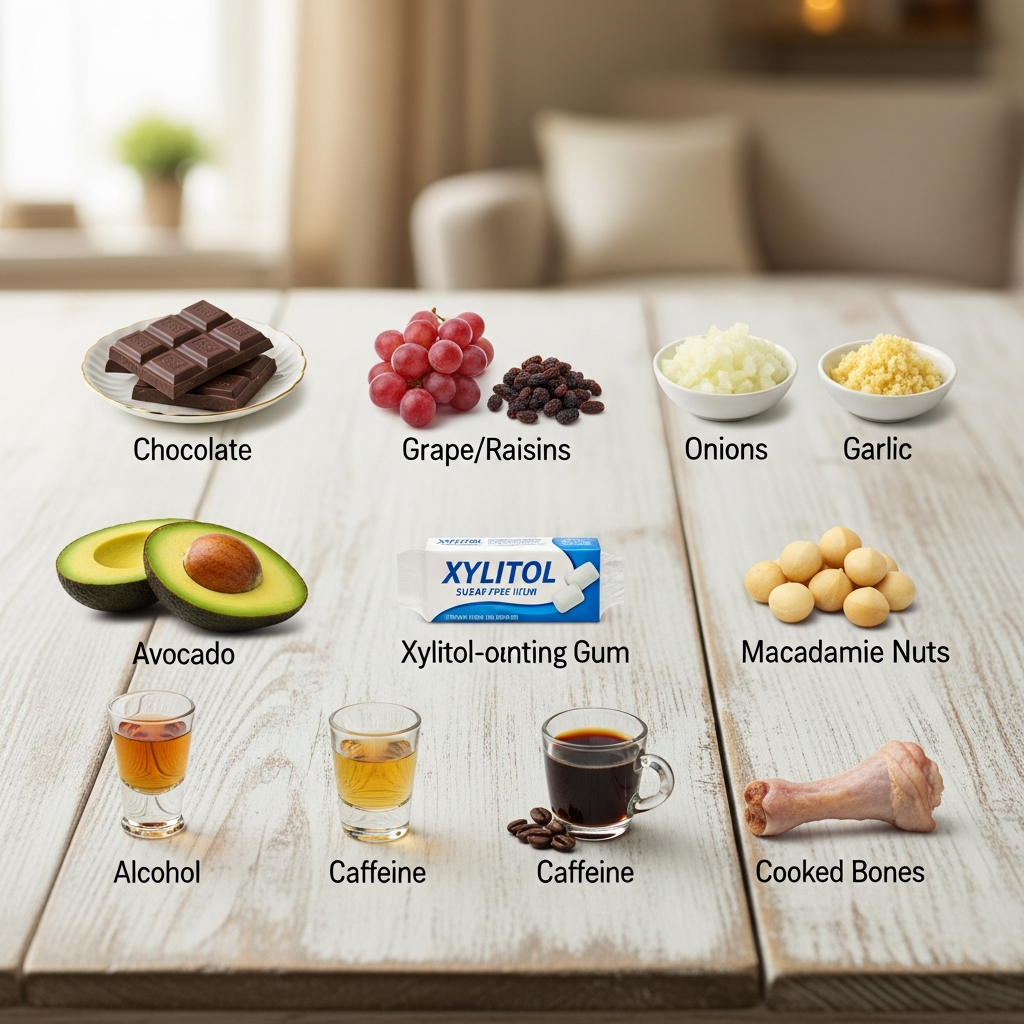
Being prepared means knowing the dangers. Here are nine foods that should never make their way into your Labrador’s bowl or mouth.
1. Chocolate
Chocolate is perhaps the most well-known dangerous food for dogs, and for good reason. It contains a stimulant called theobromine, which dogs process much more slowly than humans.
Why it’s Dangerous
Theobromine can build up to toxic levels in a dog’s system. Darker chocolates, baking chocolate, and cocoa powder contain higher concentrations of theobromine, making them more dangerous than milk chocolate. Even a small amount can be toxic, depending on the type of chocolate and your Lab’s size.
Symptoms to Watch For
Signs of chocolate poisoning can include vomiting, diarrhea, increased thirst, panting, restlessness, hyperactivity, elevated heart rate, tremors, and, in severe cases, seizures or even death.
What to Do
If your Lab has eaten chocolate, contact your veterinarian or an emergency animal hospital immediately. Provide them with details: the type of chocolate, how much was consumed, and when it happened. Do not wait for symptoms to appear.
2. Grapes and Raisins
The exact toxic substance in grapes and raisins is still unknown, but their consumption can lead to severe kidney failure in dogs.
Why it’s Dangerous
Even small amounts of grapes or raisins can be highly toxic to some dogs. It appears there is no safe amount, and individual sensitivity varies greatly. This means even a single grape could potentially be dangerous.
Symptoms to Watch For
Within a few hours of ingestion, your Lab might experience vomiting, diarrhea, and lethargy. Other signs include abdominal pain, decreased appetite, increased thirst, and reduced urination as kidney function declines.
What to Do
If you suspect your Lab has eaten grapes or raisins, consider it an emergency. Contact your vet or an emergency clinic right away. They may advise inducing vomiting or other treatments to prevent absorption.
3. Onions and Garlic
Members of the Allium family, including onions, garlic, leeks, and chives, are toxic to dogs in all forms. This includes raw, cooked, dried, or powdered.
Why it’s Dangerous
These foods contain N-propyl disulfide, a compound that damages red blood cells, leading to a condition called hemolytic anemia. This means your dog’s body can’t carry enough oxygen, which is very serious. Garlic is generally considered more potent than onions.
Symptoms to Watch For
Symptoms may not appear immediately but can develop a few days after ingestion. Look for weakness, lethargy, pale gums, elevated heart rate, rapid breathing, vomiting, diarrhea, and dark or reddish urine.
What to Do
If your Lab eats a significant amount of onion or garlic, contact your vet for advice. Early intervention can prevent severe anemia. Always check ingredient lists on human foods like baby food or broths.
4. Xylitol (Artificial Sweetener)
Xylitol is a sugar substitute found in many “sugar-free” products, and it is extremely dangerous for dogs.
Why it’s Dangerous
In dogs, xylitol causes a rapid release of insulin, leading to a sudden and dangerous drop in blood sugar (hypoglycemia). It can also cause severe liver damage and liver failure. Common sources include sugar-free gum, candies, some peanut butter brands, toothpaste, and even some baked goods or supplements.
Symptoms to Watch For
Symptoms of hypoglycemia can appear rapidly, often within 15-30 minutes. These include vomiting, weakness, lethargy, loss of coordination, disorientation, tremors, and seizures. Liver failure symptoms may appear later.
What to Do
Xylitol ingestion is a medical emergency. If you know or suspect your Lab has eaten xylitol, get them to an emergency vet immediately. Time is critical for a positive outcome. Always check labels for xylitol, especially in peanut butter.
5. Avocado
While often considered a healthy fat for humans, avocado can be problematic for dogs, especially in larger quantities.
Why it’s Dangerous
Avocado contains a fungicidal toxin called Persin. While the amount of Persin in the flesh of common grocery store avocados (Hass variety) is generally low and may only cause mild digestive upset in dogs, the leaves, bark, skin, and pit contain higher concentrations. The pit also poses a significant choking hazard or can cause an intestinal obstruction.
Symptoms to Watch For
Mild symptoms might include vomiting or diarrhea. A choking Lab would be coughing, pawing at their mouth, or showing distress.
What to Do
It’s best to avoid feeding avocado to your Lab entirely. If a small amount of flesh is ingested, monitor for digestive upset. If a pit is swallowed, seek veterinary attention immediately due to the obstruction risk.
6. Alcohol
Any product containing alcohol, including alcoholic beverages, raw bread dough, or even some cough syrups, can be toxic to dogs.
Why it’s Dangerous
Dogs are much more sensitive to the effects of ethanol than humans. Even small amounts can cause intoxication, respiratory depression, and a dangerous drop in blood sugar and body temperature. Unbaked yeast dough can also be dangerous as the yeast ferments, producing alcohol in your dog’s stomach.
Symptoms to Watch For
Signs of alcohol poisoning include vomiting, disorientation, lethargy, poor coordination, excessive drooling, difficulty breathing, decreased body temperature, and in severe cases, seizures, coma, or death.
What to Do
If your Lab ingests alcohol, seek emergency veterinary care right away. This is a life-threatening situation.
7. Caffeine
Found in coffee, tea, energy drinks, and some medications, caffeine is a stimulant that can be very harmful to dogs.
Why it’s Dangerous
Like theobromine in chocolate, caffeine overstimulates a dog’s nervous system. Dogs are more sensitive to its effects and cannot metabolize it as efficiently as humans. Even coffee grounds or tea bags can contain enough caffeine to be toxic.
Symptoms to Watch For
Symptoms can include restlessness, hyperactivity, rapid heart rate, panting, elevated body temperature, tremors, and seizures. In severe cases, it can be fatal.
What to Do
If your Lab has ingested caffeine, contact your vet immediately. Provide details on the source and amount.
8. Macadamia Nuts
Macadamia nuts can cause a severe reaction in dogs, even in relatively small quantities.
Why it’s Dangerous
The exact toxic compound is unknown, but macadamia nuts can cause temporary weakness, tremors, and hyperthermia (elevated body temperature). They also have a high fat content, which can trigger pancreatitis in some dogs.
Symptoms to Watch For
Within 12 hours of ingestion, your Lab might show weakness, especially in the hind legs, difficulty walking, vomiting, tremors, depression, and fever.
What to Do
While usually not fatal, macadamia nut poisoning can be very uncomfortable. It’s best to contact your vet if your Lab eats them. They can provide supportive care to ease symptoms.
9. Cooked Bones and Fatty Scraps
While many people think of bones as dog treats, cooked bones are extremely dangerous. And while not toxic, fatty scraps can cause serious health issues.
Why it’s Dangerous
Cooked bones become brittle and can splinter easily. These sharp fragments can cause choking, get lodged in your Lab’s throat, or perforate their stomach or intestines, leading to internal bleeding or infection. Fatty table scraps (like bacon fat, poultry skin, or drippings) can lead to pancreatitis, a painful and serious inflammation of the pancreas.
Symptoms to Watch For
For bones: choking, gagging, coughing, vomiting, lethargy, straining to defecate, or blood in stool. For fatty scraps: severe vomiting, diarrhea, abdominal pain, loss of appetite, and lethargy.
What to Do
If your Lab is choking on a bone, seek emergency veterinary care immediately. If they have ingested cooked bones or a lot of fatty scraps, monitor them closely and contact your vet if you notice any unusual symptoms, especially signs of pancreatitis.