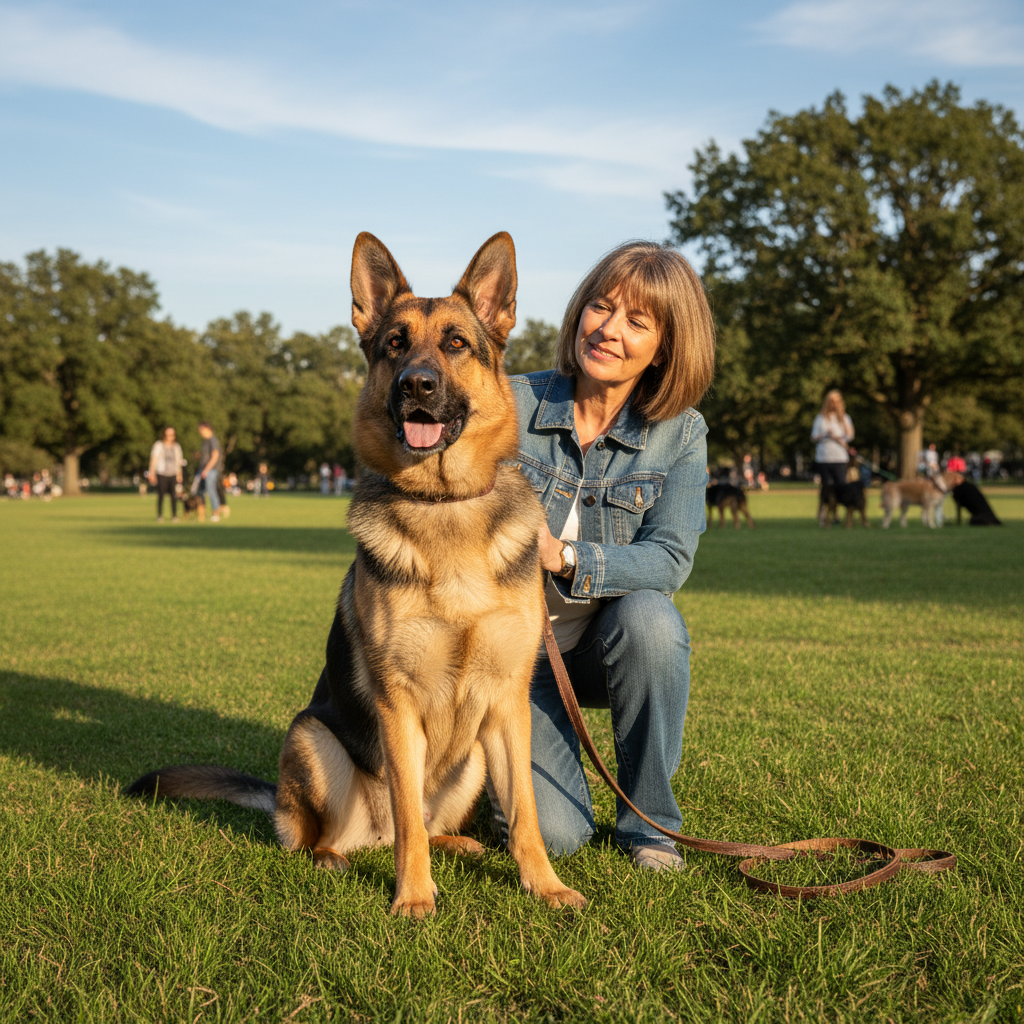
8 Costly Mistakes German Shepherd Owners Should Avoid
German Shepherds are magnificent dogs, known for their intelligence, loyalty, and striking presence. They make incredible companions, dedicated family members, and capable working dogs. However, owning a German Shepherd (GSD) is a significant commitment that comes with unique responsibilities. While these dogs are incredibly rewarding, it’s easy for even well-meaning owners to fall into common traps that can lead to costly behavioral issues, health problems, or a less-than-ideal relationship with their beloved pet. Understanding and avoiding these pitfalls is key to ensuring a happy, healthy, and harmonious life together.
This guide will walk you through eight prevalent and potentially costly mistakes German Shepherd owners often make, offering practical advice on how to steer clear of them. By being proactive and informed, you can set your GSD up for success and enjoy many wonderful years with your loyal friend.
1. Neglecting Early Socialization
One of the most critical periods in a German Shepherd’s life is their puppyhood, specifically the first few months. During this time, proper socialization is paramount. Failing to expose your GSD puppy to a wide variety of sights, sounds, people, and other friendly dogs in a controlled, positive manner can lead to severe behavioral issues down the line, including fear-based aggression, anxiety, and reactivity.
How to Avoid This Mistake
- Puppy Classes Enroll your GSD puppy in well-run puppy socialization classes.
- Positive Encounters Arrange supervised playdates with vaccinated, friendly dogs.
- New Experiences Gradually introduce them to different environments, surfaces, and noises. Always make these experiences positive with treats and praise.
- Diverse People Ensure they meet people of all ages, sizes, and appearances.
The financial cost of addressing severe behavioral problems later through professional trainers or veterinary behaviorists can be substantial, not to mention the emotional toll on both you and your dog.
2. Skipping Consistent Training and Mental Stimulation
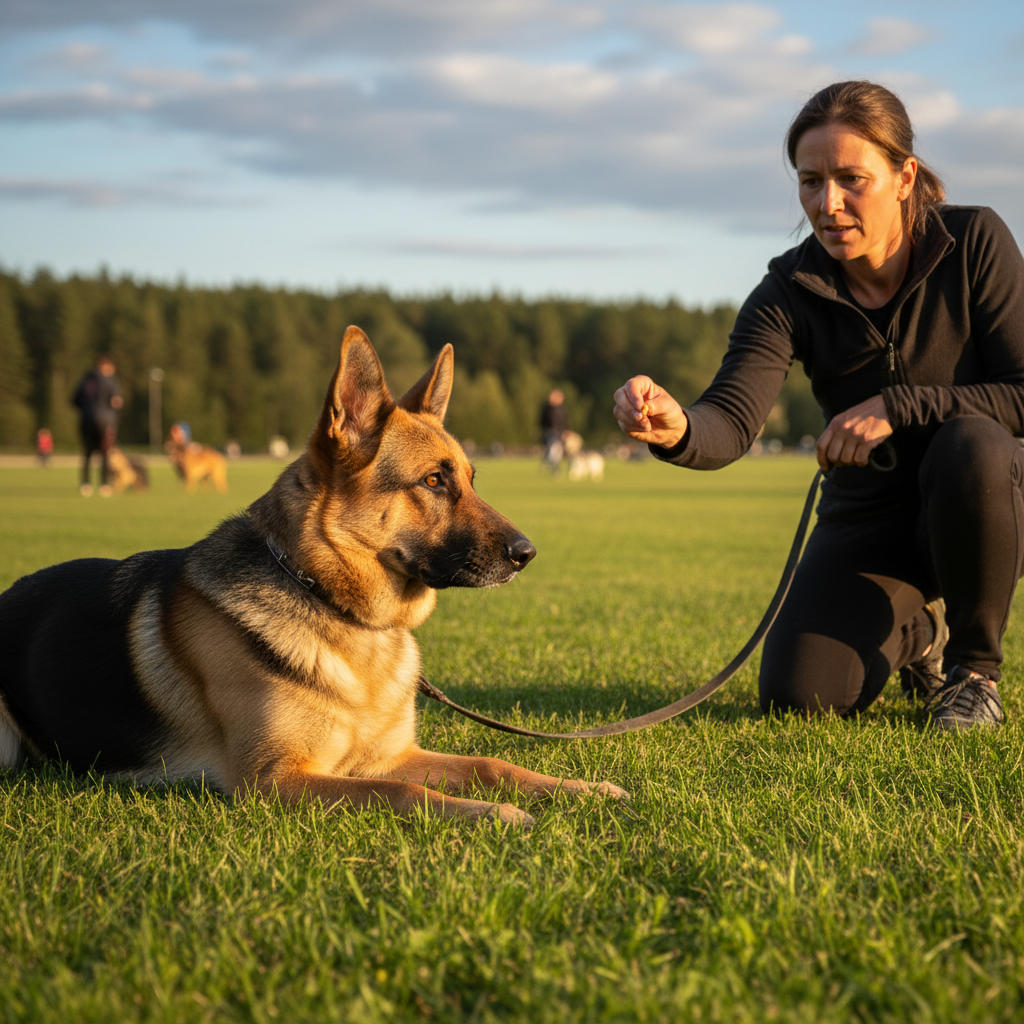
German Shepherds are highly intelligent and thrive on having a job to do. Without consistent training and adequate mental stimulation, they can quickly become bored, leading to destructive behaviors like excessive barking, chewing furniture, or digging. Their sharp minds need to be challenged regularly.
How to Avoid This Mistake
- Daily Training Sessions Dedicate at least 15-20 minutes daily to obedience training.
- Puzzle Toys Invest in puzzle feeders and interactive toys to engage their minds.
- Advanced Training Consider agility, scent work, or advanced obedience classes.
- New Commands Continuously teach them new tricks and commands to keep them engaged.
Replacing damaged household items or hiring professional trainers to correct ingrained bad habits can be very expensive. Prevention through consistent engagement is far more economical and effective.
3. Underestimating Grooming Needs
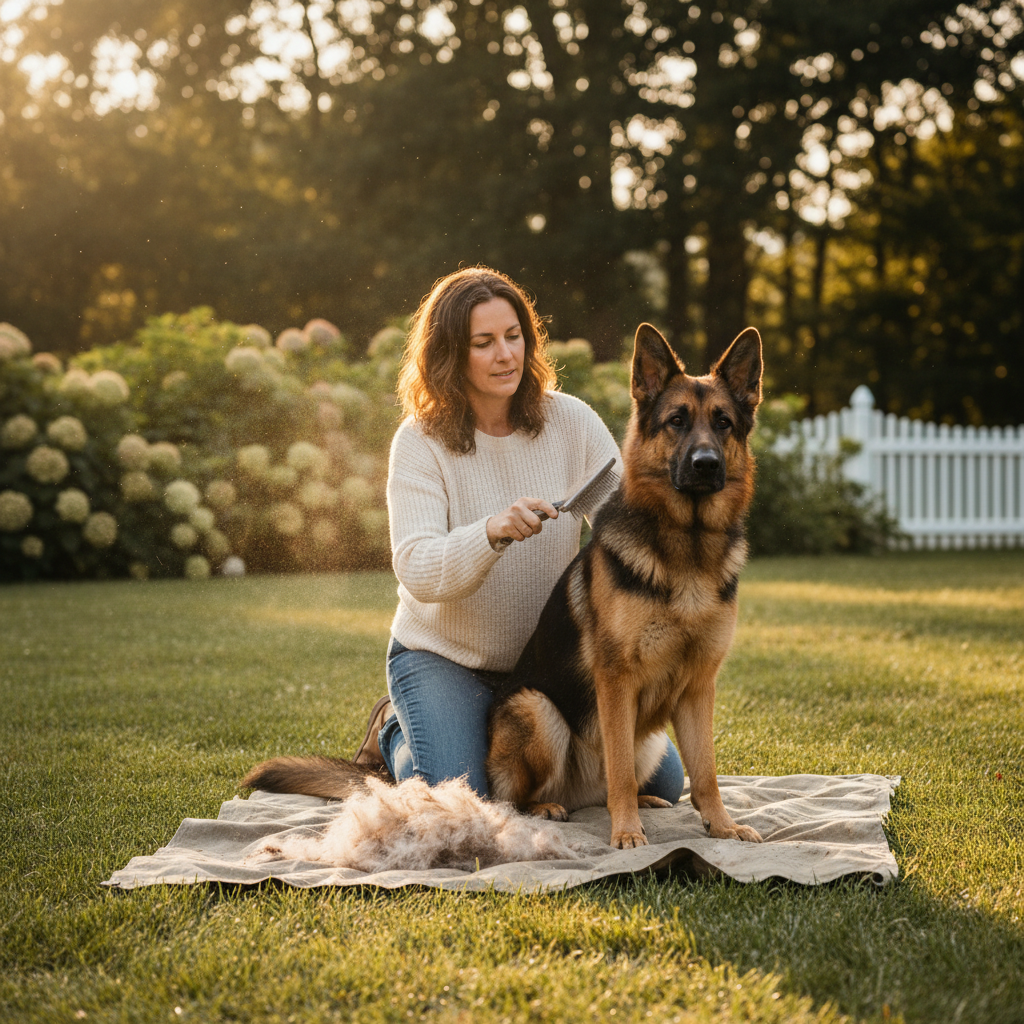
German Shepherds have a dense double coat that requires regular attention. Many owners underestimate the grooming commitment, leading to matting, skin irritations, and excessive shedding. Neglecting grooming can also hide underlying skin issues or parasites.
How to Avoid This Mistake
- Regular Brushing Brush your GSD several times a week, especially during shedding season, to remove loose fur and prevent mats.
- Proper Bathing Bathe them as needed, using a dog-specific shampoo, to maintain skin and coat health.
- Nail Trims Keep nails trimmed short to prevent discomfort and potential paw problems.
- Ear Cleaning Regularly check and clean their ears to prevent infections.
Vet visits for skin infections, hot spots, or professional dematting can quickly add up. A consistent grooming routine keeps your GSD comfortable and healthy.
4. Ignoring Proper Nutrition

A German Shepherd’s diet plays a crucial role in their overall health, energy levels, and coat condition. Feeding low-quality food or an unbalanced diet can lead to a host of health problems, from digestive issues and allergies to joint problems and poor immune function, all of which can incur significant veterinary costs.
How to Avoid This Mistake
- High-Quality Food Choose a premium dog food formulated for large, active breeds.
- Balanced Diet Ensure the food meets their nutritional needs for protein, fats, vitamins, and minerals.
- Portion Control Follow feeding guidelines and avoid overfeeding to prevent obesity.
- Vet Consultation Discuss your GSD’s diet with your veterinarian, especially for puppies or senior dogs.
Investing in good nutrition is an investment in your dog’s long-term health, potentially saving you thousands in vet bills for diet-related illnesses.
5. Overlooking Regular Veterinary Care
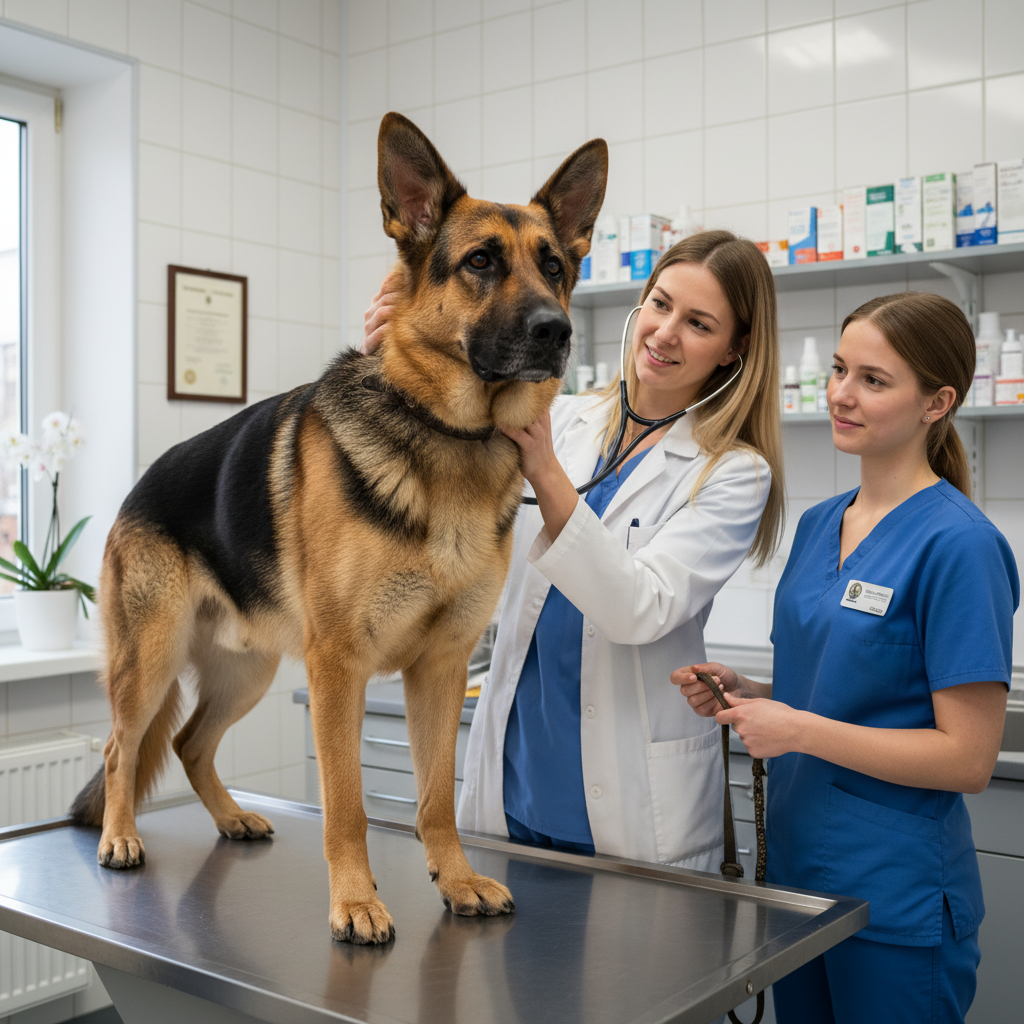
German Shepherds are prone to certain genetic health issues, such as hip and elbow dysplasia, degenerative myelopathy, and certain allergies. Skipping annual vet check-ups or preventative care can mean these conditions go undetected until they become advanced and more costly to treat.
How to Avoid This Mistake
- Annual Check-ups Schedule yearly veterinary examinations, even if your dog seems healthy.
- Vaccinations and Parasite Control Stay up-to-date on all recommended vaccinations and flea, tick, and heartworm prevention.
- Early Detection Be vigilant for any changes in behavior, appetite, or mobility, and consult your vet promptly.
- Emergency Fund Consider pet insurance or setting aside an emergency fund for unexpected health issues.
Catching health problems early can make a huge difference in treatment success and cost. Preventative care is always cheaper than emergency care.
6. Not Providing Enough Exercise
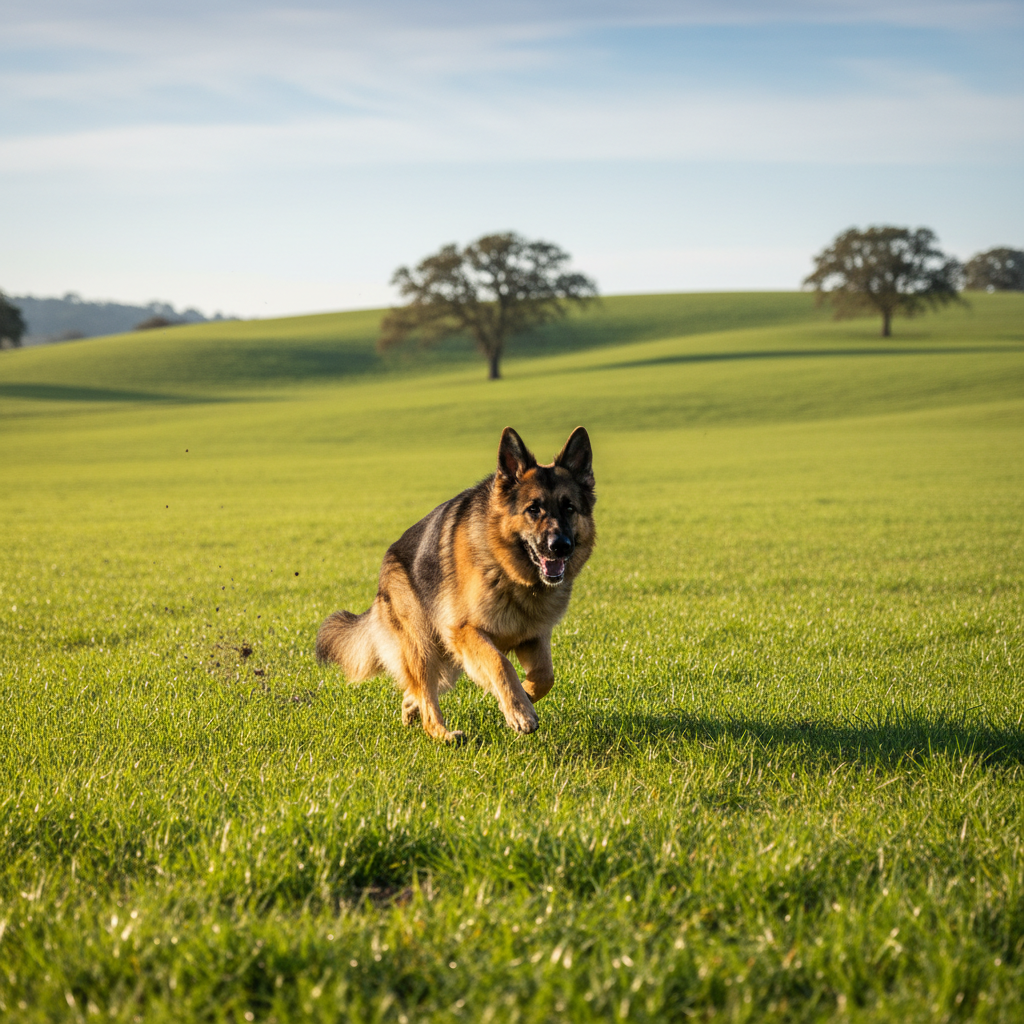
German Shepherds are an active breed with high energy levels. They need significant daily exercise to stay physically and mentally fit. A lack of adequate exercise can lead to boredom, destructive behaviors, weight gain, and increased anxiety or stress.
How to Avoid This Mistake
- Daily Walks or Runs Aim for at least 60-90 minutes of vigorous exercise daily, split into multiple sessions.
- Active Play Engage them in games of fetch, frisbee, or other interactive play.
- Secure Off-Leash Areas Provide opportunities for safe off-leash running in fenced areas.
- Vary Activities Keep exercise interesting by exploring different parks, trails, or activities.
A bored and under-exercised GSD can quickly become a destructive force in your home, leading to property damage and the need for costly behavioral interventions.
7. Failing to Establish Clear Leadership and Boundaries
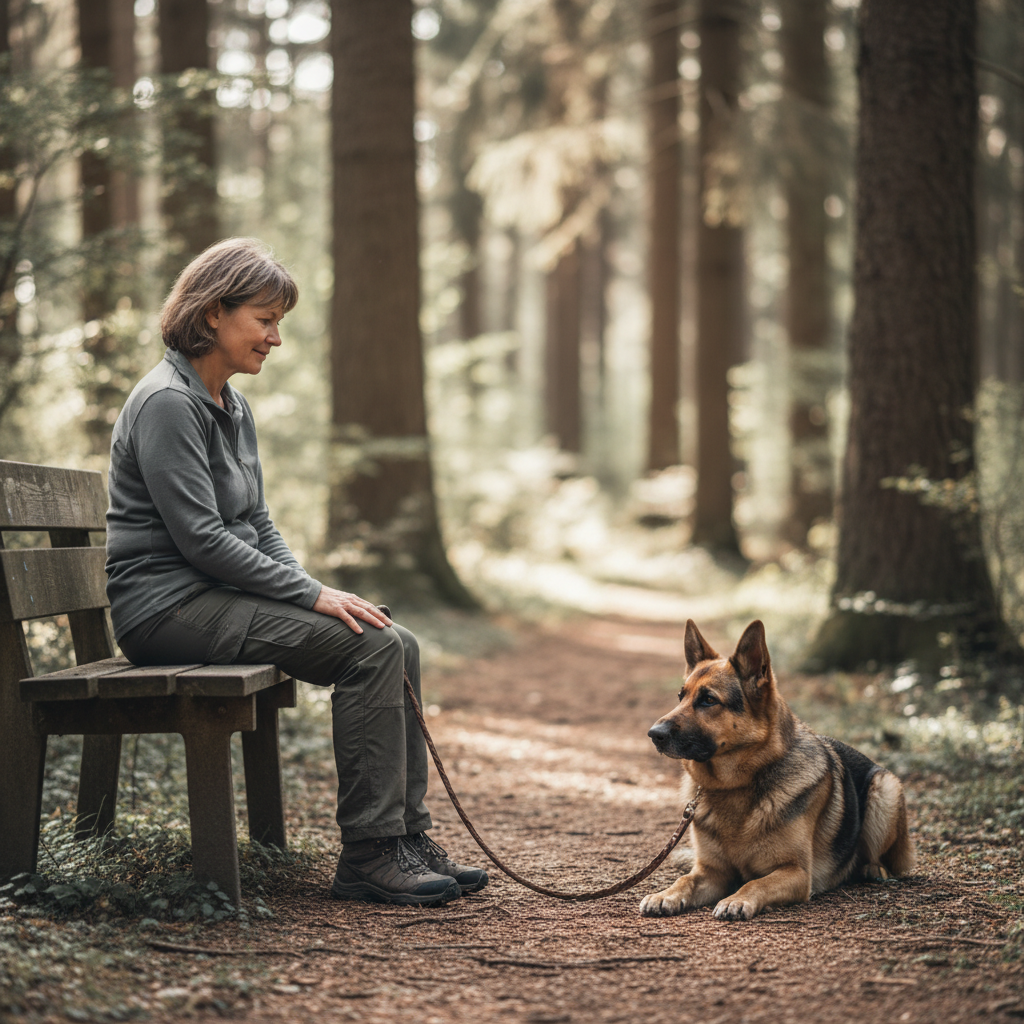
German Shepherds thrive on structure and clear expectations. They need a confident, consistent leader who establishes rules and boundaries from day one. Without this, a GSD may try to take on the leadership role themselves, leading to pushy, disobedient, or even aggressive behaviors.
How to Avoid This Mistake
- Consistent Rules Establish household rules and ensure everyone in the family enforces them consistently.
- Positive Reinforcement Use positive training methods to reward desired behaviors, building trust and respect.
- Calm Authority Be a calm, confident leader, not an aggressive one. Your GSD should see you as a reliable guide.
- Basic Obedience Reinforce basic commands like ‘sit,’ ‘stay,’ and ‘come’ daily.
Addressing dominance or behavioral issues stemming from a lack of leadership can require extensive and expensive professional training. Prevention is key to a well-behaved companion.
8. Rushing Important Developmental Milestones
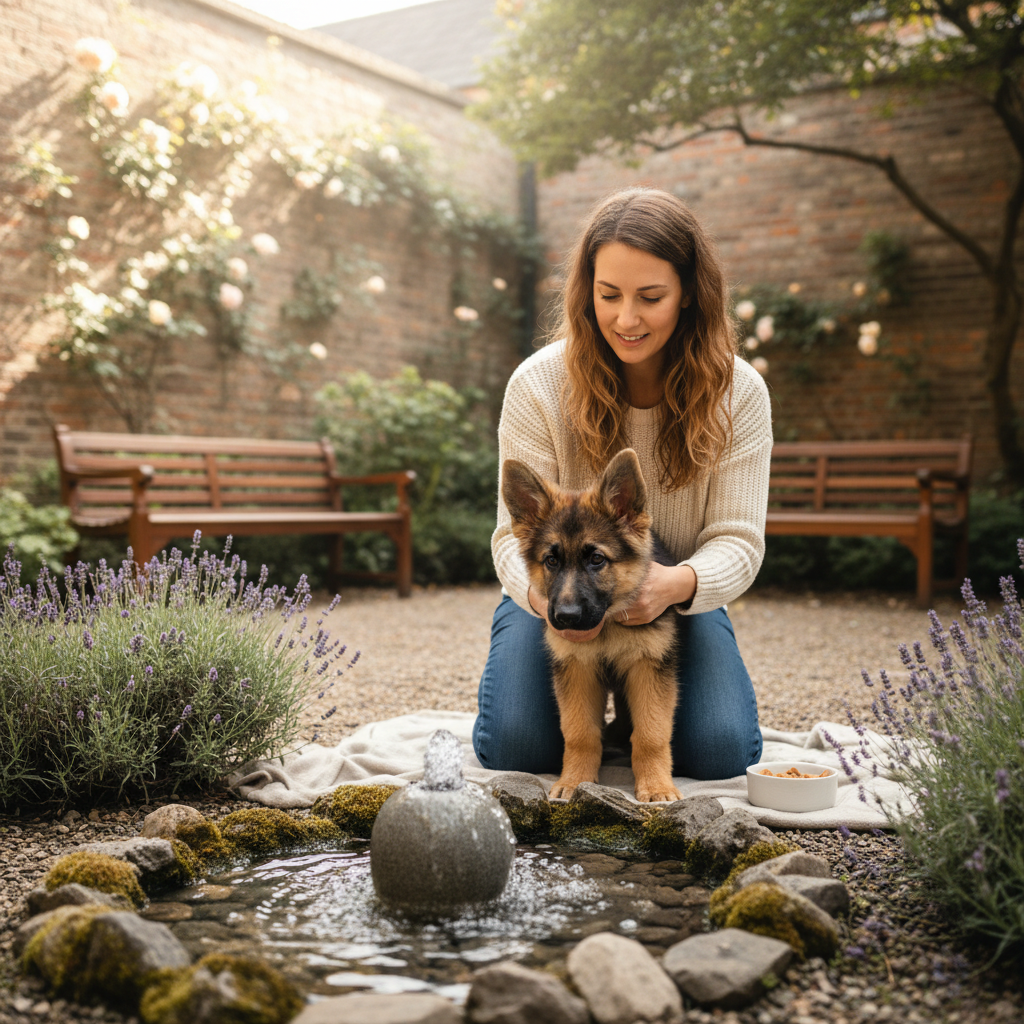
While German Shepherds are intelligent, it’s crucial not to rush their developmental stages. Pushing a puppy into advanced training or overwhelming them with too many new experiences too quickly can lead to stress, anxiety, and a breakdown in trust. Patience and age-appropriate expectations are vital.
How to Avoid This Mistake
- Patience is Key Allow your GSD to develop at their own pace.
- Gradual Introduction Introduce new challenges, people, and environments slowly and positively.
- Age-Appropriate Training Focus on basic obedience and socialization during puppyhood, gradually increasing complexity.
- Observe Your Dog Pay attention to your dog’s body language and comfort levels.
Forcing a GSD into situations they’re not ready for can create lasting fear or reactivity, which can be difficult and costly to undo. A slow and steady approach builds a more confident and resilient dog.
Conclusion
Owning a German Shepherd is an incredibly rewarding experience, but it comes with unique responsibilities. By understanding and actively avoiding these eight common and potentially costly mistakes, you can ensure your German Shepherd grows into a well-adjusted, healthy, and happy companion. Remember, responsible pet ownership is a journey of continuous learning, patience, and unwavering love. Invest your time, effort, and care wisely, and your German Shepherd will undoubtedly repay you with a lifetime of loyalty, joy, and companionship. Your GSD deserves the very best, and by being an informed and proactive owner, you are giving them just that.