8 Crucial Tips for Owners of Large Dogs (Because Big Dogs Need Big Love)
Large dogs are more than just pets; they are often gentle giants, loyal protectors, and boundless sources of joy. Their imposing size often belies an incredibly sweet and affectionate nature. However, owning a large dog comes with unique responsibilities and considerations that go beyond those of their smaller counterparts. From managing their powerful energy to ensuring their long-term health, big dogs need big love and smart care.
This guide is crafted for every devoted large dog parent, offering eight crucial tips to help you provide the best possible life for your beloved companion. Let’s dive into the specifics that make a world of difference for our magnificent, large-hearted friends.
1. Exercise is Non-Negotiable – Keep Them Moving
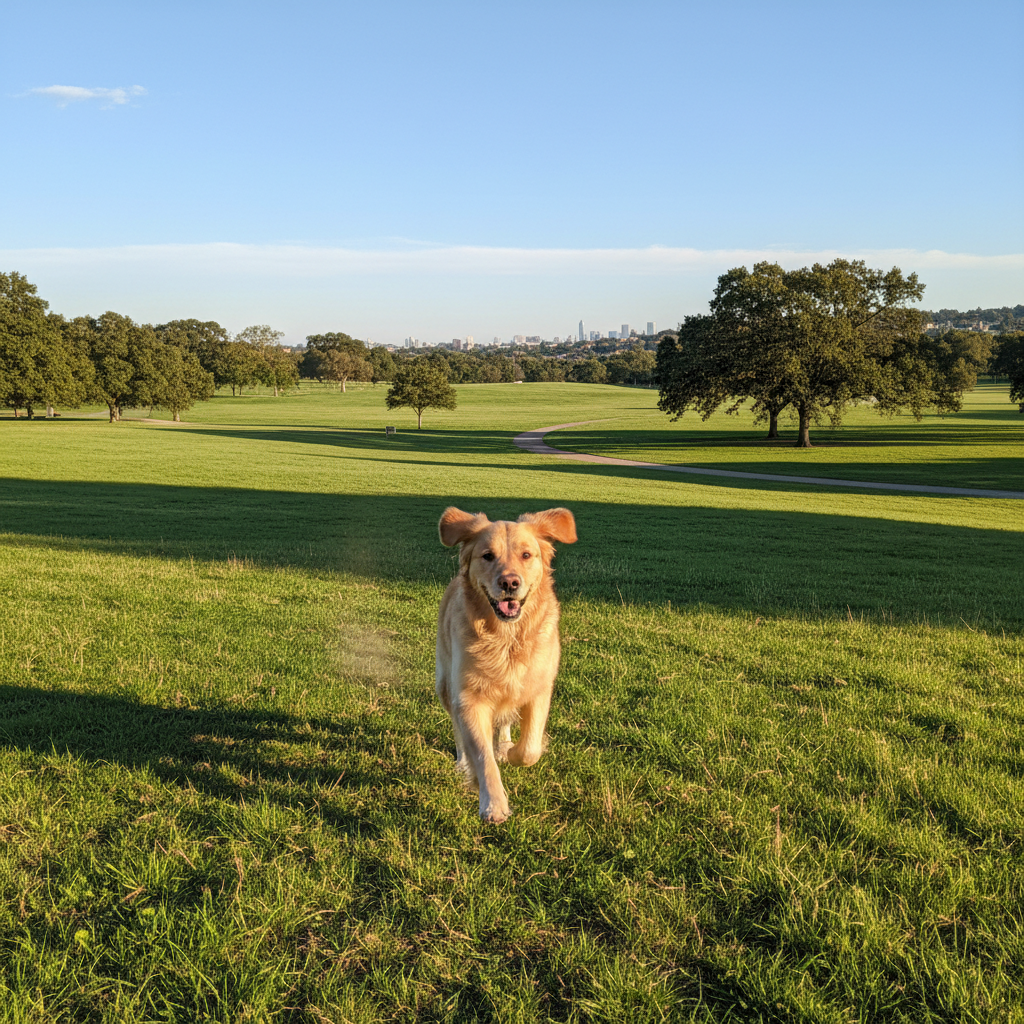
Large dogs, by their very nature, often possess a significant amount of energy that needs to be properly channeled. Regular, vigorous exercise isn’t just about keeping them fit; it’s essential for their mental well-being, preventing boredom, and avoiding destructive behaviors. What constitutes enough exercise can vary greatly by breed and individual temperament, but a general rule of thumb is at least 30-60 minutes of dedicated activity daily.
- Daily Walks: More than just a potty break, these should be purposeful walks where your dog can stretch their legs and explore.
- Playtime: Fetch, tug-of-war, or even a good romp with other dogs can burn off steam.
- Mental Stimulation: Don’t forget their minds! Puzzle toys, training sessions, and scent work are just as important as physical exercise.
- Safe Spaces: Ensure you have access to safe, open areas where your large dog can run freely, like a fenced dog park or a large yard.
2. Nutrition for Growing Giants – Fueling Their Health
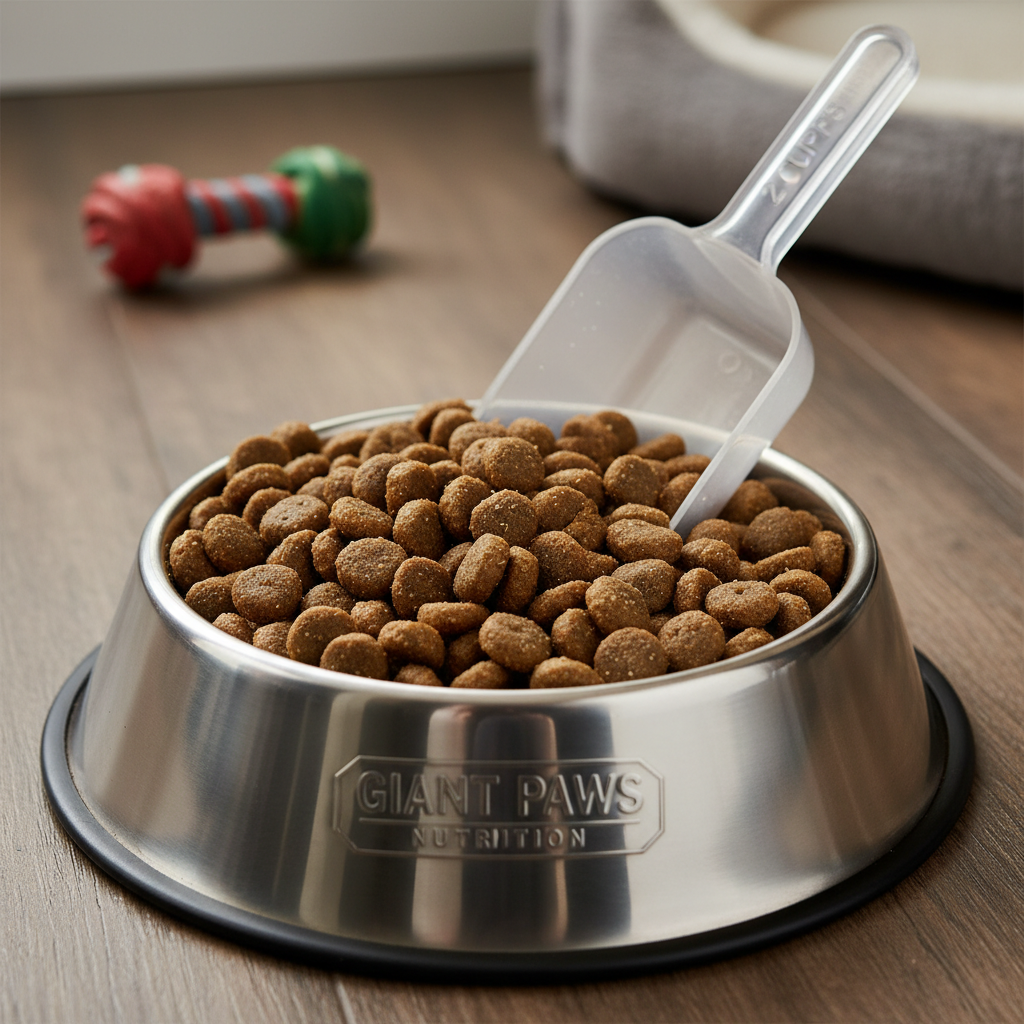
Proper nutrition is foundational for large breed dogs, especially during their critical growth phases. Large breed puppies grow rapidly, and too much or too little of certain nutrients can lead to skeletal problems. Adult large dogs also have specific dietary needs to support their body weight and maintain joint health.
- High-Quality Large Breed Formulas: Look for dog foods specifically formulated for large breeds. These often have different calcium-to-phosphorus ratios and controlled calorie levels to support slower, healthier growth in puppies and maintain ideal weight in adults.
- Portion Control: Overfeeding is a common issue that can lead to obesity, putting immense strain on joints. Follow feeding guidelines carefully and adjust based on your dog’s activity level and body condition.
- Joint Support Ingredients: Many large breed foods include glucosamine and chondroitin, which are beneficial for joint health. You can also discuss supplements with your vet.
- Watch for Bloat (GDV): Large, deep-chested breeds are prone to Gastric Dilatation-Volvulus. Feeding smaller, more frequent meals, avoiding strenuous exercise immediately after eating, and using slow-feeder bowls can help reduce risk.
3. Training and Socialization from Day One – Building Good Manners
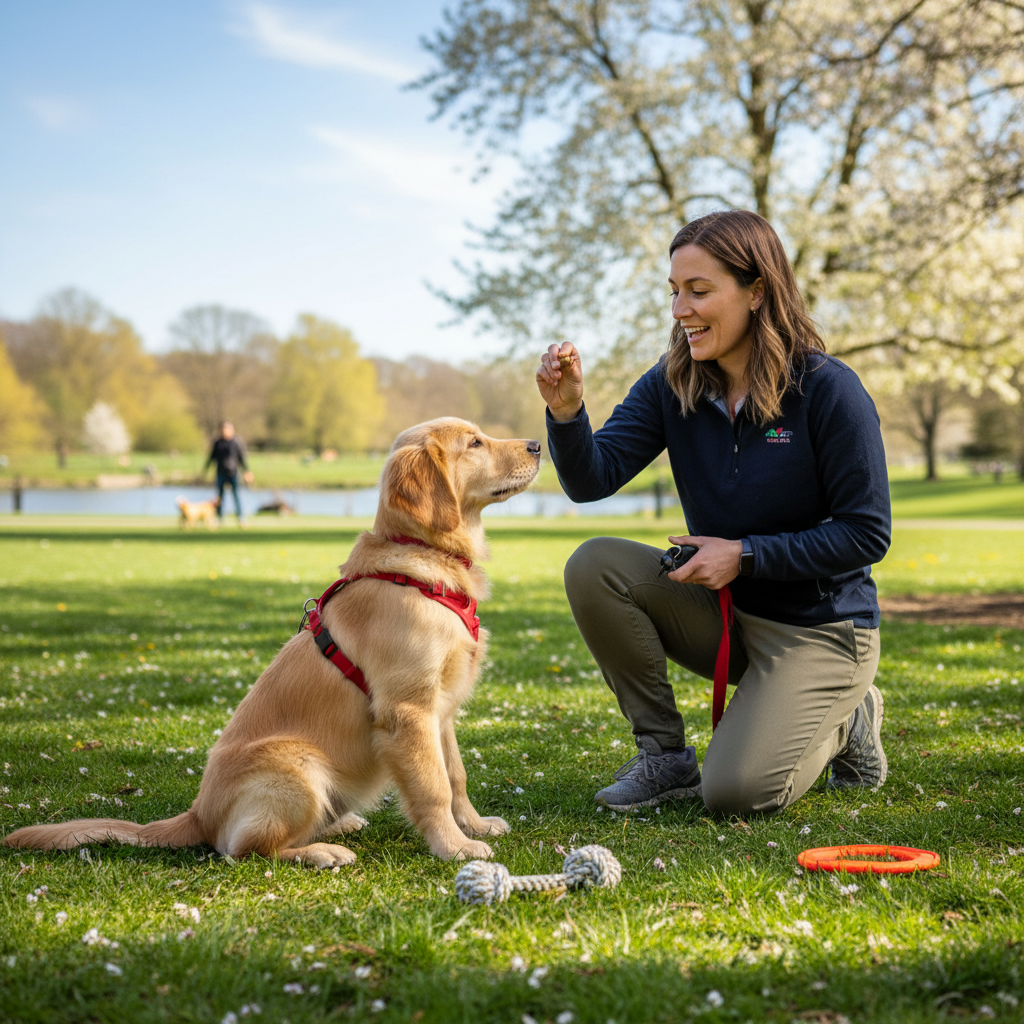
A well-trained large dog is a joy; an untrained one can be a handful, even unintentionally intimidating. Early and consistent training and socialization are paramount for large breeds. Their size means that even playful jumping or pulling on the leash can become problematic if not managed.
- Start Early: Puppy classes are invaluable for socialization and basic obedience. The sooner you start, the better.
- Leash Manners: Teach loose-leash walking from a young age. A large dog pulling on the leash can be dangerous for both of you.
- Prevent Jumping: Large dogs jumping up can easily knock over children or elderly individuals. Teach a ‘four on the floor’ rule.
- Positive Reinforcement: Use reward-based training methods. Large dogs respond wonderfully to praise, treats, and toys.
- Socialization: Expose your large puppy to various sights, sounds, people, and other friendly dogs in a controlled, positive manner to ensure they grow into a confident, well-adjusted adult.
4. Prioritizing Joint Health – Protecting Their Mobility
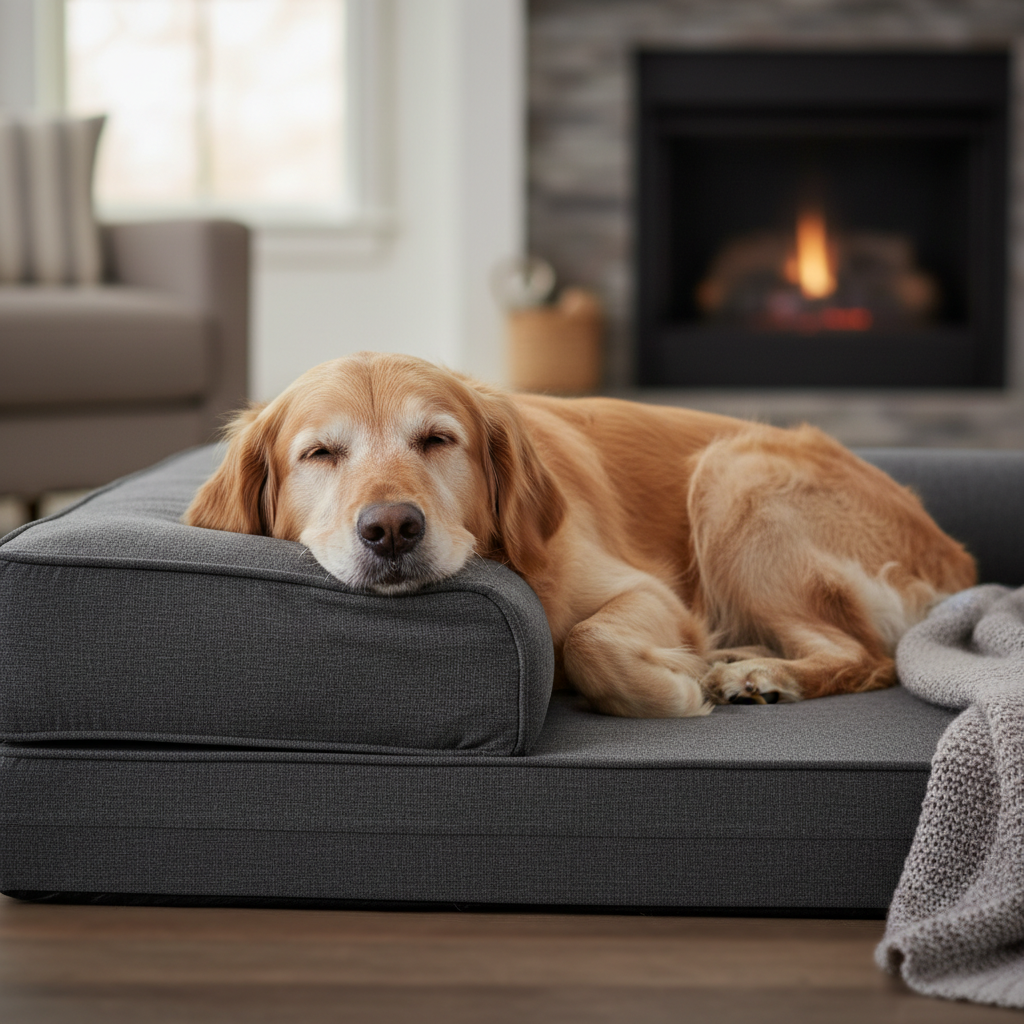
Due to their size and weight, large dogs are more susceptible to joint issues like hip and elbow dysplasia, arthritis, and other orthopedic conditions. Proactive care is essential to maintain their mobility and comfort throughout their lives.
- Weight Management: Maintaining an ideal body weight is crucial. Excess weight significantly increases stress on joints.
- Supplements: Discuss joint supplements (glucosamine, chondroitin, Omega-3 fatty acids) with your veterinarian, especially as your dog ages or if they are a breed prone to joint issues.
- Comfortable Bedding: Provide orthopedic beds that offer ample support and cushioning to relieve pressure on joints.
- Controlled Exercise: While exercise is vital, avoid high-impact activities on hard surfaces, especially with puppies whose growth plates are still developing.
- Regular Vet Check-ups: Early detection of joint problems allows for earlier intervention and management.
5. Space and Comfort at Home – A Sanctuary for Your Giant
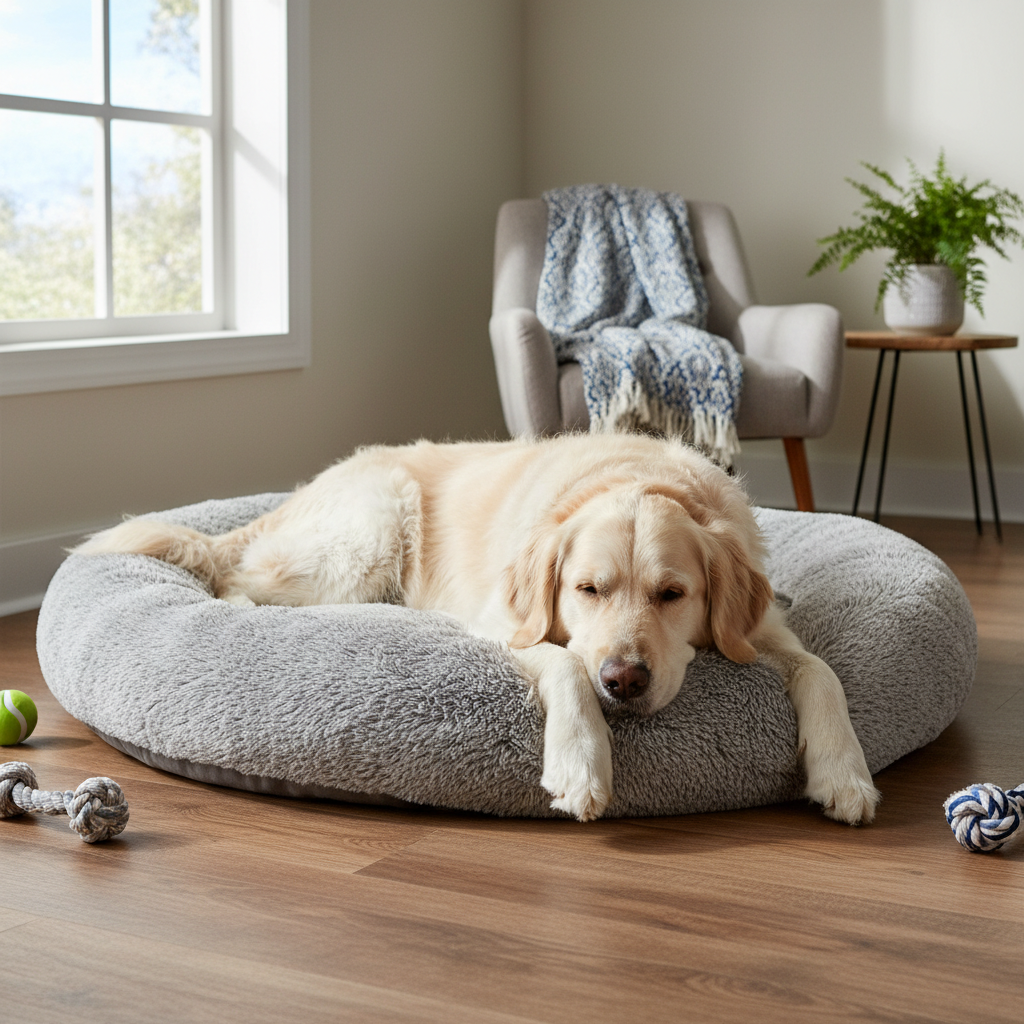
Large dogs need more than just a big heart from their owners; they need ample physical space to thrive. This includes not just living areas but also dedicated comfortable spots for rest and relaxation.
- Ample Living Space: While some large breeds can adapt to apartment living with sufficient outdoor exercise, a home with more space, ideally with a fenced yard, is often preferred.
- Large Beds: Invest in appropriately sized, comfortable beds. Large dogs need room to stretch out fully without hanging off the edges.
- Safe Outdoor Areas: If you have a yard, ensure it’s securely fenced to prevent escapes and provide a safe space for them to roam.
- Dedicated Retreat: Create a quiet, designated spot where your dog can retreat when they need peace and quiet, away from household hustle and bustle.
6. Grooming Big Bodies – Keeping Them Clean and Healthy
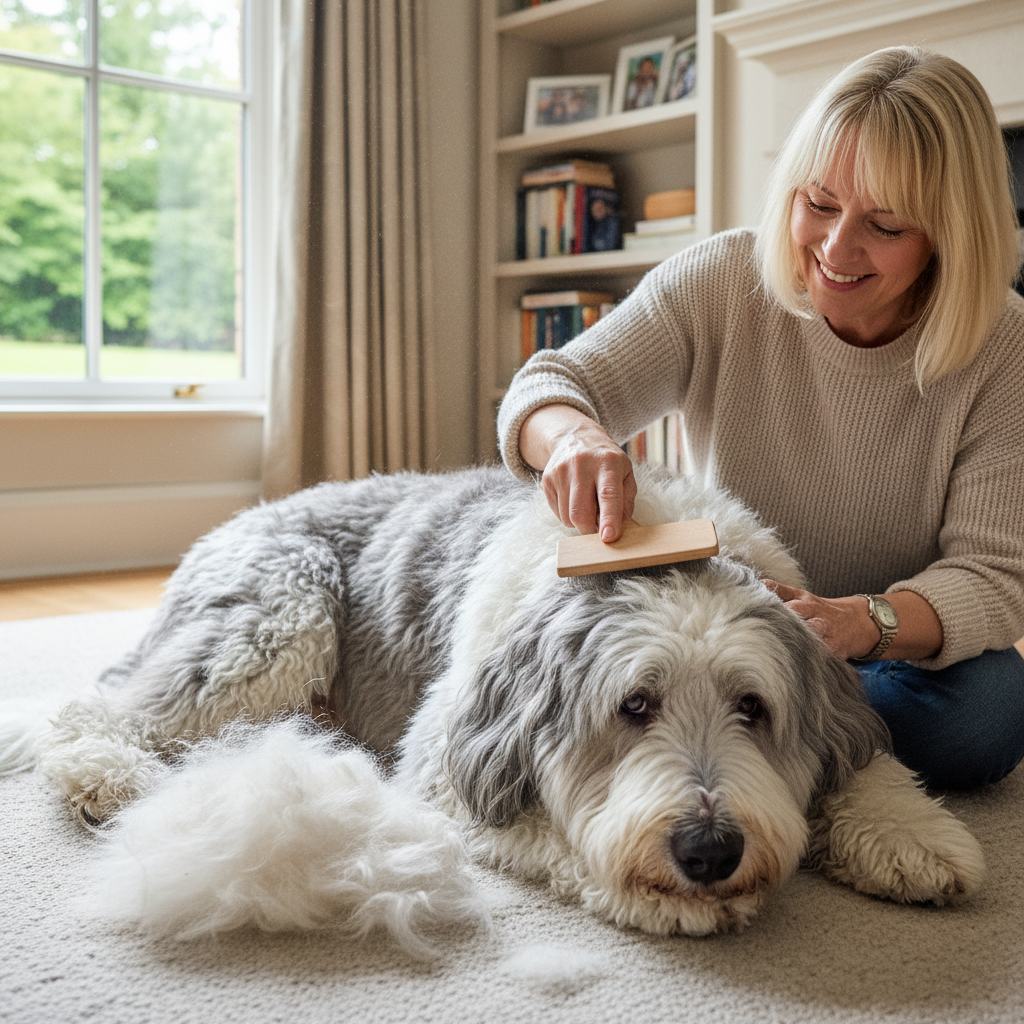
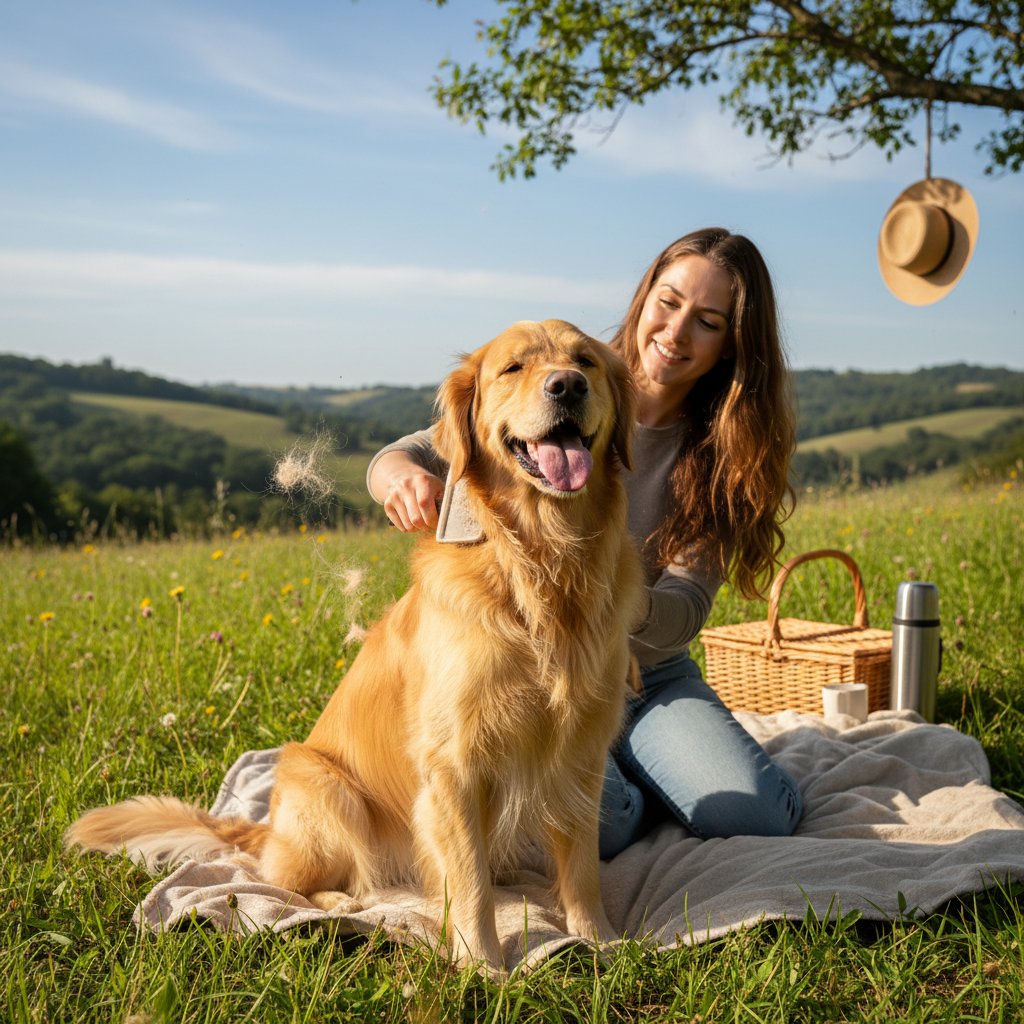
Grooming a large dog can seem like a daunting task, but it’s an essential part of their health and hygiene. Regular grooming not only keeps them looking good but also allows you to check for skin issues, parasites, and lumps.
- Regular Brushing: Depending on their coat type, large dogs may need daily or weekly brushing to prevent matting, reduce shedding, and distribute natural oils.
- Bathing: Bathe them as needed, using dog-specific shampoo. Large tubs or professional groomers can make this easier.
- Nail Trims: Keep their nails trimmed short to prevent discomfort and potential paw problems. Long nails can affect their gait and lead to pain.
- Dental Care: Large dogs are just as susceptible to dental disease. Regular teeth brushing, dental chews, and professional cleanings are important.
- Ear Cleaning: Check and clean their ears regularly, especially if they have floppy ears, to prevent infections.
7. Regular Vet Care and Preventative Measures – Staying Ahead of Health
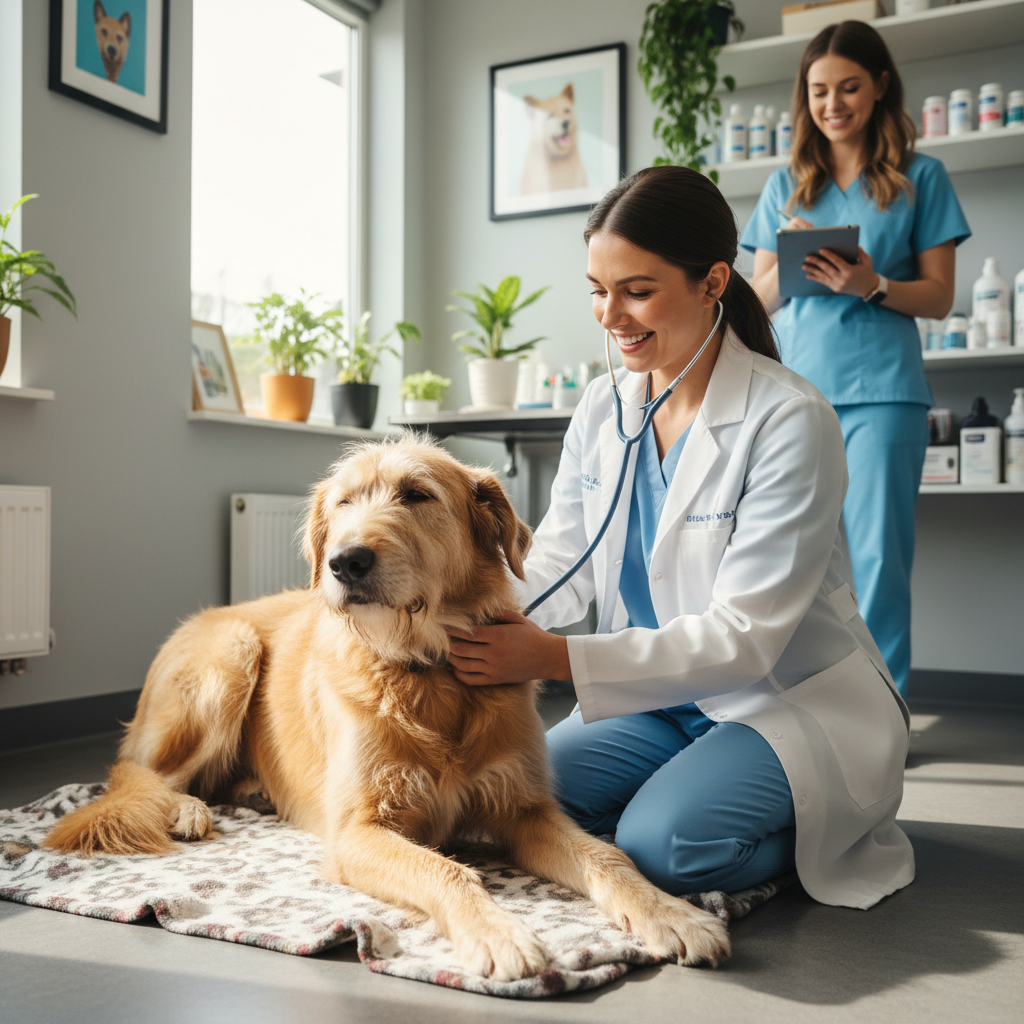
Consistent veterinary care is crucial for large dogs, given their specific health predispositions and longer puppyhood. Preventative measures can save you stress and expense in the long run.
- Routine Check-ups: Annual or bi-annual vet visits are vital for monitoring overall health, weight, and early detection of common large breed ailments.
- Vaccinations and Parasite Control: Stay up-to-date on all vaccinations, flea, tick, and heartworm prevention.
- Breed-Specific Concerns: Research your dog’s breed to understand common genetic health issues and discuss preventative screenings with your vet.
- Emergency Preparedness: Know the signs of common large breed emergencies like bloat and where your nearest emergency vet clinic is located.
8. Budgeting for a Big Companion – Financial Planning
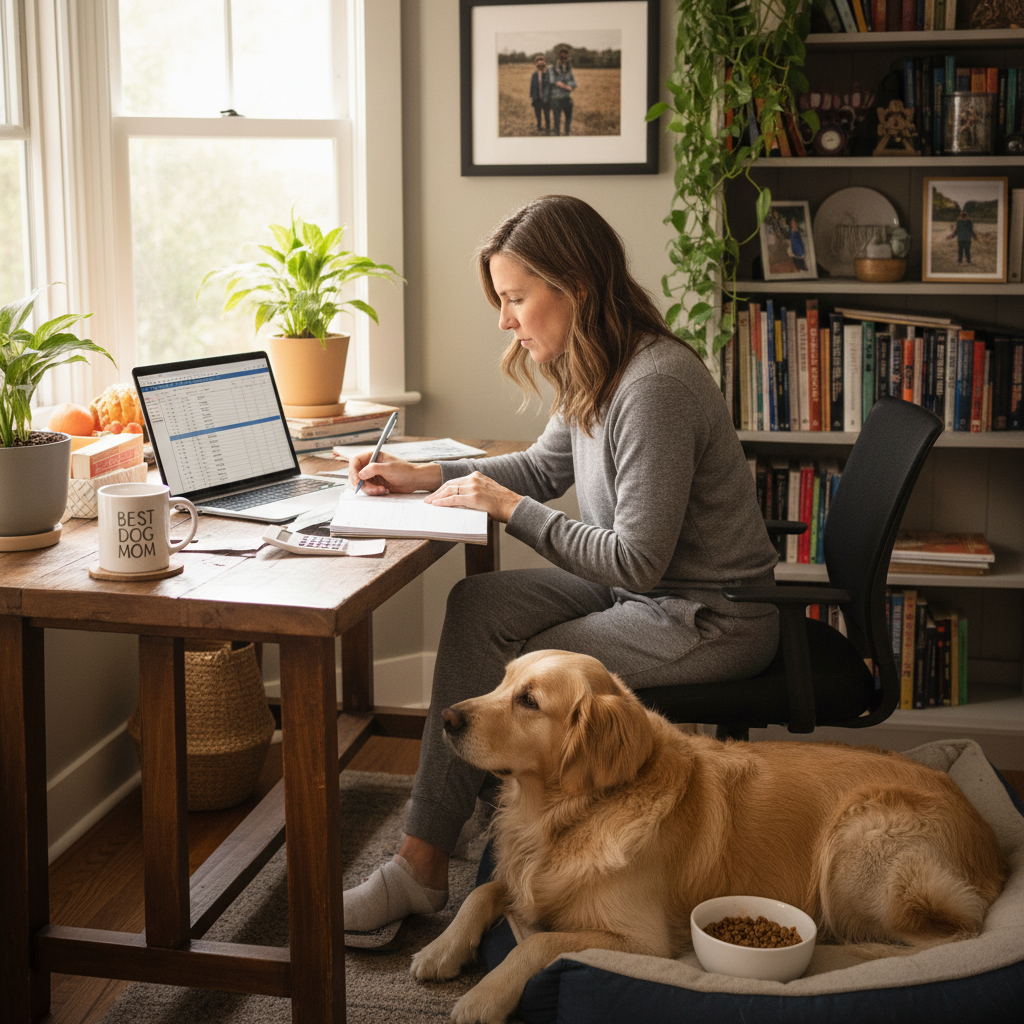
It’s no secret that large dogs generally come with larger expenses. From bigger bags of food to larger medications and accessories, their care can add up. Being financially prepared ensures you can always provide for your beloved pet.
- Food Costs: Expect to spend more on food; large dogs eat more.
- Vet Bills: Medications, anesthesia, and procedures are often dosed by weight, meaning higher costs for larger dogs.
- Accessories: Larger crates, beds, collars, and toys generally cost more.
- Grooming: Professional grooming services for large dogs are typically more expensive.
- Emergency Fund: Always have an emergency fund set aside for unexpected vet visits or health issues. Pet insurance can also be a valuable investment.
Conclusion – The Unconditional Love of a Large Dog
Owning a large dog is a profound commitment, but the rewards are immeasurable. These magnificent creatures offer unconditional love, unwavering loyalty, and a depth of companionship that enriches our lives beyond measure. By understanding and proactively addressing their unique needs, you’re not just providing care; you’re building a stronger bond and ensuring a lifetime of health and happiness for your gentle giant. Embrace the journey, cherish every moment, and remember that the big love you give them will be returned tenfold.