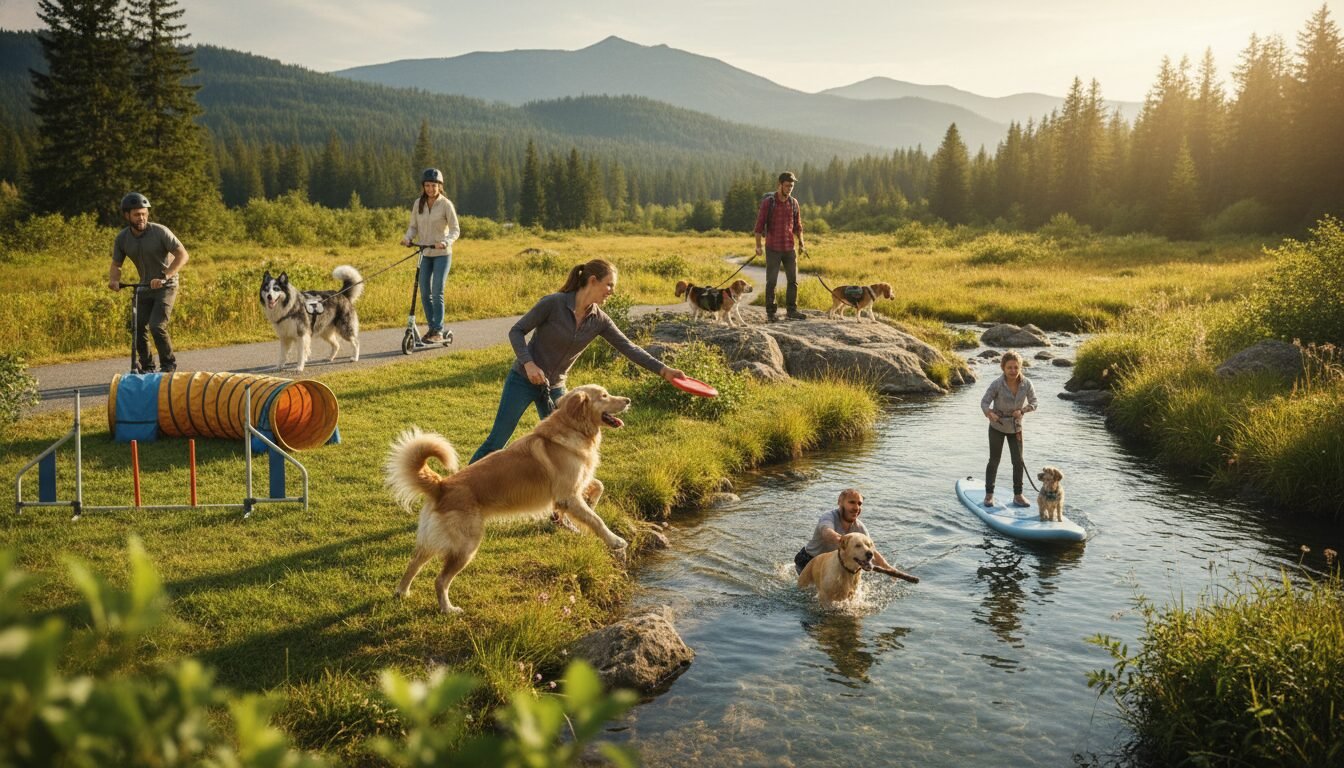
7 Outdoor Activities for Dogs to Keep Them Active & Healthy
Maintaining a healthy lifestyle for your canine companion involves much more than a brief daily walk around the block. Engaging in diverse outdoor activities provides necessary physical exercise and essential mental stimulation, both of which are crucial for preventing obesity and managing behavioral issues. By varying your routine, you can improve your dog’s cardiovascular health, muscle tone, and overall temperament. This guide explores seven effective and professional ways to keep your dog active while enjoying the benefits of nature.
1. Exploring Nature Through Hiking
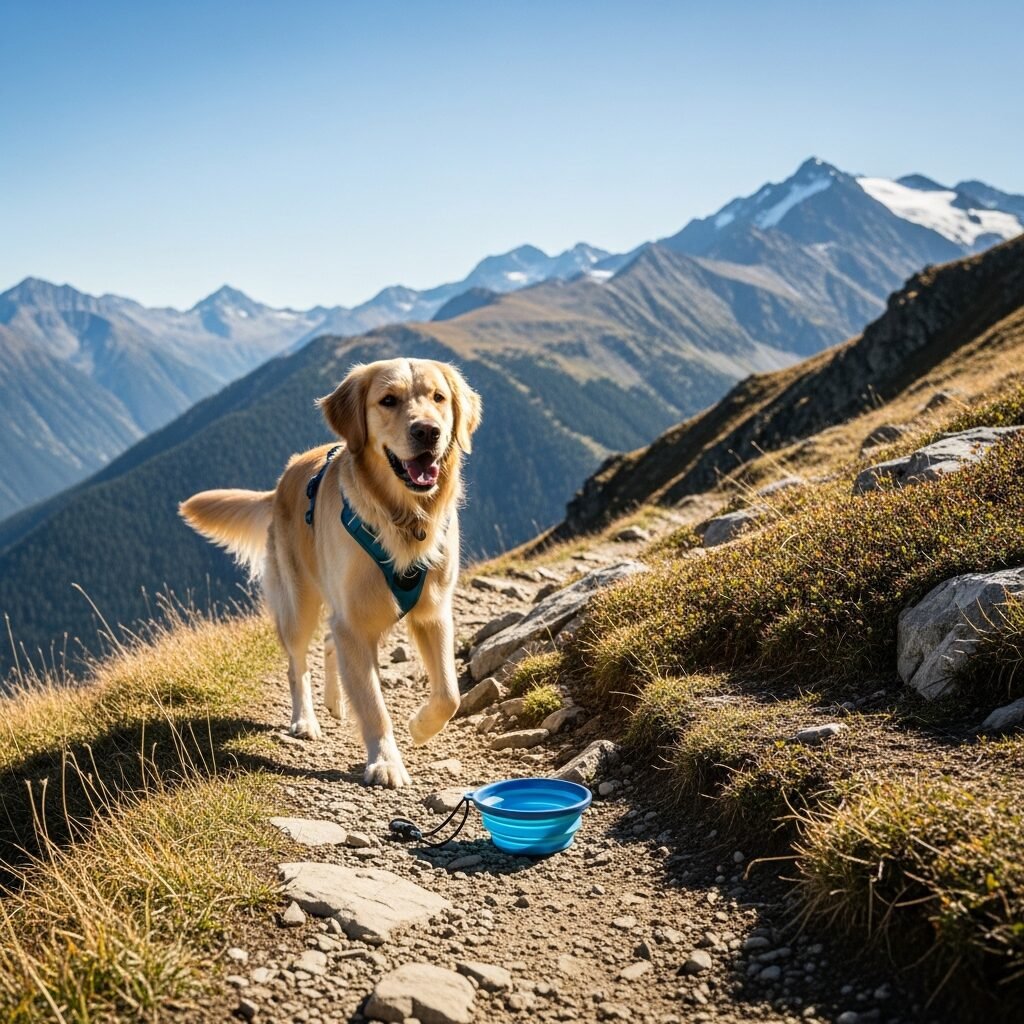
Hiking is an exceptional way to provide your dog with a comprehensive physical workout. Unlike walking on flat pavement, navigating natural trails involves uneven terrain, inclines, and declines that challenge different muscle groups and improve balance. The abundance of unique scents and sights also offers significant mental enrichment. It is important to choose trails that match your dog’s fitness level and to ensure they are properly hydrated throughout the journey. Always check local regulations regarding leash requirements to maintain safety and protect local wildlife.
2. Low Impact Swimming and Water Sports

Swimming is one of the best low-impact exercises for dogs, making it particularly beneficial for senior dogs or those with joint concerns like arthritis. It provides excellent resistance for muscle building without the stress of impact on the skeletal system. Whether at a dog-friendly beach, a lake, or a dedicated canine pool, water activities help keep dogs cool during summer months while burning a significant amount of energy. For safety, consider using a canine life jacket, especially for breeds that are not natural swimmers.
3. Agility Training in Open Spaces
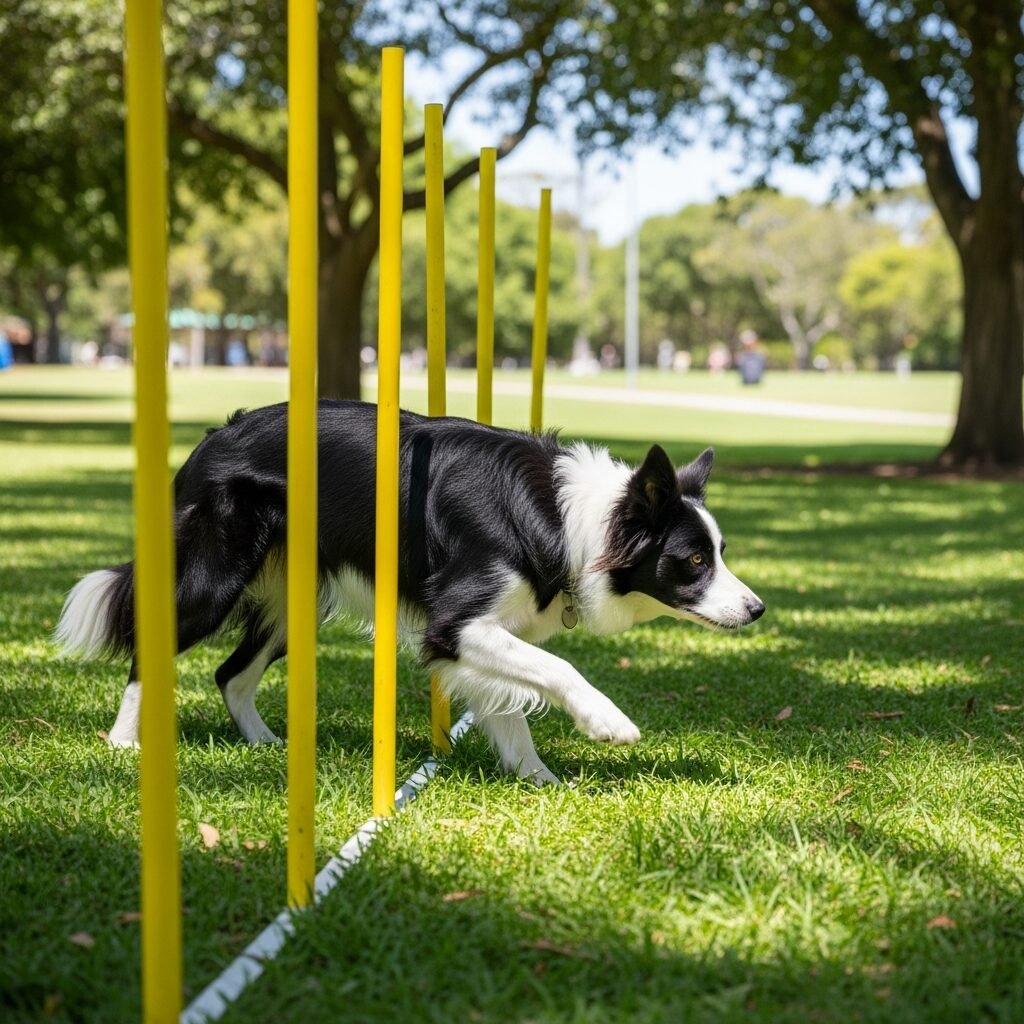
Agility training is a structured form of exercise that combines physical speed with cognitive processing. Setting up a mobile agility course in a local park or your backyard can include hurdles, tunnels, and weave poles. This activity requires the dog to follow complex commands and navigate obstacles, which builds confidence and strengthens the bond between the owner and the pet. It is a high-energy sport that improves coordination and provides a productive outlet for working breeds that require a high level of task-oriented engagement.
4. Advanced Fetch and Retrieval Exercises

While a basic game of fetch is a staple, you can elevate this activity to maximize health benefits. Utilizing specialized launchers can increase the distance your dog runs, promoting cardiovascular endurance. Incorporating varied terrain, such as running uphill to retrieve a ball, adds resistance training. Professional trainers often suggest using different types of toys, such as floating bumpers for water retrieval or weighted items, to keep the dog engaged and to target specific physical attributes like neck and jaw strength.
5. Scent Work and Tracking Challenges

A dog’s primary sense is smell, and engaging this sense can be as exhausting as a long run. Scent work involves hiding treats or specific scents across a wide outdoor area for your dog to track down. This activity encourages natural foraging behaviors and provides intense mental stimulation. You can start by creating simple trails in tall grass and gradually increase the complexity of the search. This is an excellent way to keep a dog active in environments where high-speed running might not be feasible.
6. Dog Friendly Beach Visits
Visiting a dog-friendly beach offers a unique physical challenge. Running on sand requires significantly more effort than running on solid ground, which helps in building strong leg muscles and improving stamina. The combination of sand running and intermittent cooling off in the ocean provides a well-rounded fitness session. Ensure you bring plenty of fresh water to prevent your dog from drinking salt water and rinse their coat afterward to remove salt and sand which can cause skin irritation.
7. Canicross and Structured Running

Canicross is the sport of cross-country running with dogs. Unlike casual jogging, it involves the dog being attached to the runner with a bungee leash and a specific harness, often pulling slightly ahead. This is a highly effective cardiovascular workout for both the dog and the owner. It requires training for specific directional cues and consistent pacing. This activity is ideal for high-energy breeds that enjoy having a job to do and can handle long-distance endurance running on various trail surfaces.
Conclusion
Incorporating these seven outdoor activities into your dog’s routine ensures they remain physically fit and mentally sharp. By diversifying the types of exercise you provide, you cater to different aspects of their health, from joint-friendly swimming to the high-intensity demands of agility and running. Always monitor your dog for signs of fatigue and provide adequate hydration and rest. A consistent commitment to varied outdoor engagement will result in a happier, healthier, and more well-behaved canine companion.


