Nipping is a common behavior, especially in puppies, that can be both frustrating and painful for dog parents. While often not aggressive, it’s essential to address nipping early to prevent it from becoming a habit as your dog grows. The good news is that with patience, consistency, and gentle techniques, you can guide your furry friend towards more appropriate ways of interacting. This guide will walk you through six kind yet effective behavior corrections to help your dog learn bite inhibition and develop good manners.
Understanding Why Dogs Nip
Before we dive into corrections, it’s helpful to understand why dogs nip in the first place. Puppies often nip during play as a way to explore their world and interact with littermates. It’s how they learn bite inhibition – understanding how much pressure they can exert without causing pain. Adult dogs might nip due to over-excitement, a lack of early training, fear, or even a medical issue. By recognizing the root cause, you can better tailor your approach.
- Exploration Puppies use their mouths to investigate objects and people.
- Play Nipping is a natural part of play for young dogs.
- Attention Seeking Some dogs learn nipping gets a reaction from their owner.
- Over-stimulation Too much excitement can lead to nipping.
- Fear or Anxiety In some cases, nipping can be a defensive reaction.
- Pain or Illness Rarely, a physical discomfort can cause unusual nipping.
The 6 Gentle Behavior Corrections
Here are six compassionate and effective strategies to help your dog learn not to nip.
1. Redirect with Appropriate Toys
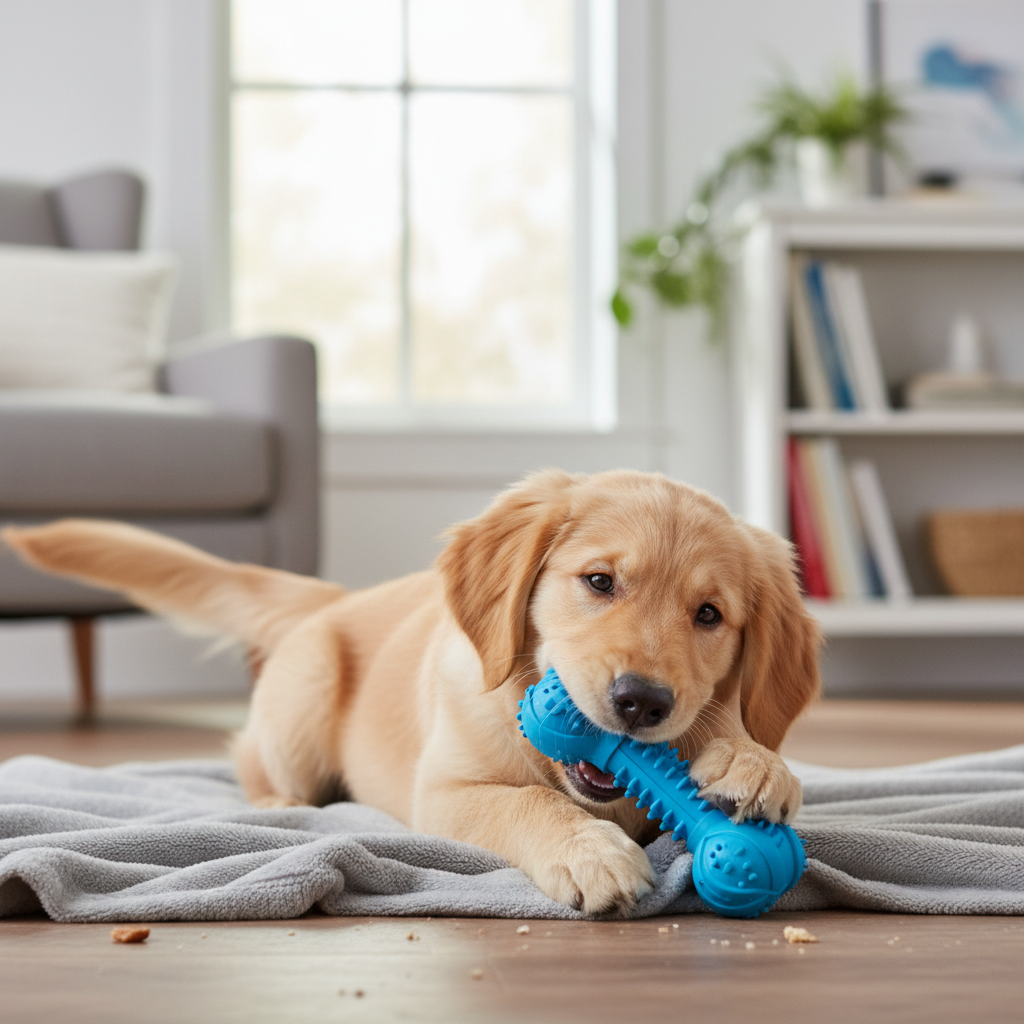
One of the most effective ways to prevent nipping is to redirect your dog’s attention to something they are allowed to chew. When your dog starts to nip at your hands or clothing, immediately offer a suitable chew toy. This teaches them what is acceptable to bite and helps satisfy their natural urge to chew.
How to do it:
- Keep a variety of appealing chew toys readily available.
- The moment your dog’s teeth touch your skin, say a firm but gentle ‘No’ or ‘Ouch’.
- Immediately offer a toy.
- When they take the toy, praise them enthusiastically.
- Repeat consistently every time nipping occurs.
2. Yelping and Disengaging
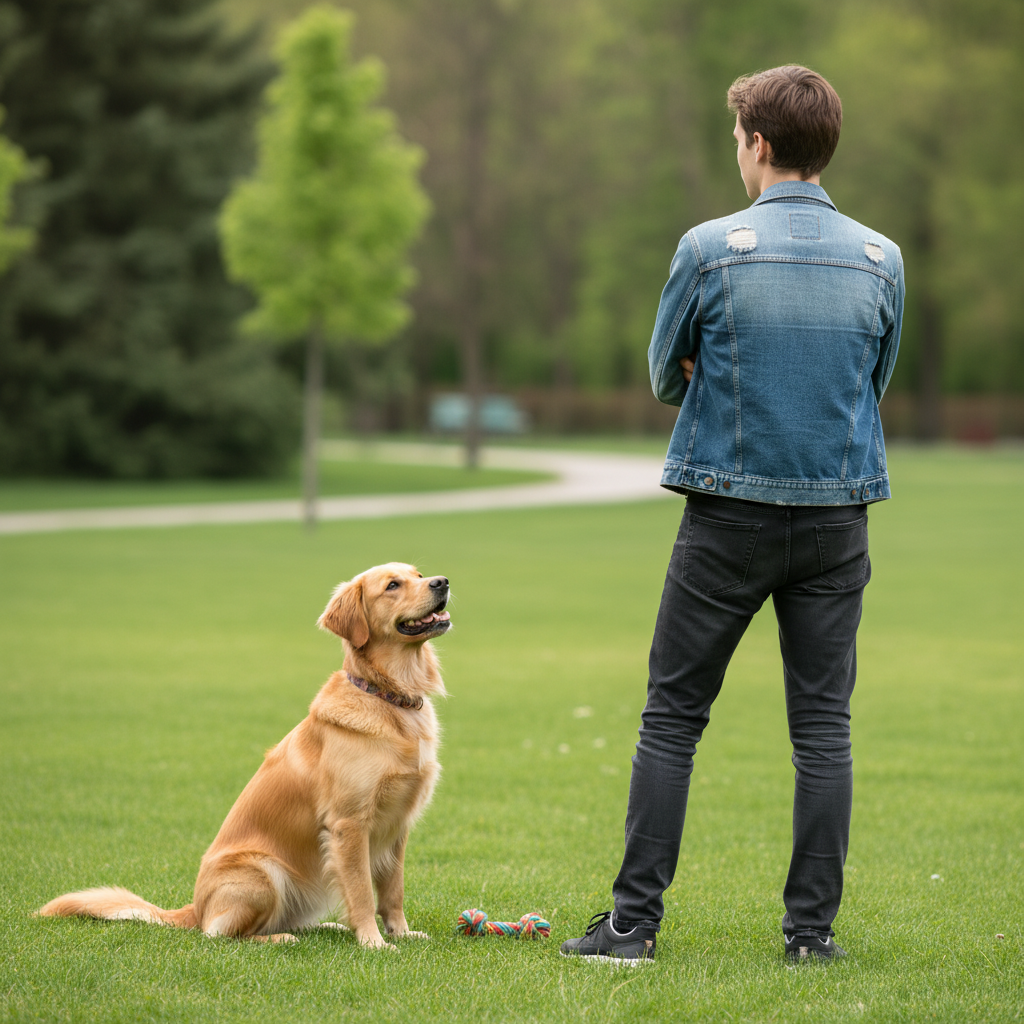
This technique mimics how puppies learn from their littermates. If a puppy bites too hard during play, the bitten puppy will often yelp and stop playing. This teaches the offender that biting too hard ends the fun.
How to do it:
- When your dog nips, let out a sharp, high-pitched ‘Yelp!’ or ‘Ouch!’.
- Immediately withdraw your hand or body part and completely disengage from play for 10-20 seconds.
- Turn your back or walk away briefly.
- After the short ‘time-out’, you can re-engage, but if the nipping resumes, repeat the process.
- This teaches your dog that nipping stops interaction.
3. “Time Out” for Over-Excitement
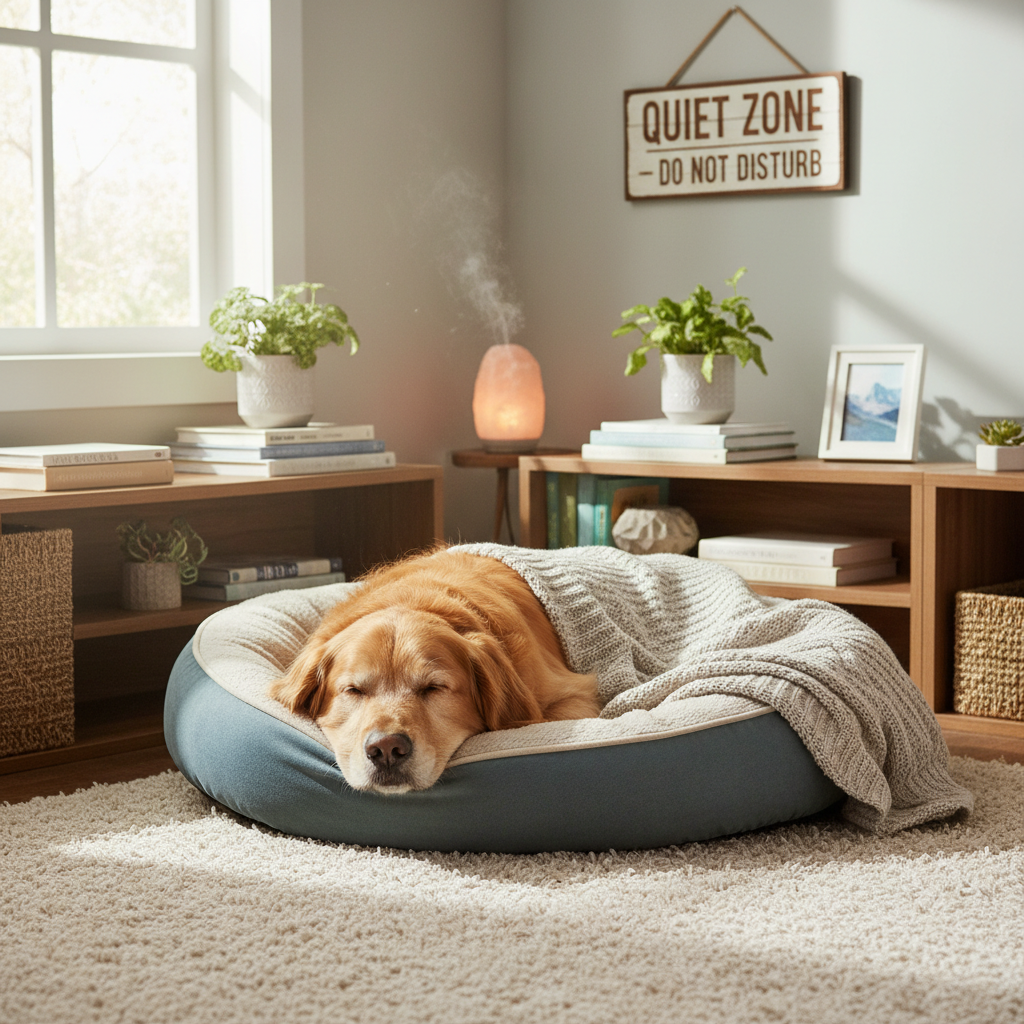
Sometimes, nipping is a sign that your dog is over-stimulated or overly excited. A brief ‘time out’ can help them calm down and learn that nipping leads to a break from interaction.
How to do it:
- When nipping starts due to over-excitement, calmly lead your dog to a designated quiet space, like their crate or a puppy-proofed area.
- Leave them there for a minute or two until they have settled.
- Do not interact with them during this time.
- Once calm, release them and resume interaction. If nipping restarts, repeat the time out.
- This isn’t punishment, but rather a chance for them to regulate their emotions.
4. Consistent Training and Commands
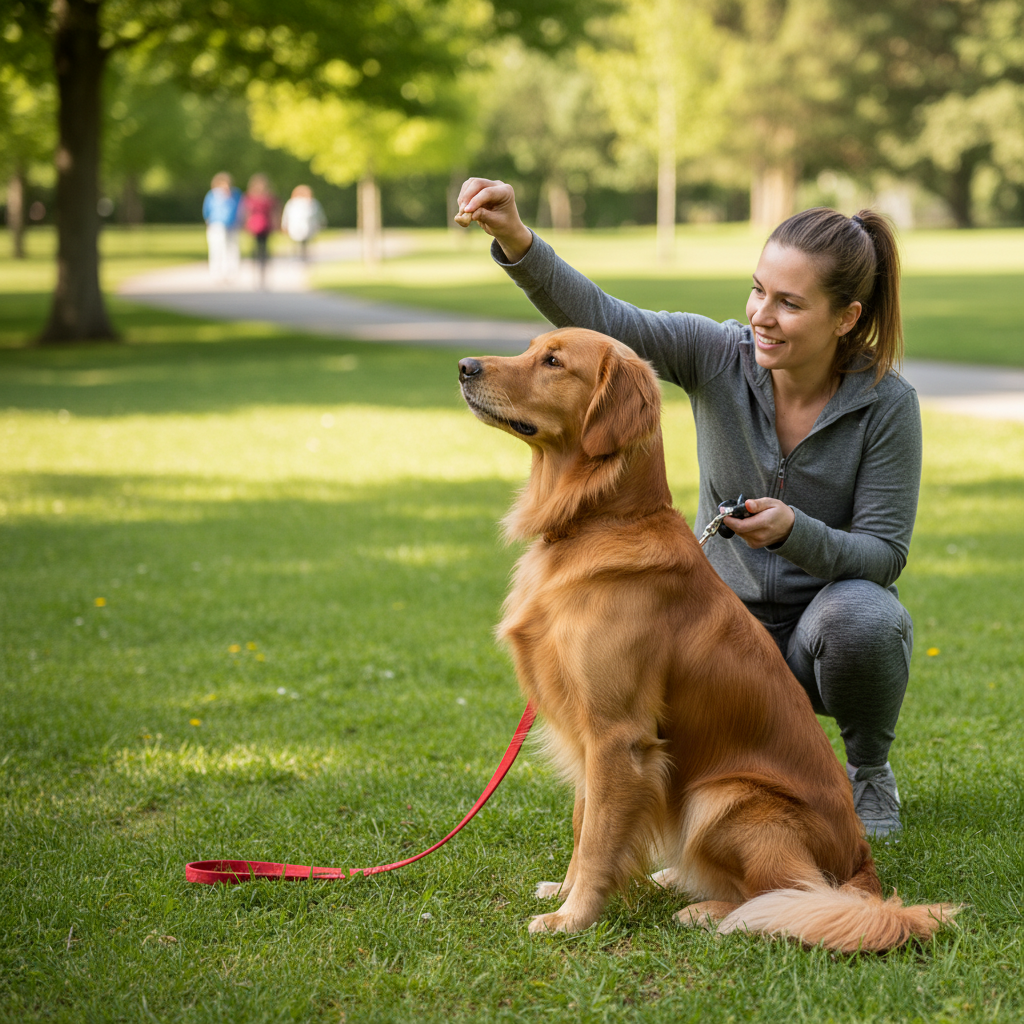
Basic obedience commands like ‘sit’, ‘stay’, and ‘leave it’ are invaluable in managing nipping behavior. They provide an alternative action for your dog and reinforce your role as the leader.
How to do it:
- ‘Leave It’ Teach your dog to leave an object alone when commanded. This can be extended to leaving your hands alone.
- ‘Sit’ or ‘Down’ If your dog starts to nip, ask them to ‘sit’ or ‘down’ instead. Reward them for obeying the command.
- Positive Reinforcement Always reward calm behavior and gentle interactions with praise and treats.
5. Socialization with Other Dogs
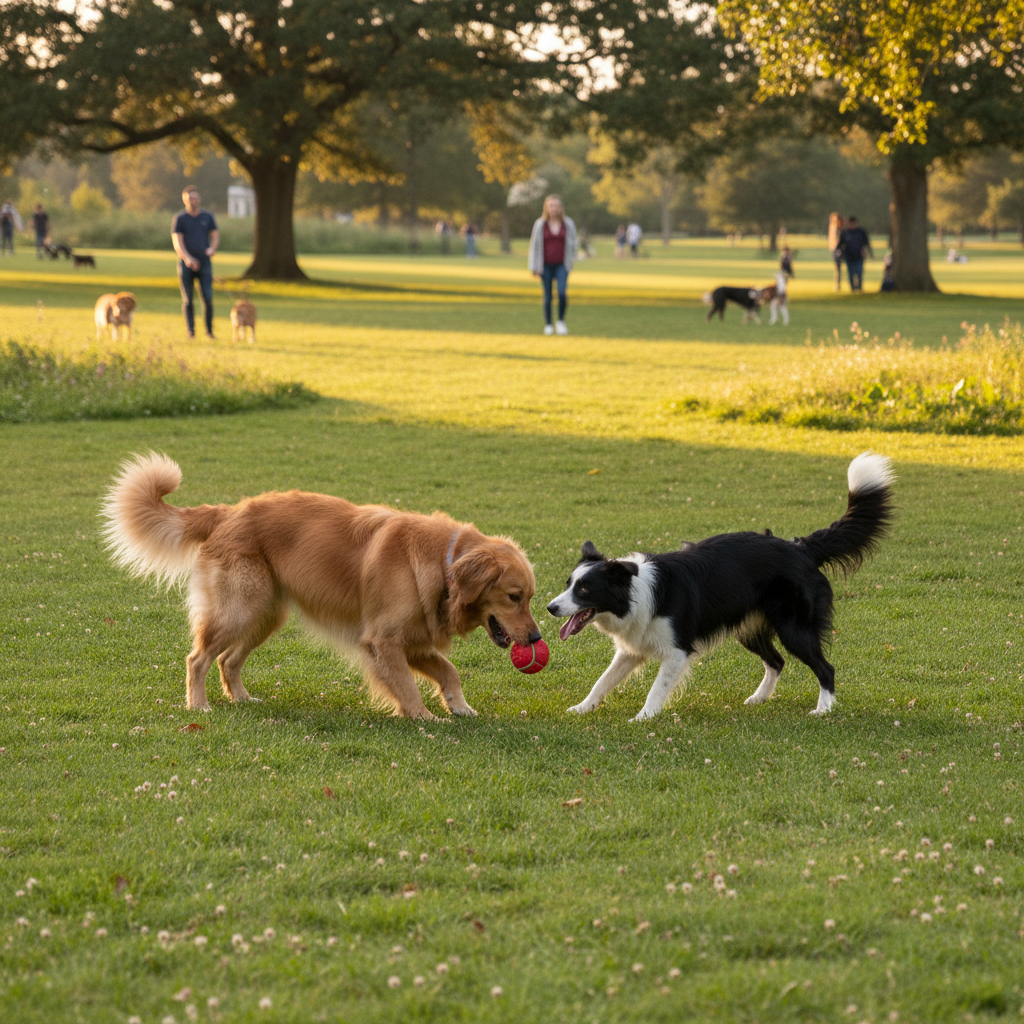
Appropriate socialization with other well-behaved dogs is crucial, especially for puppies. Other dogs teach bite inhibition and social cues more effectively than humans sometimes can.
How to do it:
- Arrange supervised playdates with vaccinated, friendly dogs.
- Enroll your puppy in puppy classes, which often include structured playtime.
- Observe their interactions closely to ensure positive experiences.
- A good playmate will correct a nipping puppy by yelping or disengaging, reinforcing the lesson.
6. Provide Ample Exercise and Mental Stimulation
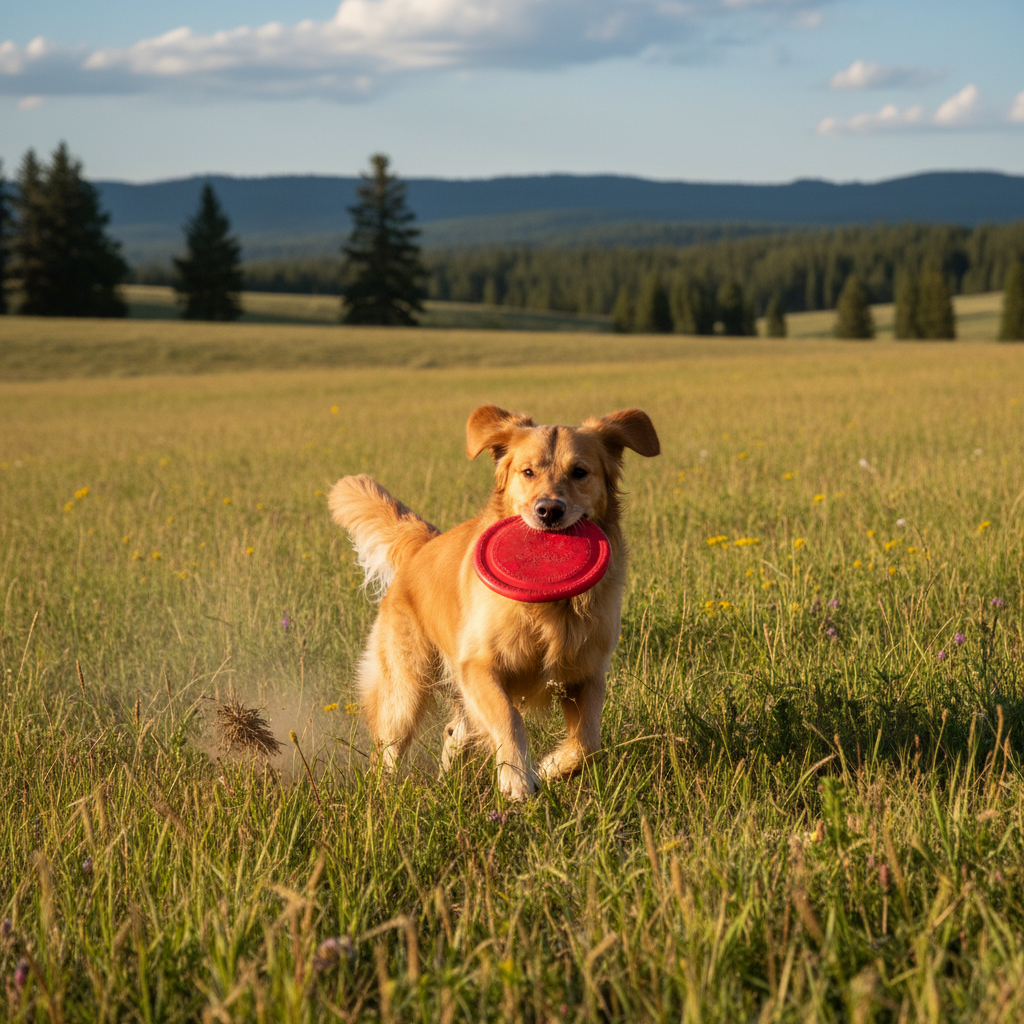
A tired dog is a well-behaved dog. Many nipping issues, especially in energetic breeds, stem from pent-up energy or boredom. Ensuring your dog gets enough physical activity and mental challenges can significantly reduce unwanted behaviors.
How to do it:
- Daily Walks Provide regular walks, tailored to your dog’s breed and age.
- Playtime Engage in active play like fetch, tug-of-war (with rules), or frisbee.
- Puzzle Toys Offer puzzle feeders or interactive toys that challenge their minds.
- Training Sessions Short, consistent training sessions also provide mental stimulation.
When to Seek Professional Help
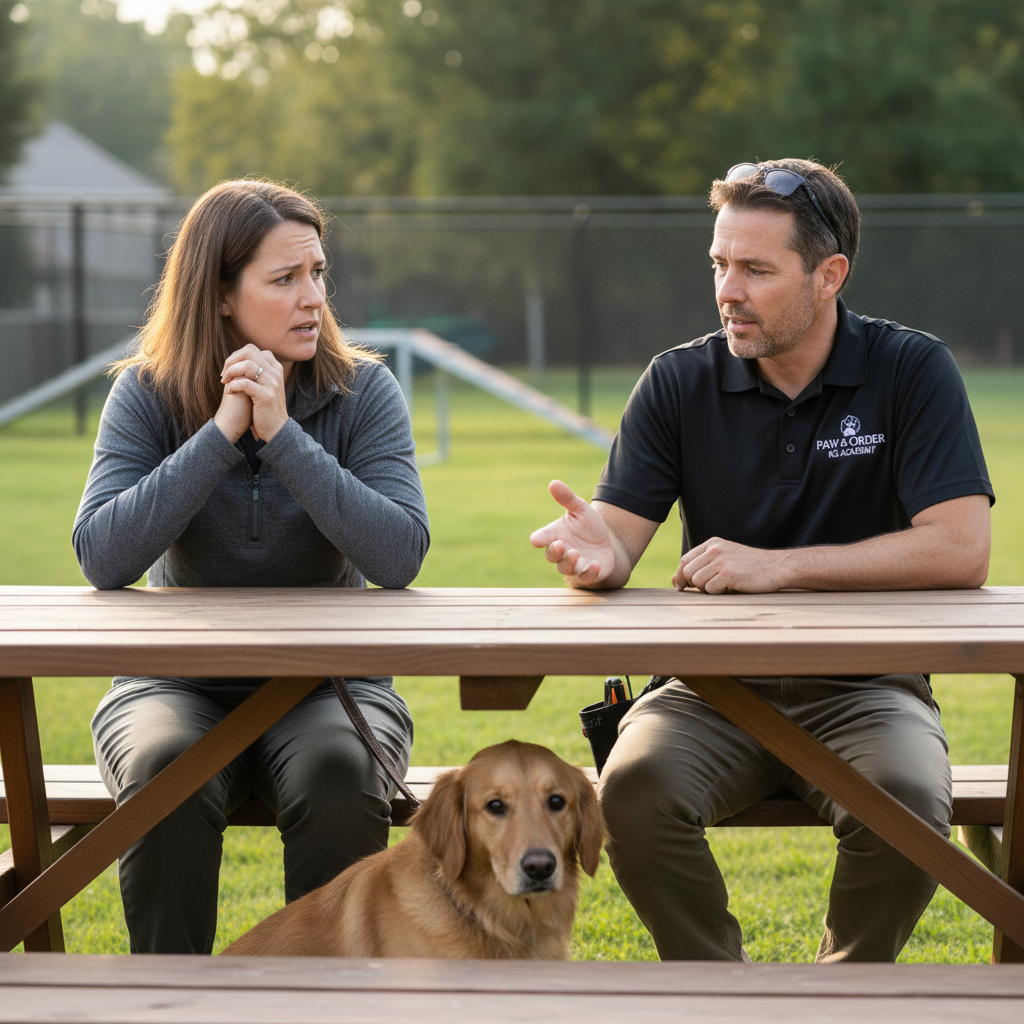
If despite consistent effort, your dog’s nipping persists, becomes more aggressive, or you feel overwhelmed, do not hesitate to consult a professional dog trainer or a veterinary behaviorist. They can assess the specific situation, identify underlying causes, and provide personalized guidance and training plans.
Conclusion
Preventing nipping in your dog is a journey that requires patience, consistency, and a whole lot of love. Remember, your dog isn’t trying to be naughty; they’re learning how to interact with the world and with you. By employing these gentle behavior corrections, you’re not just stopping an unwanted behavior; you’re strengthening the bond with your furry companion, teaching them valuable life lessons, and building a foundation for a happy, well-mannered life together. Embrace the process, celebrate the small victories, and know that your dedication will lead to a more harmonious household for everyone.