
Managing excessive vocalization in pets requires a structured and empathetic approach. Instead of relying on corrective measures that may increase anxiety, calm training focuses on positive reinforcement and environmental management. This guide explores seven professional techniques to foster a quieter household through patience and psychological insight. By understanding the root causes of noise, owners can implement strategies that encourage relaxation rather than reactive behavior.
1. Capturing and Rewarding Natural Silence

One of the most effective ways to reduce noise is to reward your pet when they are naturally quiet. Often, owners only react when a pet is loud, inadvertently teaching the animal that noise equals attention. By providing a small treat or calm praise during moments of stillness, you reinforce the value of silence as a desired state. This proactive approach helps the pet understand that being quiet is the most rewarding behavior they can offer.
2. Gradual Desensitization to Auditory Triggers
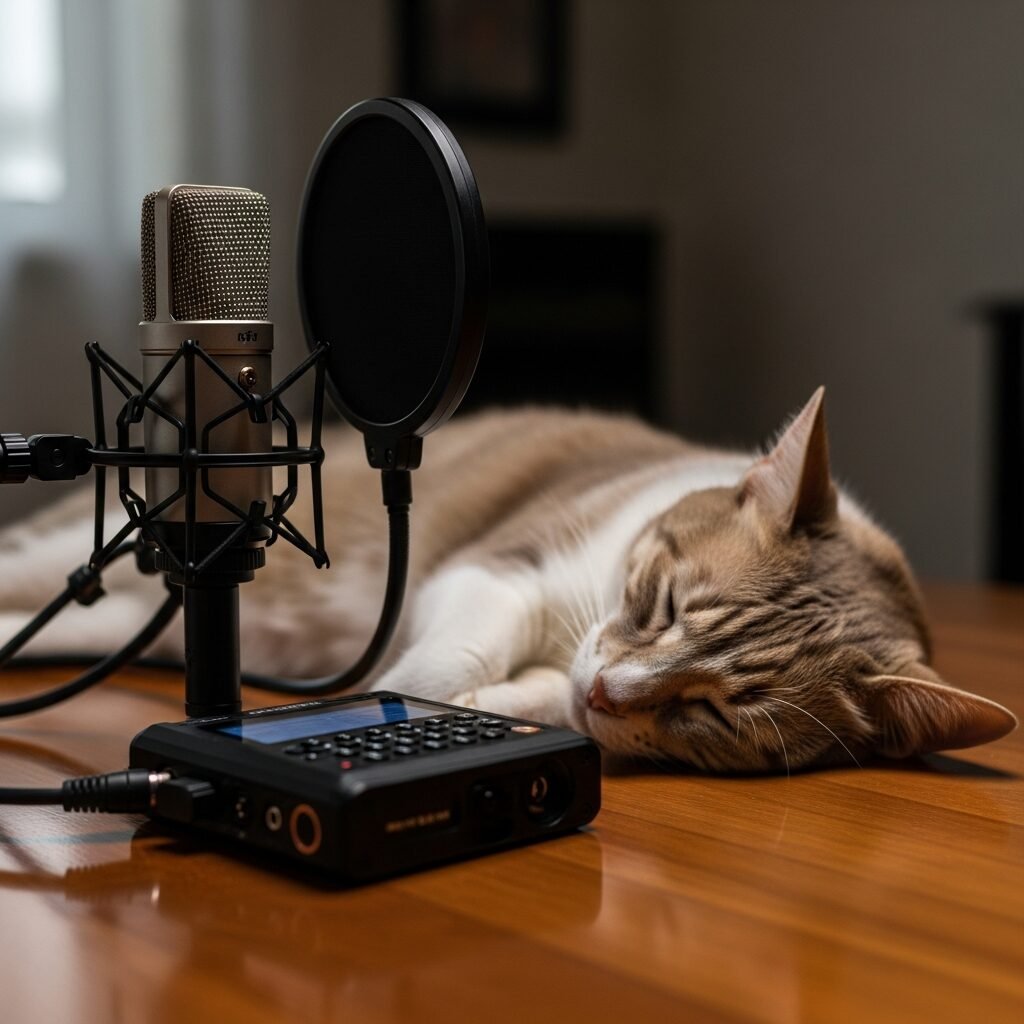
Excessive noise is often a reaction to specific stimuli like doorbells, sirens, or passing cars. Desensitization involves exposing the pet to these sounds at a very low volume while they remain in a relaxed state. Over time, the volume is slowly increased as the pet remains calm. This systematic approach helps the pet realize the sound is not a threat and does not require a vocal response, effectively breaking the cycle of reactive noise.
3. Establishing a Designated Quiet Zone

Teaching a Place command allows you to direct your pet to a specific area where they feel secure and settled. This boundary-based training helps reduce excitement-based noise by giving the pet a physical task to focus on. When they are in their designated quiet zone, such as a bed or a mat, they learn that their only job is to remain calm and silent. This provides them with a clear expectation for behavior in high-energy situations.
4. Enhancing Mental Enrichment and Stimulation
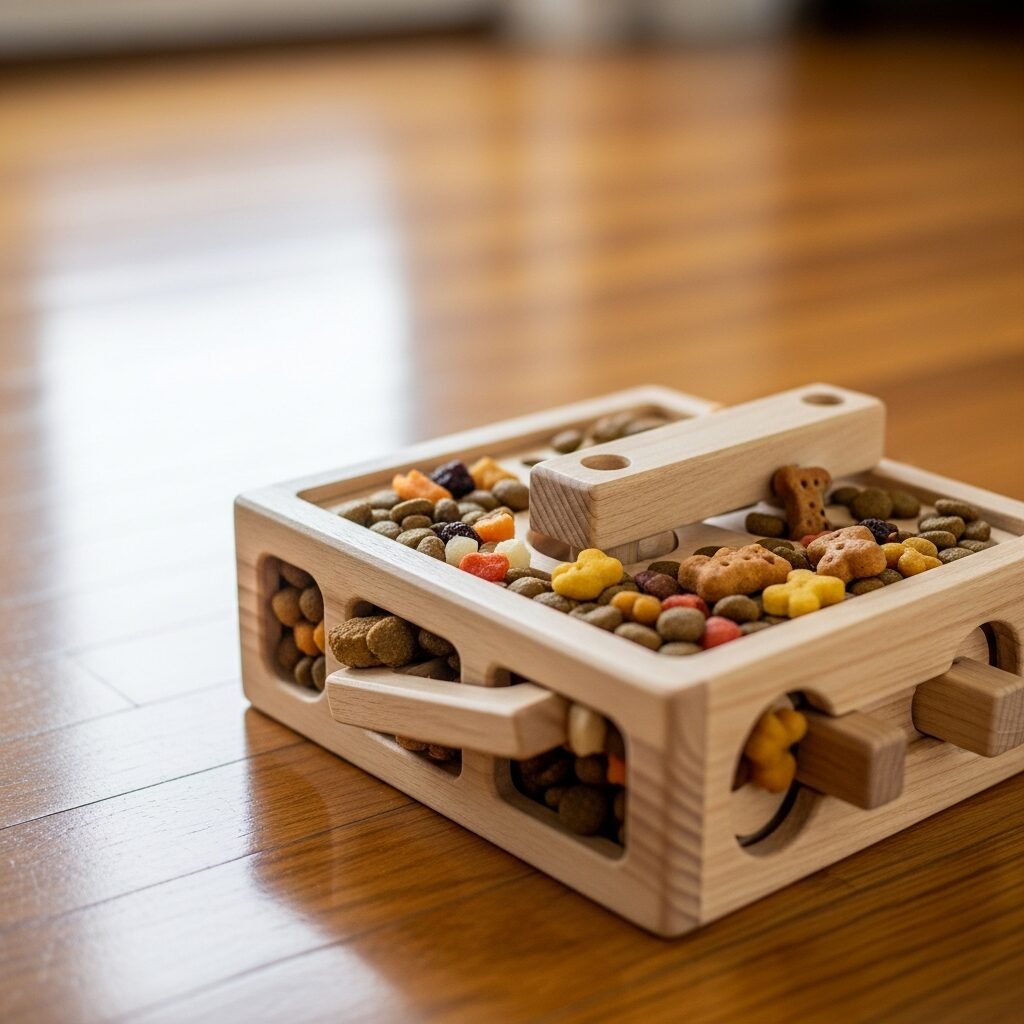
Boredom is a primary driver for excessive vocalization. If a pet is not mentally stimulated, they may vocalize to release pent-up energy or seek engagement. Incorporating puzzle toys, scent work, and interactive feeding methods can tire a pet mentally, making them more likely to rest quietly throughout the day. A mentally satisfied pet is significantly less likely to engage in noise-making as a form of entertainment.
5. Managing High Arousal Transitions

Noise frequently occurs during transitions, such as when owners return home or during meal preparation. To counter this, maintain a low-arousal demeanor during these times. Ignore the pet until they are calm and quiet before offering greetings or food. This teaches them that excitement and noise actually delay the rewards they are seeking, while a calm presence is the key to gaining your attention.
6. Reinforcing Incompatible Behaviors

It is physically difficult for a pet to vocalize while performing certain other tasks. Training an alternative behavior, such as holding a specific toy or focusing on a nose-to-hand target, can interrupt a barking episode. By reinforcing these incompatible actions, you provide the pet with a constructive way to handle their impulses without making noise. This shifts their focus from the trigger to a specific, rewarding task.
7. Maintaining Emotional Consistency and Patience

Training success relies heavily on the emotional state of the handler. Using a loud or frustrated tone when trying to stop noise can actually encourage more vocalization, as the pet may perceive your shouting as joining in with them. Consistency across all household members ensures the pet receives a clear message. By remaining patient and neutral, you model the calm behavior you wish to see in your pet, leading to sustainable results.
Conclusion
Reducing excessive noise is a journey that requires time and a deep understanding of animal behavior. By employing these seven calm training approaches, you can build a more harmonious relationship with your pet and create a peaceful home environment. Remember that the goal is not just silence, but a state of relaxed confidence where noise is no longer a necessary response to the environment. Consistent application of these professional techniques will ensure long-term success.