
A common challenge for many dog parents is managing excessive barking or other noisy behaviors. While barking is a natural form of communication for dogs, when it becomes constant or disruptive, it can be frustrating for both you and your furry friend. The good news is that with patience, understanding, and the right calm training approaches, you can help your dog learn to be quieter and more relaxed. This guide will walk you through seven gentle, effective strategies to reduce excessive noise, fostering a more peaceful home for everyone.
Understanding Why Dogs Bark – The Root of the Noise

Before we can address excessive noise, it’s crucial to understand why your dog might be barking. Dogs bark for a variety of reasons, and identifying the underlying cause is the first step toward finding a solution.
- Alert Barking Warning you of perceived threats or new arrivals (mail carrier, visitors).
- Territorial Barking Protecting their space from perceived intruders.
- Attention-Seeking Barking Wanting food, play, or interaction.
- Boredom or Loneliness Lacking mental or physical stimulation.
- Anxiety or Fear Reacting to loud noises, new environments, or separation.
- Play Barking During games or interaction with other dogs.
- Frustration Barking When unable to reach something or someone they want.
Observing when and where your dog barks most can provide valuable clues. Is it only when someone passes the window? Or when you’re on the phone? Pinpointing the trigger will guide your training efforts.
Teaching the “Quiet” Command – A Foundational Skill

Teaching your dog a specific “quiet” command is incredibly effective. This isn’t about punishing barking, but rather teaching an alternative, desired behavior.
Step-by-Step Training
- Induce a Bark Get your dog to bark once or twice (e.g., by knocking on a door, ringing a doorbell, or having a friend approach).
- Say “Quiet” As soon as they bark, say “Quiet” clearly and calmly.
- Reward Silence The moment they stop barking, even for a second, immediately reward them with a high-value treat and praise.
- Increase Duration Gradually increase the amount of time they need to be quiet before receiving the reward.
- Practice Consistently Practice in different environments and with various triggers.
Remember, timing is everything. Reward the absence of barking, not the barking itself.
Managing Environmental Triggers – Prevention is Key

Sometimes, the easiest way to reduce barking is to manage the environment that causes it. Prevention can significantly reduce the need for active intervention.
- Block Visual Stimuli If your dog barks at passersby, use frosted window film, blinds, or curtains to block their view.
- Muffle Sounds Use white noise machines, fans, or calming music to mask outside noises that might trigger barking.
- Create a Safe Space Provide a comfortable, quiet den or crate where your dog can retreat and feel secure, away from household commotion.
- Limit Access If a particular area of the house (like a front window) consistently triggers barking, restrict access to that area during peak trigger times.
By reducing exposure to triggers, you’re giving your dog fewer reasons to practice the unwanted behavior.
Using Positive Reinforcement – Reward Calmness

Positive reinforcement is the cornerstone of effective, humane dog training. Instead of punishing barking, focus on rewarding quiet and calm behavior.
- Catch Them Being Good Actively look for moments when your dog is quiet and relaxed, then immediately reward them with a treat, gentle praise, or a favorite toy.
- “Settle” Command Teach a “settle” or “go to your mat” command, where your dog learns to relax in a designated spot. Reward them generously for staying calm on their mat.
- Ignore Attention-Seeking Barks If your dog barks for attention, completely ignore them until they are quiet. The moment they stop, even for a second, then engage with them calmly. This teaches them that quiet gets attention, barking does not.
- Treat Drops Periodically drop treats near your dog when they are quietly lying down or playing independently. This reinforces the idea that being calm brings good things.
Consistency is vital. Everyone in the household must follow the same rules.
Providing Ample Mental and Physical Stimulation – Tired Dogs are Quiet Dogs
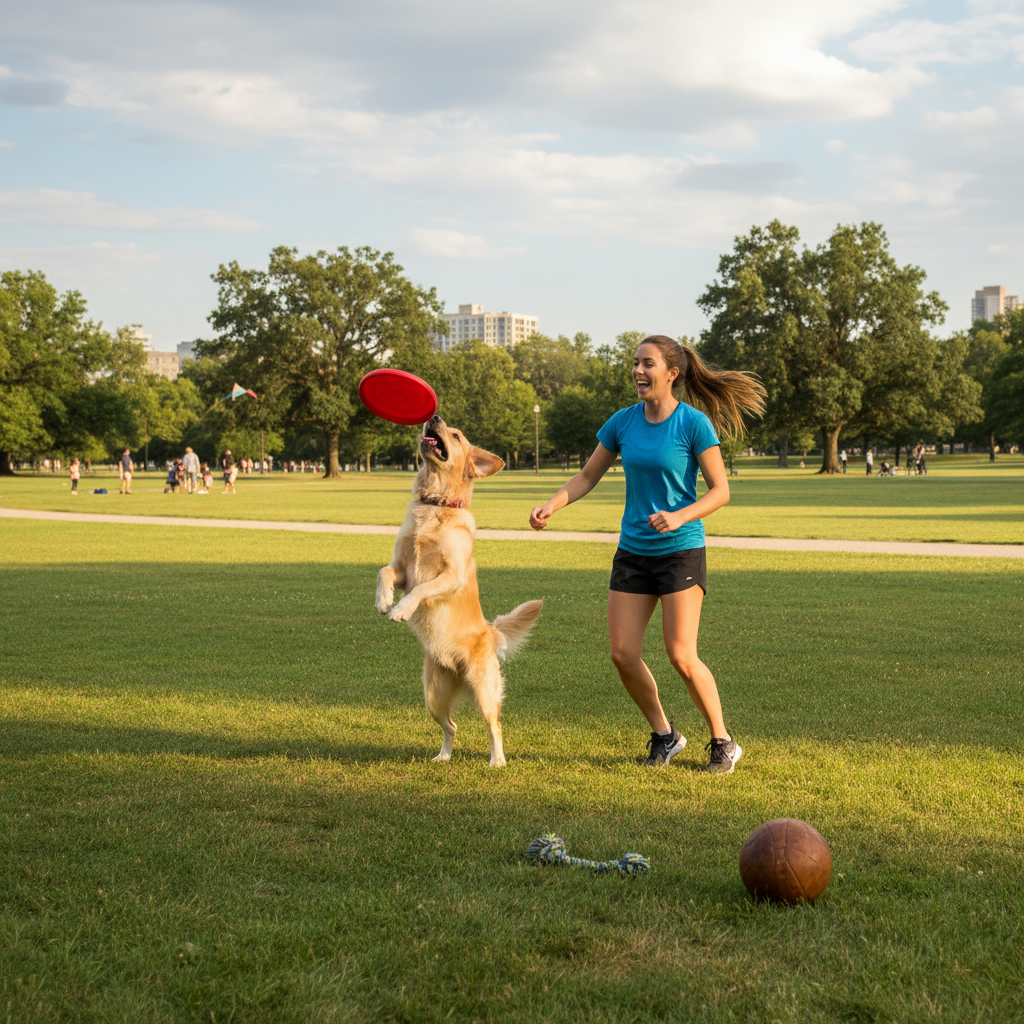
A dog that is bored, under-exercised, or lacking mental engagement is more likely to find “entertainment” in barking. Addressing these needs can significantly reduce noise.
Physical Exercise
- Daily Walks Ensure your dog gets enough walks appropriate for their breed and energy level.
- Active Play Incorporate fetch, tug-of-war, or running in a secure yard.
- Dog Parks Supervised playdates can burn off excess energy.
Mental Stimulation
- Puzzle Toys Food-dispensing toys keep their minds engaged.
- Training Sessions Short, daily training sessions (5-10 minutes) can be mentally tiring.
- Scent Work Hide treats around the house for them to find.
- New Experiences Safely expose them to new sights, sounds, and smells on walks.
A well-exercised and mentally stimulated dog is generally a more content and quieter dog.
Desensitization and Counter-Conditioning – Changing Reactions
If your dog barks due to fear, anxiety, or over-excitement towards specific triggers (e.g., the doorbell, other dogs, strangers), desensitization and counter-conditioning can help change their emotional response.
- Desensitization Gradually expose your dog to the trigger at a very low intensity, so low that they don’t react negatively. For example, play a recording of the doorbell sound at a barely audible volume.
- Counter-Conditioning Pair the low-intensity trigger with something positive your dog loves, like high-value treats or their favorite toy. The goal is to change their association with the trigger from negative (fear, excitement) to positive (treats, fun).
Example for Doorbell Barking
- Have someone ring the doorbell very softly from a distance, so your dog barely notices or doesn’t react.
- Immediately give your dog a treat. Repeat many times.
- Gradually increase the volume or bring the person closer, always rewarding before your dog barks.
- If your dog reacts, you’ve gone too fast. Go back to an easier step.
This process requires immense patience but can be incredibly effective in rewiring your dog’s emotional responses.
Seeking Professional Guidance – When to Call for Help
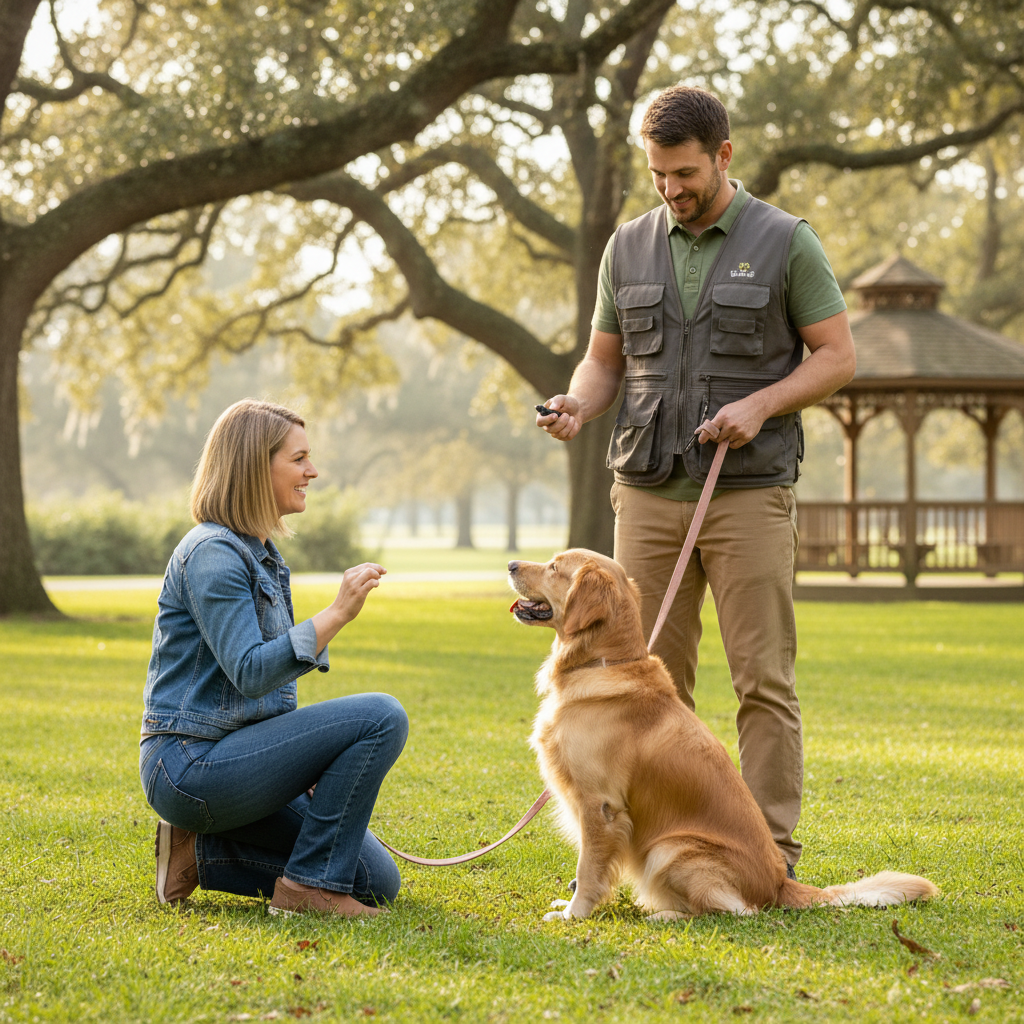
While many barking issues can be addressed with consistent home training, some situations warrant professional intervention. Don’t hesitate to reach out if:
- Barking is Severe or Destructive Your dog’s barking is incessant, causes significant distress to them, or leads to destructive behaviors.
- You’ve Tried Everything You’ve diligently applied various training methods without seeing significant improvement.
- Underlying Medical Issues Rule out any medical conditions that might be causing discomfort or increased anxiety, leading to barking. A vet check-up is always a good first step.
- Aggression or Fear If barking is accompanied by signs of aggression, severe fear, or panic, a certified professional dog trainer or veterinary behaviorist can provide tailored guidance.
A professional can assess your specific situation, identify subtle triggers, and develop a customized training plan that fits your dog’s unique needs.
Managing excessive noise from your beloved canine companion can be a journey, but it’s one filled with rewards—a quieter home and a happier, more confident dog. Remember that consistency, patience, and a positive approach are your most powerful tools. Every dog is an individual, so what works for one might need slight adjustments for another. Embrace these calm training approaches, celebrate small victories, and continue to build that incredible bond with your furry family member. With your loving guidance, your dog can learn to communicate more calmly, bringing peace and harmony to your shared life. You’ve got this, dog parent!