There’s nothing quite like the joy a dog brings into your home. Their wagging tails, happy barks, and unconditional love fill our lives with warmth. But let’s be honest, every dog parent has faced the dreaded challenge of pet messes, and few are as persistent and unpleasant as old urine odors. That distinct, pungent smell can linger long after the initial accident, making your home feel less than fresh, even after seemingly endless scrubbing.
The problem with old urine isn’t just the visible stain; it’s the invisible culprits – uric acid crystals and bacteria – that seep deep into carpets, floorboards, and upholstery. These microscopic particles reactivate with humidity, releasing that tell-tale ammonia scent again and again. It can feel like a losing battle, but don’t despair! As a fellow dog parent, I understand the frustration, and I’m here to tell you that reclaiming a fresh-smelling home is entirely possible.
In this comprehensive guide, we’ll explore six deep-clean solutions designed to tackle even the most stubborn, set-in urine odors. From natural remedies to professional-grade products and techniques, you’ll gain the knowledge and confidence to banish those lingering smells for good, ensuring your home is a clean and welcoming sanctuary for both you and your beloved canine companion.
Understanding the Problem – Why Old Urine Odors Linger
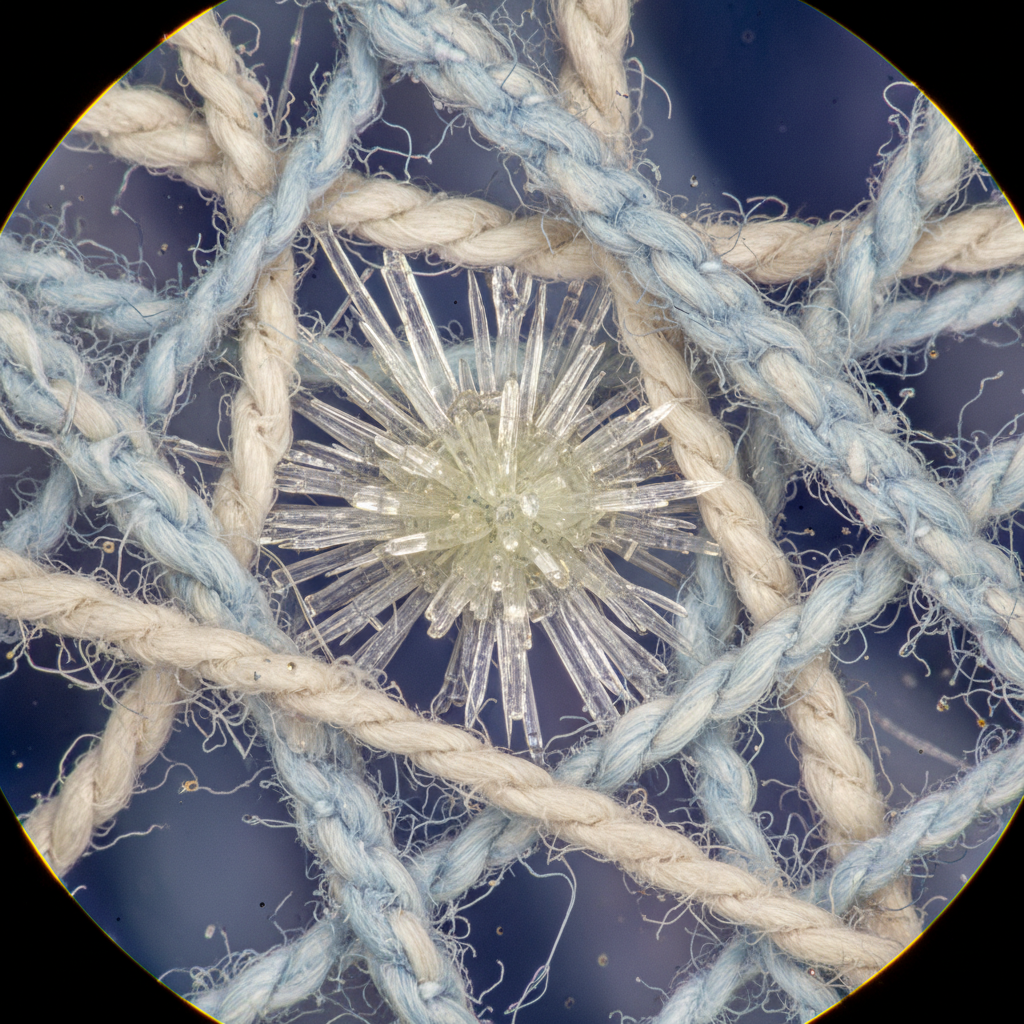
To effectively eliminate old urine odors, it helps to understand why they’re so stubborn. Dog urine is a complex cocktail of urea, creatinine, uric acid, and various salts. When fresh, the smell is often mild. However, as it dries, bacteria break down the urea, releasing ammonia, which causes that sharp, unpleasant odor. The uric acid then crystallizes, bonding tightly to surfaces. These crystals are not water-soluble and can remain embedded in materials for years, reactivating their smell whenever humidity is present – think damp weather or even just general indoor humidity. Traditional cleaners often only address the surface, leaving these embedded crystals to continue their aromatic assault.
Essential First Steps – Before You Deep Clean
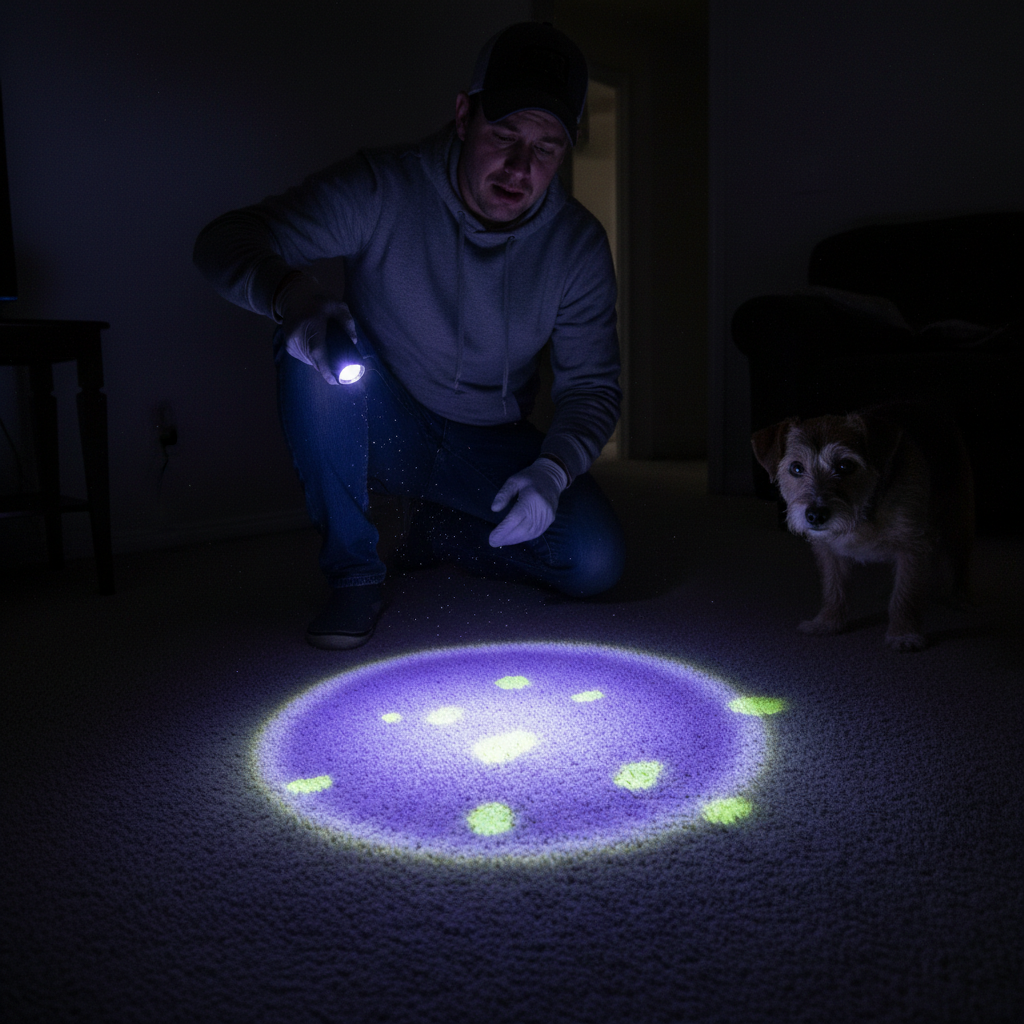
Before you dive into deep cleaning, a little preparation goes a long way to ensure success:
- Locate the Source Old urine stains can be invisible to the naked eye. A UV blacklight flashlight is your best friend here. In a darkened room, shine the light over suspected areas – dried urine will glow a dull yellow or green. Mark these spots with chalk or tape.
- Blot, Don’t Scrub If there’s any residual moisture, blot it up immediately with paper towels or an old cloth. Scrubbing can spread the urine and push it deeper into the fibers.
- Test Products Always test any cleaning solution on an inconspicuous area of your carpet, upholstery, or flooring first to ensure it doesn’t cause discoloration or damage.
Solution 1 – Enzyme Cleaners The Power of Nature
How to Use Enzyme Cleaners
Enzyme cleaners are often hailed as the gold standard for pet urine odor removal, and for good reason. These specialized formulas contain beneficial bacteria that produce enzymes. These enzymes break down the uric acid crystals, proteins, and other organic matter in the urine, effectively eliminating the odor at its source rather than just masking it.
- Saturate the Area Liberally apply the enzyme cleaner to the affected spot, ensuring it saturates deeply enough to reach wherever the urine has penetrated. If it’s a carpet, lift it slightly to treat the padding if possible.
- Let it Work Follow the product’s instructions for dwell time, which is usually 10-15 minutes or even longer. The enzymes need time to do their job. Keep pets away from the treated area during this time.
- Keep it Moist For stubborn odors, you might need to cover the area with plastic wrap after applying the cleaner to prevent it from drying out too quickly, allowing the enzymes more time to work.
- Blot and Dry After the recommended time, blot up any excess liquid. Allow the area to air dry completely. This can take several hours or even a day. Avoid scrubbing.
- Repeat if Necessary For very old or strong odors, multiple applications may be required.
Enzyme cleaners are safe for most surfaces and are particularly effective on carpets, rugs, upholstery, and even mattresses.
Solution 2 – Baking Soda and Vinegar A Classic Combination
How to Use Baking Soda and Vinegar
For a more natural and readily available approach, baking soda and white vinegar can be a powerful duo for neutralizing urine odors. Vinegar is an acid that helps to break down salts and neutralize the ammonia, while baking soda is an excellent odor absorber.
- Saturate with Vinegar After blotting any fresh urine, liberally spray or pour white vinegar directly onto the stained area. Let it sit for 10-15 minutes.
- Blot Excess Vinegar Blot up as much of the vinegar as you can with a clean cloth or paper towels.
- Sprinkle Baking Soda Generously sprinkle baking soda over the damp, vinegar-treated spot. Allow the baking soda to sit for several hours, or ideally, overnight. As it dries, it will absorb the odors.
- Vacuum Once the baking soda is completely dry, vacuum it up thoroughly.
This method works well for lighter odors on carpets, rugs, and hard surfaces. Always test on an inconspicuous area first, especially on delicate fabrics or wood, as vinegar can be acidic.
Solution 3 – Hydrogen Peroxide A Potent Stain and Odor Fighter
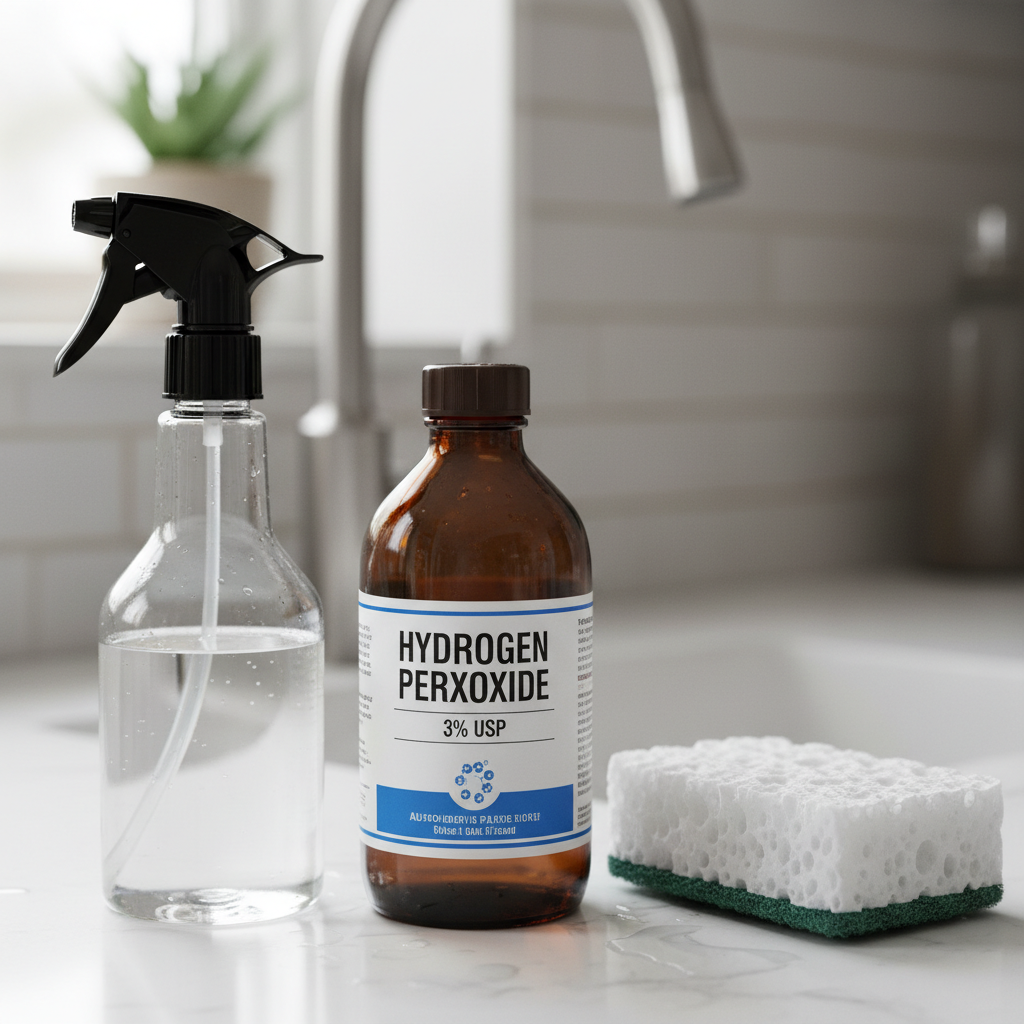
How to Use Hydrogen Peroxide
Hydrogen peroxide is a mild antiseptic and powerful oxidizing agent that can break down odor-causing molecules and lift stains. It’s particularly effective for breaking down uric acid crystals and bleaching out yellow stains, but caution is needed as it can lighten some fabrics.
- Test First Crucially, test a diluted solution (1 part hydrogen peroxide to 2 parts water) on a hidden spot. If no discoloration occurs, proceed.
- Apply Solution Mix 1/2 cup of 3% hydrogen peroxide with 1 teaspoon of dish soap. You can also add 1 tablespoon of baking soda for extra odor absorption.
- Dab and Let Sit Apply the solution directly to the urine spot with a cloth or spray bottle. Do not saturate, especially on wood floors. Let it sit for 5-10 minutes.
- Blot and Rinse Blot the area with a clean, damp cloth to remove the solution. Repeat until the area is clean.
- Air Dry Allow the area to air dry completely.
This method is best for lighter-colored carpets and fabrics, and hard surfaces. Always use 3% hydrogen peroxide, not stronger concentrations.
Solution 4 – Commercial Pet Odor Removers Professional Strength
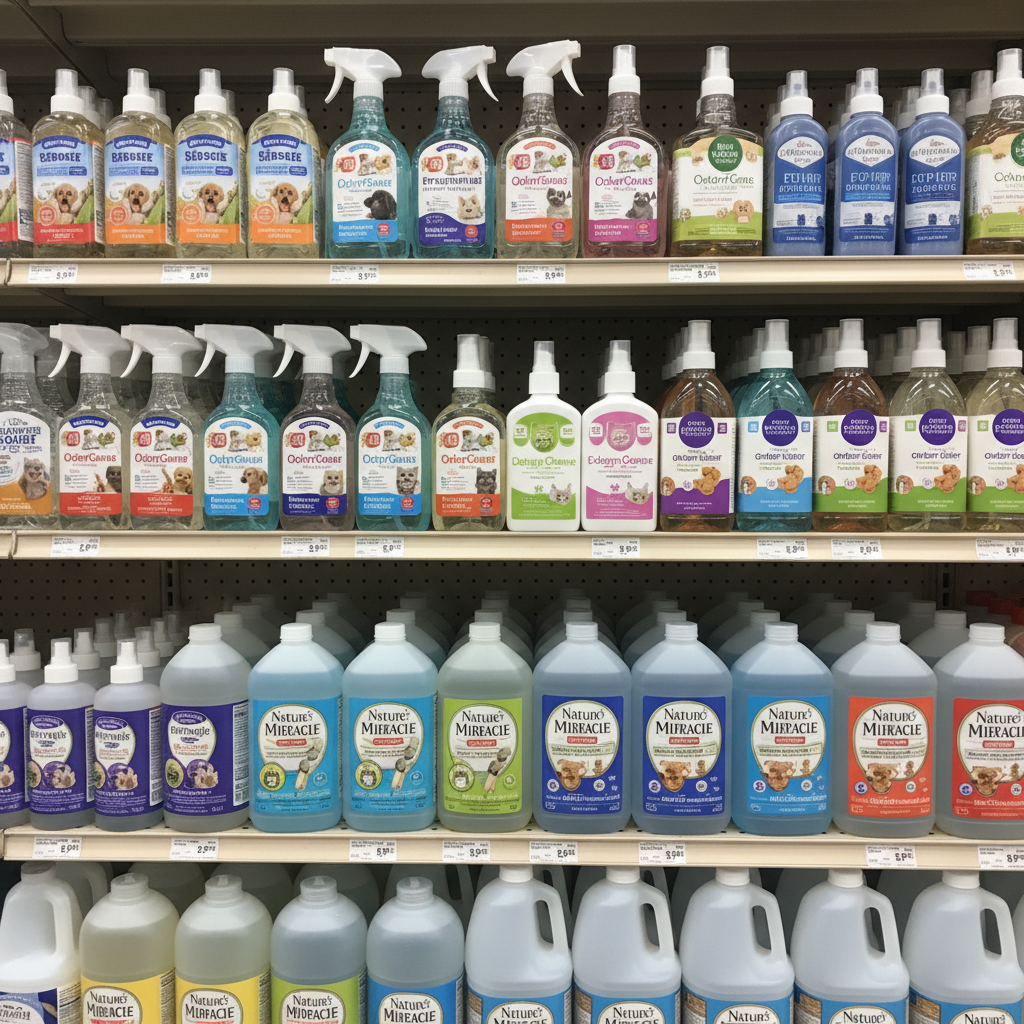
Tips for Using Commercial Removers
When DIY methods aren’t quite cutting it, or for very tough, old stains, commercial pet odor removers formulated with powerful chemical compounds or enhanced enzyme blends can be highly effective. Many are designed to penetrate deep into materials and chemically neutralize or encapsulate odors.
- Read Instructions Carefully Each product is different. Pay close attention to application methods, dwell times, and safety precautions.
- Ventilate Well Ensure good air circulation when using stronger chemical products.
- Consider the Surface Some products are specifically designed for carpets, others for hard floors or upholstery. Choose wisely.
- Deep Penetration For deep-set odors, ensure the product saturates the material as deeply as the urine did.
Solution 5 – Wet Vacuums and Steam Cleaners Deep Extraction
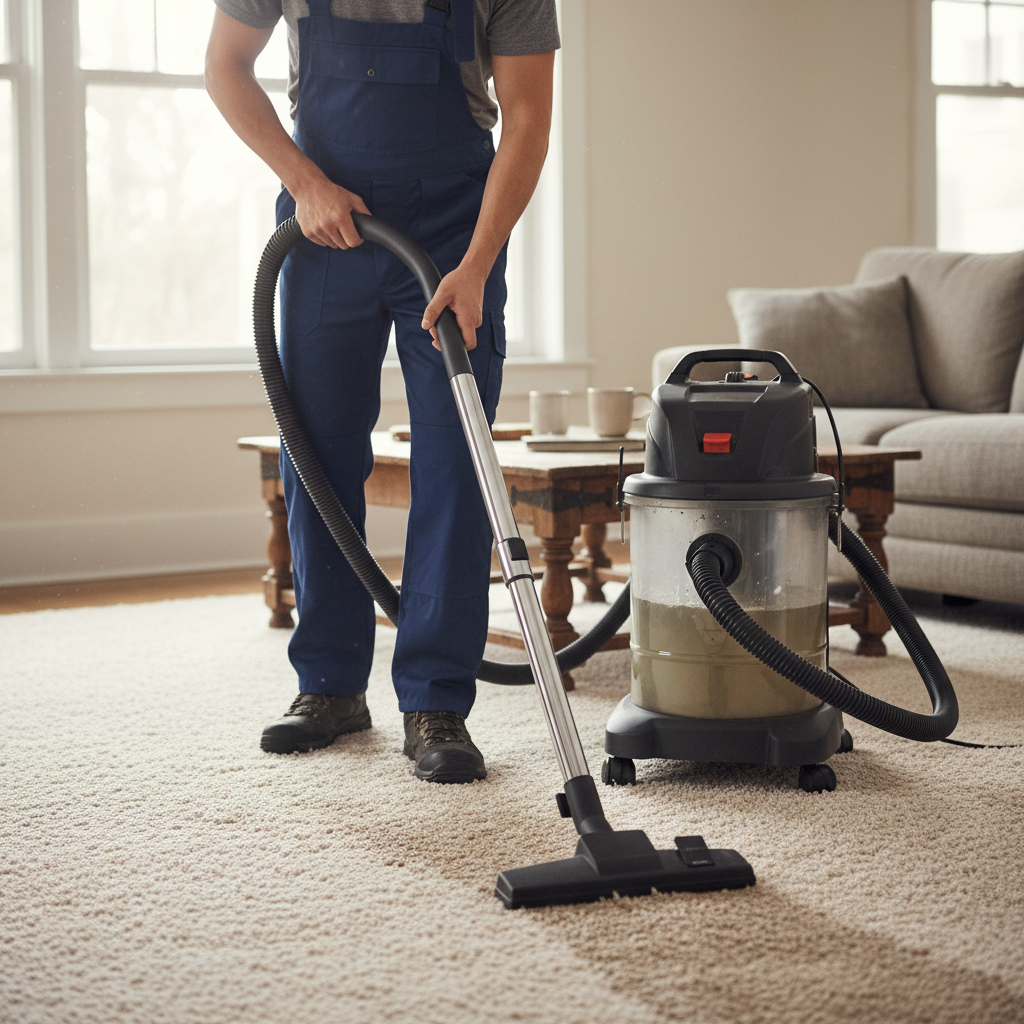
How to Use Extraction Cleaners
For carpets and upholstery, deep extraction methods using wet vacuums (also known as carpet cleaners or extractors) or steam cleaners can be invaluable. These machines use water and cleaning solutions to flush out embedded urine and then powerfully suction away the liquid, along with the odor-causing particles.
- Pre-Treat For best results, pre-treat the urine spots with an enzyme cleaner or a specialized carpet cleaner designed for pet odors. Let it dwell as recommended.
- Fill with Solution Fill the machine’s reservoir with hot water and the appropriate cleaning solution (check your machine’s manual for recommended types).
- Slow and Steady Pass the machine slowly over the affected areas, overlapping passes. Don’t over-saturate.
- Rinse Cycle Use plain water in the machine for a rinse cycle to remove any residual cleaning solution.
- Thorough Drying Use the machine’s suction function several times over the area to extract as much moisture as possible. Air dry completely, using fans or open windows if needed, to prevent mold and mildew.
Steam cleaners can also be effective, but be cautious with high heat on some carpet types or materials, as it can sometimes set stains or odors if not used correctly with appropriate pre-treatment.
Solution 6 – Odor Sealants and Primers For Extreme Cases
When and How to Use Sealants
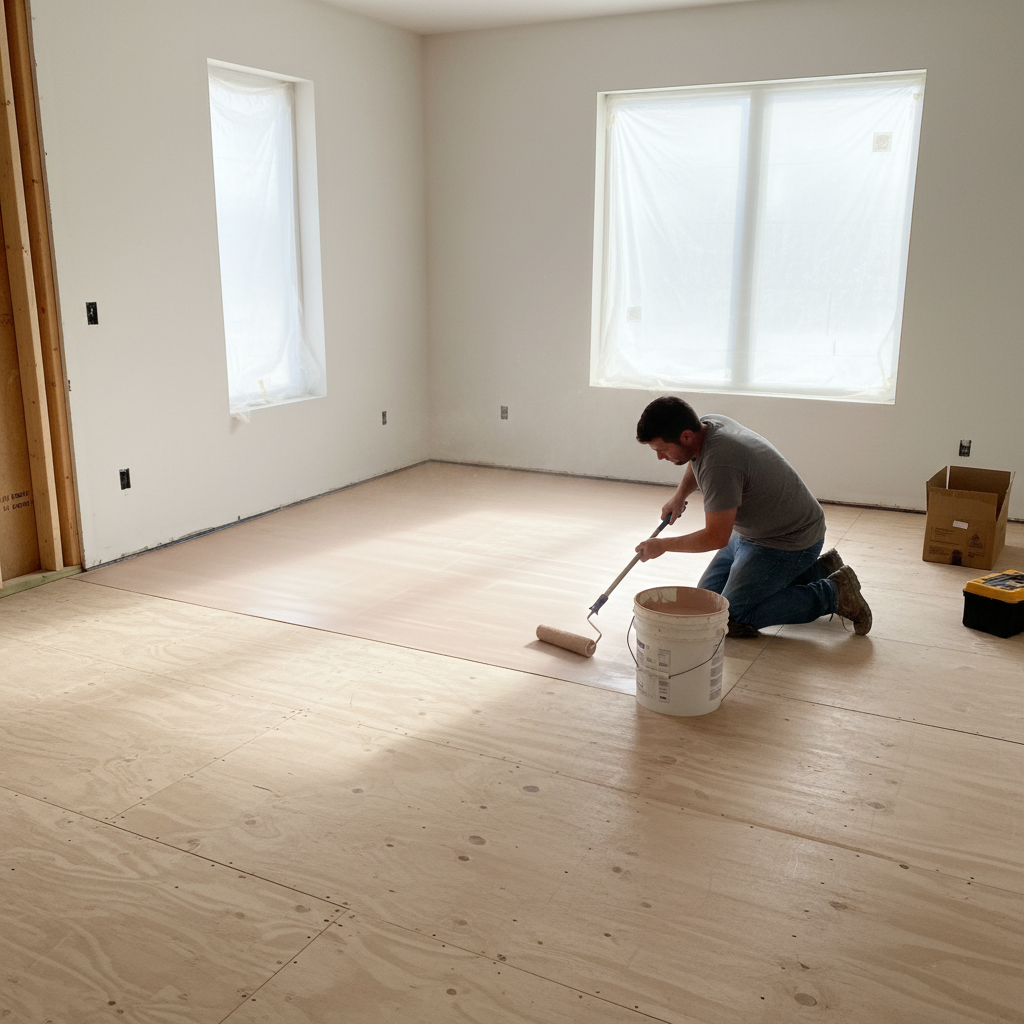
Sometimes, despite all efforts, the urine has soaked so deeply into subfloors, concrete, or even drywall that the odor persists. In these extreme cases, especially after removing old flooring, an odor-sealing primer or sealant may be the only solution. These products create a barrier that encapsulates the odor, preventing it from seeping back into the air.
- Identify the Source Ensure you’ve removed all affected porous materials like carpet padding and stained wood.
- Clean Thoroughly Even before sealing, clean the subfloor or concrete as much as possible with enzyme cleaners.
- Apply Sealant Apply an odor-blocking primer (like a shellac-based or specialized odor-sealing primer) liberally to the affected subfloor, concrete, or drywall according to the product’s instructions.
- Ventilate Ensure excellent ventilation during application and drying due to strong fumes.
- Allow to Dry Let the primer dry completely before installing new flooring or painting. You may need multiple coats.
This is often a last resort for very severe, long-standing odors that have penetrated structural elements of your home.
Preventing Future Odors – A Proactive Approach
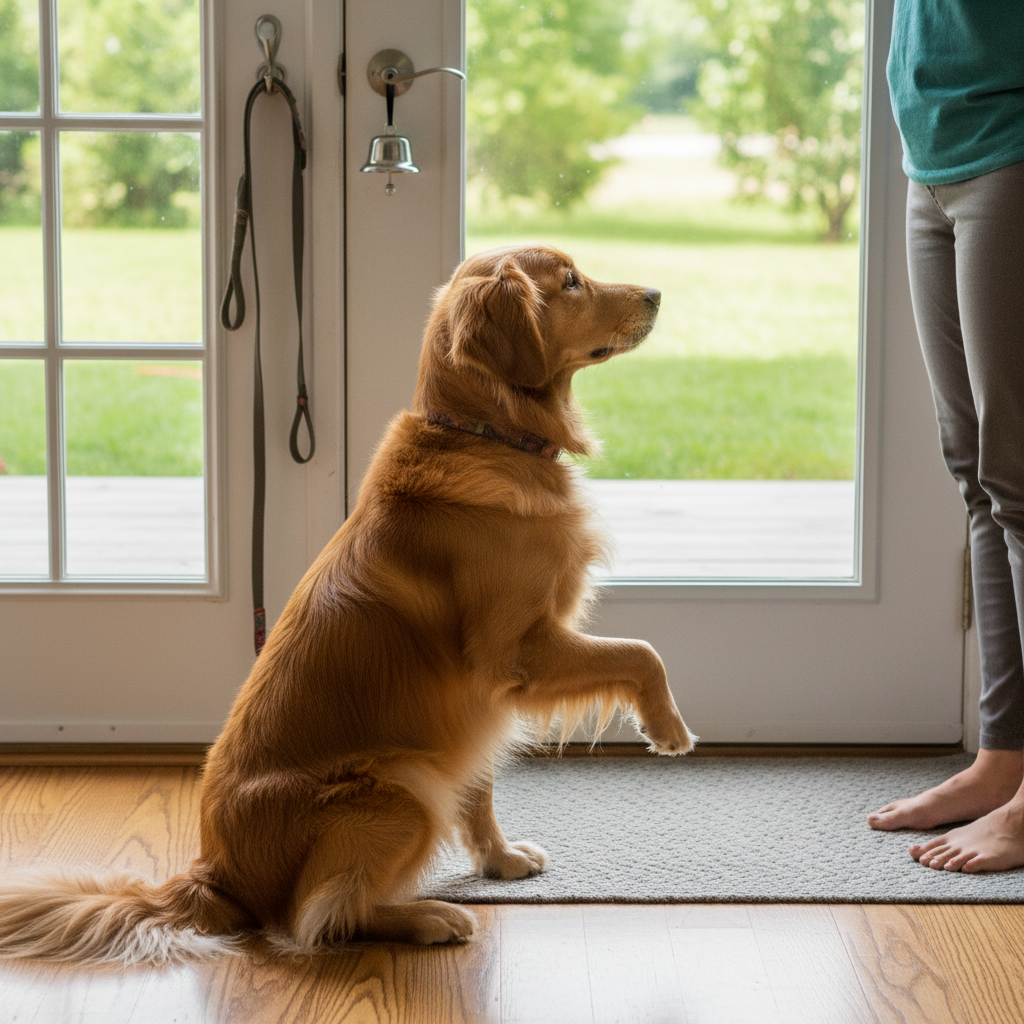
Once you’ve banished those old urine odors, the best defense is a good offense. Preventing future accidents and addressing new ones immediately is key:
- Consistent Potty Training Reinforce good potty habits, especially with puppies.
- Regular Potty Breaks Ensure your dog has frequent opportunities to relieve themselves outside.
- Prompt Cleaning Clean up any new accidents immediately using enzyme cleaners to prevent them from setting in.
- Health Checks Sudden changes in potty habits can indicate a health issue. Consult your vet if you notice anything unusual.
- Waterproof Barriers Consider waterproof mattress covers or furniture protectors if your dog is prone to accidents indoors.
A Fresh Start for Your Home and Your Heart
Dealing with old pet urine odors can be a challenging and sometimes disheartening task for any dog parent. But with the right knowledge, tools, and a little patience, you absolutely can reclaim a fresh, clean-smelling home. Remember, your dog isn’t doing this to spite you; accidents happen, and it’s part of the journey of loving and living with a furry family member.
By understanding the science behind the smell and employing these six deep-clean solutions, you’re not just eliminating an unpleasant odor – you’re creating a more comfortable and hygienic environment for everyone, including your beloved canine companion. A clean home means less stress for you and a happier, healthier space for your dog to thrive. Embrace these strategies, and enjoy a home that smells as wonderful as the love you share with your dog.