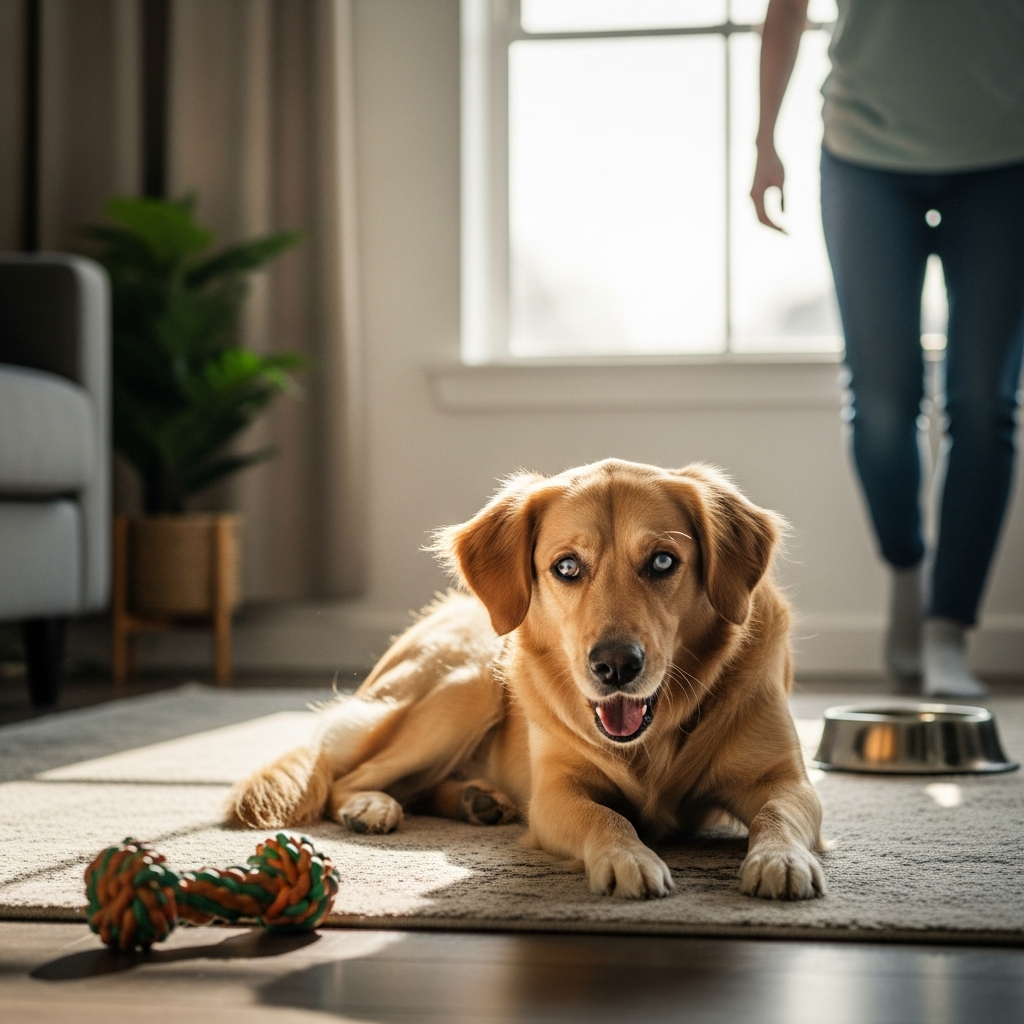
Our dogs are more than just pets; they’re cherished members of our families, offering endless love, laughter, and companionship. We often wish they could talk to us directly when something is wrong, but their communication is much more subtle. As dog parents, it’s our job to understand their unspoken language.
Sometimes, behind those wagging tails and enthusiastic greetings, there might be signs of sadness or discomfort. Recognizing these hints early on is key to ensuring our furry friends live their happiest, healthiest lives. Let’s explore seven common signs that your dog might be feeling a bit down or unhappy.
Why It’s Important to Spot Unhappiness
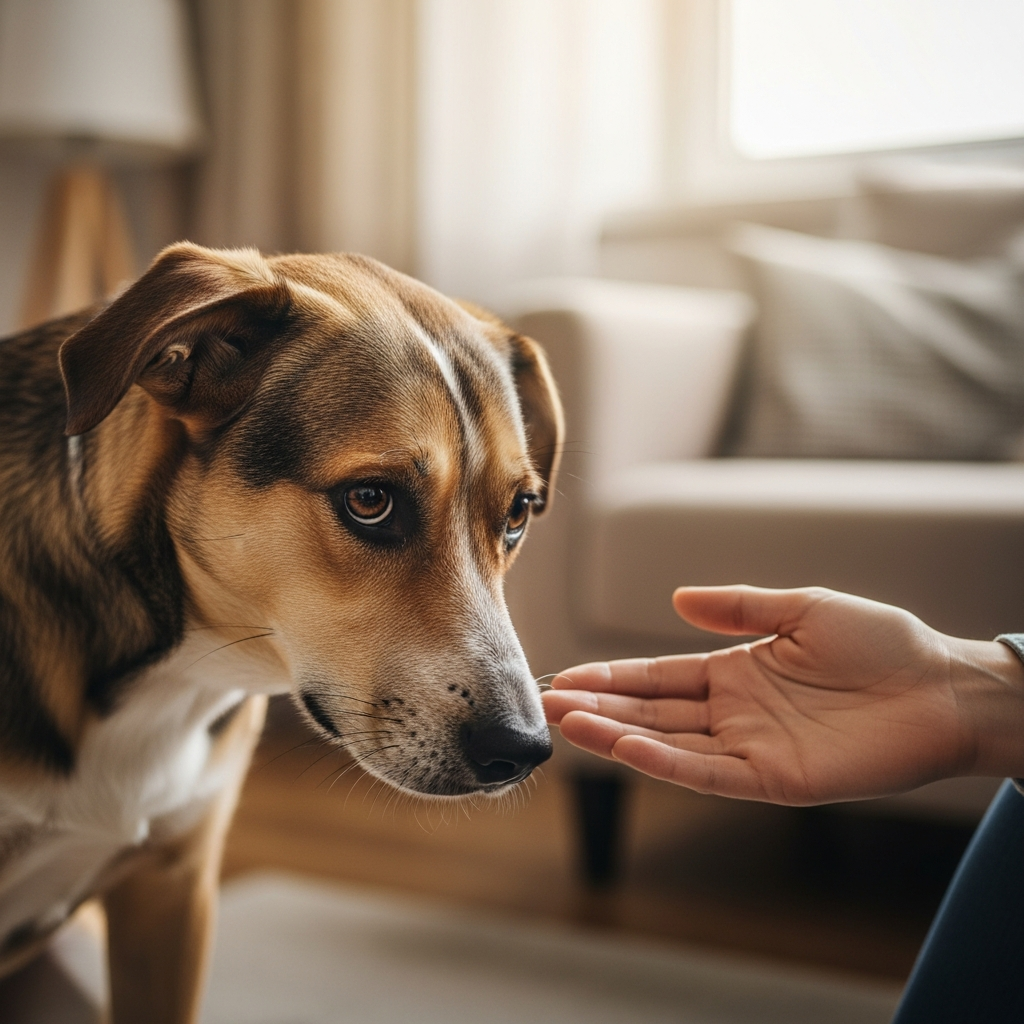
Dogs can’t tell us directly if they’re feeling unwell, stressed, or lonely. Instead, they show us through changes in their behavior, habits, and daily routines. Ignoring these signals can lead to prolonged discomfort for your dog or even exacerbate underlying health or behavioral issues.
Being observant allows you to address the root cause, whether it’s a hidden pain, a change in their environment, or a need for more attention. Your quick action can make all the difference in turning their mood around.
Sign 1: Changes in Appetite or Eating Habits

A sudden shift in how your dog approaches their food bowl can be a major red flag. It’s one of the most common ways dogs tell us something isn’t quite right.
What It Looks Like
Eating Less or Refusing Food: Your dog might turn their nose up at meals they usually devour, or only pick at their food instead of finishing it. They might even refuse their favorite treats.
Eating More Than Usual: On the flip side, some unhappy dogs might suddenly eat much more, almost as if they’re trying to comfort themselves with food. This can also indicate boredom.
Pica (Eating Non-Food Items): Chewing or eating things they shouldn’t, like blankets, toys, or dirt, can be a sign of stress, anxiety, or nutritional deficiencies.
Why It Happens
Changes in appetite can stem from various issues. Physical pain, an upset stomach, dental problems, or even a serious illness can make eating uncomfortable. Stress, anxiety, or boredom might also suppress appetite or lead to overeating.
What You Can Do
First, always rule out medical issues by scheduling a vet visit. If medically cleared, consider if there have been any recent changes in your home that could cause stress. Try to make meal times more engaging, perhaps with puzzle feeders, or ensure their food is fresh and appealing.
Sign 2: Sleeping More Than Usual or Restlessness

Sleep is crucial for dogs, but too much or too little quality sleep can signal unhappiness. Pay attention to changes in their snooze patterns.
What It Looks Like
Excessive Sleeping: Your dog seems to be napping constantly, even during times they’d normally be active. They might lack the energy for walks or playtime.
Difficulty Settling Down: They might pace, whine, or frequently change sleeping spots, unable to get comfortable. This can also manifest as waking up more often at night.
Changes in Sleeping Spots: An unhappy dog might start sleeping in unusual places, or hide away in secluded spots they don’t normally use for rest.
Why It Happens
Increased sleep can be a sign of depression, illness, or chronic pain. A dog in pain might try to rest more to cope. Restlessness, on the other hand, can point to anxiety, discomfort, or an unmet need for exercise or mental stimulation.
What You Can Do
A vet check-up is essential to rule out any underlying health problems. If health issues are cleared, assess their environment. Is their bed comfortable? Are they getting enough exercise during the day to tire them out? Anxiety could be managed with calming routines, quiet spaces, or even professional training.
Sign 3: Withdrawal and Hiding
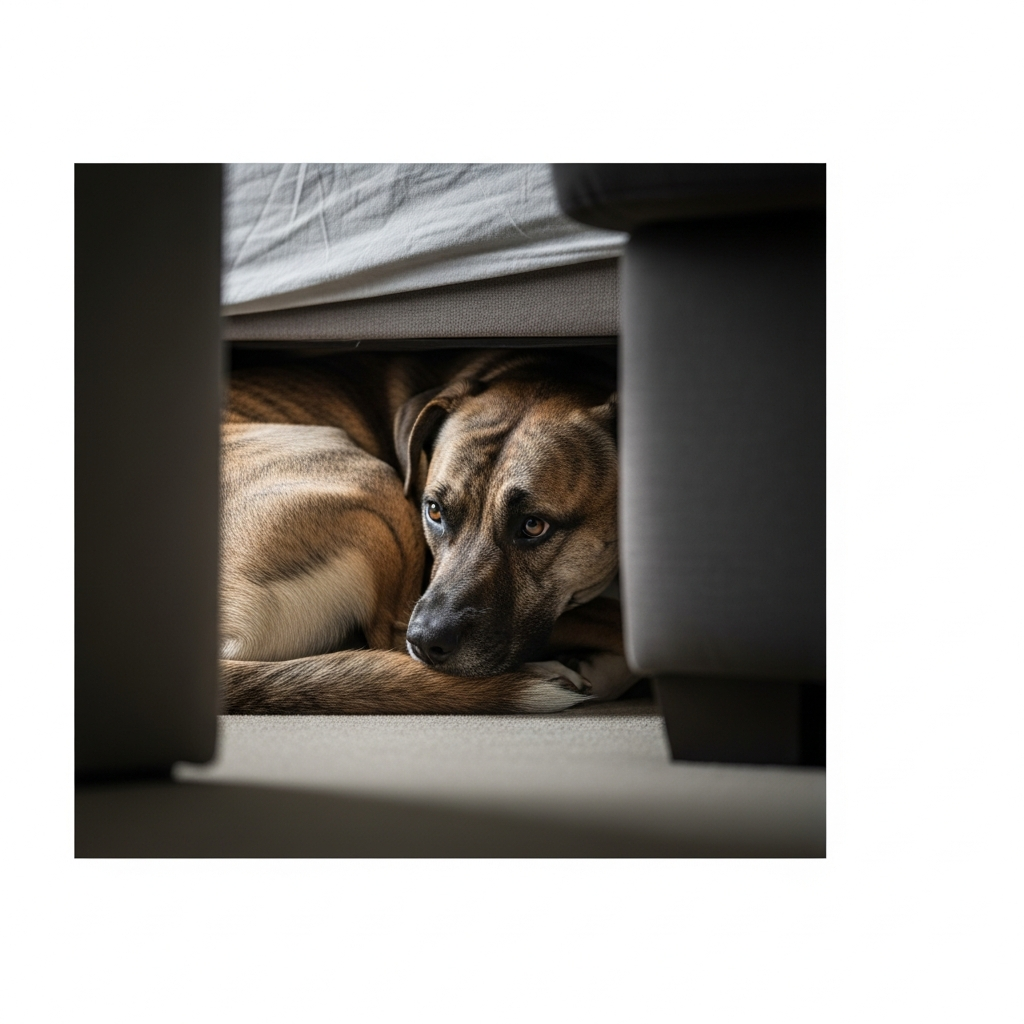
When a dog who usually loves being around you suddenly starts to keep to themselves, it’s a clear indicator that something is amiss.
What It Looks Like
Avoiding Interaction: Your dog might stop greeting you at the door or avoid cuddles, preferring to be left alone.
Hiding in Secluded Spots: They might retreat under furniture, into closets, or in other out-of-the-way places for extended periods.
Reluctance to Play: They might ignore invitations to play with toys or engage in their favorite games.
Why It Happens
Withdrawal can be a symptom of pain, fear, or anxiety. A dog in pain might hide to avoid being touched or moved. Fear of something new in the environment or anxiety from separation can also cause a dog to seek solitude.
What You Can Do
Gently try to observe what might be causing their fear or discomfort. Avoid forcing interaction. Create a safe, quiet space for them that they can retreat to if they choose. A vet visit is crucial to check for any hidden pain or illness. If behavioral, a certified dog trainer or behaviorist can offer guidance.
Sign 4: Loss of Interest in Favorite Activities
Dogs thrive on routine and enjoyment. When their usual spark for cherished activities fades, it’s a strong signal of unhappiness.
What It Looks Like
Ignoring Toys: Their favorite squeaky toy or ball sits untouched, even when you try to engage them.
Reluctance for Walks: They might seem unenthusiastic about going outside, lagging behind, or showing no excitement for their leash.
Lack of Enthusiasm for Play: They might not respond to your attempts to play or might quickly lose interest in games they once loved.
Not Greeting You: A usually excited greeting at the door becomes a quiet acknowledgement or is skipped entirely.
Why It Happens
A loss of interest often points to underlying physical pain or illness that makes movement uncomfortable. It can also signify depression, boredom, or a significant change in their routine or environment that has affected their mood.
What You Can Do
First, get a veterinary check-up to rule out pain or illness. If cleared, consider increasing their mental and physical stimulation. Try new walking routes, introduce new puzzle toys, or enroll in a fun dog class. Sometimes, just spending more quality one-on-one time can make a difference.
Sign 5: Increased Destructive or Attention-Seeking Behaviors
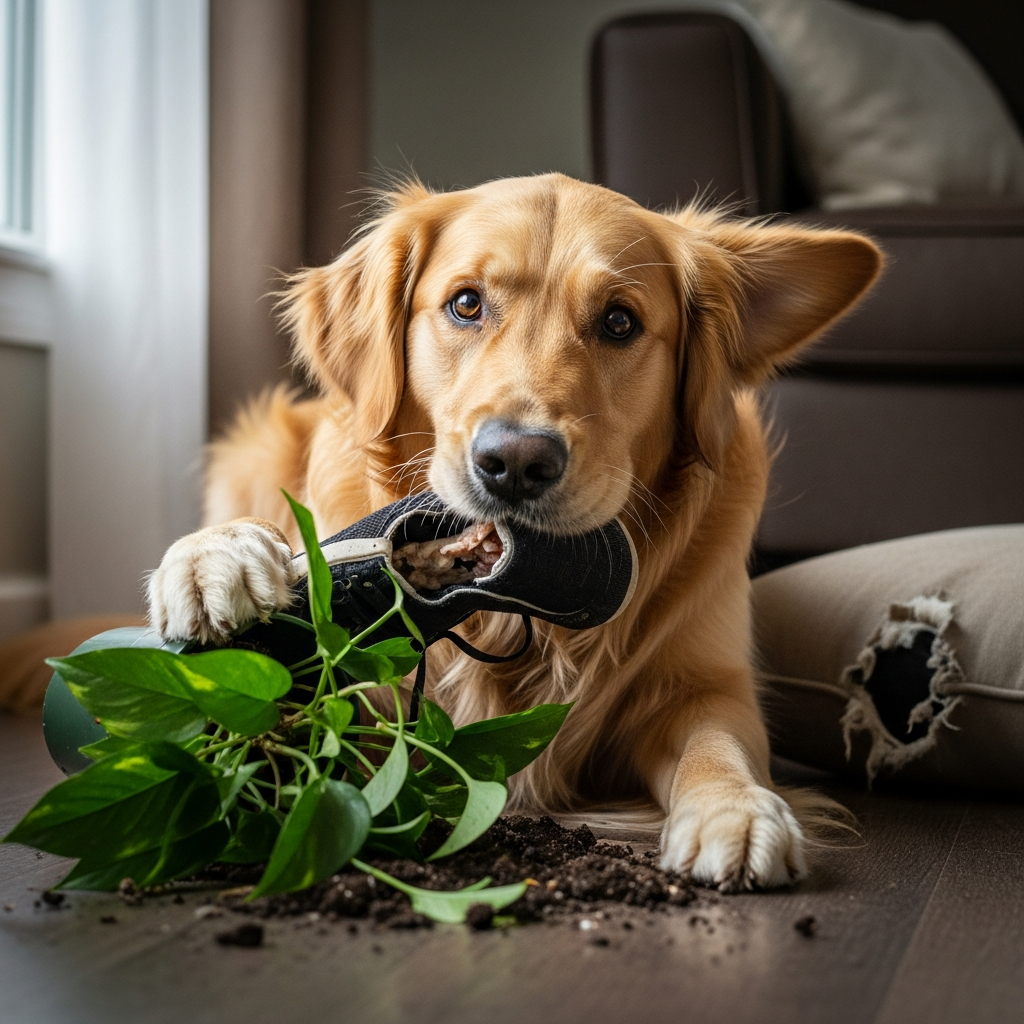
While some destructive behaviors are typical puppy antics, a sudden increase or onset in an adult dog can be a cry for help.
What It Looks Like
Chewing and Digging: Excessive chewing on furniture, shoes, or inappropriate items, or digging in the yard or indoors.
Pacing and Restlessness: Constant movement, inability to settle down, often accompanied by panting.
Excessive Barking or Whining: Barking for long periods without an obvious trigger, or constant whining.
Potty Accidents Indoors: A previously house-trained dog suddenly starts having accidents inside, not related to medical issues.
Why It Happens
These behaviors often stem from anxiety, boredom, or a lack of mental and physical exercise. Dogs might chew to relieve stress, or bark excessively when feeling anxious or lonely. Attention-seeking behaviors can also arise if they feel neglected.
What You Can Do
Ensure your dog is getting enough exercise appropriate for their breed and age. Provide plenty of mental stimulation with puzzle toys, training sessions, and interactive games. If anxiety is suspected, work on separation anxiety training or consult a professional dog trainer. Never punish these behaviors, as it can worsen anxiety.
Sign 6: Excessive Licking or Self-Grooming
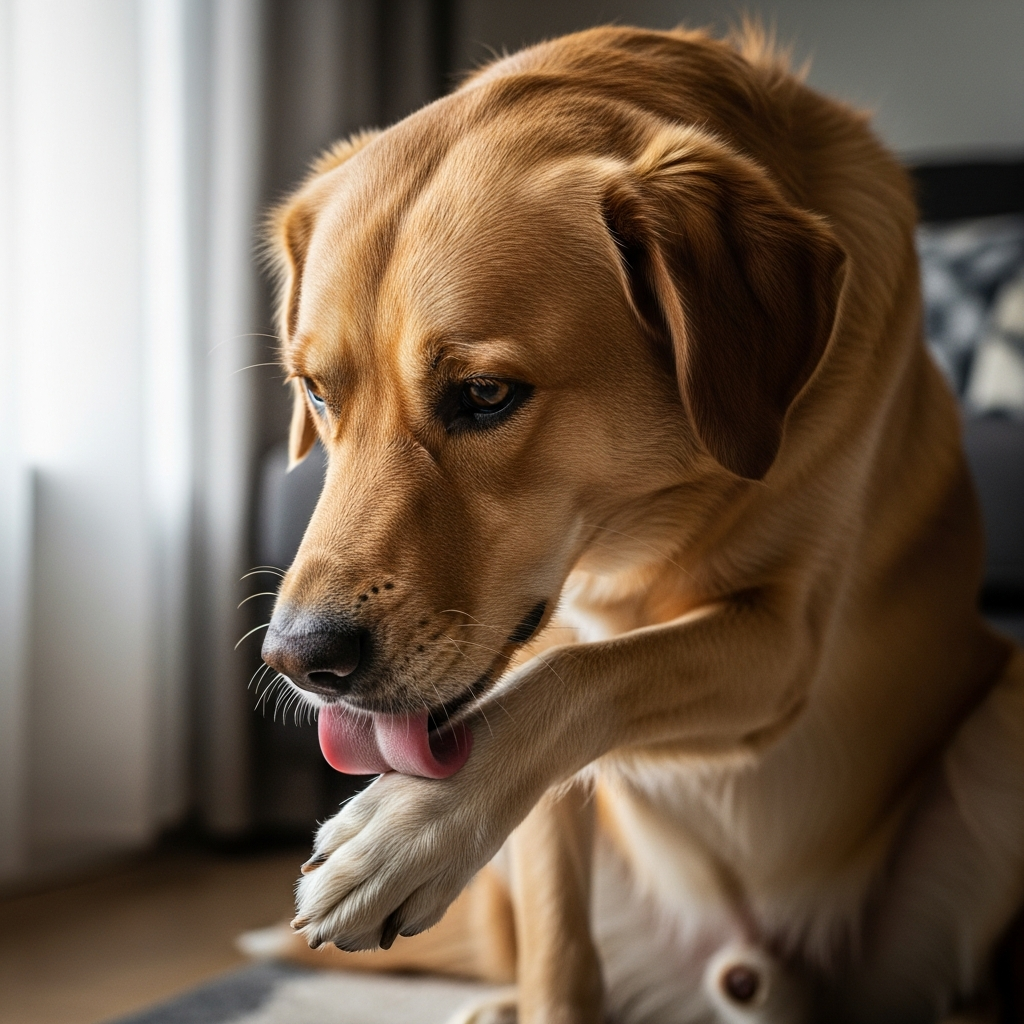
While dogs naturally groom themselves, an obsessive focus on licking certain body parts can indicate a problem.
What It Looks Like
Licking Paws, Flanks, or Tail: Constant licking, often to the point where the fur becomes wet, discolored, or even raw and inflamed (lick granuloma).
Scratching or Biting Themselves: More than usual scratching or biting at their skin, even if no fleas are visible.
Chewing at Fur: Aggressively chewing or pulling out their fur.
Why It Happens
This behavior can be a response to physical discomfort like allergies, skin irritations, or pain in a joint. However, if medical causes are ruled out, it’s often a coping mechanism for stress, anxiety, or boredom. The repetitive motion can be self-soothing.
What You Can Do
A vet visit is crucial to check for allergies, skin infections, parasites, or underlying pain. If physical causes are excluded, address potential psychological stressors. Increase their exercise and mental enrichment. Consider calming supplements or pheromone diffusers, and consult a vet behaviorist for severe cases of anxiety.
Sign 7: Changes in Vocalization or Unusual Quietness
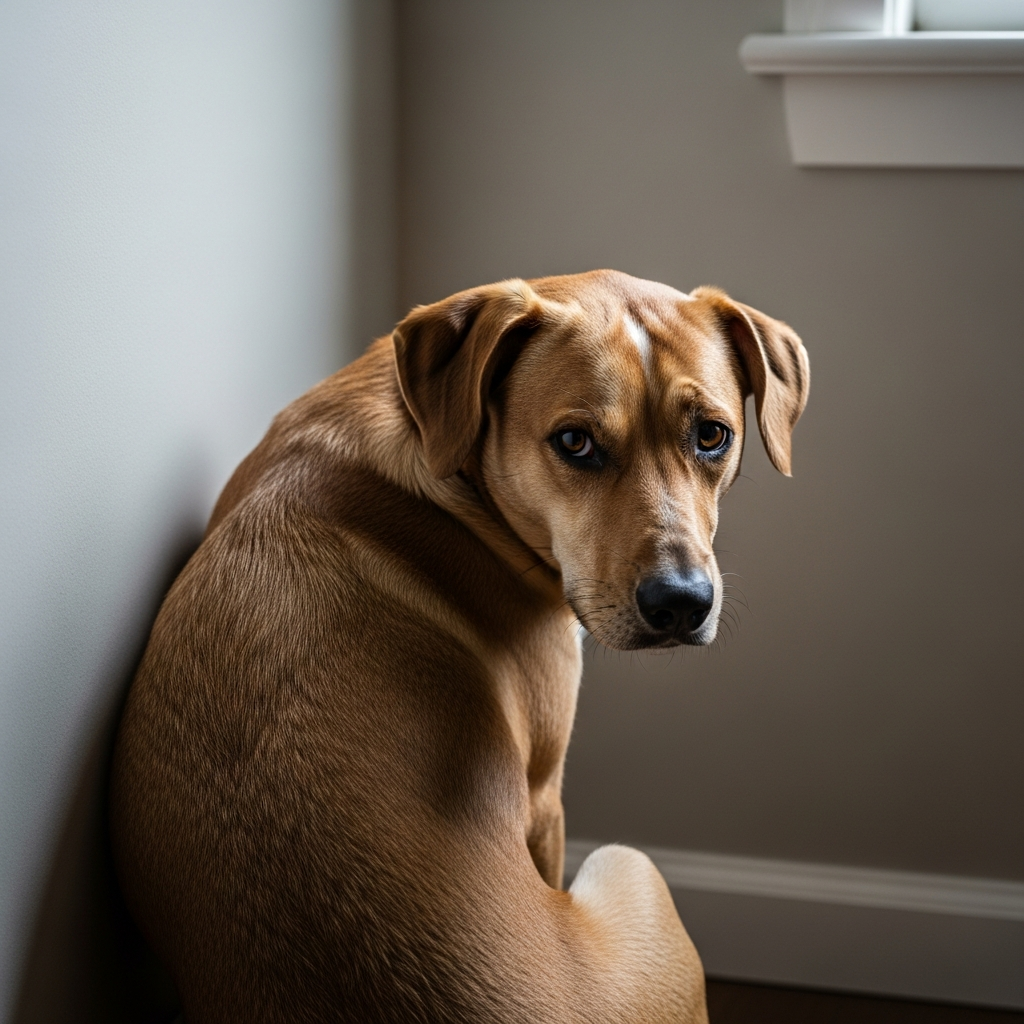
A dog’s barks, growls, and whines are part of their language. Significant changes in how they use their voice can signal unhappiness.
What It Looks Like
Increased Barking or Whining: Your dog might bark more frequently or intensely than usual, often without an apparent reason, or whine constantly.
Howling: More frequent howling, especially when left alone, can indicate separation anxiety or loneliness.
Unusual Quietness: A normally vocal dog suddenly becomes very quiet, rarely barking, growling, or making their usual happy noises.
Growling or Snapping: A dog who was previously friendly might start growling or snapping at people or other pets, especially if approached or touched.
Why It Happens
Increased vocalization often points to anxiety, boredom, loneliness, or pain. They might be trying to communicate distress or get attention. Conversely, unusual quietness can indicate depression, illness, or pain that makes them reluctant to engage. Aggression can be a sign of fear or pain.
What You Can Do
Observe the context of the vocalization. Is it when you leave? When strangers approach? Addressing the root cause (anxiety, boredom, pain) is key. For excessive barking, ensure they are getting enough exercise and mental stimulation. For unusual quietness, a vet check is vital. If aggression occurs, seek immediate help from a certified professional dog behaviorist.
General Steps to Help an Unhappy Dog
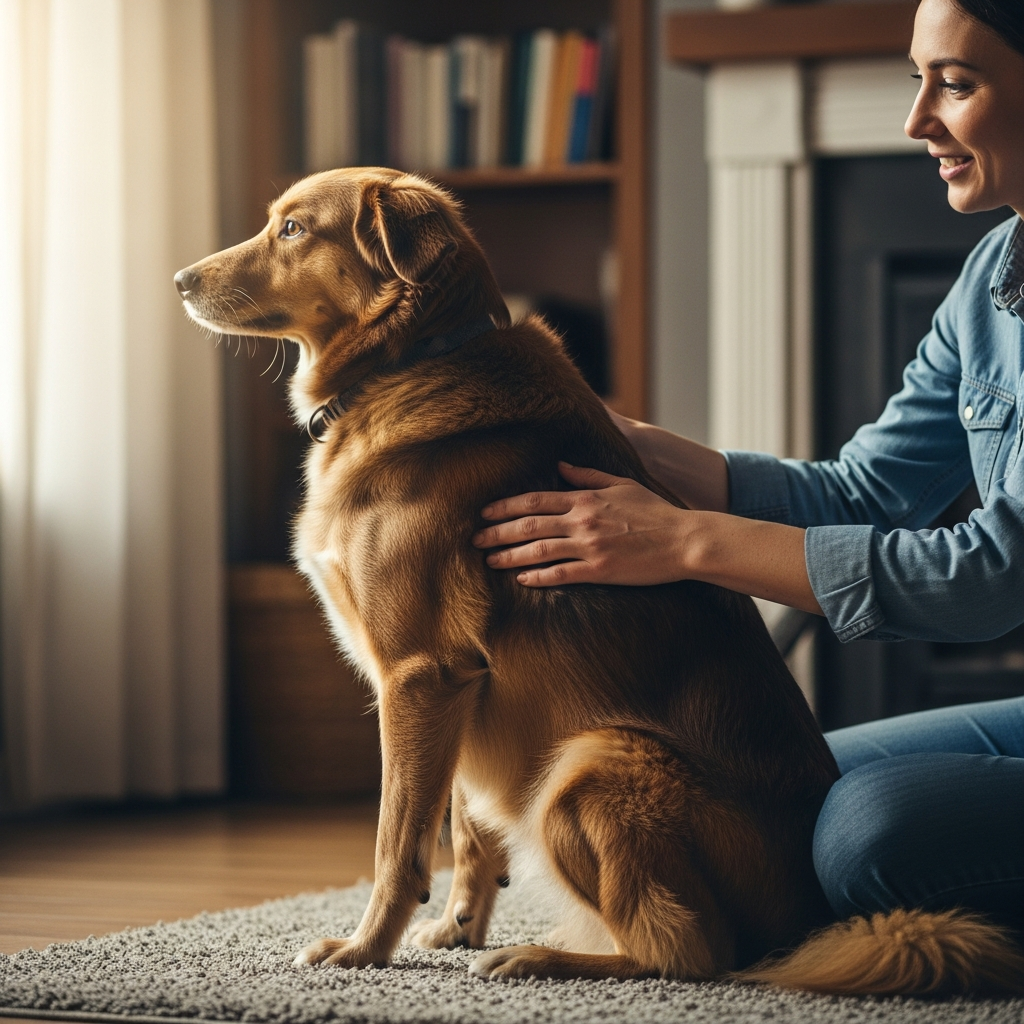
If you notice any of these signs, don’t panic. There are many ways you can help your furry friend.
Consult Your Veterinarian
This is always the first and most important step. Many behavioral changes are rooted in underlying health issues that only a vet can diagnose and treat. Early detection can prevent problems from worsening.
Review Their Environment
Think about any recent changes. Have you moved? Is there a new person or pet in the house? Have their routine or feeding times changed? Dogs thrive on predictability, so minimizing sudden shifts can help.
Reassess Their Routine
Are they getting enough exercise for their breed and age? Are they mentally stimulated with training, puzzle toys, or interactive games? Boredom and lack of exercise are major contributors to unhappiness.
Boost Mental & Physical Stimulation
Incorporate more walks, playtime, and training sessions into your dog’s day. Try new toys, teach them new tricks, or even consider dog sports or agility classes. Mental enrichment is just as important as physical exercise.
Provide Comfort and Security
Ensure your dog has a comfortable, safe space of their own where they can retreat when they need to. Maintain a consistent routine for feeding, walks, and playtime. Your calm presence and reassurance can also go a long way.